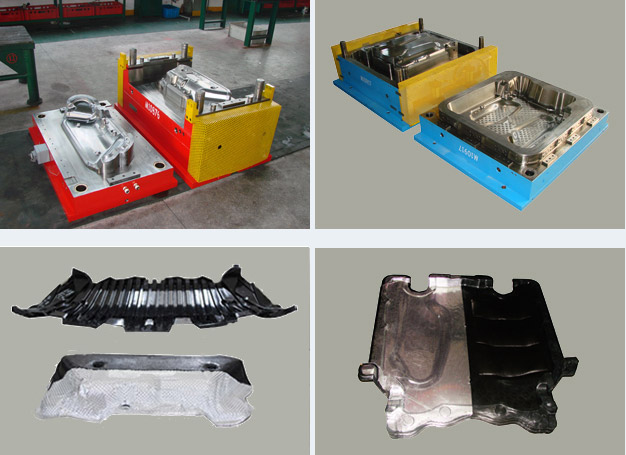
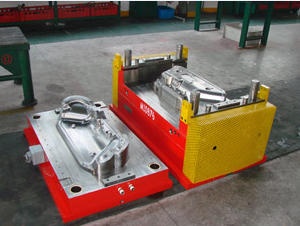
Medical Compression Molding: Precision SMC Moulds for Device Housings

Professional medical compression molding solutions using SMC mould technology. MDC provides high-precision medical compression molds for MRI, CT scanners, and medical device housings.

Medical compression molding is an advanced manufacturing process that utilizes precisely controlled heat and pressure to shape composite materials within a closed mold cavity. This process ensures excellent dimensional accuracy, surface quality, and mechanical performance, making it particularly suitable for the medical industry, where reliability, safety, and consistency are critical.

At MDC, medical compression molding is widely applied to the production of large medical equipment housingscomplex structural components, and custom-shaped medical parts. These products are commonly used in hospitals, clinics, research institutions, and advanced medical equipment manufacturing facilities worldwide.

Consistent Quality Through Professional Engineering and Inspection

The superior quality of MDC’s medical compression molding products is ensured by a dedicated team of professional engineers and quality inspectors. Each production stage is strictly controlled, from raw material selection and formulation to molding process optimization and final product inspection.

By implementing standardized quality management procedures, MDC guarantees:

  • Stable and repeatable molding performance
  • Excellent surface finish and dimensional accuracy
  • High structural strength and durability
  • Compliance with medical industry requirements
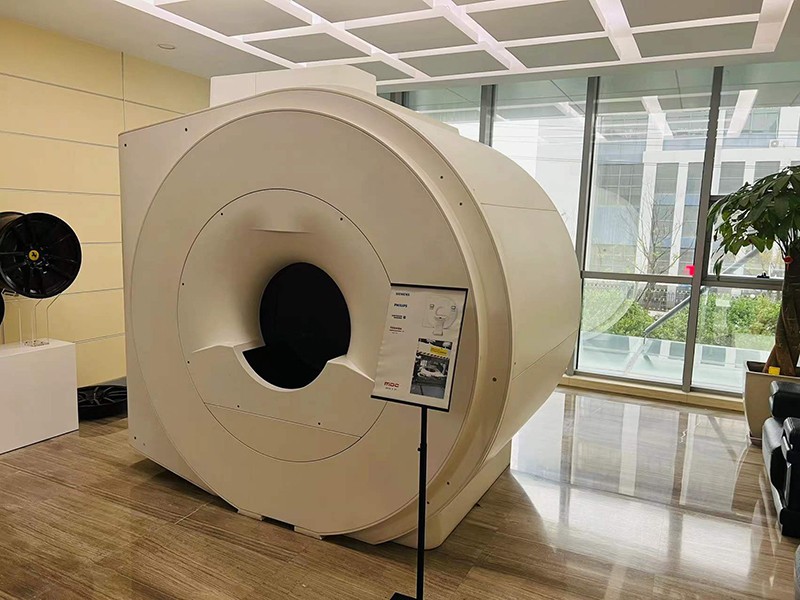
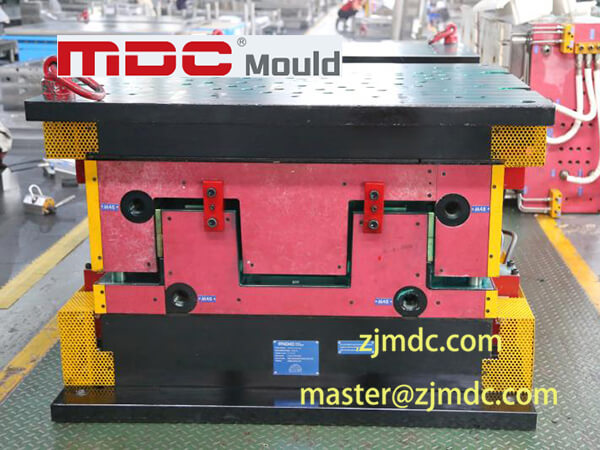
MRI shell mould

SMC Mould Technology for Medical Applications

SMC mould (Sheet Molding Compound mould) is a specialized type of composite mould widely used in medical compression molding. SMC materials offer outstanding advantages, including high strength-to-weight ratio, corrosion resistance, electrical insulation, and design flexibility.

MDC provides a wide range of SMC medical moulds tailored to customer specifications. Leveraging advanced composite molding technology, MDC continuously develops innovative solutions to support the growing demand for lightweight, durable, and aesthetically refined medical components.

Medical Mould Steel Selection: Carbon Steel vs. Stainless Steel

In medical compression molding, the selection of mold steel plays a crucial role in performance and service life. MDC offers two primary mold steel options for SMC medical moulds:

Carbon Steel Medical Moulds

Carbon steel is typically used for general medical products that require high strength, rigidity, and cost efficiency. It is suitable for stable indoor environments where corrosion resistance is not a primary concern.

Stainless Steel Medical Moulds

Stainless steel medical moulds are designed for applications that demand high corrosion resistance, cleanliness, and biocompatibility. They are ideal for medical components exposed to frequent cleaning, chemical disinfectants, or strict hygiene standards.

The choice between carbon steel and stainless steel is determined based on the user’s operating environment, regulatory requirements, and expected service conditions.

Typical Applications of Medical Compression Molding

MDC’s medical compression molding solutions are widely applied in advanced diagnostic and treatment equipment, including:

  • Front end cover of MRI machines
  • Rear end cover of MRI machines
  • CT scanner front end covers
  • Structural components of medical devices

These components require excellent mechanical stability, smooth surface quality, and precise dimensional control, all of which are achieved through optimized SMC compression molding processes.

Why Choose MDC for Medical Compression Molding?

With extensive experience in medical compression molds and SMC mould manufacturing, MDC provides reliable, customized, and future-oriented solutions for the medical industry. Our commitment to engineering excellence and continuous innovation ensures that every mold meets the highest standards of performance, durability, and quality.

As medical technology continues to evolve, MDC will continue to expand its composite molding capabilities to support next-generation medical devices and healthcare solutions.
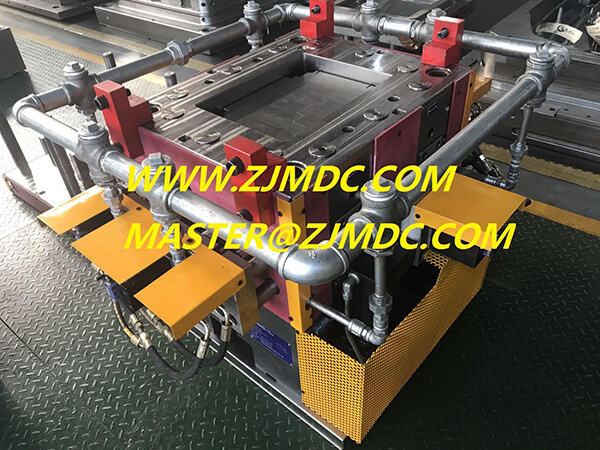
SMC Electrical Connector Moulds: Precision Tooling for Power Systems

MDC Mould specializes in SMC electrical connector moulds and thermosetting moulding solutions for the global electrical industry, offering high-precision, durable, and reliable compression mould tooling.

As the global electrical industry continues to advance toward higher power density, improved safety, and long-term reliability, the demand for precision electrical connector components has increased significantly. At the core of these components lies a critical manufacturing element — the electrical connector mould.

As an important supplier to the electrical industry, MDC has provided a wide range of SMC electrical connector moulds and thermosetting compression mould solutions to customers worldwide. MDC’s extensive experience in SMC mould manufacturing is the foundation of its success in producing high-precision electrical connector tooling.

The Importance of Electrical Connectors in Modern Electrical Systems

Electrical connectors play a vital role in power transmission, signal control, and electrical safety. They are widely used in:

  • Power distribution and switchgear systems
  • Industrial automation and control cabinets
  • Electrical enclosures and insulation components
  • New energy and infrastructure electrical equipment

These applications require connectors capable of withstanding high temperatures, high voltage, mechanical stress, and long service cycles. As a result, both material selection and mould precision are critical to overall product performance.

electrical connector mold

Why Thermosetting Moulding Is Essential for Electrical Connectors

Thermosetting moulding is a key manufacturing process used in the production of electrical connectors. Unlike thermoplastic materials, thermosetting materials undergo irreversible cross-linking during curing, providing superior thermal and electrical properties.

Advantages of Thermosetting Materials

Thermosetting materials commonly used in electrical connectors include:

These materials offer:

  • Excellent heat resistance and dimensional stability
  • Outstanding electrical insulation performance
  • Superior flame retardancy
  • High mechanical strength and durability
  • Resistance to moisture, aging, and chemicals

Due to these properties, thermosetting moulding is indispensable in safety-critical areas of the electronics and electrical industry.

MDC’s Expertise in SMC Electrical Connector Mould Manufacturing

MDC Mould has accumulated rich manufacturing and processing experience in SMC electrical connector moulds. This expertise enables MDC to deliver tooling solutions that ensure stable mass production, consistent quality, and long mould service life.

In addition to SMC, MDC applies a variety of electrical connector materials in actual production, including:

  • PPS (Polyphenylene Sulfide)
  • LCP (Liquid Crystal Polymer)
  • Polyester-based compounds
  • Classic thermosetting materials such as phenolic and epoxy resins

By deeply understanding material flow behavior, curing characteristics, and thermal requirements, MDC optimizes mould structure and processing parameters for each application.

Precision Engineering for Electrical Connector Moulds

High-quality electrical connectors begin with precision mould engineering. MDC integrates advanced design concepts with high-accuracy manufacturing to ensure each electrical mould meets strict industry requirements.

Key Engineering Features

  • High dimensional accuracy for complex connector geometries
  • Optimized material flow and gate design
  • Uniform heating and curing control
  • Smooth surface finish to improve insulation reliability
  • Stable demoulding performance for high-volume production

Through precision CNC machining, strict inspection processes, and experienced assembly, MDC electrical connector moulds deliver reliable and repeatable production performance.

connection box mold

Advantages of MDC Electrical Connector Moulds

Compared with conventional tooling solutions, MDC’s SMC electrical connector moulds provide:

  • High product consistency in mass production
  • Improved electrical safety and insulation quality
  • Lower defect rates and reduced scrap costs
  • Excellent resistance to thermal and mechanical fatigue
  • Lower long-term maintenance and tooling costs

Applications in the Global Electrical Industry

MDC electrical connector moulds are widely used for manufacturing:

  • Electrical connectors and terminals
  • Insulation components
  • Switchgear and breaker parts
  • Industrial electrical interfaces
  • Customized thermosetting electrical components

MDC supports both standardized and customized connector mould solutions to meet diverse global market requirements.

Conclusion

With the increasing demand for safety, precision, and durability in electrical systems, SMC electrical connector moulds play a critical role in modern manufacturing.

Through advanced thermosetting moulding technology, deep material expertise, and precision engineering, MDC Mould continues to provide reliable electrical mould solutions for the global electrical industry.

For manufacturers seeking long-term stability and high-quality mass production, MDC’s electrical connector moulds represent a proven and future-ready solution.

GMT Tool & Compression Moulding for Thermoplastic Composites

Explore GMT tool design and compression tooling technology for Glass Mat Thermoplastic composites. Learn how GMT tools enable lightweight, durable, and recyclable composite components for automotive and industrial applications.

As industries accelerate toward lightweight structures, recyclability, and high-volume production efficiency, the GMT tool has become a critical element in modern thermoplastic composite manufacturing. Glass Mat Thermoplastic (GMT) materials, combined with precision compression tooling, provide an ideal balance between mechanical performance, durability, and sustainable production.

For manufacturers with expertise in compression molding, GMT tooling represents a natural and strategic extension beyond traditional thermoset composite molds.

What Is a GMT Tool?

GMT tool is a compression mold specifically engineered for forming Glass Mat Thermoplastic (GMT) materials under controlled heat and pressure. GMT sheets consist of randomly oriented glass fiber mats impregnated with thermoplastic resins such as polypropylene (PP) or polyamide (PA).

Unlike thermoset-based SMC tooling, GMT compression tooling operates through a heating–forming–cooling cycle rather than a chemical curing reaction. This fundamental difference places higher demands on thermal control, mold rigidity, and dimensional stability.

Key Material Characteristics Driving GMT Tool Design

Thermoplastic Processing Behavior

GMT materials soften when heated and solidify upon cooling. As a result, GMT tooling must provide:

  • Precise and uniform heating for rapid material softening
  • High structural stiffness to withstand forming pressure
  • Efficient cooling channels to minimize cycle time
  • Stable part geometry during demolding and cooling

Repeated thermal cycling makes mold material selection and internal structure essential for long-term tooling durability.

Fiber Distribution and Mechanical Performance

Although GMT uses randomly oriented glass fibers, proper compression mold design ensures controlled material flow, uniform wall thickness, and consistent fiber distribution in load-bearing areas.

A well-designed GMT tool directly influences stiffness, impact resistance, and fatigue performance of the finished composite component.

gmt mold

Advantages of GMT Compression Tooling

High Production Efficiency

One of the most significant advantages of GMT tooling is short cycle time. Since no chemical curing is required, GMT compression molding enables:

  • Fast forming and cooling cycles
  • High repeatability for mass production
  • Lower energy consumption per part

These characteristics make GMT tools ideal for high-volume automotive and commercial vehicle applications.

Lightweight and Durable Structures

GMT components formed with precision compression tooling offer an excellent strength-to-weight ratio combined with high impact resistance and fatigue durability. This makes them suitable for both structural and semi-structural applications.

Recyclability and Sustainability

As thermoplastic composites, GMT materials are inherently recyclable. Scrap and offcuts can be reprocessed, supporting sustainability goals and circular economy requirements.

GMT tooling therefore aligns performance-driven manufacturing with environmental responsibility.

Typical Applications of GMT Tools

GMT tools are widely used to produce durable composite components in:

  • Automotive underbody shields and structural panels
  • Seat frames and interior load-bearing parts
  • Battery protection panels and enclosures
  • Commercial vehicle body components
  • Industrial equipment housings

These applications benefit from GMT’s impact resistance, dimensional stability, and consistent part quality.

GMT mold

Critical Design Considerations for GMT Tools

Mold Structure and Rigidity

GMT compression molding involves high forming pressure. Tool structures must minimize deflection and maintain long-term dimensional accuracy.

High-strength tool steels, optimized rib layouts, and reinforced backing structures are commonly used to ensure durability.

Thermal Management System

Thermal control is the core of GMT tooling performance. Advanced GMT tools integrate:

  • Efficient heating systems for uniform temperature distribution
  • Optimized cooling channels to reduce cycle time
  • Stable thermal gradients to prevent warpage

Surface Quality and Demolding

For visible or functional parts, GMT tools must deliver smooth cavity surfaces, appropriate draft angles, and reliable demolding systems to ensure consistent quality.

GMT Tool vs. SMC Tool: Key Differences

AspectGMT ToolSMC Tool
Resin SystemThermoplasticThermoset
Forming MechanismMelting & CoolingChemical Curing
Cycle TimeShortLonger
RecyclabilityHighLimited

Conclusion

GMT tools are essential for the efficient production of lightweight, durable, and recyclable thermoplastic composite components. Through precise thermal control, robust mold structures, and optimized cavity design, GMT compression tooling supports high-volume manufacturing without compromising performance.

As thermoplastic composites continue to expand across automotiveand industrial sectors, GMT tooling will remain a key technologyfor next-generation composite manufacturing.