SMC Bathtubs: Why Compression Molded Composite Bathtubs Are Transforming Modern Bathroom Manufacturing

Explore high-strength SMC bathtubs engineered by precision compression molding. Perfect for modular bathrooms and hotels, our composite bathtubs offer superior thermal insulation, zero leakage, and rapid installation.

Modern architecture is evolving toward lightweight construction, sustainable materials, industrialized manufacturing, and longer product life cycles. As these trends continue to reshape the global building industry, traditional bathroom products are facing increasing pressure to deliver better structural performance, improved hygiene, easier installation, and lower maintenance costs.

Among today’s advanced sanitaryware materials, Sheet Molding Compound (SMC) has become one of the fastest-growing composite materials for manufacturing high-performance bathtubs. Through precision compression molding technology, SMC bathtubs combine outstanding mechanical strength, seamless waterproof construction, excellent thermal insulation, corrosion resistance, and superior dimensional stability into a single integrated product.

Compared with conventional acrylic, ceramic, cultured marble, or cast iron bathtubs, SMC composite bathtubs provide a more balanced combination of lightweight design, structural durability, production efficiency, and long-term reliability. These advantages have made them increasingly popular in hotels, luxury apartments, hospitals, modular buildings, student residences, prefabricated housing, and commercial construction projects worldwide.

As a professional manufacturer specializing in SMC moldscompression molds, and composite tooling solutions, MDC Mould helps customers produce high-quality composite sanitaryware through advanced mold engineering, precision machining, optimized heating systems, and comprehensive technical support.


The Growing Demand for Composite Bathroom Solutions

The global construction industry has experienced significant changes over the past decade. Developers are no longer focused solely on reducing initial procurement costs; they now evaluate bathroom products based on total lifecycle performance, maintenance requirements, installation efficiency, sustainability, and long-term durability.

This shift has accelerated the adoption of advanced composite materials across the sanitaryware sector. Hotels require bathroom fixtures that can withstand thousands of usage cycles while maintaining an attractive appearance. Residential developers seek lightweight products that simplify transportation and installation. Modular building manufacturers need standardized components with excellent dimensional consistency to support factory-based assembly.

SMC composite technology successfully addresses all of these requirements. By combining high-strength glass fibers with thermosetting resin systems, manufacturers can produce sanitaryware products that offer exceptional performance under demanding service conditions.


What Is an SMC Bathtub?

An SMC bathtub is a composite sanitaryware product manufactured using Sheet Molding Compound (SMC), a fiber-reinforced thermosetting material specifically engineered for structural applications requiring high mechanical performance and excellent surface quality.

Unlike thermoplastic materials that soften repeatedly when heated, SMC undergoes an irreversible curing reaction during compression molding. Once cured, the molecular structure forms a highly cross-linked three-dimensional network that provides outstanding rigidity, dimensional stability, chemical resistance, and heat resistance.

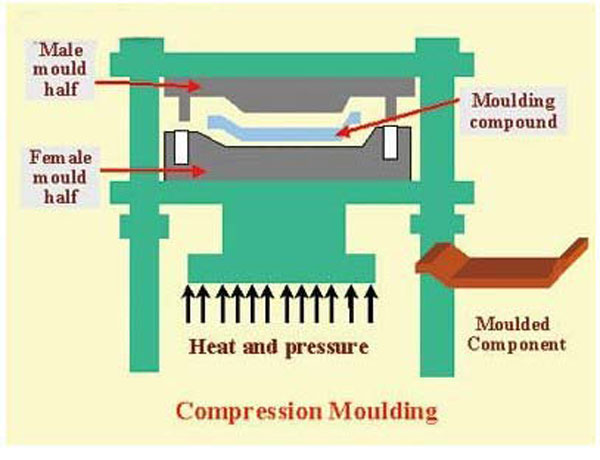
The bathtub is manufactured by placing precisely weighed SMC charges into a heated steel mold. Under carefully controlled temperature and hydraulic pressure, the material flows throughout the mold cavity, encapsulates reinforcement fibers, fills every design feature, and cures into a rigid one-piece structure.

This manufacturing method enables manufacturers to produce bathtubs with highly consistent wall thickness, smooth Class-A surfaces, and integrated structural features that would be difficult or impossible to achieve using conventional fabrication methods.


Understanding Sheet Molding Compound (SMC)

Sheet Molding Compound is a highly engineered composite material developed to combine the processability of sheet materials with the strength of glass fiber reinforcement. Modern SMC formulations are carefully optimized to balance flow behavior, curing characteristics, surface appearance, and mechanical properties.

A typical SMC formulation contains multiple functional ingredients, each contributing specific performance characteristics.

1. Thermosetting Resin System

The resin acts as the primary matrix that binds reinforcement fibers together after curing. Unsaturated polyester resin is commonly used because it provides an excellent balance between mechanical performance, processing efficiency, corrosion resistance, and cost-effectiveness. Vinyl ester resin may also be selected for applications requiring enhanced chemical resistance.

2. Glass Fiber Reinforcement

Short chopped glass fibers significantly improve tensile strength, flexural strength, stiffness, and impact resistance. During compression molding, fiber orientation naturally follows material flow patterns, creating an optimized internal reinforcement structure capable of supporting heavy service loads while minimizing product weight.

3. Mineral Fillers

Carefully selected mineral fillers enhance dimensional stability, reduce material shrinkage during curing, improve surface smoothness, and contribute to overall cost optimization without sacrificing product performance.

4. Low Profile Additives

Low profile additives minimize curing shrinkage and help produce smooth Class-A cosmetic surfaces that require minimal secondary finishing. This is particularly important for visible bathroom products where aesthetics directly influence customer satisfaction.

5. Mold Release Agents

Internal mold release systems facilitate clean demolding while protecting both the finished product and the mold surface from unnecessary wear.

6. Pigments and Functional Additives

Color pigments, UV stabilizers, flame retardants, antimicrobial additives, and other specialty ingredients can be incorporated into the SMC formulation according to the performance requirements of specific projects.

sheet molding compounds

Why Compression Molding Is the Ideal Manufacturing Process

Compression molding remains the preferred manufacturing process for high-quality SMC sanitaryware because it combines excellent production efficiency with superior product consistency.

Unlike hand lay-up processes that depend heavily on operator skill, compression molding is a highly repeatable industrial manufacturing technology. Every production cycle follows carefully controlled processing parameters, including mold temperature, hydraulic pressure, curing time, and material charge weight.

This controlled process minimizes production variation while ensuring each bathtub meets strict dimensional and mechanical specifications.

Key Advantages of Compression Molding

  • High production efficiency
  • Excellent repeatability
  • Accurate dimensions
  • Stable wall thickness
  • Outstanding surface finish
  • Reduced labor intensity
  • Minimal material waste
  • High fiber volume consistency
  • Superior structural integrity
  • Excellent suitability for medium and high-volume production

These characteristics make compression molding particularly attractive for manufacturers supplying large commercial construction projects where product consistency and production capacity are equally important.


The Complete Manufacturing Process of an SMC Bathtub

Producing a high-quality SMC bathtub involves a series of carefully controlled engineering steps. Every stage influences the final product’s mechanical properties, appearance, dimensional accuracy, and service life.

Step 1 – Material Preparation

Pre-matured SMC sheets are stored under controlled environmental conditions to maintain stable viscosity and curing characteristics. Before molding, the sheets are cut into precisely calculated charge patterns based on mold geometry and expected material flow.

Step 2 – Mold Preparation

The precision compression mold is heated to the specified processing temperature using optimized heating channels. Uniform temperature distribution throughout the mold is essential for consistent curing and balanced resin flow.

Step 3 – Charge Placement

The SMC charges are strategically positioned inside the mold cavity. Proper charge placement directly influences fiber orientation, flow behavior, weld line formation, and overall mechanical performance.

Step 4 – Compression

As the hydraulic press closes, pressure forces the material to flow throughout the cavity. During this stage, the resin encapsulates glass fibers while filling ribs, corners, drain openings, overflow features, and structural reinforcement sections.

Step 5 – Curing

Heat initiates the thermosetting reaction. Resin molecules cross-link into a permanent three-dimensional polymer network, transforming the soft composite sheet into a rigid structural component with excellent dimensional stability.

Step 6 – Demolding

After curing is complete, the mold opens and the finished bathtub is carefully removed. Precision mold design ensures smooth demolding while minimizing stress concentrations that could damage either the product or tooling.

Step 7 – Trimming and Finishing

Excess flash is removed using CNC trimming or precision cutting equipment. Drain openings and functional interfaces are machined according to engineering specifications before the bathtub undergoes final inspection.

compression molding process

Integrated One-Piece Construction Eliminates Traditional Weak Points

One of the defining advantages of SMC bathtubs is their seamless monolithic construction.

Traditional bathtubs often rely on bonded sections, separate reinforcement components, or assembled structures. These interfaces may gradually become potential leakage paths after years of thermal cycling, mechanical loading, or moisture exposure.

Compression molding eliminates these concerns by producing the bathtub as a single integrated composite structure. Because there are no structural joints, the finished product demonstrates superior waterproof performance, improved rigidity, and significantly reduced maintenance requirements.

This one-piece design also enhances cleaning efficiency by eliminating narrow crevices where moisture, mold, soap residue, or bacteria could accumulate over time.


Why SMC Composite Materials Outperform Traditional Bathtub Materials

Selecting the right bathtub material affects not only product appearance but also structural reliability, user comfort, manufacturing efficiency, installation costs, and long-term maintenance. While acrylic, cast iron, ceramic, and cultured marble have been widely used for decades, modern composite engineering has demonstrated that Sheet Molding Compound (SMC) offers a superior balance of performance for today’s commercial and residential construction projects.

Unlike conventional materials that typically excel in only one or two performance categories, SMC combines multiple engineering advantages into a single integrated material system. This balanced performance is one of the primary reasons why architects, developers, and sanitaryware manufacturers are increasingly specifying SMC bathtubs for high-end projects worldwide.


SMC Bathtub vs Acrylic Bathtub

Acrylic bathtubs remain one of the most common products in residential markets because of their relatively low manufacturing cost and attractive appearance. However, acrylic is essentially a thermoplastic sheet that must be vacuum formed and reinforced with fiberglass or resin on its backside.

Although this manufacturing method is economical, the final product often exhibits several engineering limitations.

Structural Rigidity

Acrylic itself possesses relatively low stiffness. To improve load-bearing capability, manufacturers usually apply fiberglass reinforcement layers to the rear surface after thermoforming. Since these reinforcing layers are manually applied in many production facilities, quality consistency may vary between products.

In contrast, SMC bathtubs are molded as an integrated composite structure in a single compression molding cycle. Glass fibers are uniformly distributed throughout the entire wall thickness, producing a highly rigid shell capable of supporting heavy loads without excessive deformation.

Impact Resistance

Repeated loading, accidental impacts, or improper installation may cause acrylic products to develop cracks over time, particularly around unsupported areas.

The glass fiber reinforcement contained throughout an SMC bathtub provides significantly greater impact resistance and fatigue durability, allowing the structure to withstand long-term service under demanding operating conditions.

Dimensional Stability

Thermoplastic acrylic materials exhibit relatively high thermal expansion coefficients. Temperature fluctuations may gradually induce dimensional changes or localized deformation.

The thermosetting polymer matrix used in SMC maintains excellent dimensional stability after curing, making it highly suitable for projects requiring long-term geometric accuracy.


SMC Bathtub vs Cast Iron Bathtub

Cast iron bathtubs have traditionally been recognized for their strength and premium feel. However, their significant weight presents numerous engineering and logistical challenges.

Transportation Efficiency

A cast iron bathtub may weigh several times more than an equivalent SMC bathtub. The additional weight increases transportation costs, requires heavier lifting equipment, and complicates installation on upper floors or modular building systems.

SMC composite bathtubs dramatically reduce overall product weight while maintaining excellent structural integrity, making them easier to transport, install, and handle throughout the construction process.

Corrosion Resistance

Although enamel coatings protect cast iron surfaces, impact damage or coating defects may eventually expose the underlying metal to corrosion.

SMC materials contain no metallic substrate and therefore cannot rust. Even under prolonged exposure to moisture, humidity, or cleaning chemicals, composite structures maintain excellent corrosion resistance.

Thermal Comfort

Metal possesses high thermal conductivity, meaning that cast iron rapidly transfers heat away from bathwater during use.

SMC composites exhibit much lower thermal conductivity, helping maintain water temperature for longer periods while improving bathing comfort and reducing hot water consumption.


SMC Bathtub vs Cultured Marble

Cultured marble products are appreciated for their decorative appearance and stone-like texture. However, they generally contain high filler content, resulting in relatively brittle mechanical behavior.

SMC composites provide substantially higher impact resistance because glass fibers distribute mechanical stresses throughout the structure rather than allowing stress to concentrate within localized regions.

This enhanced toughness significantly reduces the likelihood of cracking during transportation, installation, or long-term service.

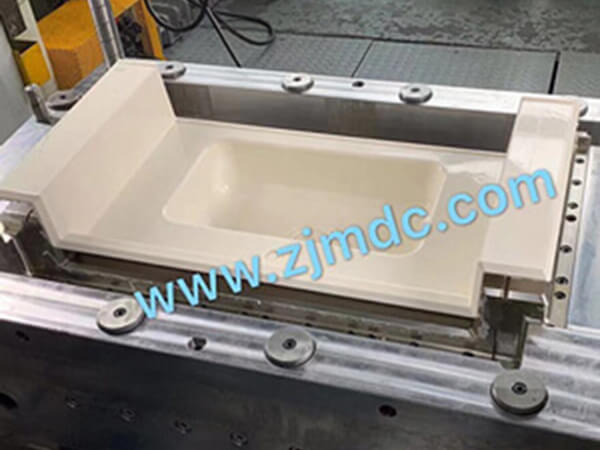
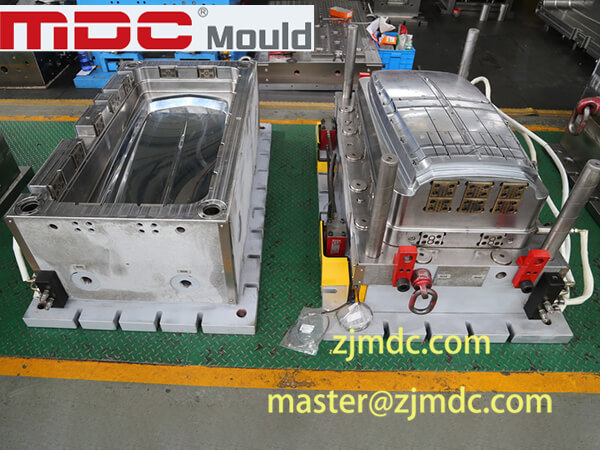
bathtub mold

Superior Strength-to-Weight Ratio

One of the defining engineering characteristics of SMC materials is their exceptional strength-to-weight ratio.

The combination of continuous resin matrix and uniformly distributed glass fibers enables engineers to achieve structural performance that would otherwise require considerably thicker or heavier traditional materials.

For modern construction projects, reduced component weight provides multiple benefits:

  • Lower transportation costs
  • Reduced manual handling effort
  • Simplified installation
  • Lower structural loading on buildings
  • Improved efficiency for modular construction
  • Reduced crane lifting requirements

These advantages become increasingly valuable as modular construction and prefabricated building systems continue expanding worldwide.


Excellent Thermal Insulation Improves Bathing Comfort

Thermal insulation represents one of the most noticeable user benefits of SMC bathtubs.

When hot water contacts a bathtub surface, heat begins transferring from the water into the surrounding material. The rate of heat transfer depends largely on the material’s thermal conductivity.

SMC composites possess significantly lower thermal conductivity than metallic materials. As a result, less heat escapes from the bathwater into the bathtub structure, allowing users to enjoy a warmer bathing experience for longer periods.

This characteristic offers several practical advantages:

  • Reduced hot water consumption
  • Improved bathing comfort
  • Lower hotel operating costs
  • Better energy efficiency
  • Reduced carbon emissions over product lifetime

For hospitality projects involving hundreds of guest rooms, these energy savings can become economically significant over many years of operation.


Waterproof Performance Through Integrated Composite Construction

Bathrooms continuously experience high humidity, standing water, and repeated wet-dry cycles. Under these conditions, waterproof integrity becomes essential for long-term product reliability.

Unlike assembled structures containing mechanical joints or adhesive seams, compression molded SMC bathtubs are manufactured as monolithic components. The absence of structural joints dramatically reduces potential leakage paths.

Furthermore, cured thermosetting resin forms a dense cross-linked polymer network with extremely low water absorption. This stable internal structure prevents moisture penetration that could otherwise compromise long-term dimensional stability.


Outstanding Resistance to Mold and Microbial Growth

Maintaining hygiene has become increasingly important in residential, healthcare, hospitality, and public sanitation facilities.

The dense, non-porous surface produced during precision compression molding significantly reduces opportunities for microorganisms to attach and multiply.

Unlike porous materials that may retain moisture beneath the surface, SMC composites present a smooth barrier that can be easily cleaned using common household detergents.

Optional antimicrobial additives may also be incorporated into specialized formulations for hospitals, elderly care facilities, and healthcare environments where enhanced hygiene performance is required.


Chemical Resistance for Daily Bathroom Environments

Bathroom fixtures routinely encounter soaps, shampoos, disinfectants, cleaning agents, cosmetics, and mildly acidic or alkaline chemicals.

Properly formulated SMC materials demonstrate excellent resistance to these commonly encountered substances, minimizing risks of surface degradation, discoloration, or chemical attack.

This chemical stability contributes directly to longer product service life while reducing maintenance requirements throughout the bathtub’s operational lifespan.


Long-Term Aging Resistance

Many traditional bathroom materials gradually deteriorate under continuous exposure to moisture, temperature fluctuations, ultraviolet radiation, and cleaning chemicals.

SMC composites are specifically engineered to resist these environmental stresses.

Advanced resin formulations combined with UV stabilizers help preserve both mechanical performance and cosmetic appearance throughout years of service.

Under appropriate manufacturing conditions, SMC bathtubs commonly achieve service lives exceeding twenty years while maintaining excellent dimensional stability and structural integrity.


Why Mold Design Determines the Quality of an SMC Bathtub

Although Sheet Molding Compound (SMC) provides outstanding material properties, the final quality of an SMC bathtub depends heavily on mold design and manufacturing precision. Even premium composite materials cannot compensate for an improperly engineered compression mold.

The compression mold serves as the foundation of the entire manufacturing process. It controls material flow, fiber orientation, curing uniformity, dimensional accuracy, surface finish, and production efficiency. Every design detail—from heating channels to venting locations—directly influences the performance and appearance of the finished bathtub.

For manufacturers targeting high-end sanitaryware markets, investing in a precision-engineered SMC mold is essential to achieving consistent quality, reducing production defects, and extending mold service life.

3d mould

Precision Mold Design Begins with Product Engineering

Successful mold development starts long before steel is machined. At MDC Mould, every project begins with a detailed Design for Manufacturability (DFM) review. Engineers analyze the customer’s CAD model to identify potential molding challenges and optimize the product for compression molding.

Typical engineering considerations include:

  • Wall thickness distribution
  • Draft angle optimization
  • Rib and reinforcement layout
  • Material flow distance
  • Drain and overflow integration
  • Undercut elimination
  • Parting line location
  • Demolding direction

Optimizing these features before mold production significantly reduces manufacturing risks while improving productivity and product consistency.


Uniform Heating Is Critical for Consistent Curing

One of the most important factors in SMC compression molding is temperature control. The curing reaction of thermosetting resin is highly sensitive to mold temperature. Even small temperature differences across the mold surface can lead to uneven curing, residual stress, dimensional variation, or cosmetic defects.

Professional compression molds therefore incorporate carefully engineered heating channel systems designed to maintain highly uniform temperature distribution throughout the cavity.

Well-balanced heating provides several important advantages:

  • Uniform resin curing
  • Stable fiber distribution
  • Reduced internal stress
  • Improved dimensional accuracy
  • Higher surface quality
  • Consistent production cycles

For large sanitaryware components such as bathtubs, maintaining stable mold temperature is particularly important because the material must flow over long distances before curing is complete.


Material Flow Control Ensures Uniform Fiber Distribution

During compression molding, SMC material behaves as a highly filled, fiber-reinforced compound. As hydraulic pressure increases, the material flows from the initial charge locations toward every corner of the mold cavity.

The flow behavior determines how glass fibers become oriented inside the finished product. Since fiber orientation directly affects mechanical strength, controlling material flow is one of the most important aspects of mold engineering.

Poor flow design may result in:

  • Fiber-rich regions
  • Resin-rich regions
  • Uneven wall strength
  • Visible flow marks
  • Incomplete filling
  • Mechanical weak points

By optimizing cavity geometry, charge placement, compression sequence, and runner-free flow paths, engineers can achieve a more balanced fiber distribution throughout the bathtub structure.


The Importance of Fiber Orientation

Unlike isotropic materials such as cast iron or ceramic, fiber-reinforced composites exhibit directional mechanical properties. The orientation of glass fibers influences tensile strength, bending stiffness, and impact resistance.

Proper mold engineering guides fiber movement so that reinforcement aligns with major load-bearing regions of the bathtub, including the bottom panel, sidewalls, seating areas, and structural ribs.

Optimized fiber orientation improves:

  • Load-bearing capacity
  • Fatigue resistance
  • Impact strength
  • Crack resistance
  • Long-term structural stability

Advanced mold design therefore considers not only cavity shape but also the internal flow behavior of the composite material during every stage of compression.


Efficient Venting Prevents Air Traps and Surface Defects

As the mold closes, trapped air and volatile gases generated during curing must escape from the cavity. If these gases cannot be released efficiently, they may become compressed within the material, creating cosmetic or structural defects.

Typical problems associated with poor venting include:

  • Air bubbles
  • Surface blisters
  • Void formation
  • Burn marks
  • Incomplete filling
  • Poor surface gloss

MDC Mould carefully designs venting systems based on cavity geometry, material flow direction, and expected gas generation. Proper vent placement allows gases to escape while preventing excessive material flash, resulting in smoother surfaces and improved structural integrity.


Surface Finish Depends on Mold Accuracy

Consumers often evaluate a bathtub first by its appearance. A smooth, glossy surface not only enhances aesthetics but also simplifies cleaning and improves long-term hygiene.

Achieving a Class-A surface finish requires far more than polishing after production. It begins with precision mold manufacturing.

Critical factors include:

  • High-precision CNC machining
  • Uniform cavity pressure
  • Controlled curing conditions
  • Mirror polishing of cavity surfaces
  • Accurate mold alignment
  • Stable processing parameters

High-quality mold surfaces are faithfully replicated onto the cured SMC product, minimizing secondary finishing while delivering a premium appearance.


Structural Rib Design Improves Strength Without Increasing Weight

One of the major advantages of compression molding is the ability to integrate structural reinforcement directly into the product geometry.

Instead of increasing wall thickness throughout the bathtub, engineers strategically design reinforcing ribs beneath the visible surfaces.

Proper rib design provides:

  • Higher bending stiffness
  • Improved load distribution
  • Reduced material consumption
  • Lower overall weight
  • Better resistance to deformation

Finite element analysis (FEA) is often used during product development to determine optimal rib geometry and placement, ensuring that material is used efficiently without compromising structural performance.


Dimensional Accuracy Supports Modular Construction

Modern modular bathrooms require components that fit together with minimal adjustment during installation. Even small dimensional deviations may complicate assembly, increase labor costs, or delay project schedules.

High-precision compression molds enable manufacturers to achieve excellent repeatability from one production cycle to the next. Stable cavity dimensions, controlled curing, and precision machining ensure that every bathtub meets strict dimensional tolerances.

This consistency is especially valuable for prefabricated bathroom systems, where interchangeable components are essential for efficient factory production.


Reducing Cycle Time Without Sacrificing Quality

Production efficiency plays an important role in the economics of sanitaryware manufacturing. However, reducing cycle time should never compromise product quality.

A well-designed compression mold balances heating efficiency, material flow, curing kinetics, and cooling performance to achieve both high productivity and consistent quality.

Optimized mold engineering helps manufacturers:

  • Increase production output
  • Lower manufacturing costs
  • Reduce energy consumption
  • Improve equipment utilization
  • Maintain consistent product performance

Through continuous optimization of mold design and processing parameters, manufacturers can maximize productivity while maintaining the high quality expected by global sanitaryware markets.

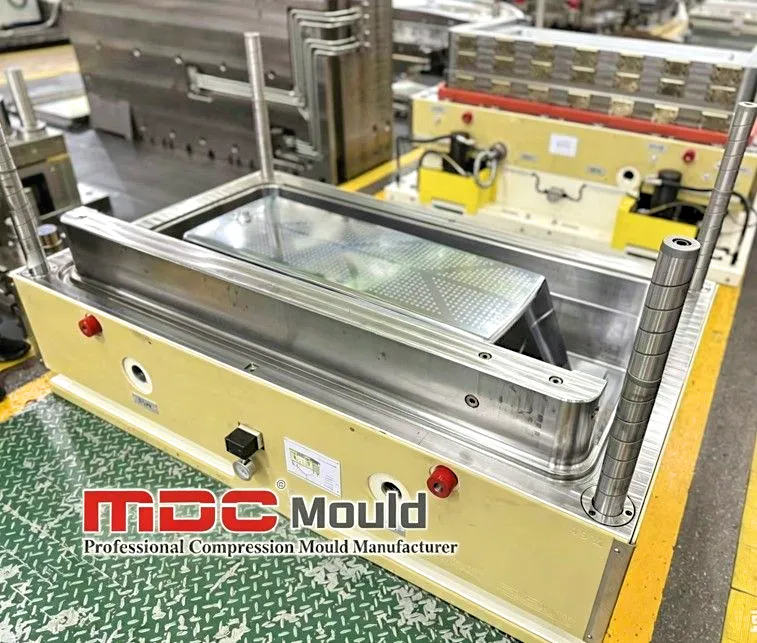
SMC bathtub mold

Common Compression Molding Defects in SMC Bathtub Manufacturing and How to Prevent Them

Even with high-quality raw materials and advanced hydraulic presses, the production of SMC bathtubs requires strict control over every stage of the compression molding process. Material formulation, mold design, process parameters, and operator experience all influence the final product quality.

Understanding the root causes of common molding defects enables manufacturers to reduce scrap rates, improve production efficiency, and deliver consistently high-quality composite sanitaryware.


1. Air Bubbles and Internal Voids

Air entrapment is one of the most common defects encountered during compression molding. As the mold closes, trapped air or gases released during resin curing may become enclosed within the composite if they cannot escape efficiently.

Typical Causes

  • Insufficient venting channels
  • Improper charge placement
  • Excessively fast mold closing speed
  • Uneven material flow
  • Incorrect molding pressure profile

Engineering Solutions

  • Optimize vent design and vent depth.
  • Improve SMC charge distribution.
  • Adjust multi-stage closing speed.
  • Maintain stable molding temperature.
  • Perform regular vent cleaning during production.

Effective venting not only improves surface quality but also increases the structural integrity of the finished bathtub.


2. Surface Flow Marks

Flow marks appear as visible streaks or irregular patterns on the finished surface. Although they may not significantly reduce structural strength, they negatively affect cosmetic appearance and customer acceptance.

Main Causes

  • Long material flow distance
  • Improper charge pattern
  • Uneven mold temperature
  • Premature resin curing
  • Poor cavity filling sequence

Recommended Improvements

  • Optimize charge layout through flow simulation.
  • Balance mold heating channels.
  • Reduce unnecessary flow distance.
  • Improve cavity filling uniformity.

3. Fiber Exposure

A smooth, glossy Class-A surface is essential for premium sanitaryware. If glass fibers become exposed on the visible surface, the bathtub loses its aesthetic appeal and becomes more difficult to clean.

Possible Reasons

  • Insufficient resin coverage
  • Improper material formulation
  • Excessive molding pressure
  • Incorrect curing conditions

Preventive Measures

  • Optimize resin-to-fiber ratio.
  • Improve mold polishing quality.
  • Control curing temperature precisely.
  • Maintain stable compression pressure.

4. Warpage and Dimensional Distortion

Large sanitaryware products require excellent dimensional stability. Warpage can complicate installation, reduce sealing performance, and increase assembly costs.

Root Causes

  • Uneven curing
  • Non-uniform wall thickness
  • Residual internal stress
  • Temperature imbalance across the mold

Solutions

  • Optimize wall thickness distribution.
  • Improve heating uniformity.
  • Extend curing time when necessary.
  • Reduce localized stress concentration.

5. Flash Formation

Flash refers to excess composite material escaping along the mold parting line during compression. Although flash can usually be removed through trimming, excessive flash increases material waste and post-processing costs.

Contributing Factors

  • Parting surface wear
  • Insufficient mold clamping force
  • Excess material charge
  • Poor mold alignment

Engineering Controls

  • Maintain precise mold alignment.
  • Inspect parting surfaces regularly.
  • Optimize material charge weight.
  • Ensure sufficient hydraulic locking force.

Comprehensive Quality Inspection for SMC Bathtubs

High-quality sanitaryware requires much more than visual inspection. Each bathtub should undergo systematic quality verification to ensure consistent performance throughout its service life.

A comprehensive inspection program typically includes the following evaluations.


Dimensional Inspection

Critical dimensions such as overall length, width, height, drain position, overflow location, and mounting interfaces should be measured using calibrated inspection equipment.

Consistent dimensional accuracy ensures compatibility with standardized plumbing systems and modular bathroom installations.


Surface Quality Inspection

Inspectors carefully evaluate the visible surface for:

  • Scratches
  • Flow marks
  • Fiber exposure
  • Pinholes
  • Color variation
  • Surface waviness
  • Gloss consistency

A high-quality Class-A surface reflects the precision of both mold manufacturing and process control.


Load-Bearing Performance Testing

Because bathtubs must safely support users under repeated loading conditions, structural strength testing is an essential part of quality assurance.

Static and dynamic loading evaluations verify that the bathtub maintains structural integrity without excessive deformation or cracking.

Proper rib design and balanced fiber distribution play important roles in achieving reliable load-bearing performance.


Waterproof Performance Verification

Leakage testing confirms that the integrated one-piece structure maintains complete watertight integrity.

Drain interfaces, overflow systems, and sealing surfaces are also inspected to ensure compatibility with plumbing components during installation.


Impact Resistance Testing

Transportation, installation, and daily use may expose bathtubs to accidental impacts.

Impact testing verifies that the composite structure can absorb mechanical energy without developing visible cracks or hidden structural damage.


Chemical Resistance Evaluation

Bathroom products are routinely exposed to detergents, soaps, disinfectants, shampoos, and household cleaning agents.

Chemical resistance testing confirms that prolonged exposure does not cause discoloration, surface degradation, softening, or loss of mechanical properties.


Thermal Cycling Test

Repeated transitions between hot and cold water create thermal stresses within bathroom fixtures.

Thermal cycling evaluates the bathtub’s ability to maintain dimensional stability, surface quality, and structural performance after numerous temperature changes throughout its expected service life.


Quality Control Throughout the Manufacturing Process

Consistent product quality is achieved through process control rather than relying solely on final inspection.

Professional SMC bathtub manufacturers establish quality checkpoints throughout the entire production workflow, including:

  • Incoming raw material verification
  • SMC maturity inspection
  • Charge weight confirmation
  • Mold temperature monitoring
  • Compression pressure recording
  • Curing time verification
  • Trimming accuracy inspection
  • Final functional testing

By monitoring critical process parameters in real time, manufacturers can identify deviations early, reduce production variability, and maintain consistently high product quality.

bathroom

How MDC Mould Helps Customers Achieve Stable Production

At MDC Mould, quality begins with precision mold engineering. Every compression mold is designed to deliver stable material flow, balanced temperature distribution, efficient venting, and long-term dimensional accuracy.

Our engineering team works closely with customers throughout the entire project lifecycle—from product development and DFM analysis to mold manufacturing, trial production, process optimization, and after-sales technical support.

By combining advanced CNC machining, precision polishing, optimized heating systems, and extensive experience in composite tooling, MDC Mould helps manufacturers reduce defects, shorten production cycles, and improve the overall competitiveness of their SMC sanitaryware products.


Applications of SMC Bathtubs Across Multiple Industries

The outstanding mechanical properties, corrosion resistance, hygienic surface, and lightweight construction of SMC bathtubs make them suitable for a wide range of residential, commercial, and industrial applications. As construction methods continue to evolve toward industrialized manufacturing and modular assembly, demand for high-performance composite sanitaryware continues to grow worldwide.

Hotels and Resorts

Hotels require bathroom fixtures capable of maintaining their appearance despite continuous daily use by thousands of guests over many years. SMC bathtubs provide excellent impact resistance, stain resistance, and long-term durability while reducing maintenance costs and replacement frequency.

Luxury Apartments and Residential Buildings

Modern residential developments increasingly prioritize lightweight construction, environmental sustainability, and premium user experience. SMC bathtubs satisfy these requirements by combining elegant appearance with outstanding structural reliability and thermal comfort.

Hospitals and Healthcare Facilities

Healthcare environments demand sanitary products that are easy to clean, resistant to microbial growth, and capable of withstanding frequent exposure to disinfectants. The dense, non-porous surface of compression molded SMC products supports high hygiene standards while simplifying routine maintenance.

Modular Bathroom Systems

Factory-built bathrooms require components with excellent dimensional consistency and repeatability. Precision compression molding enables every bathtub to be manufactured within tight tolerances, reducing installation time and improving assembly efficiency during modular construction.

Marine and Recreational Vehicles

Weight reduction is especially important in yachts, cruise ships, motorhomes, and recreational vehicles. SMC bathtubs combine structural strength with low weight, helping improve transportation efficiency and reduce overall vehicle mass while maintaining excellent corrosion resistance in humid environments.


Supporting Sustainable Construction

Sustainability has become a central objective throughout the global construction industry. Architects, developers, and manufacturers increasingly evaluate building materials based on their environmental impact across the entire product lifecycle rather than only their initial manufacturing cost.

SMC composite bathtubs contribute to sustainable construction in several important ways.

  • Long service life reduces replacement frequency.
  • Lightweight products lower transportation-related carbon emissions.
  • Excellent thermal insulation improves energy efficiency during use.
  • High durability minimizes maintenance requirements.
  • Low-VOC and formaldehyde-free formulations support healthier indoor environments.

By extending product lifespan and reducing resource consumption over decades of operation, SMC sanitaryware supports greener building practices and lower lifecycle costs.


Future Trends in Composite Bathroom Manufacturing

As advanced composite technologies continue to evolve, the future of bathroom manufacturing is expected to emphasize higher automation, improved material performance, and greater production efficiency.

Several industry trends are expected to accelerate the adoption of SMC sanitaryware over the coming years.

Intelligent Compression Molding

Modern hydraulic presses increasingly incorporate digital process monitoring systems capable of recording molding pressure, temperature, curing time, and production data in real time. These systems improve process stability while supporting predictive maintenance and traceable quality control.

Digital Mold Development

Three-dimensional simulation technologies, including mold flow analysis, finite element analysis (FEA), and thermal simulation, allow engineers to optimize mold performance before manufacturing begins. This reduces development time while minimizing costly design modifications during production.

Advanced Composite Formulations

Material suppliers continue to develop new SMC formulations with enhanced fire resistance, lower density, improved UV stability, higher impact resistance, and greater environmental compatibility. These innovations further expand the application range of composite sanitaryware.

Automation and Smart Manufacturing

Automated material handling, robotic trimming, CNC machining, and intelligent inspection systems are helping manufacturers improve production efficiency while maintaining consistent quality for large-volume sanitaryware production.


Why Choose MDC Mould for SMC Bathtub Molds?

Producing premium composite sanitaryware requires far more than a high-quality raw material. Success depends on precision mold engineering, stable manufacturing processes, and extensive experience in compression molding technology.

MDC Mould specializes in the development and manufacture of high-performance compression molds for the composite industry. Our engineering capabilities help customers improve product quality, reduce production costs, and accelerate new product development.

Our advantages include:

  • Professional SMC mold design and engineering
  • Comprehensive DFM analysis before manufacturing
  • High-speed CNC machining centers
  • Precision mold polishing for Class-A surfaces
  • Optimized heating channel design
  • Efficient venting systems
  • Strict dimensional inspection
  • Complete mold trial and validation
  • Technical support for mass production
  • Rich experience serving global OEM customers

From concept development to production optimization, MDC Mould works closely with customers to deliver reliable compression molding solutions for composite sanitaryware, automotive components, electrical enclosures, and other advanced composite applications.


Frequently Asked Questions (FAQ)

Are SMC bathtubs stronger than acrylic bathtubs?

Yes. Because SMC contains glass fiber reinforcement distributed throughout the entire structure, it generally offers higher stiffness, better impact resistance, and improved long-term dimensional stability than conventional acrylic bathtubs.

How long does an SMC bathtub last?

When manufactured using high-quality materials and precision compression molding, SMC bathtubs can provide a service life exceeding twenty years with minimal maintenance.

Do SMC bathtubs rust?

No. SMC is a fiber-reinforced composite material containing no metallic substrate, making it naturally resistant to corrosion even in continuously humid environments.

Can SMC bathtubs resist household cleaning chemicals?

Yes. Properly formulated SMC composites exhibit excellent resistance to common bathroom detergents, disinfectants, shampoos, soaps, and mild cleaning agents.

Why is compression molding preferred for SMC bathtubs?

Compression molding provides excellent dimensional accuracy, consistent fiber distribution, high production efficiency, superior surface quality, and repeatable manufacturing performance, making it the preferred process for premium composite sanitaryware.

Are SMC bathtubs environmentally friendly?

Modern SMC formulations can be produced with low-VOC, formaldehyde-free materials. Their long service life and lightweight design also contribute to reduced lifecycle environmental impact.

What factors determine the quality of an SMC bathtub mold?

Key factors include mold material selection, CNC machining accuracy, heating channel layout, venting design, cavity polishing, dimensional precision, and overall engineering optimization.

Can MDC Mould provide customized bathtub molds?

Yes. MDC Mould provides customized compression mold solutions according to customer drawings, product requirements, production capacity, and project specifications. Our engineering team supports customers from product design optimization through mold manufacturing, mold trials, and mass production.


Conclusion

SMC bathtubs represent the next generation of composite sanitaryware by combining advanced material science with precision compression molding technology. Compared with traditional bathroom materials, SMC provides an outstanding balance of lightweight construction, structural strength, waterproof performance, thermal insulation, corrosion resistance, dimensional stability, and long service life.

However, the performance of an SMC bathtub depends not only on the composite material itself but also on the engineering quality of the compression mold. Professional mold design, optimized heating systems, balanced material flow, efficient venting, and precision manufacturing all play essential roles in producing high-quality sanitaryware with consistent performance.

With extensive experience in SMC mold design and composite compression molding technology, MDC Mould is committed to helping manufacturers worldwide develop reliable, efficient, and cost-effective production solutions for premium composite bathroom products. Whether you are developing a new sanitaryware project or upgrading an existing production line, our engineering team is ready to provide comprehensive support from concept to mass production.


Contact MDC Mould

Looking for a trusted partner for high-quality SMC bathtub moldscompression molds, or other composite tooling solutions?

Contact MDC Mould today to discuss your project requirements. Our experienced engineering team is ready to provide customized mold design, manufacturing, technical consultation, and production support to help you achieve outstanding product quality and manufacturing efficiency.

Why Most SMC Molds Fail Before Reaching Their Expected Tool Life

Why do SMC molds fail early? Master the physics of fiber abrasion, thermal stress cracking, and shear edge wear to maximize compression tool life with MDC.

Tool life is one of the most important performance indicators in SMC compression molding. For automotive exterior panels, EV battery enclosures, sanitary ware products, electrical components, and structural composite parts, mold durability directly influences production costs, maintenance frequency, part consistency, and overall manufacturing profitability.

Many manufacturers assume that mold failure occurs because of poor maintenance or excessive production volume. In reality, most SMC molds begin losing performance long before they become unusable. Microscopic wear, thermal fatigue, cavity distortion, and surface degradation gradually accumulate until part quality can no longer meet specification requirements.

Understanding the primary failure mechanisms behind premature tooling wear allows manufacturers to improve mold design, optimize maintenance strategies, and significantly extend tooling service life.

Severe Glass Fiber Abrasion vs. Surface Hardness

One of the most common causes of premature SMC mold failure is the mismatch between glass fiber abrasion and mold surface hardness.

Typical SMC materials contain approximately 30% to 50% chopped glass fibers. During compression molding, these fibers flow across cavity surfaces under extremely high pressure while being carried by the resin system. Over thousands of molding cycles, this continuous movement creates severe scouring wear on mold surfaces.

Areas most vulnerable to abrasion include:

  • Material charge zones
  • Flow transition regions
  • Rib structures
  • Sharp corner geometries
  • Parting line surfaces

If mold steels such as 1.2311 or 1.2738 are not properly surface engineered, the abrasive action of glass fibers can gradually damage the cavity finish. Surface roughness increases, release performance deteriorates, and dimensional accuracy begins to decline.

This wear mechanism often results in:

  • Difficult demolding
  • Surface defects
  • Loss of Class A finish quality
  • Dimensional inconsistency
  • Increased maintenance frequency

To combat fiber abrasion, advanced SMC tooling frequently incorporates hard chrome plating, precision polishing, and specialized surface treatments capable of achieving surface hardness levels above 58 HRC while maintaining excellent release characteristics.

SMC moulding

Thermal Fatigue and Stress Cracking from Poor Heat Management

Temperature control is often discussed from a product quality perspective, but it is equally critical for mold longevity.

Most SMC compression molds operate continuously between 140°C and 160°C. During production, molds repeatedly heat up, cool down, and experience thermal expansion cycles. If heating channels are poorly designed or temperature distribution is inconsistent, localized thermal gradients develop within the steel structure.

These temperature differences generate internal thermal stress as different areas of the mold expand and contract at different rates.

Over time, repeated thermal cycling may lead to:

  • Thermal fatigue micro-cracking
  • Surface cracking
  • Loss of cavity precision
  • Localized distortion
  • Premature mold refurbishment

Large automotive components and EV battery enclosure molds are particularly sensitive because their extensive cavity surfaces make uniform temperature control more difficult.

Modern mold engineering increasingly relies on thermal simulation, optimized heating channel layouts, and zoned temperature control systems to minimize thermal stress and maximize tool life.

Shear Edge Micro-Chipping from Clamping Misalignment

The shear edge is one of the most critical and highly stressed features in an SMC compression mold.

In many automotive applications, shear edge clearances typically range between 0.03 mm and 0.05 mm. These extremely tight tolerances are necessary to control flash generation and maintain clean part edges.

However, if press alignment accuracy is insufficient or guide systems begin to wear, lateral forces can develop during mold closing.

Even small alignment deviations may cause the opposing shear edges to contact each other under substantial closing pressure. Over time, this repeated impact creates micro-chipping along the edge surfaces.

Common consequences include:

  • Excessive flash formation
  • Poor edge quality
  • Increased trimming costs
  • Part dimensional variation
  • Reduced automation efficiency

To minimize these risks, high-quality molds utilize precision guiding systems, wear plates, hardened inserts, and rigorous mold validation procedures before production launch.

Venting Erosion and Carbon Build-Up in High-Volume Production

Venting systems play a critical role in maintaining both product quality and mold health.

During molding, the resin system releases air, moisture, and volatile compounds that must be evacuated efficiently through venting slots and gas escape channels. As production volume increases, carbon deposits and resin residues may gradually accumulate within these vent areas.

Blocked venting systems can lead to:

  • Gas entrapment
  • Burn marks
  • Localized cavity erosion
  • Pressure concentration zones
  • Increased cleaning requirements

Proper vent design and routine maintenance are essential for preserving mold performance during long-term production programs.

Loss of Cavity Accuracy Due to Uneven Wear Distribution

Most molds do not fail suddenly. Instead, cavity accuracy gradually deteriorates through uneven wear distribution over thousands of production cycles.

Certain regions experience significantly higher material flow velocity, pressure, and abrasion than others. As a result, wear rates become uneven throughout the mold.

What begins as microscopic dimensional change can eventually develop into significant tolerance drift.

Potential consequences include:

  • Assembly issues
  • Seal surface leakage
  • Door panel gap inconsistency
  • Battery enclosure fitment problems
  • Reduced product repeatability

Regular cavity inspection and dimensional verification help identify these issues before they affect production quality.

How Chrome Plating and Surface Engineering Extend SMC Mold Life

Among all mold protection technologies, surface engineering remains one of the most effective methods for extending tooling life.

Hard chrome plating creates an extremely wear-resistant surface capable of withstanding continuous exposure to abrasive glass fibers and repeated molding cycles.

When combined with precision polishing, surface treatment provides multiple advantages:

  • Higher surface hardness
  • Improved release performance
  • Reduced fiber scouring wear
  • Lower maintenance frequency
  • Enhanced corrosion resistance
  • Improved Class A surface quality

For automotive exterior panels and high-volume industrial applications, properly executed chrome plating often represents one of the most valuable investments in long-term mold durability.

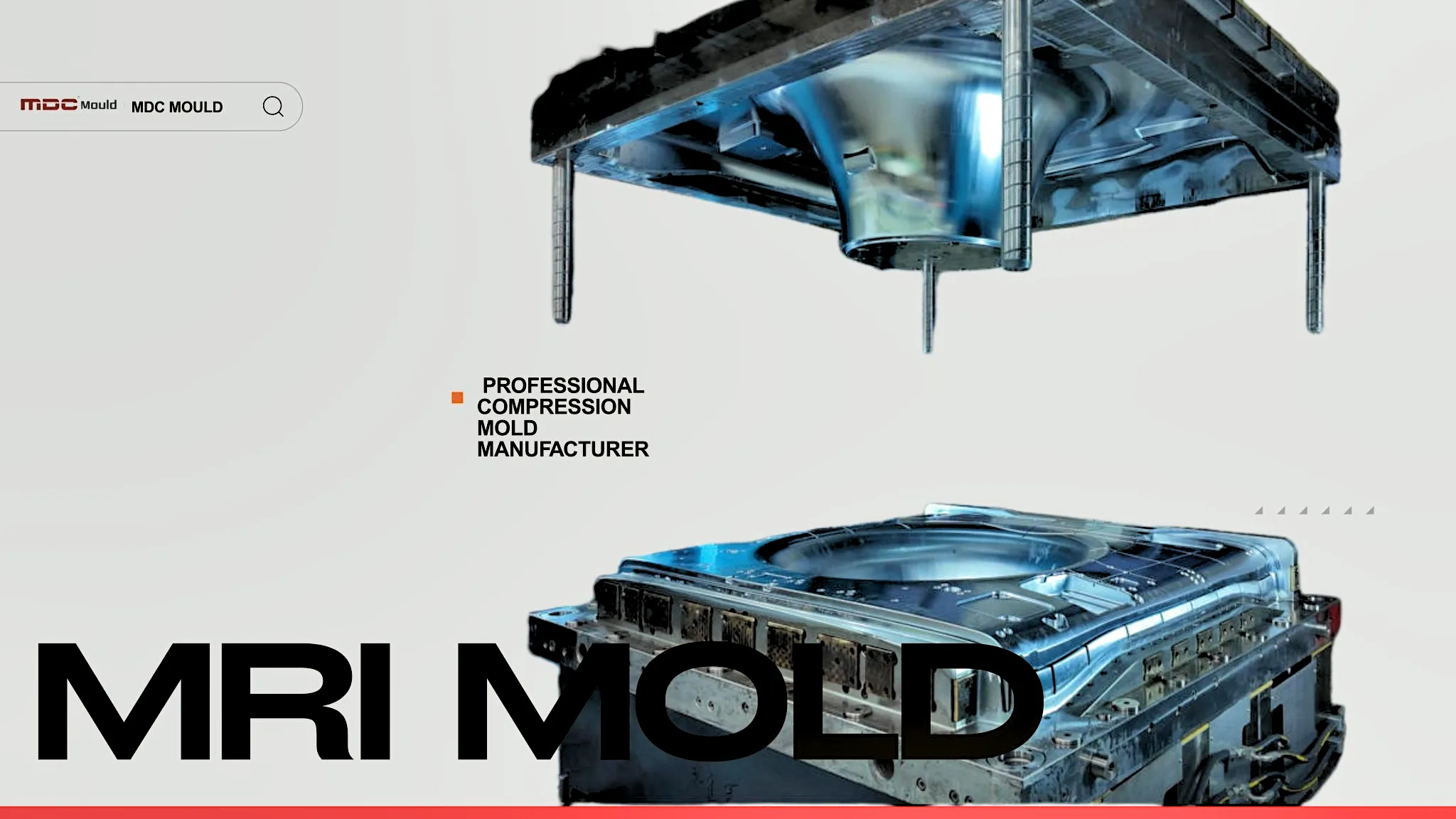
MRI mold

How Preventive Maintenance Extends Tool Life

Even the most advanced mold engineering cannot eliminate the need for preventive maintenance.

Rather than waiting for quality issues to appear, successful manufacturers implement proactive maintenance schedules that include:

  • Cavity surface inspection
  • Venting system cleaning
  • Guide system verification
  • Wear plate inspection
  • Heating system evaluation
  • Periodic polishing and repair

Preventive maintenance significantly reduces unexpected downtime and helps maintain consistent part quality throughout the mold’s service life.

What Determines Whether an SMC Mold Lasts 100,000 or 1,000,000 Cycles?

The difference between a mold that requires major refurbishment after 100,000 cycles and one that successfully exceeds 1,000,000 cycles rarely comes down to a single factor.

Long-term tooling durability is determined by the combined influence of:

  • Glass fiber abrasion resistance
  • Thermal fatigue management
  • Shear edge protection
  • Venting performance
  • Surface engineering quality
  • Structural rigidity
  • Preventive maintenance practices

When these factors are addressed during the design and manufacturing stages, tooling can achieve significantly longer service life while maintaining production efficiency and part quality.

MDC’s Approach to Long-Life SMC Mold Engineering

As a professional SMC mold manufacturer, MDC focuses on engineering solutions that maximize mold durability and production stability.

Our development process integrates:

  • DFM analysis
  • Material flow simulation
  • Thermal analysis
  • Structural rigidity evaluation
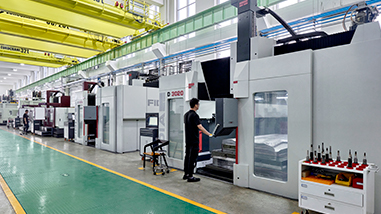
  • High-speed CNC machining
  • Precision polishing
  • Hard chrome plating
  • Comprehensive mold testing

By combining advanced engineering with strict manufacturing standards, MDC helps customers achieve longer tool life, lower maintenance costs, and more reliable composite part production.

Conclusion

Premature mold failure is rarely the result of a single defect. Instead, it develops through the combined effects of abrasion, thermal fatigue, alignment issues, venting deterioration, and insufficient surface protection.

Manufacturers that understand these failure mechanisms can make better tooling decisions and significantly improve the lifetime value of their investments. For demanding automotive, EV, infrastructure, and industrial applications, advanced SMC mold engineering remains the foundation of long-term manufacturing success.

SMC Top Panel Technology: Mastering Class A Surfaces for Large EV Parts

Precision SMC top panel molds for large EV exteriors. Achieve Class A surface quality and 30% weight reduction with expert compression tooling from MDC Mould.

As the automotive industry accelerates toward lightweight engineering, large integrated structures, and high-efficiency manufacturingSMC top panel mould technology has become a key solution for producing large automotive exterior panels. Leveraging the advantages of compression moulding, manufacturers can efficiently form large flat-panel composite components with superior performance.

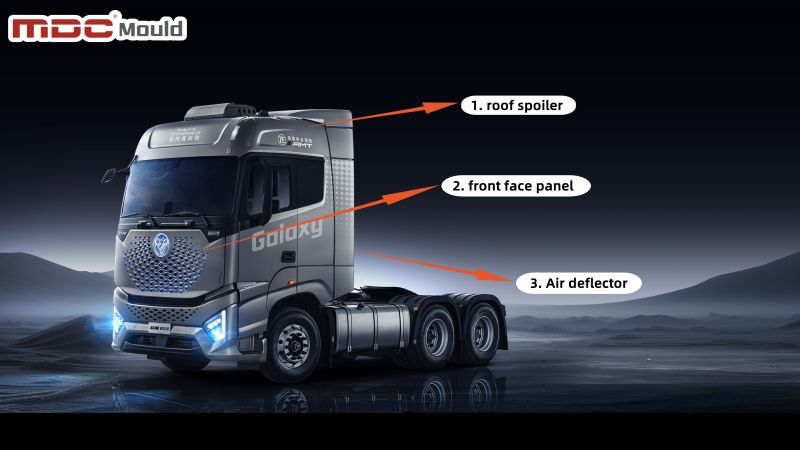
Components such as vehicle roof panels, front panels, and body covers require high dimensional accuracy, excellent surface quality, and structural strength. With SMC (Sheet Molding Compound), these requirements can be achieved while maintaining lightweight and cost-effective production.

MDC Mould has established strong cooperation with global automotive manufacturers, delivering advanced top panel mould solutions from concept design to final production.

What is an SMC Top Panel Mould?

An SMC top panel mould is a specialized compression mould used to manufacture large automotive panels such as roof panels and exterior covers. It is designed to process SMC composite materials under controlled temperature and pressure conditions.

Compared with traditional metal forming, SMC mould technology offers:

  • Lightweight composite structures
  • High strength and impact resistance
  • Excellent corrosion resistance
  • Class A surface finish for exterior applications

Why Compression Moulding is Ideal for Large Automotive Panels

Compression moulding is widely recognized as the optimal process for producing large flat-panel products, making it ideal for automotive top panel mould applications.

1. Superior Surface Quality

SMC materials enable smooth, paint-ready surfaces that meet automotive Class A standards.

2. Lightweight and High Strength

Compared to steel panels, SMC parts significantly reduce vehicle weight while maintaining excellent mechanical performance.

3. Complex Structure Integration

Features such as ribs, reinforcements, and mounting points can be integrated directly into the moulded panel, reducing assembly steps.

4. High Efficiency Production

Once developed, SMC top panel moulds support consistent, high-volume manufacturing with reduced cycle times.

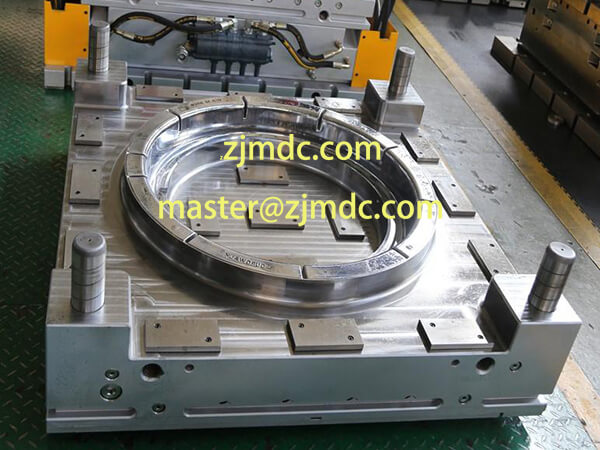
SMC Top Panel mold

MDC Mould Capabilities in SMC Top Panel Mould Projects

MDC Mould has extensive experience in delivering SMC top panel mould solutions for various automotive applications, including both domestic and international OEM projects.

Full Process Support

  • Concept design and feasibility analysis
  • CAE simulation and optimization
  • Precision mould design and manufacturing
  • Trial production and validation

Advanced Tooling Technology

With high-precision CNC machining and strict quality control, MDC ensures:

  • High dimensional accuracy
  • Excellent surface finishing
  • Long mould service life

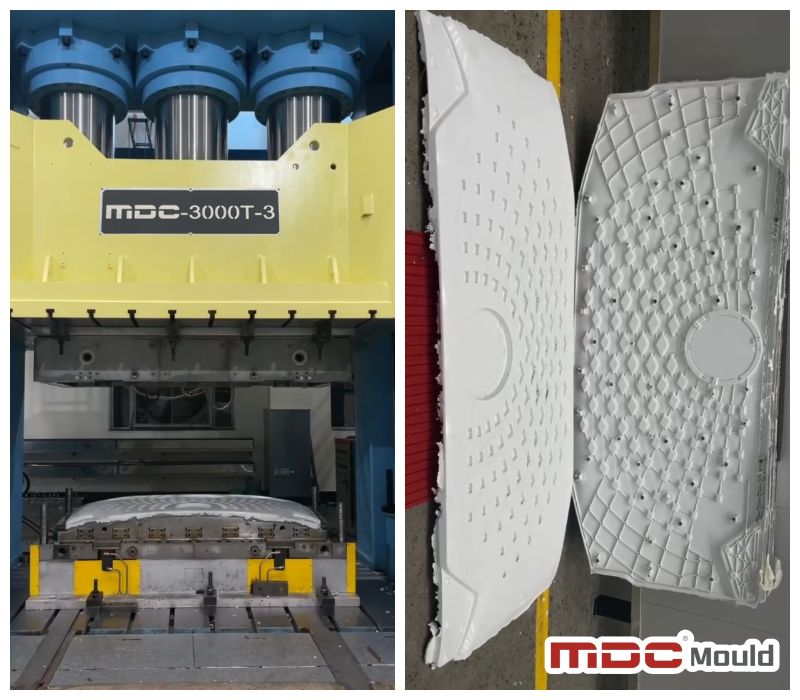
Large-Scale Capability: 4000T Compression Moulding Machine

A key advantage of MDC is its large-tonnage compression moulding capability. Equipped with a 4000T press machine, MDC supports:

  • Full-size automotive panel production
  • Large SMC top panel mould trials
  • Complex composite structure validation

Maximum supported part size:

  • Up to 3,500 × 3,200 mm

This ensures reliable full-scale testing and process optimization before mass production.

Key Design Considerations for Top Panel Moulds

Designing a high-performance top panel mould requires careful control of multiple engineering factors:

  • Temperature control system: Ensures proper curing of SMC materials
  • Uniform pressure distribution: Prevents defects and ensures part consistency
  • Ventilation design: Eliminates air traps and surface imperfections
  • Surface polishing: Achieves high-quality Class A finish

Applications of SMC Top Panel Moulds

  • Passenger vehicle roof panels
  • Commercial vehicle exterior panels
  • Electric vehicle (EV) body components
  • Truck and bus composite structures

As the demand for lightweight automotive solutions continues to rise, SMC top panel mould technology plays a critical role in modern vehicle design.

Future Trends in Automotive Composite Moulding

  • Advanced lightweight composite materials
  • Integration of multifunctional components
  • Smart manufacturing and automation
  • Sustainable and recyclable SMC materials

These trends highlight the increasing importance of compression moulding and composite tooling in next-generation automotive manufacturing.

Conclusion: MDC Mould Driving Innovation in Large Panel Moulding

SMC top panel mould technology offers a powerful solution for producing large, lightweight, and high-performance automotive panels. By combining advanced compression moulding processes with precision tooling, manufacturers can achieve superior product quality and efficiency.

With proven expertise, full-service capabilities, and a 4000T large-scale press systemMDC Mould continues to support global automotive manufacturers with high-quality composite mould solutions.

For companies seeking reliable top panel mould and SMC mould solutions, MDC is a trusted partner for innovation and long-term success.

SMC Manhole Cover Moulds: Precision Tooling for Composite Covers

Professional insights into manhole cover mould design, manufacturing, and applications. Learn how precision composite and concrete manhole cover moulds improve load performance, durability, and production efficiency.

As urban infrastructure continues to expand worldwide, the demand for safe, durable, and high-load manhole covers is increasing rapidly. At the core of this development lies the manhole cover mould, a precision-engineered tool that directly determines product strength, dimensional accuracy, surface quality, and long-term reliability.

Whether used for composite, FRP, or concrete manhole covers, a high-quality manhole cover mould is essential for meeting modern load standards, improving production efficiency, and reducing lifecycle costs.

What Is a Manhole Cover Mould?

manhole cover mould is a specialized manufacturing tool designed to form manhole covers under controlled pressure, temperature, and curing conditions. It defines the final geometry, surface pattern, and structural performance of the cover.

Depending on the material system and production process, manhole cover moulds can be designed for:

  • Composite manhole covers (SMC, BMC, FRP)
  • Polymer concrete manhole covers
  • Traditional concrete manhole covers
manhole cover mould

Market Shift Toward Composite Manhole Covers

Traditional cast iron and concrete manhole covers are increasingly being replaced by composite alternatives due to several limitations, including heavy weight, corrosion risks, and high transportation costs.

Composite manhole covers manufactured using compression molding offer significant advantages:

  • Lightweight with high load-bearing capacity
  • Excellent corrosion and chemical resistance
  • Non-conductive and anti-theft properties
  • Stable quality and repeatable production

To fully realize these benefits, manufacturers rely on precision-engineered composite manhole cover moulds.

Key Design Features of a High-Quality Manhole Cover Mould

1. Load Performance and Structural Integrity

Manhole covers must comply with international standards such as EN124 (A15, B125, C250, D400). A professional manhole cover mould ensures:

  • Uniform material flow and thickness distribution
  • Reinforced load-bearing zones
  • Elimination of internal voids and weak points

2. Surface Texture and Anti-Slip Patterns

Surface design is both a safety and branding element. Advanced manhole cover moulds integrate:

  • Anti-slip textures compliant with safety standards
  • Customized logos, text, and identification marks
  • Durable surface finishes for long-term use

3. Dimensional Accuracy and Interchangeability

High-precision machining ensures consistent dimensions across production batches, enabling:

  • Perfect fit between cover and frame
  • Easy installation and replacement
  • Reduced maintenance costs
Moulding Equipment

Manhole Cover Mould Types and Manufacturing Processes

Compression Moulds for Composite Manhole Covers

Compression molding is the most widely used process for composite manhole covers. A typical compression manhole cover mould includes:

  • Upper and lower mould halves
  • Integrated heating systems for controlled curing
  • Vent structures to release trapped air

Compression moulds are especially suitable for SMC and BMC materials, offering high productivity and consistent quality.

Concrete and Polymer Concrete Manhole Cover Moulds

Concrete-based manhole cover moulds are designed to withstand:

  • Repeated vibration and compaction forces
  • Abrasive materials
  • Long production cycles

Robust mould structures and wear-resistant materials are essential for extended mould life.

Manufacturing Expertise at MDC Mould

At MDC Mould, we focus on the engineering and manufacturing of high-performance manhole cover moulds for global infrastructure projects.

  • High-precision CNC machining
  • Optimized mould structure and heat treatment
  • Advanced surface texturing technology
  • Strict quality inspection and trial production

Each manhole cover mould is developed to ensure stable production, excellent surface quality, and long service life.

Long-Term Value of a Precision Manhole Cover Mould

A well-designed manhole cover mould is a long-term production asset rather than a short-term tool. High-quality moulds deliver:

  • Lower defect rates
  • Reduced maintenance and downtime
  • Stable performance over thousands of cycles
  • Lower total manufacturing cost

Conclusion: Precision Tooling Builds Reliable Infrastructure

As infrastructure standards continue to rise, the importance of a reliable and precise manhole cover mould becomes increasingly clear. From composite to concrete applications, mould quality directly defines product performance and lifecycle value.

MDC Mould remains committed to providing professional, durable, and customized manhole cover mould solutions, supporting manufacturers worldwide in building safer and more sustainable infrastructure systems.

Medical Compression Molding: Precision SMC Moulds for Device Housings

Professional medical compression molding solutions using SMC mould technology. MDC provides high-precision medical compression molds for MRI, CT scanners, and medical device housings.

Medical compression molding is an advanced manufacturing process that utilizes precisely controlled heat and pressure to shape composite materials within a closed mold cavity. This process ensures excellent dimensional accuracy, surface quality, and mechanical performance, making it particularly suitable for the medical industry, where reliability, safety, and consistency are critical.

At MDC, medical compression molding is widely applied to the production of large medical equipment housingscomplex structural components, and custom-shaped medical parts. These products are commonly used in hospitals, clinics, research institutions, and advanced medical equipment manufacturing facilities worldwide.

Consistent Quality Through Professional Engineering and Inspection

The superior quality of MDC’s medical compression molding products is ensured by a dedicated team of professional engineers and quality inspectors. Each production stage is strictly controlled, from raw material selection and formulation to molding process optimization and final product inspection.

By implementing standardized quality management procedures, MDC guarantees:

  • Stable and repeatable molding performance
  • Excellent surface finish and dimensional accuracy
  • High structural strength and durability
  • Compliance with medical industry requirements
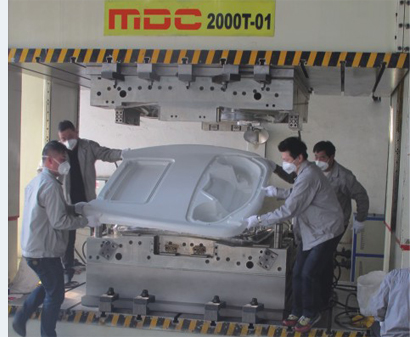
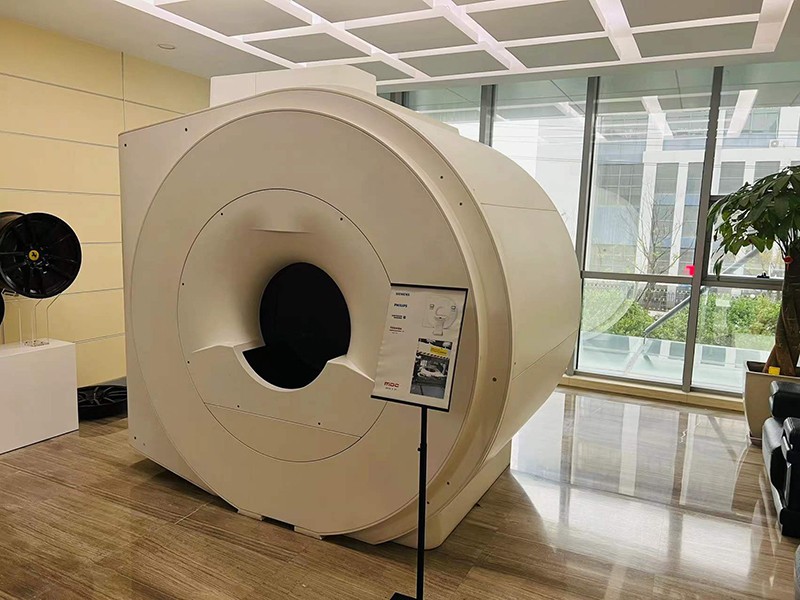
MRI shell mould

SMC Mould Technology for Medical Applications

SMC mould (Sheet Molding Compound mould) is a specialized type of composite mould widely used in medical compression molding. SMC materials offer outstanding advantages, including high strength-to-weight ratio, corrosion resistance, electrical insulation, and design flexibility.

MDC provides a wide range of SMC medical moulds tailored to customer specifications. Leveraging advanced composite molding technology, MDC continuously develops innovative solutions to support the growing demand for lightweight, durable, and aesthetically refined medical components.

Medical Mould Steel Selection: Carbon Steel vs. Stainless Steel

In medical compression molding, the selection of mold steel plays a crucial role in performance and service life. MDC offers two primary mold steel options for SMC medical moulds:

Carbon Steel Medical Moulds

Carbon steel is typically used for general medical products that require high strength, rigidity, and cost efficiency. It is suitable for stable indoor environments where corrosion resistance is not a primary concern.

Stainless Steel Medical Moulds

Stainless steel medical moulds are designed for applications that demand high corrosion resistance, cleanliness, and biocompatibility. They are ideal for medical components exposed to frequent cleaning, chemical disinfectants, or strict hygiene standards.

The choice between carbon steel and stainless steel is determined based on the user’s operating environment, regulatory requirements, and expected service conditions.

Typical Applications of Medical Compression Molding

MDC’s medical compression molding solutions are widely applied in advanced diagnostic and treatment equipment, including:

  • Front end cover of MRI machines
  • Rear end cover of MRI machines
  • CT scanner front end covers
  • Structural components of medical devices

These components require excellent mechanical stability, smooth surface quality, and precise dimensional control, all of which are achieved through optimized SMC compression molding processes.

Why Choose MDC for Medical Compression Molding?

With extensive experience in medical compression molds and SMC mould manufacturing, MDC provides reliable, customized, and future-oriented solutions for the medical industry. Our commitment to engineering excellence and continuous innovation ensures that every mold meets the highest standards of performance, durability, and quality.

As medical technology continues to evolve, MDC will continue to expand its composite molding capabilities to support next-generation medical devices and healthcare solutions.

SMC Electrical Connector Moulds: Precision Tooling for Power Systems

MDC Mould specializes in SMC electrical connector moulds and thermosetting moulding solutions for the global electrical industry, offering high-precision, durable, and reliable compression mould tooling.

As the global electrical industry continues to advance toward higher power density, improved safety, and long-term reliability, the demand for precision electrical connector components has increased significantly. At the core of these components lies a critical manufacturing element — the electrical connector mould.

As an important supplier to the electrical industry, MDC has provided a wide range of SMC electrical connector moulds and thermosetting compression mould solutions to customers worldwide. MDC’s extensive experience in SMC mould manufacturing is the foundation of its success in producing high-precision electrical connector tooling.

The Importance of Electrical Connectors in Modern Electrical Systems

Electrical connectors play a vital role in power transmission, signal control, and electrical safety. They are widely used in:

  • Power distribution and switchgear systems
  • Industrial automation and control cabinets
  • Electrical enclosures and insulation components
  • New energy and infrastructure electrical equipment

These applications require connectors capable of withstanding high temperatures, high voltage, mechanical stress, and long service cycles. As a result, both material selection and mould precision are critical to overall product performance.

electrical connector mold

Why Thermosetting Moulding Is Essential for Electrical Connectors

Thermosetting moulding is a key manufacturing process used in the production of electrical connectors. Unlike thermoplastic materials, thermosetting materials undergo irreversible cross-linking during curing, providing superior thermal and electrical properties.

Advantages of Thermosetting Materials

Thermosetting materials commonly used in electrical connectors include:

These materials offer:

  • Excellent heat resistance and dimensional stability
  • Outstanding electrical insulation performance
  • Superior flame retardancy
  • High mechanical strength and durability
  • Resistance to moisture, aging, and chemicals

Due to these properties, thermosetting moulding is indispensable in safety-critical areas of the electronics and electrical industry.

MDC’s Expertise in SMC Electrical Connector Mould Manufacturing

MDC Mould has accumulated rich manufacturing and processing experience in SMC electrical connector moulds. This expertise enables MDC to deliver tooling solutions that ensure stable mass production, consistent quality, and long mould service life.

In addition to SMC, MDC applies a variety of electrical connector materials in actual production, including:

  • PPS (Polyphenylene Sulfide)
  • LCP (Liquid Crystal Polymer)
  • Polyester-based compounds
  • Classic thermosetting materials such as phenolic and epoxy resins

By deeply understanding material flow behavior, curing characteristics, and thermal requirements, MDC optimizes mould structure and processing parameters for each application.

Precision Engineering for Electrical Connector Moulds

High-quality electrical connectors begin with precision mould engineering. MDC integrates advanced design concepts with high-accuracy manufacturing to ensure each electrical mould meets strict industry requirements.

Key Engineering Features

  • High dimensional accuracy for complex connector geometries
  • Optimized material flow and gate design
  • Uniform heating and curing control
  • Smooth surface finish to improve insulation reliability
  • Stable demoulding performance for high-volume production

Through precision CNC machining, strict inspection processes, and experienced assembly, MDC electrical connector moulds deliver reliable and repeatable production performance.

connection box mold

Advantages of MDC Electrical Connector Moulds

Compared with conventional tooling solutions, MDC’s SMC electrical connector moulds provide:

  • High product consistency in mass production
  • Improved electrical safety and insulation quality
  • Lower defect rates and reduced scrap costs
  • Excellent resistance to thermal and mechanical fatigue
  • Lower long-term maintenance and tooling costs

Applications in the Global Electrical Industry

MDC electrical connector moulds are widely used for manufacturing:

  • Electrical connectors and terminals
  • Insulation components
  • Switchgear and breaker parts
  • Industrial electrical interfaces
  • Customized thermosetting electrical components

MDC supports both standardized and customized connector mould solutions to meet diverse global market requirements.

Conclusion

With the increasing demand for safety, precision, and durability in electrical systems, SMC electrical connector moulds play a critical role in modern manufacturing.

Through advanced thermosetting moulding technology, deep material expertise, and precision engineering, MDC Mould continues to provide reliable electrical mould solutions for the global electrical industry.

For manufacturers seeking long-term stability and high-quality mass production, MDC’s electrical connector moulds represent a proven and future-ready solution.

Low-Altitude Transportation Strategy: Opportunities for Composite Tooling and SMC Molds

China has upgraded low-altitude transportation to a national strategy. Discover how MDC’s SMC mold, BMC mold, compression mold, and composite tooling solutions support eVTOL, drones, and urban air mobility.

Introduction: A Strategic Leap for Low-Altitude Transportation

In September 2024, China took a decisive step by elevating low-altitude transportation from local pilot programs to a core element of its national transportation strategy. For industries engaged in lightweight, high-strength materials, particularly the composite mold and thermoset mold sector, this policy marks a milestone. The growing demand for eVTOLs (electric vertical take-off and landing aircraft), logistics drones, and emergency rescue vehicles has set the stage for a new era of urban air mobility (UAM).

From Pilot Programs to National Strategy

The Guideline for Pilot Applications of the Transport Powerhouse Initiative (2025) released by the Ministry of Transport officially included “Promoting High-Quality Development of Low-Altitude Transportation” in its 16 priority domains. This framework outlined specific routes for industrial application, urban planning, and regulatory mechanisms. It is no longer a fragmented experiment but a comprehensive national push, supported by clear timelines and measurable objectives.

Global Perspective: eVTOL Competition Heats Up

Worldwide, countries are investing heavily in eVTOL and drone technology. The United States has Joby Aviation and Archer Aviation advancing FAA certifications; Europe is promoting Volocopter and Lilium with EASA pathways; Japan and South Korea are piloting air taxi networks in metropolitan areas. China’s inclusion of low-altitude transport in its national plan not only aligns with this global race but accelerates domestic players’ ability to scale production, foster supply chains, and expand international competitiveness.

Low-Altitude Transportation Strategy

Composite Materials: The Core Enabler

Low-altitude aircraft demand materials with a combination of lightweight properties, high strength, durability, and resistance to fatigue. Traditional metals cannot meet these standards, which is why composite solutions dominate the sector:

  • Carbon Fiber Composites: Essential for load-bearing structures, with usage reaching 60%-70% of eVTOL total weight.
  • SMC (Sheet Molding Compound) Molds: Provide fast-cycle molding for body panels, hatches, and structural shells.
  • BMC (Bulk Molding Compound) Molds: Used for precision electrical housings and heat-resistant components in propulsion systems.
  • Thermoset Molds: Enable high-temperature resistance and flame-retardant properties, critical for safety certifications.
  • Compression Molds: Ensure cost-effective mass production of large, complex parts while maintaining structural integrity.

MDC Mould, as a trusted composite mold manufacturer, provides advanced tooling for these processes, ensuring that parts meet aviation-level quality and consistency.

Technical Challenges and Mold Solutions

The rise of low-altitude mobility brings challenges in fatigue resistance, crash safety, fire resistance, and cost efficiency. Composite mold solutions directly address these:

  • Fatigue and Impact Resistance: MDC’s carbon fiber compression molds enable lightweight yet crashworthy structures.
  • Fire Safety: Thermoset molds for phenolic resin composites pass FAR 25.853 flame-retardant standards for aviation interiors.
  • Efficiency: Automated molding systems reduce cycle times by 40%, aligning with the fast growth of drone and eVTOL fleets.
  • Design Flexibility: Multi-cavity SMC molds provide scalable production for logistics drone components and air taxi interiors.

Market Outlook: A Trillion-Yuan Industry by 2030

According to industry forecasts, by 2030, China’s low-altitude transportation market may exceed 1.5 trillion RMB, with composite material applications surpassing 100 billion RMB. The key growth drivers include:

  1. Urban Air Mobility: eVTOL fleets could exceed 5,000 units domestically by 2027, creating massive demand for composite fuselage and wing molds.
  2. Logistics Drones: Large-scale deployment by courier giants will drive demand for cost-effective GFRP (glass fiber reinforced plastic) molds.
  3. Emergency Rescue Systems: Fire-retardant and impact-resistant thermoset composites will be essential in public safety and military-civilian integration projects.

MDC Mould’s Role in the Low-Altitude Economy

As a leading manufacturer of SMC molds, BMC molds, compression molds, and composite tooling, MDC Mould plays a pivotal role in enabling lightweight transportation solutions. Our expertise extends from tooling design to trial molding, ensuring clients can move seamlessly from prototype to mass production. By supporting global partners in automotive, aerospace, and industrial applications, MDC is strategically positioned to fuel the growth of China’s low-altitude economy.

Future Outlook: Building an Integrated Ecosystem

The success of low-altitude transportation will depend on integrated innovation. Composite mold suppliers like MDC must go beyond tooling to collaborate with aircraft manufacturers, simulation providers, and certification bodies. By building alliances and investing in next-generation materials such as thermoplastic composites and nano-enhanced fibers, MDC aims to stay ahead of industry transformation.

Conclusion

The elevation of low-altitude transportation to a national strategic level is more than a policy milestone—it is a call to action for the composite industry. With decades of expertise in compression moldsSMC moldsBMC molds, and thermoset tooling, MDC Mould stands ready to empower the eVTOL and drone revolution. The future of urban air mobility depends not only on visionary aircraft designs but also on the precision and reliability of the molds that make them possible.

SMC Tool: Precision Molds for High-Performance Composite Manufacturing

Explore the design, materials, applications, and advantages of SMC tools in composite molding. Learn how precision SMC molds drive efficiency and quality in thermoset part production.

The SMC tool plays a critical role in the manufacturing of advanced thermoset composite components. Specifically designed for use in the Sheet Molding Compound (SMC) process, these high-precision tools—also known as SMC molds or SMC tooling—enable mass production of lightweight, durable, and complex-shaped parts used across automotive, electrical, and industrial sectors.

What Is an SMC Tool?

An SMC tool is a custom-designed mold used in the compression molding process of fiber-reinforced thermoset materials, primarily SMC. These tools are engineered to form and cure a pre-cut charge of SMC material into a finished component under high pressure and temperature. The precision of the tooling directly affects the surface finish, dimensional accuracy, and mechanical performance of the final part.

Materials and Construction of SMC Molds

SMC tools are typically constructed from high-grade tool steel or aluminum, depending on the application and production volume. Common features of an SMC mold include:

  • Core and Cavity: Precisely machined surfaces that define the shape of the part.
  • Heated Platens: Used to maintain molding temperatures typically between 130°C and 160°C.
  • Ejection System: Ejector pins or air ejectors facilitate smooth part removal after curing.
  • Vacuum System: Removes trapped air to prevent voids and improve surface finish.
  • Cooling Channels: Allow for cycle time optimization and dimensional stability.

Advanced SMC tooling may also integrate surface textures, inserts, or multi-cavity configurations for high-volume production.

SMC moulding

Applications of SMC Tooling

SMC tools are widely used across several industries that demand high-performance composite parts:

  • Automotive: Battery enclosures, inner roofs, trunk boards, spoilers, and structural reinforcements.
  • Electrical: Cable trays, switchgear panels, insulation covers, junction boxes.
  • Sanitary: Bathtubs, shower trays, SMC bathrooms, and ceiling panels.
  • Water Storage: SMC water tanks and sectional panel molds.
  • Infrastructure: Manhole covers, gratings, and architectural components.

Advantages of Using SMC Tools

High-quality SMC tooling offers a variety of benefits for manufacturers:

  • High Repeatability: Allows for consistent part production with tight tolerances.
  • Fast Cycle Times: Optimized mold design ensures shorter curing durations and increased output.
  • Surface Finish Control: Tools can be polished or textured to meet Class A surface requirements.
  • Complex Geometry: Supports undercuts, ribs, and inserts for functional part integration.
  • Durability: Steel tooling can sustain hundreds of thousands of molding cycles with minimal wear.

SMC Molding Process Using SMC Tool

The compression molding process using an SMC tool generally follows these steps:

  1. Material Loading: A pre-weighed SMC charge is placed in the open mold cavity.
  2. Mold Closing: The mold closes under high pressure (500–2000 tons depending on part size).
  3. Compression & Curing: Heat and pressure cause the material to flow and cure in the mold (typically 2–5 minutes).
  4. Part Ejection: The mold opens and the cured part is removed by ejector pins or vacuum assistance.

This method ensures minimal material waste and excellent mechanical properties, particularly in load-bearing applications.

SMC Tool Design Considerations

Precision mold design is essential to achieving optimal part quality. Important considerations include:

  • Flow Simulation: Helps predict how the SMC material will fill the mold to avoid short shots or weld lines.
  • Parting Line Optimization: Reduces flash and simplifies mold maintenance.
  • Draft Angles: Ensures easy demolding of parts without surface damage.
  • Ventilation: Proper venting prevents trapped air that can cause burn marks or voids.
  • Thermal Control: Uniform temperature distribution minimizes warpage and shrinkage.

Choosing a Reliable SMC Tool Manufacturer

Investing in a high-quality SMC mold begins with selecting the right tooling partner. Look for:

  • Experience: Proven track record in SMC mold design and manufacturing.
  • In-House Engineering: CAD/CAM expertise, flow analysis, and rapid prototyping capabilities.
  • Material Knowledge: Ability to match resins, fillers, and fibers with the appropriate tooling materials.
  • Global Support: Technical service and after-sales support in your region.
  • Certifications: Compliance with ISO, automotive (IATF 16949), or other relevant standards.

Companies like MDC Mould in China are recognized for delivering advanced compression molds and SMC tooling for global composite manufacturers.

Conclusion: The Role of SMC Tools in Modern Composites

As the demand for lightweight, durable, and cost-effective composite components increases, the importance of precision SMC tools continues to grow. Whether you’re producing automotive body panels, structural parts, or electrical enclosures, a well-designed and expertly built SMC mold is essential for efficient production and superior part quality. Investing in reliable SMC tooling means investing in long-term performance, product consistency, and innovation in thermoset composite manufacturing.

Auman Galaxy Truck: Powered by Innovative SMC Molds from MDC Mould

Explore how Zhejiang MDC Mould Co., Ltd. developed innovative SMC molds for Foton Daimler's Auman Galaxy truck, including SMC roof spoiler molds, SMC front face panel molds, and SMC air deflector molds.

The release of the Auman Galaxy truck by Foton Daimler marks a groundbreaking moment in the commercial vehicle industry, blending sleek design with optimal performance. Integral to this innovation is the advanced SMC mold technology provided by Zhejiang MDC Mould Co., Ltd., responsible for manufacturing crucial structural components of the truck.

SMC Molds: Turning Vision into Reality

MDC Mould worked tirelessly to bring this project to life. From the concept stage to serial production, the company created state-of-the-art SMC molds including molds for the SMC roof spoilerSMC front face panel, and SMC air deflector. In just 12 weeks, MDC Mould transformed these components from prototypes to high-quality serial tools.

This achievement not only reflects MDC’s technical expertise but also highlights their commitment to meeting demanding deadlines without compromising quality.

smc mold Auman Galaxy Truck

Understanding SMC Materials in Automotive Manufacturing

Sheet Molding Compound (SMC) is a composite material made from thermosetting resins, glass fibers, and other additives, and is widely used in automotive manufacturing. Its combination of strength, durability, and lightweight properties makes it ideal for vehicle parts that require high performance while reducing weight.

For the Auman Galaxy truck, MDC Mould’s SMC molds were essential in creating parts such as the roof spoilerfront face panel, and air deflector, improving aerodynamics and enhancing the vehicle’s overall efficiency.

Advantages of SMC in Automotive Components

SMC offers several key advantages in the automotive sector:

  • Lightweight: Reduces the overall weight of vehicles, leading to improved fuel efficiency and reduced emissions, which is especially important for electric vehicles like the Auman Galaxy.
  • High Strength: Despite being lightweight, SMC components offer excellent structural integrity, capable of withstanding harsh environmental conditions and mechanical stress.
  • Corrosion Resistance: SMC parts are highly resistant to corrosion, making them ideal for exterior automotive components exposed to the elements.
  • Cost-Effective: SMC’s efficiency in the molding process reduces manufacturing costs while maintaining high product quality.
automotive air conditioner cover mould

Detailed Overview of SMC Molds for the Auman Galaxy Truck

1. SMC Roof Spoiler Mold

The SMC roof spoiler mold provided by MDC Mould was designed with precision, ensuring optimal aerodynamics and a perfect fit. The roof spoiler not only enhances the truck’s sleek appearance but also contributes to improved fuel efficiency by reducing drag.

2. SMC Front Face Panel Mold

The SMC front face panel mold adds a distinctive touch to the truck’s exterior. This component offers both style and function, giving the vehicle a strong front-end appearance while maintaining durability and impact resistance.

3. SMC Air Deflector Mold

The SMC air deflector mold is another critical component manufactured by MDC Mould. It helps in directing airflow smoothly around the truck, reducing air resistance and noise, thereby contributing to a more fuel-efficient and quieter ride.

Rapid Tooling for Urgent Projects

From prototype to serial tool production, MDC Mould completed the development of these molds in just 12 weeks. Their rapid tooling capabilities make them an ideal partner for projects with urgent lead times. This speed doesn’t come at the expense of quality; MDC Mould employs cutting-edge technology to ensure every mold meets strict industry standards.

compression mold

MDC Mould’s Commitment to Quality and Innovation

With years of experience in the automotive mold industry, MDC Mould is a trusted partner for companies looking for high-quality, reliable molds. Their expertise spans across various sectors, including electric vehicles, making them a leader in the development of SMC molds for the next generation of trucks and cars.

MDC Mould’s team is always ready to take on new challenges, providing tailored solutions for every project. Whether you need SMC moldscompression molds, or other composite mold solutions, MDC Mould is equipped to meet your needs with precision and efficiency.

Partner with MDC Mould for Your Next Project

If your project has a tight timeline or specific technical requirements, reach out to MDC Mould for innovative solutions. Their team is committed to delivering high-quality molds on time, ensuring that your production stays on track.

Why SMC Meter Boxes are Preferred Over Metal or Plastic?

Discover why SMC meter boxes are preferred over metal or plastic. Learn about their insulating properties, cost-effectiveness, durability, fire resistance, and thermal stability.

Superior Insulating Properties

One of the most significant advantages of SMC meter boxes over metal counterparts is their excellent insulating properties. Unlike metal, SMC does not conduct electricity. This non-conductive nature provides a crucial safety benefit:

  • Safety: SMC meter boxes do not pose an electrical hazard when touched by a live wire. This reduces the risk of electric shock, making them safer for both installers and end-users.
  • No Grounding Required: Because they are non-conductive, SMC meter boxes do not need to be grounded. This simplifies the installation process, saving both time and money.
meter box mould

Cost-Effectiveness and Ease of Installation

SMC meter boxes offer significant cost advantages over both metal and traditional plastic options. Here’s how:

  • Material Costs: SMC is generally less expensive to produce than metal, and it offers a better performance-to-cost ratio than many plastics.
  • Lightweight: SMC is much lighter than metal, which makes the meter boxes easier to handle and install. This reduces labor costs and minimizes the risk of injury during installation.
  • Ease of Manufacturing: SMC can be molded into complex shapes with high precision, allowing for the integration of various features into a single part, which reduces assembly time and costs.

High Mechanical Strength and Durability

One of the key reasons for the popularity of SMC in meter box manufacturing is its high mechanical strength and durability:

  • Resistance to Stress and Impact: SMC has high tensile strength, meaning it can withstand significant stress without cracking or breaking. This makes it suitable for outdoor applications where it may be exposed to harsh conditions.
  • Long Lifespan: The robust nature of SMC ensures that meter boxes have a long service life, reducing the need for frequent replacements and maintenance.

Fire Resistance and Safety

Fire safety is a critical consideration for any electrical enclosure, and SMC excels in this area:

  • Self-Extinguishing Properties: SMC can be formulated to be self-extinguishing, which means it will not catch fire easily and can prevent the spread of flames in the event of a fire. This property is especially important for electrical applications where the risk of fire is a concern.
  • Thermal Stability: As a thermoset plastic, SMC does not melt at high temperatures. This characteristic enhances the safety and integrity of the meter box in extreme conditions.
SMC Mold

Thermal Stability

In addition to its fire resistance, SMC’s thermal stability provides further benefits:

  • High Temperature Tolerance: SMC mold can withstand high temperatures without deforming or losing its mechanical properties. This makes it ideal for use in environments where it may be exposed to heat.
  • Consistency in Performance: The material’s stability ensures that it maintains its performance characteristics over a wide range of temperatures, providing reliable protection for the electrical components housed within the meter box.

Manufacturing Process of SMC Enclosures

To better understand the advantages of SMC meter boxes, it is helpful to look at the manufacturing process. MDC, a leader in SMC enclosure mold manufacturing, demonstrates the efficiency and precision of this process.

  1. Material Preparation
    • Compounding: SMC is created by combining resin, fillers, and reinforcement materials, such as glass fibers, into a dough-like compound. This mixture is then rolled into sheets.
    • Storage: The SMC sheets are stored and allowed to mature, which helps to achieve the desired consistency and properties for molding.
  2. Molding Process
    • Mold Setup: The matured SMC sheets are placed into a heated mold cavity.
    • Compression Molding: The mold is closed, and heat and pressure are applied. The SMC material flows to fill the mold cavity, taking on the desired shape. This process ensures high precision and the ability to produce complex geometries.
    • Curing: The heat initiates a chemical reaction that cures the SMC, transforming it into a rigid, solid form. The curing process ensures that the molded part has the desired mechanical and physical properties.
  3. Finishing
    • Trimming and Drilling: After molding, the parts may require trimming of excess material and drilling of holes for mounting or other features.
    • Surface Treatment: Depending on the application, the SMC meter boxes may undergo additional surface treatments to enhance their appearance or performance, such as painting or coating.
  4. Quality Control
    • Inspection: Each meter box is inspected for defects and to ensure it meets the required specifications.
    • Testing: Functional tests, such as impact resistance and electrical insulation tests, are conducted to verify the performance of the meter boxes.
SMC enclosure mold

Conclusion

The shift from metal and traditional plastic to SMC for meter box manufacturing is driven by the numerous advantages SMC ( composite mold ) offers. Its superior insulating properties, cost-effectiveness, ease of installation, high mechanical strength, fire resistance, and thermal stability make SMC meter boxes an ideal choice for modern electrical enclosures. The precision and efficiency of the SMC manufacturing process further enhance these benefits, ensuring high-quality, durable products. As a leader in SMC enclosure mold manufacturing, MDC exemplifies the capabilities and advantages of this innovative material, setting a standard for safety, reliability, and performance in the industry.