Mass Production of Carbon Fiber Robot Parts: Precision Molding Solutions

Explore how carbon fiber composites, CF-PEEK materials, and advanced composite molding technologies enable high-performance humanoid robots. Learn about lightweight design, structural strength, and precision manufacturing.

Summary

Advanced carbon fiber composite materials and high-performance thermoplastic composites such as CF-PEEK are the key enablers of modern humanoid robots. These materials provide lightweight structures, exceptional strength, and high precision, allowing robots to perform complex movements with efficiency and stability. Combined with advanced composite mold and compression molding technologies, they form the foundation of next-generation intelligent manufacturing.

Introduction: The Material Revolution Behind Intelligent Robotics

As humanoid robots move toward large-scale commercialization, the demand for lightweight, high-strength, and durable materials is becoming increasingly critical. Behind every agile movement and precise control lies a sophisticated material system.

Modern robots require materials that can simultaneously deliver:

  • High structural strength
  • Low weight for energy efficiency
  • Excellent fatigue resistance
  • Dimensional stability under varying environments

Carbon fiber composites and advanced engineering plastics have emerged as the optimal solution.

Carbon Fiber Composites: The “Structural Backbone” of Robots

Carbon fiber reinforced composites are widely used in robotic frames, arms, and load-bearing structures. These materials combine high tensile strength with low density, making them ideal for dynamic systems.

Key Advantages:

  • Extremely high strength-to-weight ratio
  • Excellent resistance to bending and impact
  • Near-zero thermal expansion for dimensional stability
  • Long service life under cyclic loading

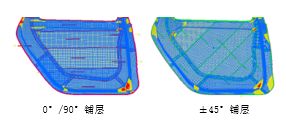
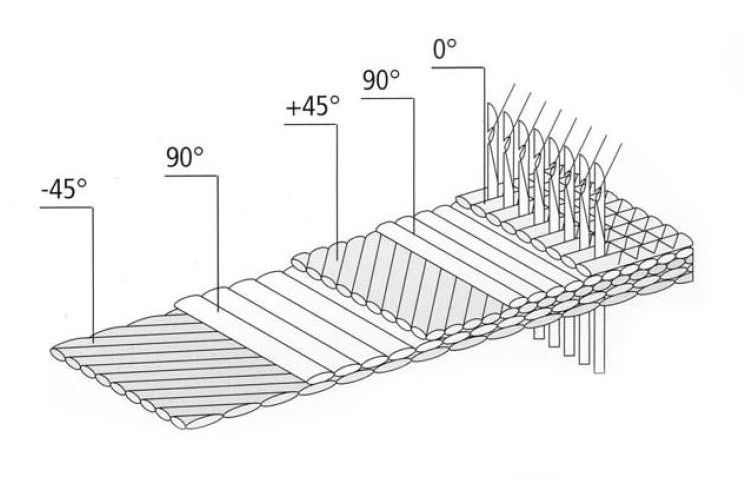
Through advanced carbon fiber molding and compression mold technologies, manufacturers can optimize fiber orientation (e.g., 0°, 45°, 90° layups) to match specific load conditions, ensuring maximum structural efficiency.

robot

CF-PEEK Composites: Precision Materials for Robotic Joints

For robotic joints, where precision and durability are critical, carbon fiber reinforced PEEK (CF-PEEK) offers exceptional performance.

This advanced material combines:

  • Carbon fiber strength
  • PEEK’s wear resistance and thermal stability
  • Outstanding fatigue resistance

CF-PEEK is widely used in bearings, gears, and joint components, enabling:

  • High-precision motion control
  • Reduced friction and wear
  • Long-term reliability under repeated motion

Its ability to operate in extreme environments further enhances robot reliability.

UHMWPE Fiber: Flexible Support for Dynamic Systems

In addition to rigid structures, robots require flexible components such as tendons and protective elements. Ultra-high molecular weight polyethylene (UHMWPE) fibers serve this role effectively.

These fibers provide:

  • High tensile strength
  • Excellent fatigue resistance
  • Lightweight flexibility

They ensure reliable performance in high-frequency motion environments.

Material Testing and Quality Assurance

The performance of advanced composites depends not only on material selection but also on strict testing and quality control.

Key Testing Methods:

  • Tensile and flexural strength testing
  • Fatigue and impact resistance evaluation
  • Non-destructive testing (ultrasonic, thermal imaging)
  • Dimensional accuracy and tolerance verification

These methods ensure that composite materials meet the demanding requirements of high-performance robotic systems.

Role of Composite Mold and Compression Tooling

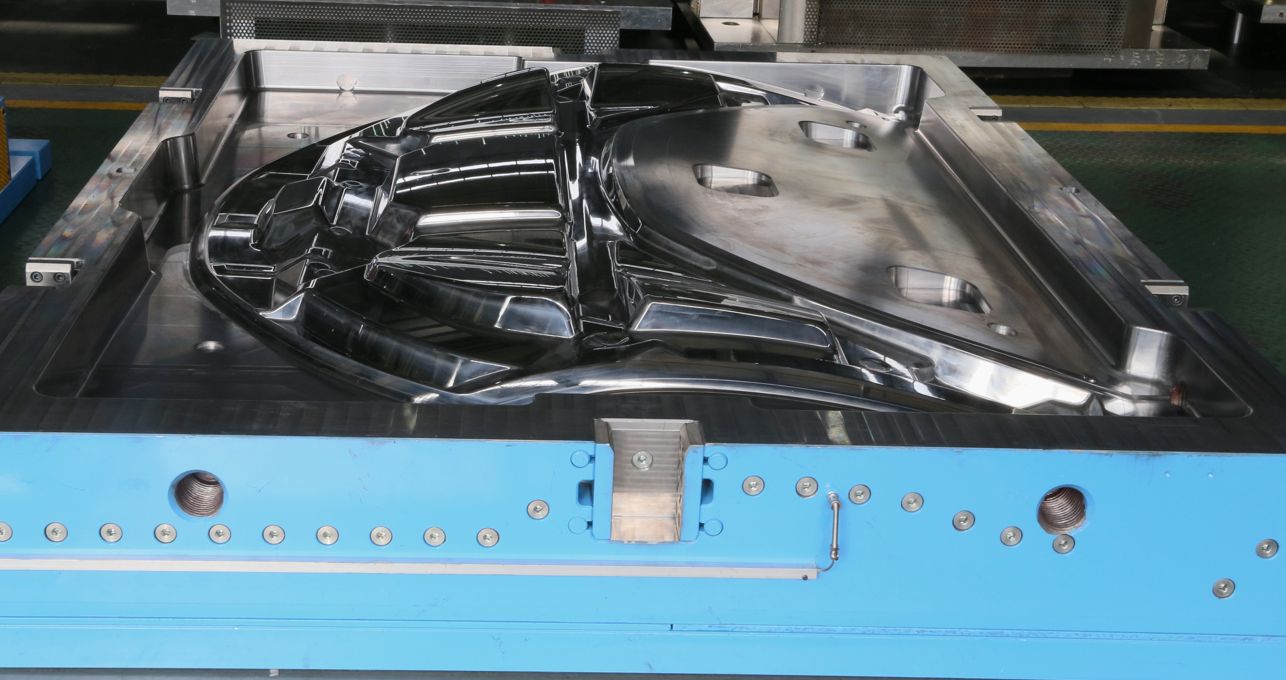
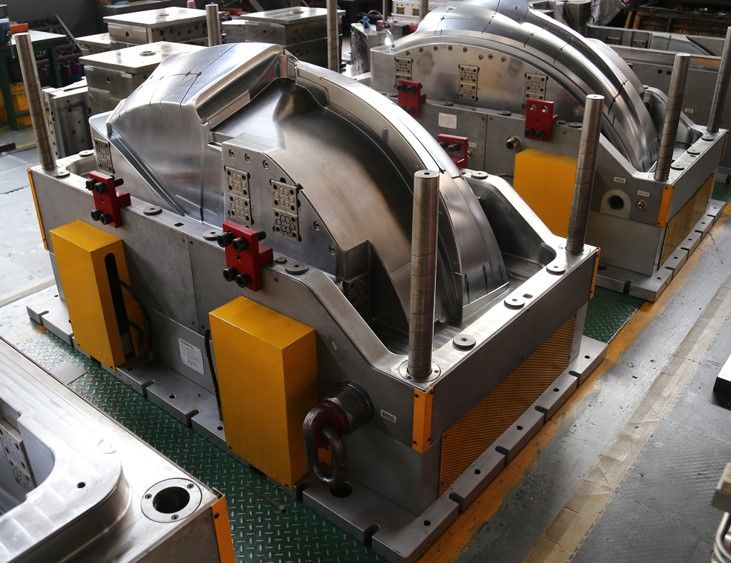
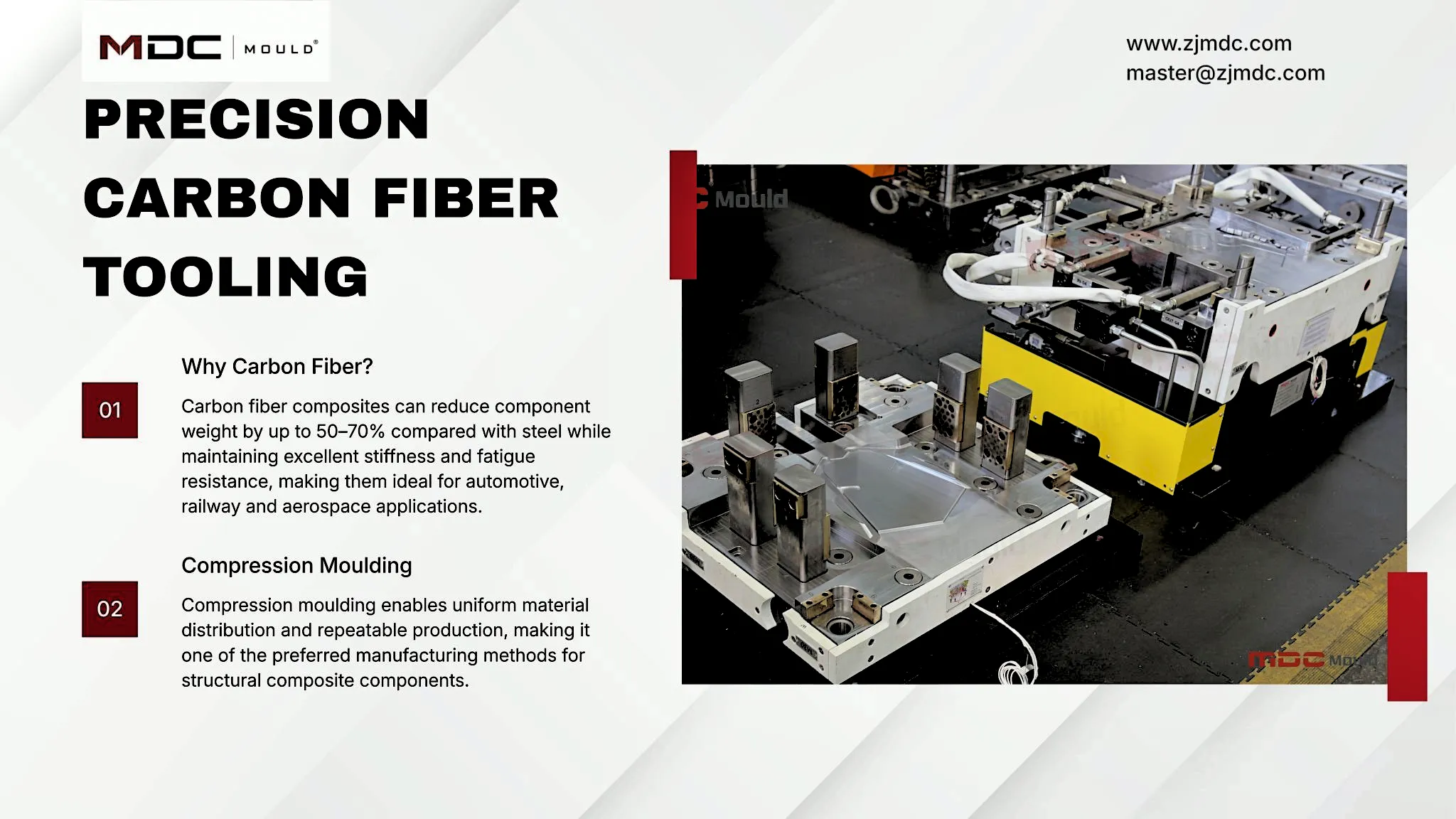
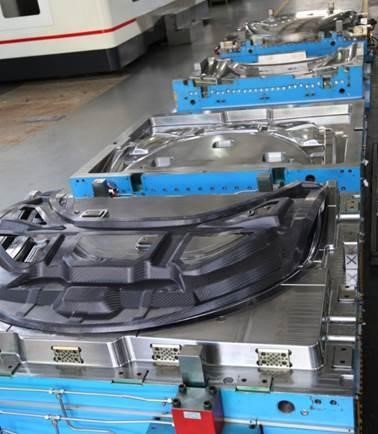
High-performance materials require equally advanced manufacturing processes. Composite molds, including compression molds and carbon fiber tooling systems, play a critical role in achieving:

  • Precise geometry and structural consistency
  • Optimized fiber orientation
  • High surface quality
  • Efficient mass production

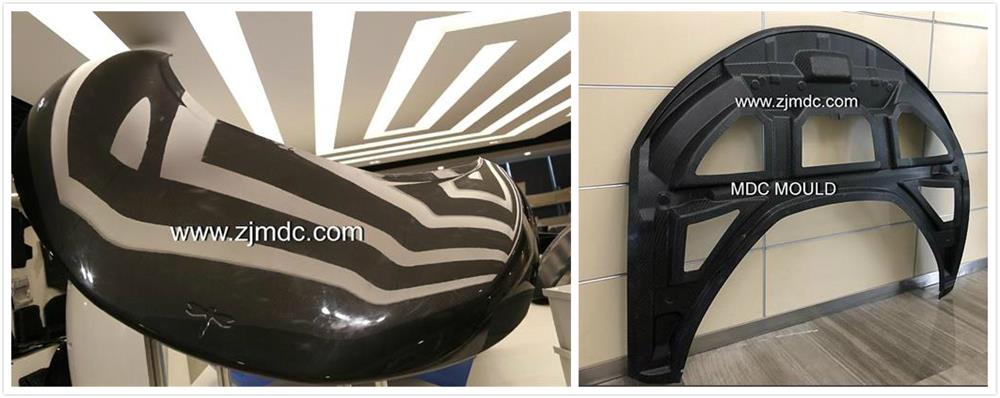
At MDC Mould, advanced tooling solutions support the production of high-performance composite components for robotics and other cutting-edge industries.

Future Outlook: Composite Materials Driving Robotics Innovation

As humanoid robots enter a new stage of commercialization, the demand for advanced composite materials will continue to grow.

Future trends include:

  • Further lightweight optimization
  • Integration of multi-material systems
  • Improved sustainability and recyclability
  • Enhanced precision manufacturing technologies

Composite materials will remain a key driver of innovation in robotics and intelligent manufacturing.

robot2

Frequently Asked Questions (FAQ)

Why are carbon fiber composites used in robots?

Carbon fiber composites provide high strength and low weight, enabling robots to achieve efficient and precise movement.

What is CF-PEEK material?

CF-PEEK is a high-performance composite material combining carbon fiber with PEEK, offering excellent wear resistance and mechanical strength.

What role do molds play in composite manufacturing?

Molds ensure precise shaping, fiber alignment, and consistent quality in composite components.

Conclusion

Carbon fiber composites and advanced thermoplastic materials are transforming the capabilities of humanoid robots. Through the integration of high-performance materials and precision composite mold technologies, manufacturers can achieve lightweight, durable, and highly efficient robotic systems.

As the robotics industry continues to evolve, these materials will remain at the core of innovation, driving the future of intelligent manufacturing worldwide.

Carbon Fiber Manufacturing: Advanced Molding & Precision Mold Technology

Learn how to manufacture carbon fiber parts through advanced carbon fiber molding processes. This article explains carbon fiber mold design, molding technologies.

Carbon fiber has become a core material in modern high-performance manufacturing due to its exceptional strength-to-weight ratio, corrosion resistance, and structural efficiency. From aerospace and automotive to medical and industrial equipment, carbon fiber parts are increasingly replacing traditional metal components.

However, manufacturing high-quality carbon fiber parts is not only about material selection. It requires a deep understanding of carbon fiber molding processes and the use of precision-engineered carbon fiber molds.

Understanding Carbon Fiber as an Engineering Material

Carbon fiber is a high-strength reinforcement material composed of thin carbon filaments. When combined with thermoset or thermoplastic resin systems, it forms carbon fiber reinforced polymer (CFRP) composites.

Key characteristics of carbon fiber include high stiffness, low density, excellent fatigue resistance, and minimal thermal expansion. These properties enable lightweight structural design but also require strict process control during molding.

carbon-fiber

How to Manufacture Carbon Fiber Parts

The manufacturing of carbon fiber parts follows a structured and highly controlled process. Each stage directly influences the final mechanical performance and surface quality.

1. Material Selection and Preparation

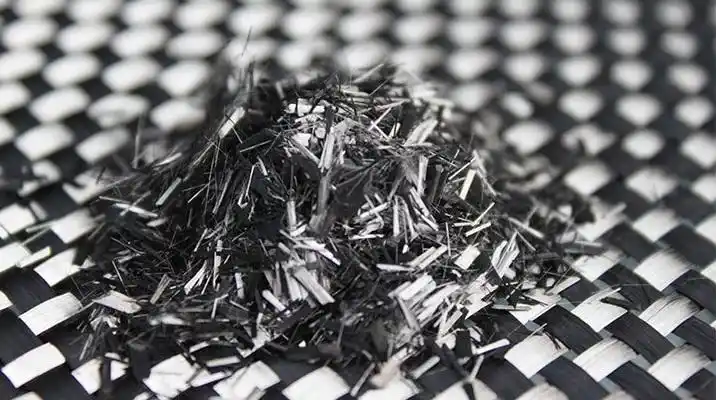
Carbon fiber materials may be supplied as prepregs, dry fabrics, or chopped fiber compounds. Resin systems are selected based on curing temperature, mechanical requirements, and production volume.

2. Layup or Preform Placement

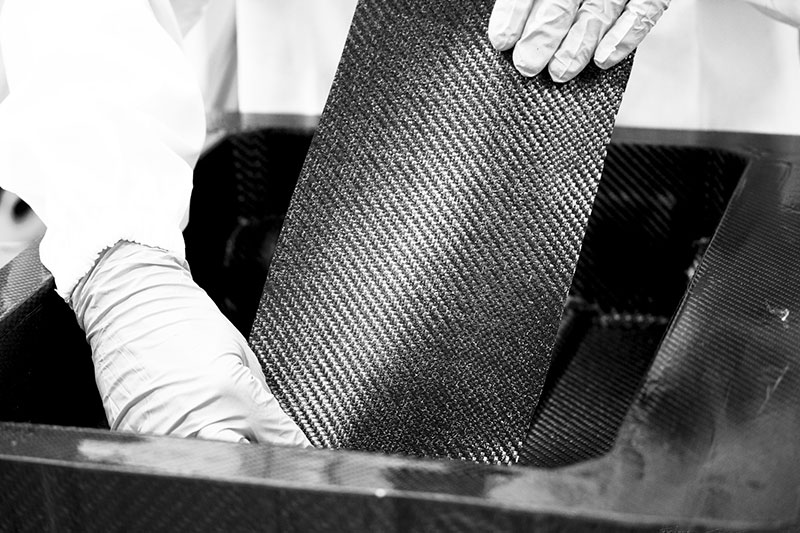
Carbon fiber layers or preforms are placed into the mold cavity according to the designed fiber orientation. Proper layup ensures optimized load paths and consistent structural behavior.

3. Carbon Fiber Molding and Consolidation

During carbon fiber molding, heat and pressure are applied to consolidate the fiber and resin system. This step defines part density, surface finish, and dimensional accuracy.

4. Curing and Cooling

The composite material is cured under controlled temperature and pressure conditions. After curing, a controlled cooling phase minimizes internal stress and deformation.

5. Demoulding and Finishing

Once sufficient strength is achieved, the carbon fiber part is demoulded and may undergo trimming, machining, or surface treatment.

Carbon Fiber Molding Technologies

Several carbon fiber molding technologies are commonly used in industrial production:

Compression Molding

Compression molding is widely applied for medium- and high-volume production. Prepregs or carbon fiber compounds are shaped in heated molds under high pressure, enabling short cycle times and excellent surface quality.

Resin Transfer Molding (RTM)

RTM involves injecting resin into dry carbon fiber preforms inside a closed mold. This method offers good dimensional accuracy and smooth surfaces on both sides of the part.

Vacuum-Assisted Resin Infusion

Vacuum infusion uses negative pressure to draw resin through dry carbon fiber fabrics. It is suitable for large components and lower-volume production.

Autoclave Molding

Autoclave molding provides the highest performance level and is commonly used in aerospace applications. It requires high-temperature carbon fiber molds with excellent thermal stability.

carbon fiber molding

The Role of Carbon Fiber Mold Design

carbon fiber mold is a precision tool designed to withstand repeated thermal cycles and molding pressure. Mold quality directly affects fiber consolidation, resin flow, and surface finish.

Key mold design factors include material selection, heating method, venting layout, surface treatment, and structural rigidity.

Carbon Fiber Mold Materials

  • Steel molds: High durability and long service life for mass production
  • Aluminum molds: Lightweight with fast heating response
  • Composite tooling: Cost-effective for prototypes and low-volume parts

Process Control and Quality Assurance

Stable carbon fiber molding relies on precise control of temperature, pressure, resin viscosity, and curing time. Advanced manufacturers use simulation, sensors, and standardized process windows to ensure repeatability.

Quality inspection methods include dimensional measurement, surface inspection, and non-destructive testing.

Industrial Applications of Carbon Fiber Parts

  • Automotive structural and body components
  • Aerospace interior and functional parts
  • Medical equipment housings
  • Energy and electrical enclosures
  • High-end industrial equipment

Sustainability and Manufacturing Efficiency

Modern carbon fiber manufacturing focuses on improving material utilization, reducing cycle time, and enabling recyclable composite systems. Closed-mold and compression molding technologies support sustainable production goals.

Conclusion

Understanding how to manufacture carbon fiber parts requires a comprehensive view of carbon fiber molding technologies and carbon fiber mold design. Precision tooling and controlled processes are essential for producing high-performance composite components.

For manufacturers specializing in composite tooling, carbon fiber molding represents a key capability supporting next-generation lightweight and high-strength industrial applications.

CFRP vs GFRP: Tensile Strength Analysis of Fiber Reinforced Polymers

Professional tensile strength analysis of carbon fiber and glass fiber composites. Learn how fiber type, layer count, and composite structure affect tensile strength, elastic modulus, and mechanical performance.

Composite materials have become a core foundation in advanced engineering due to their high strength-to-weight ratio, stiffness, corrosion resistance, and adaptability. As industries continue to move toward lightweight structures, the mechanical behavior of carbon fiber composites and glass fiber reinforced polymers (GFRP) has become a primary focus in material selection.

1. Introduction: Why Tensile Strength Matters

Tensile strength and elastic modulus are two of the most critical parameters in evaluating structural performance. In applications across aerospace, automotive, industrial machinery, energy storage, and pressure-resistant structures, the reliability of composite materials depends heavily on fiber type, fiber orientation, and the number of reinforcement layers.

This study focuses on analyzing the mechanical performance of composites made with carbon fiber and glass fiber using standardized ISO-527 tensile testing. The results provide valuable insights into how layer count directly influences the tensile strength and stiffness of composite structures.

carbon fiber

2. Research Methodology: ISO-527 Tensile Test Standards

Tensile tests were performed using ISO-527 specimen standards to ensure consistency and accuracy. Two composite types were evaluated:

  • Continuously reinforced carbon fiber laminates
  • Glass fiber composites made with Chopped Strand Mat (CSM)

All samples were manufactured using a polymer matrix with a 10:1 catalyst ratio to ensure proper curing and replication of industrial production conditions.

3. Key Findings: Layer Count Determines Strength Performance

3.1 Two-Layer Carbon Fiber: The Highest Mechanical Performance

The study found that the composite specimen containing two layers of carbon fiber delivered the best mechanical results:

  • Tensile Strength: 100.76 MPa
  • Maximum Strain: 1.76% (low, indicating high stiffness)
  • Elastic Modulus: 5708.4 MPa

These results confirm that increasing the number of reinforcement layers significantly enhances stiffness, load capacity, and overall tensile performance.

3.2 Single-Layer Carbon Fiber: Lowest Tensile Strength

The lowest mechanical performance was recorded in the specimen containing only one layer of carbon fiber:

  • Tensile Strength: 19.877 MPa

This outcome highlights the limitations of single-layer structural design and demonstrates how inadequate reinforcement reduces mechanical performance.

3.3 Carbon Fiber vs. Glass Fiber: Differences Are Less Significant Than Expected

Prior studies suggest that tensile strength differences between carbon fiber and glass fiber composites may not be dramatic for single-layer materials. However, this research confirms that layer configuration—not fiber type—is the dominant factor in controlling:

  • Tensile strength
  • Elastic modulus
  • Stiffness
  • Load distribution capability

4. Discussion: Why Layer Configuration Matters

The mechanical superiority of the multi-layer carbon fiber composite is attributed to enhanced:

  • Load transfer efficiency across fiber–matrix interfaces
  • Resistance to deformation under tensile force
  • Structural stability and minimized risk of delamination
  • Elastic modulus increase proportional to layer count

These characteristics make multi-layer carbon fiber composites ideal for engineering components where high modulus, strength, and durability are essential.

5. Conclusion: Two-Layer Carbon Fiber Is the Optimal Choice

Based on ISO-527 tensile testing, the results confirm that two-layer carbon fiber laminates provide the highest tensile strength and stiffness. This configuration outperforms single-layer carbon fiber and glass fiber composites in every major mechanical category.

For engineering applications requiring lightweight, high-strength, and dimensionally stable materials—especially in high-demand industrial environments— two-layer carbon fiber composites are the optimal material choice.

Why Carbon Fiber Is the Future of Sports Equipment

Learn the benefits, applications, and how MDC Mould supports high-performance manufacturing through advanced compression tooling and composite mold solutions.

Introduction: Why the Sports Industry Loves Carbon Fiber

From Olympic cycling to high-speed archery, carbon fiber has become the material of choice for performance-driven sports equipment. Known for its light weight, high strength, and fatigue resistance, carbon fiber is transforming how athletes train, compete, and win.

At MDC Mould, we support this revolution by supplying high-precision carbon fiber moldscompression molds, and composite tooling to leading manufacturers of sports equipment in China and abroad.

What Makes Carbon Fiber Special?

Carbon fiber is a composite material made by reinforcing carbon filaments into fabric and infusing it with resin. This structure results in a product that is:

  • 75% lighter than steel but up to 12 times stronger
  • Highly resistant to fatigue, corrosion, and impact
  • Customizable in stiffness, thickness, and layering direction

These properties make carbon fiber ideal for crafting sports equipment where every gram and every vibration matters.

Top Applications in Sports

  • Carbon Fiber Bicycles: Frames as light as 1.15 kg reduce rider fatigue and increase aerodynamic efficiency. Used in Olympic-level competitions.
  • Carbon Fiber Archery Bows: Recurve limbs deliver faster arrow speeds and reduced hand shock, enhancing accuracy and comfort.
  • Tennis Rackets: Improve swing control and reduce joint strain thanks to excellent vibration dampening.
  • Rowing Shells & Poles: Carbon builds offer lower water drag and higher stroke efficiency in competitive rowing.
碳纤维自行车架

Why Manufacturers Trust MDC for Carbon Fiber Tooling

Zhejiang MDC Mould Co., Ltd. specializes in designing and manufacturing SMC/BMC/GMT/Carbon Fiber compression molds tailored for sports equipment production.

We integrate simulation, CNC machining, and vacuum systems into every mold to ensure flawless surface quality, tight tolerances, and reliable demolding—key factors for high-performance carbon fiber parts.

The Market is Growing

According to industry forecasts, the global market for carbon fiber sports equipment is expected to grow at a CAGR of 12% over the next five years. As lightweight performance becomes a standard expectation, the demand for composite molds and compression tooling is also rising.

Whether it’s for professional athletes or consumer-grade equipment, precision-molded carbon fiber parts are becoming the benchmark of quality in modern sports manufacturing.

Challenges and MDC’s Solutions

While carbon fiber offers many benefits, it also comes with production challenges:

  • High processing temperatures and precise pressure control are required during molding
  • Complex shapes demand accurate mold design with proper draft and fiber orientation
  • Demolding can be difficult if molds are not polished and vented correctly

With decades of experience, MDC provides engineered mold solutions that address these issues, offering:

  • Mirror-polished cavities for easier demolding
  • Vacuum-assist systems for improved fiber compaction
  • Temperature-uniform channels to ensure even curing

Conclusion: Lightweight Innovation Starts with the Right Mold

As carbon fiber continues to redefine the limits of sports equipment, manufacturers need trusted partners who can deliver molds with precision, durability, and performance in mind. MDC Mould is proud to be part of this transformation—helping brands bring cutting-edge gear to athletes around the world.

If you’re developing carbon fiber sports products, contact us today to learn how our composite mold and carbon fiber tooling expertise can elevate your next product line.

Everything About 3D Printed Forged Carbon Fiber Mold

Explore process steps, material benefits, design considerations, cost advantages, and when to choose 3D printing for composite tooling.

Table of Contents

Introduction to 3D Printed Forged Carbon Fiber Molds

Forged carbon fiber combines short carbon fibers with resin in a random orientation, resulting in high strength, lightweight properties, and superior impact resistance. Traditionally, molds for forged carbon fiber components required CNC machining from aluminum or steel, which is expensive and time-consuming.

Today, 3D printing technology (additive manufacturing) is transforming composite tooling by enabling rapid prototyping, cost-efficient short runs, and complex geometries that were previously challenging to produce.

Why Choose 3D Printing for Forged Carbon Fiber Molds?

  • Faster Tooling: Reduce lead time from weeks to days.
  • Cost Efficiency: Lower upfront investment compared to CNC-machined metal molds.
  • Complex Designs: Create internal cooling channels, lattice structures, or integrated features.
  • Customization: Perfect for low-volume or custom composite parts.

Manufacturing Process Overview

  1. CAD Design: Design mold geometry with allowances for shrinkage and draft angles.
  2. 3D Printing: Print the mold using high-temperature resin or metal powder.
  3. Post-Processing: Surface finishing, heat treatment, or coating for durability.
  4. Forged Carbon Fiber Layup: Place pre-mixed carbon fiber and resin inside the mold cavity.
  5. Compression Molding: Apply heat and pressure for curing.

Design & Technical Considerations

  • Heat Resistance: Ensure mold material withstands curing temperature (150–180°C typical for thermoset composites).
  • Surface Finish: Apply a smooth coating to avoid fiber imprint and improve release.
  • Structural Strength: Analyze pressure tolerance for compression molding (30–100 bar).
  • Integration: Add channels for heating/cooling where necessary.

Materials & Printing Technologies

Common solutions for 3D printed composite molds include:

  • High-Temp Resin (SLA/DLP): For short-run molds and prototyping.
  • Metal Additive Manufacturing: Steel or Inconel for long-term durability.
  • PEEK/PEKK: High-performance thermoplastics for moderate production runs.
carbon fiber

Cost & Time Comparison

MethodLead TimeApprox. CostBest For
3D Printed Mold3–7 days$1,000–$5,000Prototypes, low-volume
CNC Aluminum Mold3–4 weeks$5,000–$15,000Medium-volume
Steel Mold6–8 weeks$20,000+High-volume production

Applications & Use Cases

  • Automotive interior and structural components
  • Lightweight aerospace parts
  • Sporting goods and high-end consumer products
  • Custom tooling for composite prototyping

Looking for 3D printed forged carbon fiber mold solutions? Contact us today for a free consultation.

FAQ

What is forged carbon fiber?

Forged carbon fiber uses short chopped fibers mixed with resin, offering high strength and lightweight properties without the complex layup of continuous fiber composites.

Can 3D printed molds handle high temperatures?

Yes, when using high-temperature resins or metal additive manufacturing, molds can withstand up to 180°C or more for thermoset composites.

When should I choose 3D printing over CNC machining?

Choose 3D printing for rapid prototypes, complex geometries, and low-volume production where time and cost savings matter.

Carbon Fiber Layup Process: Techniques, Applications, and Benefits

Learn about the Carbon Fiber Layup Process, including hand layup, vacuum bagging, and prepreg methods. Discover its applications in aerospace, automotive, and industrial sectors.

Carbon fiber layup is a crucial process in composite material manufacturing, widely used in aerospace, automotive, sports equipment, and industrial applications. This article explores various layup techniques, key considerations, and the benefits of using carbon fiber composites.

1. What is the Carbon Fiber Layup Process?

The carbon fiber layup process involves arranging carbon fiber fabrics or preforms in a mold and impregnating them with resin to create high-strength, lightweight composite structures. The process ensures optimal fiber alignment and resin distribution, enhancing mechanical performance.

2. Types of Carbon Fiber Layup Techniques

2.1 Hand Layup

The hand layup technique is a manual process where carbon fiber sheets are positioned in a mold and impregnated with resin. It is cost-effective and widely used for prototyping and low-volume production.

2.2 Vacuum Bagging

Vacuum bagging enhances the hand layup process by applying a vacuum to remove excess resin and air bubbles, improving the composite’s strength and reducing void content.

2.3 Prepreg Layup

Prepreg layup involves using pre-impregnated carbon fiber sheets that contain an exact resin-to-fiber ratio. These sheets require controlled curing conditions, usually in an autoclave, to achieve superior mechanical properties.

2.4 Resin Infusion Process

Also known as Vacuum Assisted Resin Transfer Molding (VARTM), this process draws resin through dry carbon fiber layers using vacuum pressure, ensuring complete wet-out and reducing excess resin.

Carbon Fiber Layup Process

3. Key Steps in the Carbon Fiber Layup Process

  1. Mold Preparation: The mold is cleaned, coated with a release agent, and sometimes heated.
  2. Fiber Placement: Carbon fiber sheets are carefully positioned according to the required fiber orientation.
  3. Resin Application: Depending on the method, resin is either manually applied, infused, or pre-impregnated.
  4. Compaction: Air bubbles are removed using rollers, vacuum bagging, or autoclave processing.
  5. Curing: The composite is cured under controlled temperature and pressure conditions.
  6. Finishing: The part is trimmed, polished, and inspected for defects.

4. Applications of Carbon Fiber Layup

4.1 Aerospace Industry

Carbon fiber composites are widely used in aircraft fuselage panels, wings, and interior structures due to their exceptional strength-to-weight ratio.

4.2 Automotive Sector

High-performance vehicles use carbon fiber components like hoods, spoilers, and chassis parts to enhance aerodynamics and reduce weight.

4.3 Sports Equipment

Bicycles, tennis rackets, golf clubs, and racing helmets benefit from carbon fiber’s durability and lightweight properties.

4.4 Industrial and Medical Uses

Carbon fiber is used in robotic arms, prosthetics, and wind turbine blades for its high stiffness and corrosion resistance.

5. Advantages of the Carbon Fiber Layup Process

  • High Strength-to-Weight Ratio: Carbon fiber composites offer superior strength with minimal weight.
  • Corrosion Resistance: Unlike metals, carbon fiber does not rust or degrade in harsh environments.
  • Customizable Fiber Orientation: Layup techniques allow optimization for strength, flexibility, and impact resistance.
  • Thermal Stability: Carbon fiber composites maintain structural integrity under extreme temperatures.
  • Durability and Longevity: Carbon fiber components have a longer lifespan compared to traditional materials.

6. Future Trends in Carbon Fiber Layup

  • Automated Layup Systems: Robotics and AI-driven technologies are improving precision and production speed.
  • Advancements in Resin Chemistry: New resin systems enhance toughness, recyclability, and fire resistance.
  • Expanded Use in Sustainable Solutions: Recyclable carbon fiber materials are gaining traction in eco-friendly manufacturing.
many carbon fiber

7. Conclusion

The carbon fiber layup process is a cornerstone of composite material fabrication, offering unmatched performance benefits across industries. As advancements in automation, materials, and processing techniques continue, carbon fiber composites will play an even more significant role in lightweight and high-performance engineering solutions.

Wet vs. Dry Carbon Fiber: Which is Better for Your Manufacturing Needs?

Explore the differences between wet and dry carbon fiber, their applications in compression molding, and the advantages of each method.

Introduction to Carbon Fiber Manufacturing Processes

Carbon fiber is a high-performance composite material known for its exceptional strength, light weight, and versatility. It is widely used across industries, from automotive to aerospace, due to its impressive mechanical properties. The two primary methods of carbon fiber manufacturing are wet carbon fiber and dry carbon fiber, each offering distinct benefits and applications. Understanding the differences between these processes is key to selecting the most appropriate method for your specific manufacturing needs.

1. Wet Carbon Fiber: What Is It and How Does It Work?

Wet carbon fiber, also known as resin-infused carbon fiber, involves the manual impregnation of carbon fiber cloth with epoxy resin. The “wet” terminology stems from the fact that carbon fibers are manually “wetted” with resin before being placed into molds for curing. This process can be done through methods such as resin infusion or hand lay-up.

Process Overview

The typical process for manufacturing wet carbon fiber components includes:

  • Manual Wetting: Carbon fiber is laid by hand and soaked with resin, either manually or using a vacuum-assisted resin infusion technique.
  • Curing: The resin-saturated carbon fiber is then cured, typically in an oven or at room temperature.
  • Final Product: Once cured, the component is removed from the mold and is ready for finishing and inspection.

Pros of Wet Carbon Fiber

  • More cost-effective than dry carbon fiber methods, making it suitable for lower-volume production.
  • Ideal for larger components where intricate detail and precision are less critical.
  • Greater flexibility in terms of resin choice and curing speed, which benefits rapid prototyping.

Cons of Wet Carbon Fiber

  • Lower precision due to manual handling, potentially leading to inconsistent resin distribution.
  • Higher resin-to-fiber ratio, which can reduce the overall strength and durability of the component.

2. Dry Carbon Fiber: The High-Performance Alternative

Dry carbon fiber, or prepreg carbon fiber, is made by pre-impregnating carbon fibers with resin at the factory. Unlike wet carbon fiber, there is no need for manual resin application, as the fibers are already impregnated with resin. This process requires more specialized equipment, such as high-pressure autoclaves, to cure the components.

Process Overview

The dry carbon fiber manufacturing process follows these steps:

  • Prepreg Carbon Fiber: Carbon fiber is impregnated with resin at the factory and stored at low temperatures to prevent premature curing.
  • Molding: Prepreg carbon fiber is laid into molds, then placed into high-pressure autoclaves where it is cured under heat and pressure.
  • Final Product: After curing, the part is removed from the mold and inspected for quality and performance.

Pros of Dry Carbon Fiber

  • Produces stronger, more durable components due to a lower resin-to-fiber ratio.
  • Highly consistent in terms of resin content and fiber alignment, which improves precision and reliability.
  • Ideal for high-performance applications, including aerospace and automotive industries, where strength and precision are paramount.

Cons of Dry Carbon Fiber

  • Significantly more expensive due to the need for specialized equipment and prepreg materials.
  • Longer production times, as parts need to be cured in an autoclave under controlled conditions.
wet vs dry carbon fiber

3. Comparing Wet and Dry Carbon Fiber: Which is Better?

When it comes to choosing between wet and dry carbon fiber, it’s crucial to consider the specific requirements of your project. Both methods have their place in composite manufacturing, but understanding their differences can help you make a more informed decision.

AspectWet Carbon FiberDry Carbon Fiber
CostLower cost, ideal for low-volume productionHigher cost due to specialized equipment and materials
Strength and DurabilityModerate strength, suitable for non-structural applicationsSuperior strength, ideal for high-performance components
PrecisionLower precision due to manual processesHigh precision and consistency in part manufacturing
Production SpeedFaster, suitable for prototyping and small batchesSlower due to autoclave curing, ideal for mass production
ApplicationsNon-critical parts like enclosures, panelsHigh-performance parts like aerospace components, automotive frames

4. Compression Molding with Carbon Fiber: An Efficient Alternative

Another widely used method for producing carbon fiber parts is compression molding, which is ideal for high-volume production of composite molds. In this process, carbon fiber sheets (often prepreg materials) are placed in a heated mold, and pressure is applied to form the desired shape.

Benefits of Compression Molding

  • Ensures uniform resin distribution and fiber impregnation, reducing the chances of defects.
  • Highly efficient for mass production due to shorter cycle times compared to other methods.
  • Suitable for creating complex shapes and designs, especially when combined with composite tooling.

Compression Molding vs. Wet and Dry Carbon Fiber

While compression molding can provide similar strength and precision to dry carbon fiber processes, it offers a more cost-effective solution for large-scale manufacturing. However, the level of detail achievable in compression molding may not be as high as that produced by dry carbon fiber techniques.

many carbon fiber

Conclusion: Choosing the Right Process for Your Carbon Fiber Components

The decision between wet and dry carbon fiber depends on your specific manufacturing requirements, including cost constraints, performance needs, and production scale. Wet carbon fiber offers a budget-friendly solution for larger components, while dry carbon fiber delivers superior performance for high-end applications. Additionally, techniques like compression molding provide an efficient alternative for mass production of carbon fiber components.

Whether you are looking to manufacture automotive partsaerospace components, or consumer goods, understanding the differences between these carbon fiber processes and selecting the right one can ensure optimal results for your project.

Fundamentals of Carbon Fiber and Glass Fiber (FRP)

We’ll be taking a look at carbon fiber and fiberglass (FRP), including how they’re made, the different types, where they’re used, and the benefits.

Take a look at the ins and outs of carbon fiber and fiberglass (FRP), including the different types, properties, production processes, and how they’re used in various industries.

What exactly is carbon fiber?

Carbon fiber is a lightweight, high-strength material made mostly of carbon atoms. It’s made through a process called carbonization, where a precursor fiber is heated to high temperatures (up to 1300°C) in an inert environment, transforming it into carbon fiber with a crystalline structure.

What makes carbon fiber so special?

  • Its high strength, for starters. Carbon fiber is much stronger than steel, making it ideal for applications that require high strength.
  • It’s lightweight, too. It’s a lot lighter than metal, which makes it perfect for applications where weight is a factor.
  • Corrosion Resistance: Unlike metals, carbon fiber doesn’t corrode, so it’s great for harsh environments.
  • It also has high thermal conductivity. Carbon fiber can handle extreme temperatures, making it perfect for aerospace, automotive, and industrial applications.
Plain

What is CFRP (carbon fiber reinforced plastic)?

CFRP stands for carbon fiber reinforced plastic. It’s a composite material made by embedding carbon fibers into a polymer matrix, like epoxy or polyester resin. This combination of materials makes the composite stronger and lighter.

CFRP has some great benefits

  • It’s lightweight but still super strong. CFRP brings together the lightness of plastic with the strength of carbon fiber, making it perfect for industries like aerospace and automotive.
  • Design Flexibility: CFRP can be molded into pretty much any shape you can think of, so you can get highly custom designs.
  • Durability: CFRP can stand up to wear and tear, fatigue, and environmental stress.
Twill Weave 2/2

Carbon Fiber Terminology 101

Knowing the lingo used in carbon fiber manufacturing and design is key to choosing the right material for the job. Here are some key terms you should know:

What is “tow”? What do the numbers 1K, 3K, and 24K mean?

tow is just a bundle of carbon fibers. The number (like 1K, 3K) shows how many filaments are in the tow.

  • 1K Tow: It contains 1,000 carbon fibers.
  • 3K Tow: A 3K tow is made up of 3,000 carbon fibers. It contains 3,000 carbon fibers.
  • 24K Tow: It’s got 24,000 carbon fibers in it.

What exactly is carbon fiber fabric?

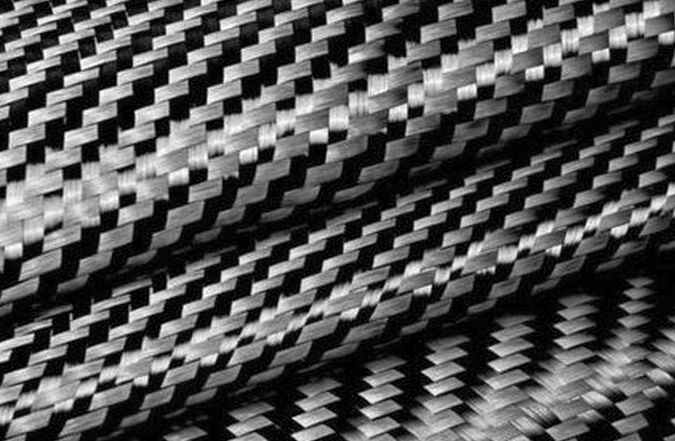
Carbon fiber fabric is made by weaving carbon fiber filaments into textiles like plain or twill weaves. The weave pattern affects the material’s properties. Plain weave is simple and strong, while twill weave is better for complex shapes because it offers more flexibility.

What is unidirectional (UD) carbon fiber?

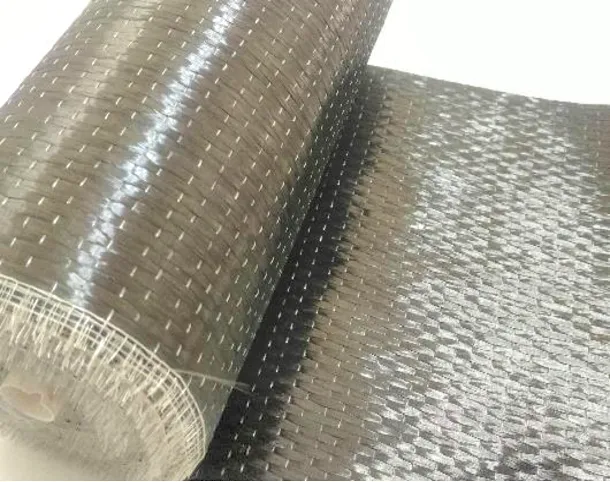
Unidirectional (UD) is a material where the fibers are aligned in one direction. This makes it really strong in that direction, which is why it’s often used in aerospace and automotive applications. There are other variations too, such as:

  • Bidirectional: The fibers are arranged at 0° and 90° to give you balanced strength.
  • Triaxial: The fibers are arranged at 0°, +45°, and -45°, which gives them great multidirectional strength.
  • Quadraxial: The fibers are arranged at 0°, 90°, +45°, and -45° to give you the maximum multidirectional strength.
Fiber Structure

What exactly is high modulus carbon fiber?

High modulus carbon fiber is a type of carbon fiber that’s known for being really stiff but not so flexible. It’s usually grouped into a few different categories based on how rigid it is and how strong it is when pulled:

  • HT (High-Tensile): High strength and performance.
  • IM (Intermediate Modulus) is stiffer than regular carbon fiber.
  • HM (High-Modulus): It’s super stiff, making it perfect for aerospace applications.
  • UHM (Ultra High-Modulus): It’s used in specialized applications that require the highest stiffness.

Where You’ll Find Carbon Fiber and CFRP

Carbon fiber and CFRP are used in a lot of different industries because they’re strong, lightweight, and durable. Some common applications include:

  • Aerospace: Carbon fiber is used in structural components for aircraft, spacecraft, and satellites.
  • Automotive: It’s used in body panels, frames, and interior parts to reduce weight and enhance efficiency.
  • Sports equipment: Bicycles, tennis rackets, and golf clubs are made from carbon fiber for enhanced performance.
  • Medical devices: Bicycles, tennis rackets, and golf clubs are made from carbon fiber for enhanced performance.
  • Marine: Carbon fiber is used in boat hulls and marine components for strength and corrosion resistance.
fiberglass

How to Mold Carbon Fiber Parts?

This detailed guide will show you how to mold carbon fiber parts. You’ll learn the best carbon fiber molding methods for automotive, aerospace, and other industries.

Carbon fiber parts are in high demand in industries like aerospace and automotive because they’re super strong, durable, and lightweight. This in-depth guide will show you how to mold carbon fiber parts efficiently.

What is Carbon Fiber Molding?

Carbon fiber molding is the process of shaping carbon fiber materials into whatever shape you need. The process is basically about soaking carbon fiber fabric or pre-preg (pre-impregnated) with resin, then letting it set to harden the material. The molding process makes sure that the carbon fiber parts are strong but lightweight, which makes them perfect for lots of different high-performance uses automotive partsaerospace components, and sports equipment.

carbon fiber

Common Carbon Fiber Molding Methods

There are a few different ways to mold carbon fiber parts. Each technique has its own benefits, depending on what you’re using it for, how much you’re making, and what you want the material to be like. Here are the most common ways of molding carbon fiber:

1. Hand Lay-Up Molding

Hand lay-up molding is one of the most popular ways of making carbon fiber parts, especially for custom automotive parts and aerospace structures. This process is all about laying carbon fiber sheets or fabrics into a mold manually, then applying resin. Then the part is cured, either at room temperature or in an oven, to harden the composite.

2. Vacuum Bagging

Vacuum bagging is a more advanced version of the hand lay-up process that ensures better resin infusion and a more uniform thickness. This technique is often used for high-performance carbon fiber parts in industries such as aerospaceautomotive, and marine.

3. Resin Transfer Molding (RTM)

Resin Transfer Molding (RTM) is a closed-mold process where resin is injected into a mold cavity containing carbon fiber reinforcement. This method is perfect for making top-quality, high-strength carbon fiber parts used in industries like automotive manufacturing and wind turbine production.

4. Autoclave Molding

Autoclave molding is a high-pressure, high-temperature process that’s mainly used in industries that need the best possible performance, like aerospace. The part is put in an autoclave, where heat and pressure are used to cure the resin and solidify the carbon fiber material.

5. Compression Molding

Compression molding is a popular choice for mass production of high-strength, high-volume carbon fiber automotive parts and consumer goods. In this process, a pre-formed sheet of carbon fiber is placed into a heated mold, where pressure is applied to shape the material.

What makes carbon fiber molding so special?

What makes carbon fiber molding work well? There are a few key things to think about to get the best results.

  • Material Selection: The next thing to think about is the material you’re going to use. It’s important to choose the right carbon fiber fabric or pre-preg to get the strength and performance you’re looking for.
  • Mold Design: The design of the mold is really important for making sure the resin flows properly, that it’s all the same thickness and that it’s easy to take the mold out.
  • Curing Process: If you get the curing right, the resin will fully harden and bond with the carbon fiber to form a solid composite part.
  • Quality Control: We do regular quality checks, like visual inspection and mechanical testing, to make sure the parts are up to strength and durability standards.

Where can you find molded carbon fiber parts?

Carbon fiber parts are used in lots of different industries because they’re strong, lightweight and versatile. Here are some common applications:

  • Aerospace: In the aerospace industry, carbon fiber is used in everything from aircraft wings and fuselage components to other high-performance parts. Carbon fiber is used in aircraft wings, fuselage components and other high-performance parts.
  • Automotive: In the automotive industry, carbon fiber is used in things like car bodies, chassis parts and interior components. Using carbon fiber parts like body panels, chassis components and interior elements helps to make vehicles lighter while also making them safer and more fuel-efficient.
  • Sports Equipment: Carbon fiber is often used in things like bicycles, tennis rackets and racing boats because it’s really strong and can dampen vibrations.
  • Renewable EnergyCarbon fiber molds are used to manufacture durable wind turbine blades and solar panel parts.
Carbon Fiber Mold - Carbon Fiber Parts for Automotive

Conclusion

Carbon fiber molding is a pretty niche process that produces lightweight, strong and durable parts for all sorts of high-performance applications. If you know which molding technique to use and what the key factors are, you can make carbon fiber parts that meet the demands of industries like automotiveaerospace, and sports equipment. If you’re looking to create high-quality carbon fiber parts, it’s best to consult an experienced manufacturer who can help you get the best results for your specific application.

Carbon Fiber Mold: The Ultimate Guide to Limitless Applications

Discover the incredible applications and advantages of carbon fiber mold and carbon fiber molding in industries like automotive, aerospace, sports, and healthcare.

Take a look at how carbon fiber molds and carbon fiber molding are changing the game in industries with unmatched strength, durability, and lightweight properties.

Introduction

Carbon fiber molds and molding are changing the way we make things with their amazing strength-to-weight ratio, durability, and versatility. Carbon fibers are made up of aligned carbon atoms, which create a special crystalline structure. This amazing material, when mixed with resin, makes composite molds that perform better than anything else out there.

carbon fiber mold application

Carbon Fiber Molding in the Automotive Industry

The automotive industry has started using carbon fiber molds to make lightweight but strong parts like body panels, chassis parts, and interior elements. Reducing vehicle weight with carbon fiber molding helps improve fuel efficiency, performance, and safety. Advanced carbon fiber composite molds also let you create new designs and make vehicles more crash-resistant, which is why they’re so important in modern vehicle manufacturing.

Carbon Fiber Mold Applications in the Aerospace Industry

In the aerospace industry, carbon fiber molding is key for making lightweight yet strong components like aircraft wings, fuselage sections, and tail assemblies. These molds help cut the weight of aircraft, which means they’re more fuel-efficient and can carry more cargo. Carbon fiber’s durability makes it ideal for use in aerospace structures that need to be long-lasting and safe in extreme conditions.

Sports and Recreation

Carbon fiber molding has totally transformed the sports and recreation industry. The material’s unmatched stiffness, strength, and vibration-dampening properties make it perfect for equipment like tennis rackets, golf clubs, bicycles, and racing boats. These benefits help athletes perform at their best while reducing the risk of injury.

Renewable Energy

The renewable energy sector uses carbon fiber molds to make strong and efficient wind turbine blades and solar panel parts. Carbon fiber is lightweight but strong, so it can perform well even in extreme weather. This makes it a key material for sustainable energy solutions.

Construction and Infrastructure

Carbon fiber reinforced polymers (CFRP) made with carbon fiber molds are changing the construction industry. These materials are used to reinforce concrete structures, bridges, and tunnels, which makes them really strong and able to withstand earthquakes. Plus, carbon fiber is resistant to corrosion, so it helps critical infrastructure last longer.

Marine and Boating

The marine industry relies on carbon fiber molding to build high-performance boat hulls, masts, and rigging. These components are super strong, fuel-efficient, and easy to maneuver. Carbon fiber’s lightweight nature allows boats to go faster and sail smoother, which is why it’s a favorite among boating enthusiasts.

Healthcare

Carbon fiber molds are really important in the healthcare sector. From lightweight and durable prosthetics to biocompatible orthopedic implants, carbon fiber molding makes it easier for patients to move around. On top of that, carbon fiber is radiolucent, which makes it perfect for imaging equipment like X-rays and MRI machines, so diagnostics are super precise.

Consumer Goods

Carbon fiber is also making its way into everyday consumer goods, giving products like wallets, phone cases, furniture, and watches a modern and durable look. Its lightweight quality and sleek look make carbon fiber a popular choice for luxury and functional designs.

Conclusion

Carbon fiber molds and molding techniques have transformed industries by providing unparalleled strength, durability, and lightweight properties. Carbon fiber is used in all kinds of industries, from automotive to aerospace and healthcare, and the list just keeps on growing. As technology keeps improving, the potential for carbon fiber molding will only grow, creating a future filled with limitless possibilities.

carbon-fiber

FAQs

Q1: Is carbon fiber expensive?
A1: Yes, it’s true that carbon fiber is usually more expensive than traditional materials. This is because it takes a lot of work to make it and it has some pretty impressive properties.

Q2: Is carbon fiber recyclable?
A2: It’s a challenge, but we’re making progress in recycling technology. We’re getting better at repurposing carbon fiber materials, which helps reduce our environmental impact.

Q3: How does carbon fiber hold up extreme temperatures?
A3: Carbon fiber can take the heat—and the cold. It’ll keep its structural integrity no matter what the temperature is.

Q4: Are carbon fiber products maintenance-free?
A4: Not exactly. They require minimal maintenance because they resist corrosion and degradation, but periodic checks are a good idea to make sure they’re working at their best.

Q5: Is it possible to repair damaged carbon fiber?
A5: Absolutely. Skilled technicians can often repair damaged carbon fiber, restoring its strength and structural integrity.

If you want to know more about carbon fiber molding and innovative manufacturing, check out MDC Mould.