SMC Manhole Cover Moulds: Precision Tooling for Composite Covers

Professional insights into manhole cover mould design, manufacturing, and applications. Learn how precision composite and concrete manhole cover moulds improve load performance, durability, and production efficiency.

As urban infrastructure continues to expand worldwide, the demand for safe, durable, and high-load manhole covers is increasing rapidly. At the core of this development lies the manhole cover mould, a precision-engineered tool that directly determines product strength, dimensional accuracy, surface quality, and long-term reliability.

Whether used for composite, FRP, or concrete manhole covers, a high-quality manhole cover mould is essential for meeting modern load standards, improving production efficiency, and reducing lifecycle costs.

What Is a Manhole Cover Mould?

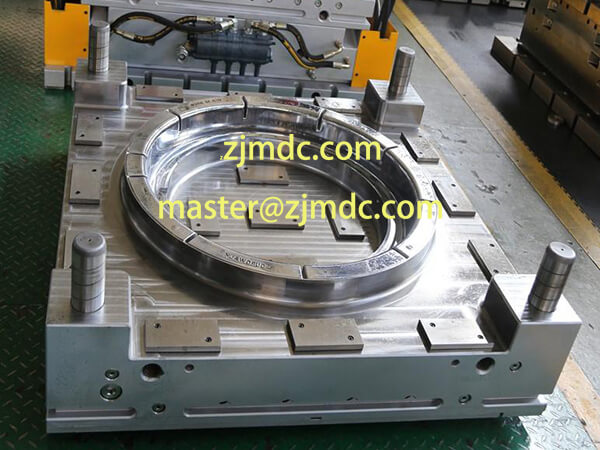
manhole cover mould is a specialized manufacturing tool designed to form manhole covers under controlled pressure, temperature, and curing conditions. It defines the final geometry, surface pattern, and structural performance of the cover.

Depending on the material system and production process, manhole cover moulds can be designed for:

  • Composite manhole covers (SMC, BMC, FRP)
  • Polymer concrete manhole covers
  • Traditional concrete manhole covers
manhole cover mould

Market Shift Toward Composite Manhole Covers

Traditional cast iron and concrete manhole covers are increasingly being replaced by composite alternatives due to several limitations, including heavy weight, corrosion risks, and high transportation costs.

Composite manhole covers manufactured using compression molding offer significant advantages:

  • Lightweight with high load-bearing capacity
  • Excellent corrosion and chemical resistance
  • Non-conductive and anti-theft properties
  • Stable quality and repeatable production

To fully realize these benefits, manufacturers rely on precision-engineered composite manhole cover moulds.

Key Design Features of a High-Quality Manhole Cover Mould

1. Load Performance and Structural Integrity

Manhole covers must comply with international standards such as EN124 (A15, B125, C250, D400). A professional manhole cover mould ensures:

  • Uniform material flow and thickness distribution
  • Reinforced load-bearing zones
  • Elimination of internal voids and weak points

2. Surface Texture and Anti-Slip Patterns

Surface design is both a safety and branding element. Advanced manhole cover moulds integrate:

  • Anti-slip textures compliant with safety standards
  • Customized logos, text, and identification marks
  • Durable surface finishes for long-term use

3. Dimensional Accuracy and Interchangeability

High-precision machining ensures consistent dimensions across production batches, enabling:

  • Perfect fit between cover and frame
  • Easy installation and replacement
  • Reduced maintenance costs
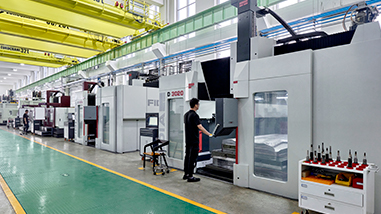
Moulding Equipment

Manhole Cover Mould Types and Manufacturing Processes

Compression Moulds for Composite Manhole Covers

Compression molding is the most widely used process for composite manhole covers. A typical compression manhole cover mould includes:

  • Upper and lower mould halves
  • Integrated heating systems for controlled curing
  • Vent structures to release trapped air

Compression moulds are especially suitable for SMC and BMC materials, offering high productivity and consistent quality.

Concrete and Polymer Concrete Manhole Cover Moulds

Concrete-based manhole cover moulds are designed to withstand:

  • Repeated vibration and compaction forces
  • Abrasive materials
  • Long production cycles

Robust mould structures and wear-resistant materials are essential for extended mould life.

Manufacturing Expertise at MDC Mould

At MDC Mould, we focus on the engineering and manufacturing of high-performance manhole cover moulds for global infrastructure projects.

  • High-precision CNC machining
  • Optimized mould structure and heat treatment
  • Advanced surface texturing technology
  • Strict quality inspection and trial production

Each manhole cover mould is developed to ensure stable production, excellent surface quality, and long service life.

Long-Term Value of a Precision Manhole Cover Mould

A well-designed manhole cover mould is a long-term production asset rather than a short-term tool. High-quality moulds deliver:

  • Lower defect rates
  • Reduced maintenance and downtime
  • Stable performance over thousands of cycles
  • Lower total manufacturing cost

Conclusion: Precision Tooling Builds Reliable Infrastructure

As infrastructure standards continue to rise, the importance of a reliable and precise manhole cover mould becomes increasingly clear. From composite to concrete applications, mould quality directly defines product performance and lifecycle value.

MDC Mould remains committed to providing professional, durable, and customized manhole cover mould solutions, supporting manufacturers worldwide in building safer and more sustainable infrastructure systems.
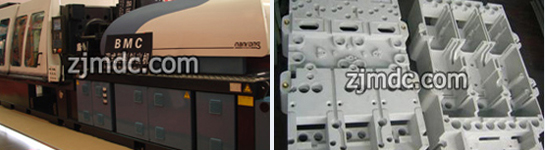
BMC Mold & Tooling: Solutions for High-Volume Composite Production

MDC Mould specializes in BMC mold, BMC mould, and BMC tooling for high-volume compression molding. Our BMC molding solutions deliver stable quality, long mold life, and efficient composite manufacturing.

As global industries continue to pursue lightweight structures, high mechanical performance, and cost-effective mass production, BMC molding and BMC moulding have become essential composite manufacturing processes. At the core of this technology lies the BMC mold (also known as the BMC mould), together with precision-engineered BMC tooling and BMC tools, which directly determine product quality, production efficiency, and long-term manufacturing stability.

As a professional composite mold manufacturer, Zhejiang MDC Mould focuses on the development and manufacturing of high-performance BMC molds and BMC tooling systems, supporting global customers in achieving reliable and scalable composite production.

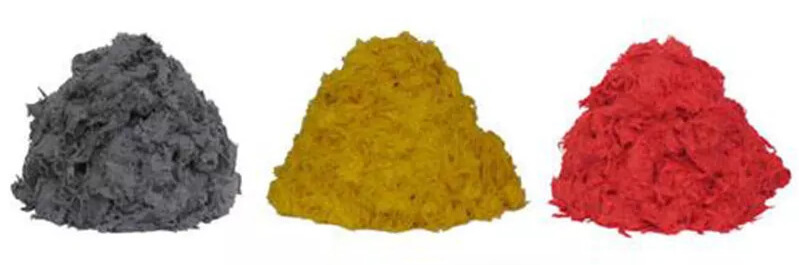
bulk-moulding-compound

What Is BMC Molding?

BMC molding is a compression molding process using Bulk Molding Compound, a ready-mixed thermoset composite material consisting of chopped glass fibers, thermosetting resin, fillers, and functional additives. The BMC material is placed into a heated mold cavity and shaped under high pressure, where curing occurs simultaneously.

Compared with other composite processes, BMC moulding offers excellent dimensional stability, short cycle times, and consistent surface quality, making it ideal for high-volume production.

  • Short molding cycles suitable for mass production
  • Excellent surface finish with minimal post-processing
  • Stable mechanical and electrical properties
  • High repeatability and dimensional accuracy
  • Ability to mold complex integrated structures

The Importance of the BMC Mold

The performance of BMC molding depends heavily on the quality and engineering of the BMC mold. During compression molding, the mold must withstand high clamping forces, repeated thermal cycles, and abrasive fiber-filled materials, all while maintaining precise cavity geometry.

A high-quality BMC mould typically includes:

  • High structural rigidity to resist deformation
  • Precision-machined cavities for consistent wall thickness
  • Optimized material flow paths for uniform fiber distribution
  • Effective venting systems to eliminate trapped air
  • Long service life for continuous production environments

BMC Tooling Design and Engineering

BMC tooling design requires deep knowledge of compression molding mechanics, thermoset curing behavior, and fiber flow characteristics. Unlike thermoplastic injection molds, BMC tools must accommodate controlled material flow, pressure balance, and reliable venting.

Key engineering principles for BMC tooling include:

  • Uniform pressure distribution across the mold surface
  • Controlled material flow to prevent fiber segregation
  • Thermal balance for stable and complete curing
  • Reliable sealing to maintain molding pressure
  • Easy demolding to protect both parts and tooling
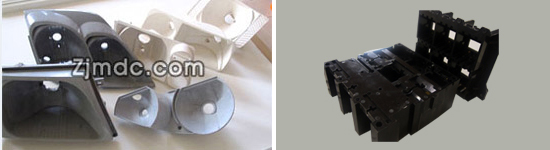
BMC mould
BMC product

Materials and Manufacturing of BMC Molds

BMC molds are typically manufactured from high-grade tool steels or selected aluminum alloys, depending on production volume and application requirements. For high-volume and structural components, steel BMC molds are preferred due to their wear resistance and dimensional stability.

MDC Mould applies advanced manufacturing processes including:

  • High-precision CNC machining
  • Optimized venting and gating design
  • Surface treatments for improved durability
  • Integrated heating systems for stable cycle times
  • Reinforced mold structures for high-tonnage presses

Applications of BMC Molding

Thanks to its balanced mechanical, thermal, and electrical properties, BMC molding is widely used across multiple industries:

  • Automotive structural and functional components
  • Electrical enclosures and insulation parts
  • New energy and EV-related composite housings
  • Industrial equipment covers and supports
  • Construction and infrastructure composite components

Why Choose MDC Mould for BMC Mold Solutions

Zhejiang MDC Mould provides complete BMC moldBMC mould, and BMC tooling solutions, covering design, manufacturing, and production support.

  • Extensive experience in BMC molding and compression tooling
  • Process-oriented mold design for stable mass production
  • Custom BMC tools for complex composite structures
  • Long mold service life with reduced maintenance
  • Technical support from prototyping to serial production

Conclusion

BMC mold and BMC tooling technology plays a critical role in modern composite manufacturing. Through precise engineering, durable materials, and process-optimized design, BMC moulds enable manufacturers to fully realize the advantages of BMC molding and BMC moulding.

Zhejiang MDC Mould remains committed to advancing BMC mold technology, delivering reliable, high-performance tooling solutions for global composite manufacturers.