SMC Manhole Cover Moulds: Precision Tooling for Composite Covers

Professional insights into manhole cover mould design, manufacturing, and applications. Learn how precision composite and concrete manhole cover moulds improve load performance, durability, and production efficiency.

As urban infrastructure continues to expand worldwide, the demand for safe, durable, and high-load manhole covers is increasing rapidly. At the core of this development lies the manhole cover mould, a precision-engineered tool that directly determines product strength, dimensional accuracy, surface quality, and long-term reliability.

Whether used for composite, FRP, or concrete manhole covers, a high-quality manhole cover mould is essential for meeting modern load standards, improving production efficiency, and reducing lifecycle costs.

What Is a Manhole Cover Mould?

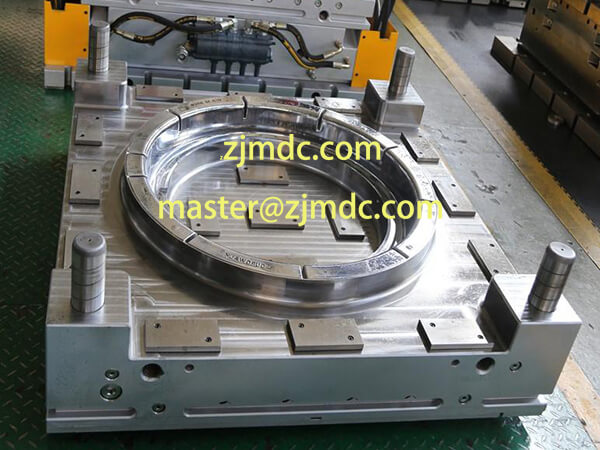
manhole cover mould is a specialized manufacturing tool designed to form manhole covers under controlled pressure, temperature, and curing conditions. It defines the final geometry, surface pattern, and structural performance of the cover.

Depending on the material system and production process, manhole cover moulds can be designed for:

  • Composite manhole covers (SMC, BMC, FRP)
  • Polymer concrete manhole covers
  • Traditional concrete manhole covers
manhole cover mould

Market Shift Toward Composite Manhole Covers

Traditional cast iron and concrete manhole covers are increasingly being replaced by composite alternatives due to several limitations, including heavy weight, corrosion risks, and high transportation costs.

Composite manhole covers manufactured using compression molding offer significant advantages:

  • Lightweight with high load-bearing capacity
  • Excellent corrosion and chemical resistance
  • Non-conductive and anti-theft properties
  • Stable quality and repeatable production

To fully realize these benefits, manufacturers rely on precision-engineered composite manhole cover moulds.

Key Design Features of a High-Quality Manhole Cover Mould

1. Load Performance and Structural Integrity

Manhole covers must comply with international standards such as EN124 (A15, B125, C250, D400). A professional manhole cover mould ensures:

  • Uniform material flow and thickness distribution
  • Reinforced load-bearing zones
  • Elimination of internal voids and weak points

2. Surface Texture and Anti-Slip Patterns

Surface design is both a safety and branding element. Advanced manhole cover moulds integrate:

  • Anti-slip textures compliant with safety standards
  • Customized logos, text, and identification marks
  • Durable surface finishes for long-term use

3. Dimensional Accuracy and Interchangeability

High-precision machining ensures consistent dimensions across production batches, enabling:

  • Perfect fit between cover and frame
  • Easy installation and replacement
  • Reduced maintenance costs
Moulding Equipment

Manhole Cover Mould Types and Manufacturing Processes

Compression Moulds for Composite Manhole Covers

Compression molding is the most widely used process for composite manhole covers. A typical compression manhole cover mould includes:

  • Upper and lower mould halves
  • Integrated heating systems for controlled curing
  • Vent structures to release trapped air

Compression moulds are especially suitable for SMC and BMC materials, offering high productivity and consistent quality.

Concrete and Polymer Concrete Manhole Cover Moulds

Concrete-based manhole cover moulds are designed to withstand:

  • Repeated vibration and compaction forces
  • Abrasive materials
  • Long production cycles

Robust mould structures and wear-resistant materials are essential for extended mould life.

Manufacturing Expertise at MDC Mould

At MDC Mould, we focus on the engineering and manufacturing of high-performance manhole cover moulds for global infrastructure projects.

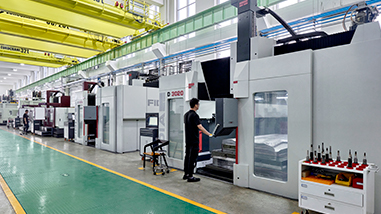
  • High-precision CNC machining
  • Optimized mould structure and heat treatment
  • Advanced surface texturing technology
  • Strict quality inspection and trial production

Each manhole cover mould is developed to ensure stable production, excellent surface quality, and long service life.

Long-Term Value of a Precision Manhole Cover Mould

A well-designed manhole cover mould is a long-term production asset rather than a short-term tool. High-quality moulds deliver:

  • Lower defect rates
  • Reduced maintenance and downtime
  • Stable performance over thousands of cycles
  • Lower total manufacturing cost

Conclusion: Precision Tooling Builds Reliable Infrastructure

As infrastructure standards continue to rise, the importance of a reliable and precise manhole cover mould becomes increasingly clear. From composite to concrete applications, mould quality directly defines product performance and lifecycle value.

MDC Mould remains committed to providing professional, durable, and customized manhole cover mould solutions, supporting manufacturers worldwide in building safer and more sustainable infrastructure systems.
Cavity Design, Venting Performance and Composite Mould Maintenance

Explore how advanced cavity design and venting systems in compression moulding for composite materials (SMC, BMC) ensure optimal part quality and mould longevity.

Within the field of compression moulding for composite materials, three pillars determine success: precise mould cavity design, effective venting (exhaust) systems, and robust mould maintenance practices. At Zhejiang MDC Mould Co., Ltd. (MDC Mould), our engineering philosophy integrates these elements into every tool we deliver for SMC, BMC and other thermoset composite parts.

The Critical Role of the Mould Cavity in Composite Tooling

The geometry and build of the mould cavity form the heart of the entire mould system. In composite compression moulding, the cavity must accommodate not only the final part shape, but also manage material flow, fibre orientation and cure behaviour. Mis-designed cavities lead to defects such as short-shots, stitching lines, fibre misalignment or warpage.

Key considerations include:

  • Fibre alignment and charge placement: The cavity must allow uniform lay-up of the Sheet Moulding Compound (SMC) or Bulk Moulding Compound (BMC) to ensure even fibre distribution.
  • Flow channels and fill path: Cavity geometry should minimise flow disturbance and enable complete fill under typical pressures (50–150 bar) and temperatures (130–160 °C) used in SMC compression moulding.
  • Wall thickness control and ribbing: Designing consistent wall thickness, supported by ribs or gussets, improves mechanical strength while reducing resin shrinkage and warpage.
  • Thermal control integration: The cavity must integrate heating/cooling channels in zones to manage temperature gradients that affect cure and dimensional stability. Faulty thermal zones contribute directly to part defects and mould fatigue.
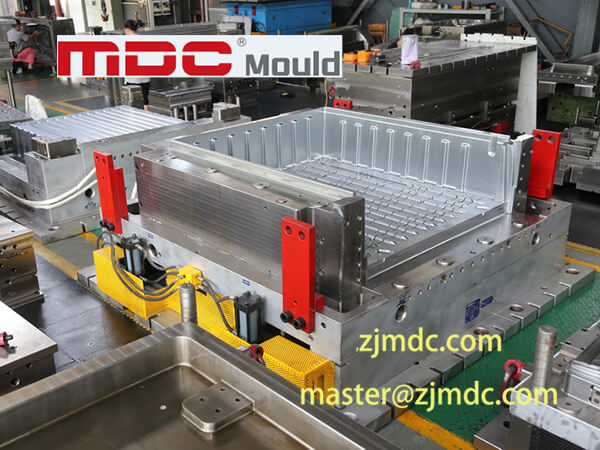
truck bed mould

Venting and Exhaust: Why Mold Design Must Prioritise It

Venting—or the removal of trapped air, volatile gases and resin bleed—is a critical but often misunderstood aspect in composite mould tooling. Without effective exhaust, parts may suffer porosity, blistering, weak interlaminar bonding or surface blemishes.

Design points to address:

  • Micro-vent grooves: Small controlled gaps (~0.02–0.05 mm) or drilled vent holes at the parting line help escape of air during compression and resin flow.
  • Vacuum assist: Incorporating vacuum channels beneath the cavity aids removal of volatiles and significantly reduces void content—especially important for SMC parts requiring Class-A surfaces. MDC Mould regularly applies this in high-end tooling.
  • Strategic vent placement: Vents must not interfere with material flow; they should be placed at final fill paths or resin front exit points to avoid short-running resin into the vent rather than the part.
  • Maintenance of vent integrity: Over repeated cycles, vent grooves can clog or degrade, which leads to increased porosity and scrap rate. Regular inspection is essential.

Compression Mould Maintenance & Lifespan Management

A mould is only as good as its lifecycle support. At MDC Mould, long-term performance is managed by combining precision manufacturing with disciplined maintenance protocols.

Elements of maintenance include:

  • Surface polishing and re-plating: High precision cavities require finishing treatments (hard chrome, nickel or PVD) to retain surface integrity and prevent sticking of composite materials.
  • Thermal calibration checks: Periodically verifying heater/cooler zones and thermal gradients prevents degradation of part dimensional accuracy over time.
  • Vent and exhaust channel cleaning: Ensures that venting performance remains optimal—failure to maintain this results in increased voids and lower product quality.
  • Alignment and dimensional stability check: Using 3D scanning or CMM inspection to confirm that cavity geometry remains within tolerance after a high number of cycles. MDC’s methods emphasise this.
  • Scheduled refurbishment: For high-volume production, moulds may be refurbished after ~100,000 to 500,000 cycles depending on material abrasiveness and operating conditions. Proper refurbishment extends tool life and reduces total cost of ownership.
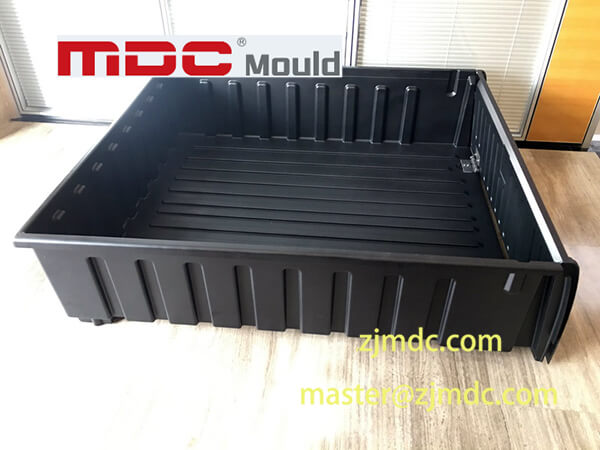
pickup box mould

Integrated Approach: From Cavity to Venting to Maintenance

The real value is achieved when cavity design, venting strategy and maintenance regimen are integrated into a mould lifecycle management system.

At MDC Mould we implement a workflow where:

  1. Early in the design phase, CAE simulation predicts flow paths, fibre orientation and venting effectiveness.
  2. During mould manufacturing, cavity geometry and venting channels are verified via 3D scanning and trial flow tests.
  3. During production ramp-up, sensor monitoring of pressure, temperature, and vent vacuum assists in validating the tool performance.
  4. During steady-state production, maintenance protocols ensure vent channels, surface finish and thermal zones remain optimal—reducing scrap and improving repeatability.

Why This Matters for Composite Part Quality and Cost Efficiency

Effective mould cavity design ensures part dimensional accuracy and structural integrity. Efficient venting reduces internal defects, improves surface finish and yields parts quicker. Robust maintenance ensures the tool remains stable over long production runs, reducing downtime and scrap. Together, these factors deliver:

  • Improved first-pass yield
  • Reduced cycle time and faster throughput
  • Lower warranty risk due to fewer part failures
  • Enhanced total cost of ownership for mould tooling

For high-end applications—automotive, aerospace, architecture—such precision and stability create competitive advantage.

Conclusion

The success of a composite compression mould project is built on the foundation of three critical elements: cavity design, venting performance and disciplined mould maintenance. By mastering these areas, tooling houses like MDC Mould deliver moulds that support high-quality SMC/BMC parts, minimise defects and maximise productivity. Should you require advanced mould solutions—whether for automotive structural parts, architectural composite panels or high-volume SMC tooling—our team at MDC Mould is prepared to assist with design, manufacture and lifecycle support.

Contact us via www.zjmdc.com for custom moulding solutions and technical consultations.