Laser cleaning has emerged as a revolutionary technology for maintaining the surface quality of compression molds. This article explores its working principles, effects on tooling, and industrial applications across SMC molds, BMC molds, and composite molds.
Introduction
In high-precision industries, the surface quality of compression tooling molds directly impacts product performance and manufacturing efficiency. Over time, molds accumulate resin residues, release agents, carbon deposits, and oxides, leading to poor surface finishes and reduced part quality. Traditional methods such as chemical cleaning or sandblasting are either environmentally harmful or damaging to the mold surface.
By contrast, laser cleaning technology provides an eco-friendly, precise, and highly effective solution to restore mold integrity and prolong tool life.
Understanding Compression Tooling Molds
Compression molds are critical tools for shaping high-performance parts in industries such as automotive, aerospace, electronics, and consumer goods. These molds are commonly used with materials including:
- SMC (Sheet Molding Compound)
- BMC (Bulk Molding Compound)
- GMT (Glass Mat Thermoplastic)
- LFT (Long Fiber Thermoplastic)
- Carbon fiber composites
The surface quality of these molds directly influences dimensional accuracy, demolding performance, and product aesthetics.
The Principle of Laser Cleaning
Laser cleaning uses high-intensity, short laser pulses to selectively remove contaminants without damaging the base mold material. The process is precise, non-contact, and environmentally friendly.
Key Benefits of Laser Cleaning
- Micron-level precision for delicate tooling geometries
- No abrasives or chemicals required
- Preserves mold geometry and surface finish
- Scalable and compatible with automation systems
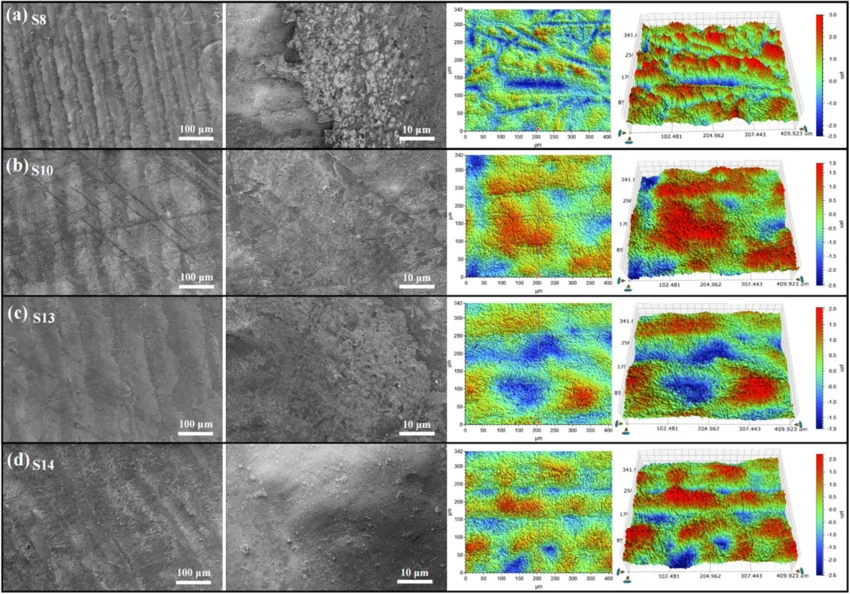
Effects on Surface Quality of Compression Tooling Molds
1. Improved Surface Cleanliness
Laser cleaning effectively removes contaminants like resin, carbon, and oxides, restoring the mold surface and ensuring defect-free molded parts.
2. Preservation of Mold Geometry
Unlike abrasive cleaning, laser cleaning maintains the integrity of fine details and critical dimensions in SMC and BMC molds.
3. Surface Roughness Control
Laser parameters can be tuned to maintain smooth finishes or introduce micro-textures, improving resin flow and demolding performance.
4. Longer Mold Service Life
Reducing aggressive cleaning minimizes micro-cracks and surface fatigue, extending mold longevity.
5. Consistent Production Quality
Laser cleaning supports high-volume manufacturing by ensuring stable and repeatable mold conditions, especially in automotive compression molding.
Laser Cleaning vs. Traditional Cleaning Methods
| Cleaning Method | Limitations | Laser Cleaning Advantages |
|---|---|---|
| Chemical cleaning | Hazardous waste, potential corrosion | Eco-friendly, no chemicals required |
| Sandblasting / Abrasive cleaning | Surface wear, geometry alteration | Non-abrasive, preserves mold accuracy |
| Manual polishing | Labor-intensive, inconsistent | Automated, repeatable, precise |
| Ultrasonic cleaning | Size limitations, liquid handling | Dry, scalable, suitable for large molds |
Industrial Applications of Laser Cleaning
- SMC and BMC molds: Automotive body panels, battery covers, and electrical housings
- Carbon fiber compression molds: Aerospace structural parts and sports equipment
- Rubber compression molds: High-precision rubber seals and gaskets
- Composite molds: Lightweight parts in automotive and renewable energy industries
Future Outlook
The future of mold maintenance lies in the integration of laser cleaning with automation and Industry 4.0 technologies. Robotics, AI-driven parameter control, and real-time surface monitoring will further improve efficiency and consistency.
Conclusion
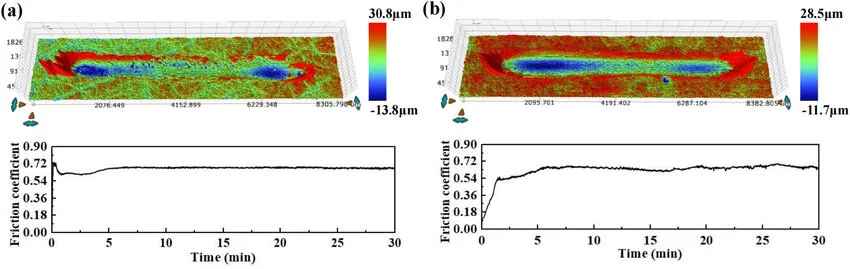
The effect of laser cleaning on the surface quality of compression tooling molds is profound. It ensures cleaner surfaces, longer mold life, consistent part quality, and environmental sustainability. For manufacturers using SMC molds, BMC molds, or carbon fiber molds, adopting laser cleaning is not only a technological upgrade but also a strategic move towards efficiency and sustainability.