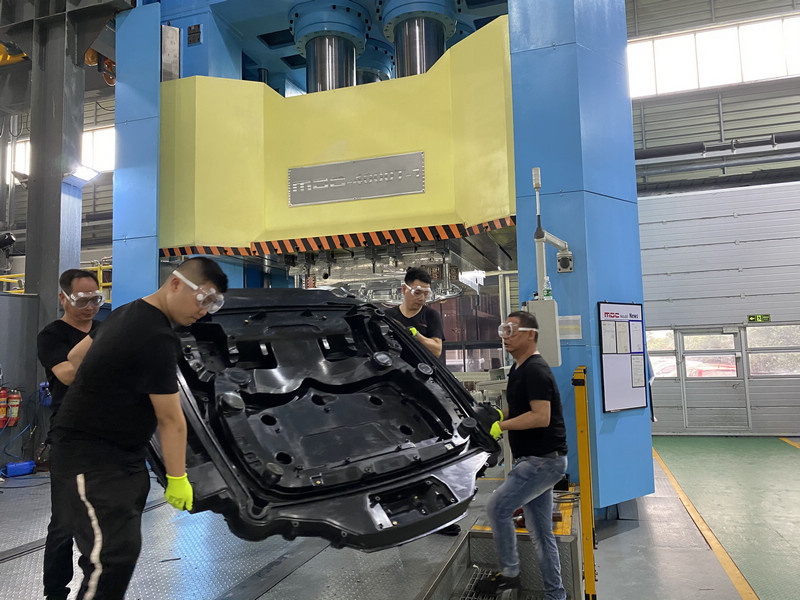
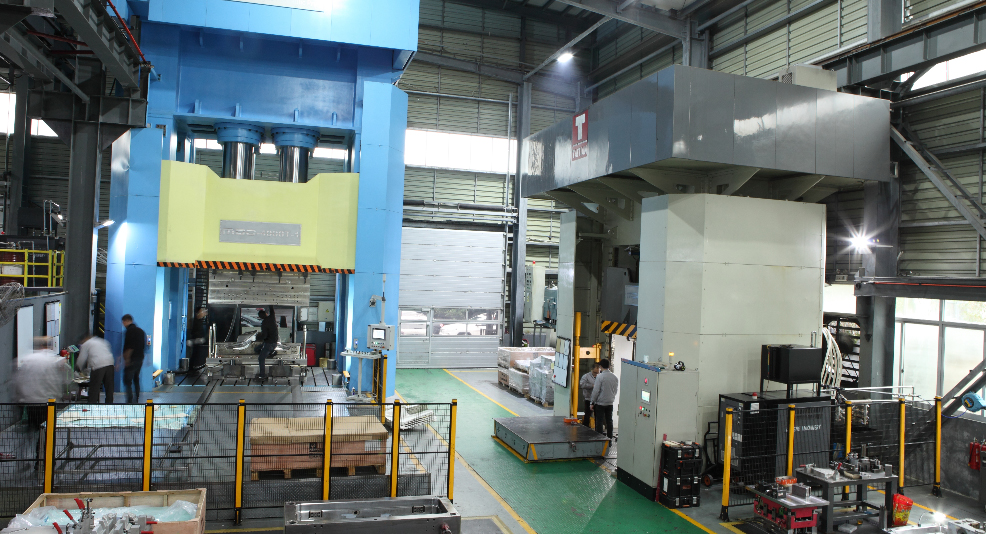
Advanced Press Tooling for SMC & Composite Compression Molding

Explore professional press tooling solutions for composite manufacturing, including compression molds, SMC molds, BMC molds, and thermoset tooling.

In modern industrial manufacturing, press tooling plays a crucial role in producing high-precision components with consistent quality and structural integrity. From automotive structural parts to electrical enclosures and infrastructure components, press tooling enables manufacturers to shape materials using controlled heat and pressure within a press machine.

As industries increasingly adopt lightweight composite materials, advanced tooling technologies such as compression mold systemsSMC molds, and composite molds have become essential for high-efficiency mass production.Professional tooling manufacturers like MDC Mould specialize in designing and producing high-precision press tooling solutions for global industrial applications.

What Is Press Tooling?

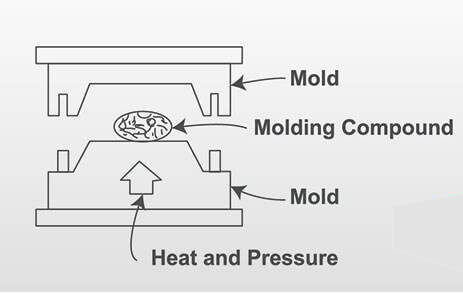
Press tooling refers to specialized molds used within mechanical or hydraulic press machines to shape materials through compression, forming, or molding processes. The tooling system creates a controlled cavity where raw materials are transformed into finished products under pressure and temperature.

Typical materials used in press tooling production include:

  • Sheet Molding Compound (SMC)
  • Bulk Molding Compound (BMC)
  • Carbon fiber composite materials
  • Thermoset composite sheets
  • Thermoplastic structural materials
  • Metal forming materials

Using high-precision compression tooling, manufacturers can produce complex structural components with excellent dimensional accuracy and repeatability.

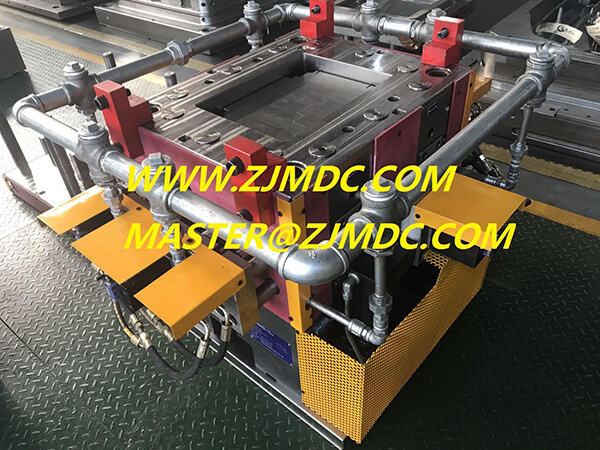
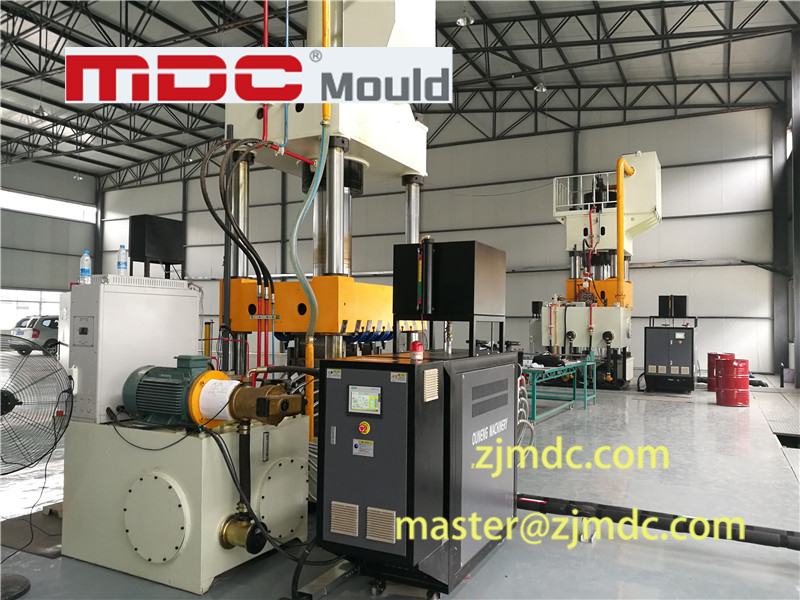
compression mould machine

Main Types of Press Tooling Used in Composite Manufacturing

SMC Mold (Sheet Molding Compound Mold)

SMC molds are widely used in the automotive and electrical industries. They enable the compression molding of glass-fiber reinforced composite materials into strong, lightweight components.

Typical SMC mold applications include:

  • Automotive exterior panels
  • EV battery enclosures
  • Engine splash shields
  • Structural composite components

BMC Mold (Bulk Molding Compound Mold)

BMC molds are commonly used to produce electrical insulation components and high-strength industrial parts. BMC materials offer excellent flame resistance and electrical insulation properties.

Common BMC mold applications:

  • Electrical connector housings
  • Switchgear components
  • Lighting fixtures
  • Industrial equipment enclosures

Composite Compression Mold

Composite compression molds are designed for advanced composite materials such as carbon fiber, fiberglass, and hybrid composites. These tools are essential for producing lightweight structural components with superior mechanical performance.

Learn more about professional composite tooling solutions at: Compression Mold Manufacturing

Key Components of a Professional Press Tooling System

Upper and Lower Mold Structure

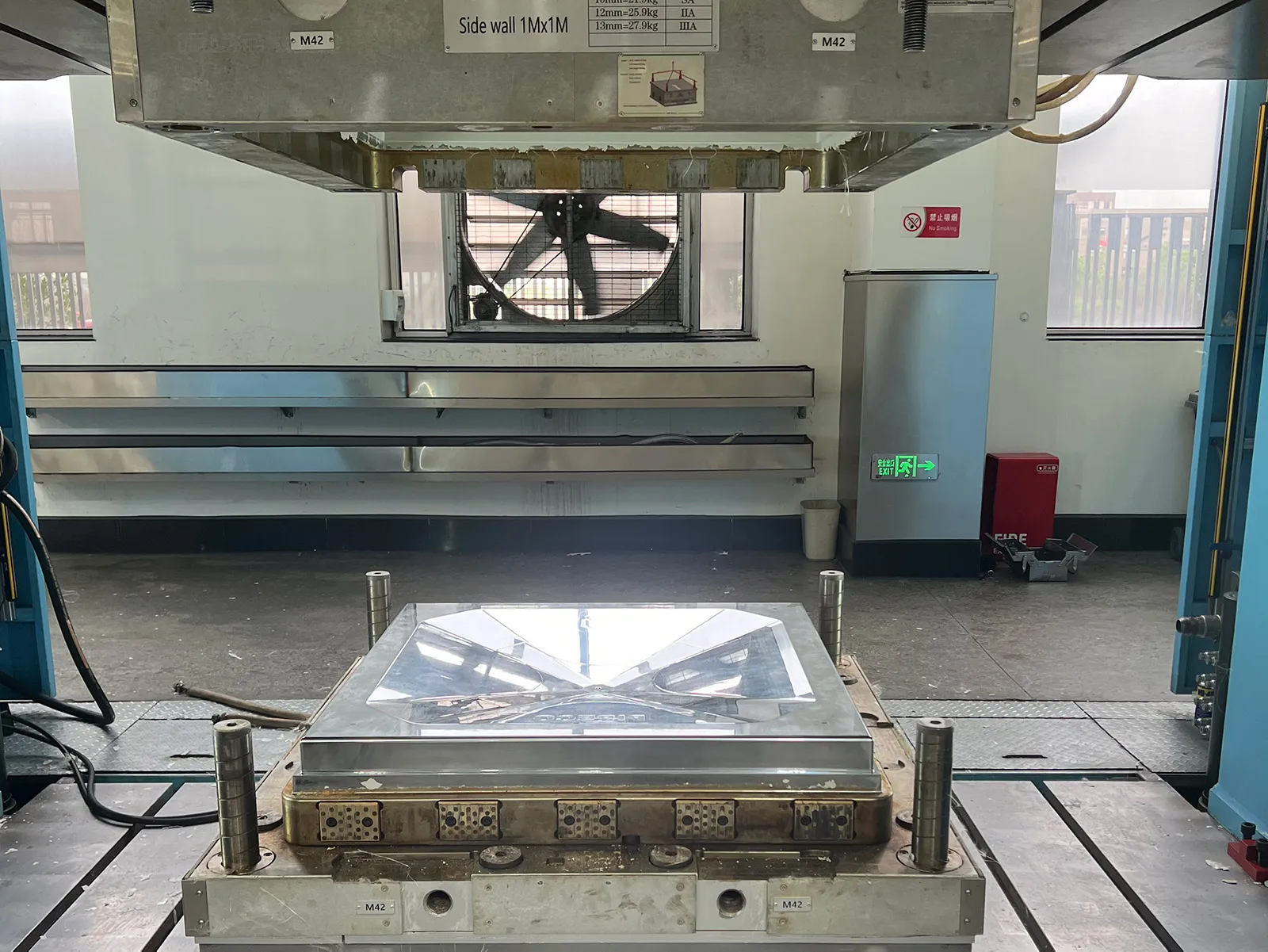
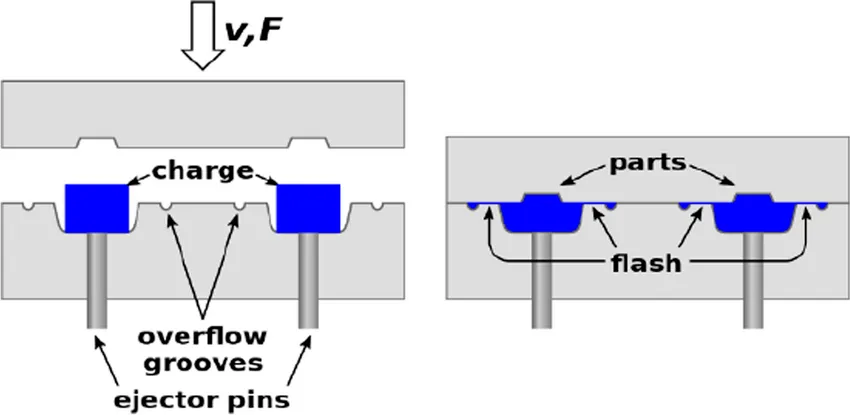
Press tooling typically consists of two primary mold halves: the upper mold and the lower mold. These components create the mold cavity where material shaping occurs during the compression molding process.

Precision Mold Cavity

The cavity design determines the final geometry and structural features of the product. Proper cavity engineering ensures uniform material flow, reduces defects, and improves final product strength.

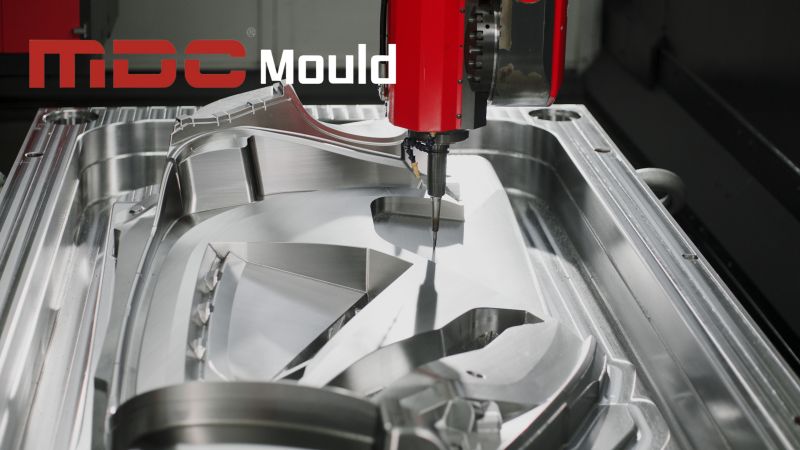
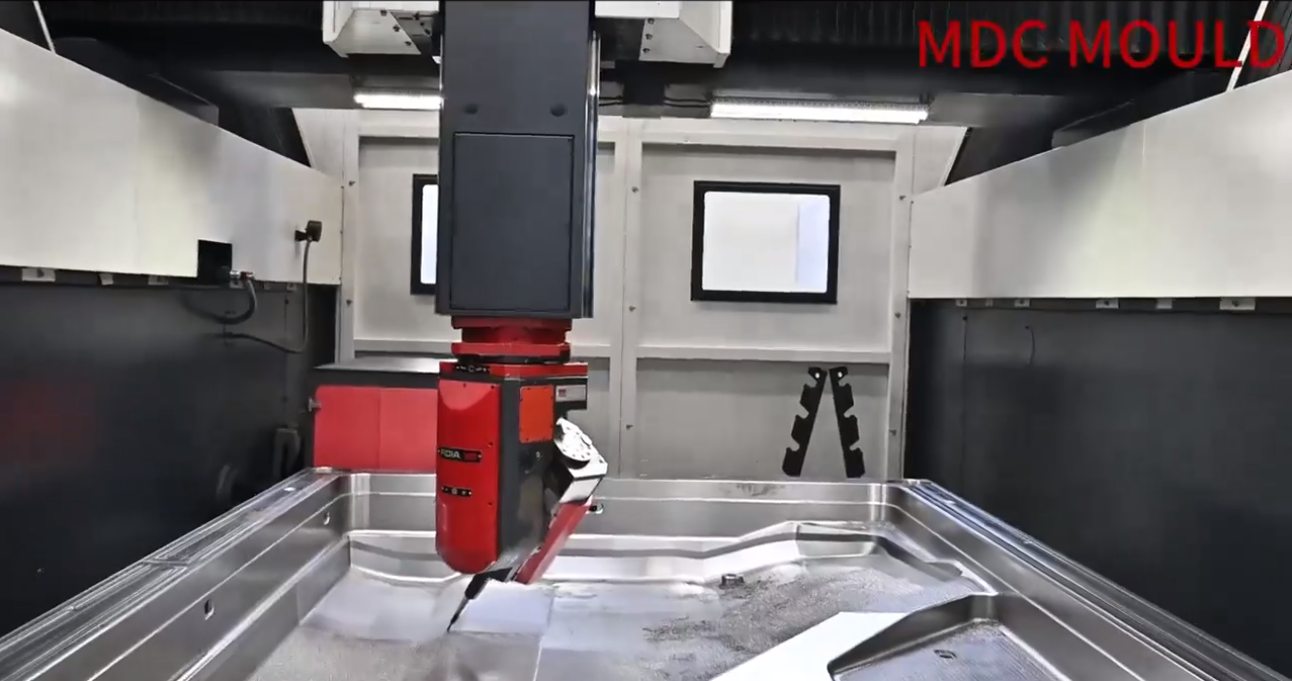
high speed milling

Heating System

Most thermoset composite molds integrate heating systems that maintain consistent curing temperatures. These heating systems may include:

  • Electric heating rods
  • Oil circulation heating channels
  • Temperature sensors
  • Thermal insulation layers

Ejection System

An effective ejection system ensures smooth demolding after the compression cycle. This may involve hydraulic ejectors, mechanical ejector pins, or pneumatic release mechanisms.

Materials Used in Press Tooling Manufacturing

High-quality press tooling requires durable materials capable of withstanding high pressure and repeated thermal cycles.

Tooling MaterialMain AdvantagesTypical Applications
P20 Tool SteelGood machinability and durabilityGeneral composite molds
H13 Tool SteelExcellent heat resistanceHigh-temperature compression molds
718 SteelHigh strength and wear resistanceLarge industrial press tooling
Aluminum ToolingLightweight and fast machiningPrototype molds

Industrial Applications of Press Tooling

Advanced press tooling is widely used across multiple industries requiring high-strength and lightweight components.

Automotive Industry

  • EV battery enclosure molds
  • Trunk board molds
  • Engine splash shield molds
  • Exterior body panels

Electrical Industry

  • Electrical connector molds
  • Switchgear insulation components
  • Lighting housings

Infrastructure and Construction

Advantages of High-Quality Press Tooling

Investing in professionally designed press tooling provides significant advantages for manufacturers.

  • High dimensional accuracy for consistent production quality
  • Improved manufacturing efficiency with optimized molding cycles
  • Superior surface finish for reduced post-processing
  • Long tooling lifespan due to high-quality steel materials
  • Lower production costs through high-volume manufacturing capability

Future Development Trends in Press Tooling Technology

The future of press tooling is being shaped by technological innovations and new material developments.

compression molds

FAQ About Press Tooling

What is the difference between press tooling and compression mold?

Press tooling is a general term for molds used in press machines, while a compression mold specifically refers to tooling designed for compression molding processes used with thermoset or composite materials.

What industries use press tooling?

Press tooling is widely used in automotive, aerospace, electrical equipment, infrastructure construction, and industrial manufacturing sectors.

How long does press tooling last?

High-quality press tooling manufactured from hardened tool steel can typically last hundreds of thousands to millions of molding cycles depending on production conditions.

Conclusion

Press tooling is a core technology in modern manufacturing, enabling the efficient production of high-precision components across multiple industries. With the increasing demand for lightweight materials and high-volume production, advanced tooling solutions such as SMC moldsBMC molds, and composite compression molds are becoming increasingly important.

Professional tooling manufacturers like MDC Mould continue to innovate in press tooling engineering, providing global customers with reliable, high-performance solutions for modern composite manufacturing.
The Complete Composite Mold Guide: SMC, BMC & Carbon Fiber Tooling

Professional guide to composite mold construction covering design, materials, CNC machining, SMC/BMC tooling, and carbon fiber mold manufacturing for automotive and industrial applications.

As global industries move toward lightweight engineering, structural integration, and high-efficiency production, the importance of composite mold construction continues to grow. From automotive lightweight components to FRP water tanks and electrical enclosures, high-performance composite molds are the foundation of consistent product quality and scalable manufacturing.

Composite Mold Manufacturing Process

At MDC, advanced expertise in SMC moldBMC moldcompression mold, and carbon fiber mold manufacturing ensures precision, durability, and optimized production performance. This guide provides a comprehensive overview of composite mold design, material selection, construction processes, and industry applications.

1. What is a Composite Mold?

composite mold is a specialized tooling system designed to shape composite materials such as SMC (Sheet Molding Compound), BMC (Bulk Molding Compound), GMT, LFT, and carbon fiber composites under controlled heat, pressure, and curing conditions.

Unlike traditional metal forming tools, composite tooling must consider resin flow behavior, fiber orientation, curing kinetics, and thermal expansion, making its engineering process more complex and highly specialized.

2. Types of Composite Molds

Types of Composite Molds

2.1 Compression Mold

The compression mold is widely used for SMC and BMC molding. It delivers high strength, excellent surface finish, and repeatability, making it ideal for automotive exterior panels and structural components.

2.2 RTM Mold (Resin Transfer Molding)

RTM molds are closed systems where resin is injected into dry fiber preforms, ensuring high dimensional accuracy and smooth surface quality.

2.3 Thermoforming Mold

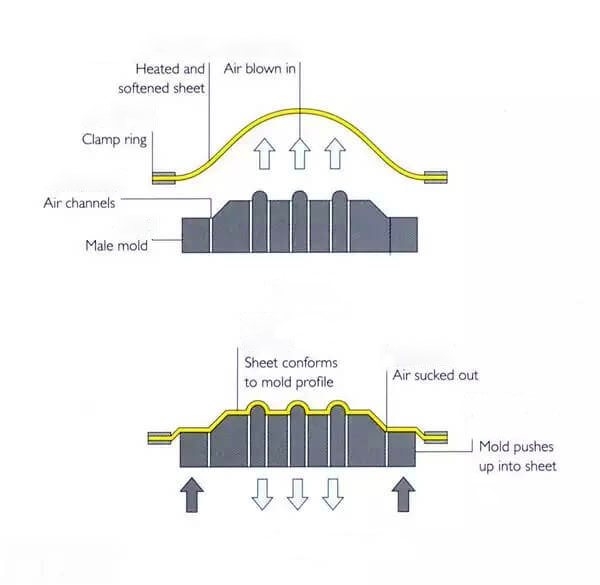
Thermoforming molds are designed for thermoplastic composites such as GMT and LFT, offering fast production cycles and cost efficiency.

2.4 Carbon Fiber / Autoclave Mold

These molds are used in high-performance applications requiring high temperature and pressure resistance, particularly in aerospace and premium automotive components.

3. Key Materials for Composite Mold Construction

  • Tool Steel: High durability and wear resistance for mass production
  • Aluminum Alloy: Lightweight with excellent thermal conductivity
  • Composite Tooling: Cost-effective for large or low-volume molds
  • Invar: Low thermal expansion for precision aerospace tooling

Material selection directly affects tool life, surface quality, cycle time, and overall production cost.

4. Composite Mold Construction Process

Composite Mold CNC Machining and Assembly

4.1 CAD/CAE Design

Advanced engineering includes:

  • 3D modeling and surface optimization
  • Mold flow simulation and filling analysis
  • Thermal distribution and curing simulation

4.2 CNC Machining

High-precision 5-axis CNC machining ensures accurate reproduction of complex geometries and tight tolerances.

4.3 Heat Treatment

Improves hardness, wear resistance, and dimensional stability of the mold.

4.4 Surface Finishing

Includes polishing, coating, and texturing to achieve Class-A surface quality.

4.5 Assembly and Testing

Final assembly integrates heating systems, cooling channels, and ejector mechanisms, followed by mold trials and validation.

5. Critical Design Considerations

  • Thermal Management: Ensures uniform curing and reduced cycle time
  • Resin Flow Control: Prevents defects such as voids and dry spots
  • Ventilation Design: Eliminates trapped air
  • Structural Rigidity: Maintains dimensional accuracy under pressure
  • Ease of Maintenance: Modular design for quick servicing

6. Applications of Composite Molds

  • Automotive: Body panels, EV battery enclosures, structural parts
  • Construction: FRP panels, GRP water tanks, building components
  • Electrical: Insulation housings and switchgear parts
  • Aerospace: Lightweight structural components
  • Energy: Wind turbine and industrial composite structures
Composite Mold Automotive and FRP Applications

7. Advantages of Advanced Composite Mold Construction

  • High dimensional accuracy and consistency
  • Reduced cycle time and improved efficiency
  • Superior surface finish
  • Long service life
  • Support for complex integrated designs

8. Challenges and Optimization Solutions

  • Complex Mold Design: Solved through CAE simulation
  • Thermal Control Issues: Optimized heating systems
  • High Initial Cost: Offset by long-term productivity
  • Material Handling: Requires strict process control

9. Future Trends in Composite Tooling

  • AI-driven mold design and process optimization
  • Industry 4.0 smart manufacturing integration
  • Rapid tooling and additive manufacturing
  • Recyclable and sustainable composite tooling materials

Conclusion

Composite mold construction is a core technology enabling modern composite manufacturing. From SMC mold and BMC tooling to advanced carbon fiber mold systems, high-quality tooling determines product performance, efficiency, and long-term competitiveness.

At MDC, continuous innovation in composite mold design, precision machining, and advanced tooling engineering ensures reliable solutions for global customers in automotive, construction, and industrial sectors.

How Composite Materials Extend EV Range Through Lightweighting

Advanced composite molding technologies such as SMC, BMC, and compression molding significantly reduce vehicle weight, improve energy efficiency, and extend EV driving range.

Under the rapid expansion of the global new energy vehicle (NEV) industry and the implementation of carbon neutrality and carbon peaking strategies, improving energy efficiency and driving range has become a core objective of automotive manufacturing upgrades.

Industry data shows that every 10% reduction in vehicle weight can reduce fuel consumption of internal combustion vehicles by 6–8%, while increasing electric vehicle driving range by 5–10%. As a result, automotive lightweighting has become a critical technical pathway to balance performance, efficiency, and sustainability.

Composite Materials as the Foundation of Automotive Lightweighting

Advanced composite materials are increasingly replacing traditional metallic materials due to their unique combination of high specific strengthlow density, and design flexibility.

Common automotive composite materials include carbon fiber reinforced polymers (CFRP)glass fiber reinforced plastics (GFRP), and basalt fiber reinforced composites.

Compared with steel and aluminum alloys, composite materials typically offer:

  • Density only one-quarter to one-third of steel
  • Specific strength 3–6 times higher than conventional metals
  • Component weight reduction of 30–60%
  • Overall vehicle mass reduction of 10–30%

In addition to weight reduction, composites provide excellent corrosion resistance, fatigue performance, vibration damping, and noise reduction, significantly lowering long-term maintenance costs.

Composite Materials EV

Lightweight Composite Applications in Vehicle Body Structures

In modern vehicle body design, composite materials are widely used in body frames, doors, hoods, tailgates, and roof structures. Through integrated molding processes, CFRP and GFRP components can achieve weight reductions of 35–50%.

Composite body structures also enable optimized aerodynamic designs, reducing driving resistance and improving overall energy efficiency. In several new energy vehicle platforms, the adoption of composite body structures has resulted in double-digit improvements in driving range.

Chassis and Powertrain Lightweighting with Composite Molding

Composite materials play a critical role in chassis and powertrain systems, particularly in suspension components, drive shafts, and structural reinforcements. Reducing unsprung mass improves vehicle handling, ride comfort, and energy utilization.

Carbon fiber composite drive shafts can reduce weight by more than 40% compared with steel alternatives, while improving power transmission efficiency by 5–8%.

For electric vehicles, EV battery enclosures represent one of the most important lightweighting targets. GFRP composite battery housings offer:

  • More than 50% weight reduction compared with steel enclosures
  • Excellent fire resistance and impact protection
  • Superior water sealing and corrosion resistance

These composite solutions directly contribute to lower vehicle energy consumption and extended driving range.

Interior System Lightweighting and Functional Integration

Lightweight composite materials are increasingly applied to interior components such as seat frames, instrument panel carriers, and door inner panels. Typical weight reductions range from 25–40%.

Composite seat frames can be up to 50% lighter than steel frames, improving space utilization and vehicle packaging efficiency. Glass fiber reinforced thermoplastic instrument panel carriers also provide improved acoustic performance and vibration damping.

Composite Materials EV

Advanced Composite Manufacturing and Tooling Technologies

Continuous innovation in materials and processes is accelerating the large-scale adoption of composites in automotive manufacturing.

Key composite molding technologies include:

  • SMC and BMC compression molding
  • High-pressure resin transfer molding (HP-RTM)
  • Automated fiber placement (AFP)
  • Advanced composite tooling and press mold systems

These technologies enable stable quality, high production efficiency, and cost-effective mass manufacturing for global automotive platforms.

Sustainability and the Future of Automotive Composites

Automotive lightweighting is closely linked to sustainability. Lighter vehicles consume less energy throughout their lifecycle, contributing to lower emissions and reduced environmental impact.

Emerging trends such as recyclable composites, bio-based resin systems, and digital process monitoring are further enhancing the sustainability of composite automotive manufacturing.

Conclusion

Composite materials have become the core enabler of automotive lightweighting, directly supporting energy efficiency improvements and extended driving range for both conventional and electric vehicles.

With continuous advances in composite molding technologiescompression molding tooling, and automotive composite applications, the automotive industry is accelerating toward lighter, more efficient, and more sustainable vehicle architectures.

Temperature Effects on Fatigue of Thermoset and Thermoplastic Composites

A professional analysis of how temperature influences the static and fatigue performance of thermoset and thermoplastic composites, and what it means for compression mold.

As industries push toward lightweight, high-efficiency, and long-duration structures, the mechanical performance of thermoset composites and thermoplastic composites under extreme environmental conditions has become a critical research topic. Applications in aerospaceautomotivenew energy, and industrial machinery demand composite materials that maintain high stiffness, strength, and fatigue resistance across large temperature variations.

In a recent study, researchers evaluated one commercial thermoset material and two high-performance thermoplastic composites in the temperature range of −30°C to +120°C. These conditions simulate real operating environments such as winter cold starts, under-hood temperatures in vehicles, and heating cycles found in industrial systems. The research provides new insights highly relevant to manufacturers of composite toolingcompression molds, and high-temperature composite components.

1. Static Mechanical Performance: Thermoset vs. Thermoplastic Composites

Tensile tests performed across the full temperature range reveal clear differences in the static behavior between thermoset and thermoplastic materials. The evaluated thermoset composite maintains a relatively stable modulus and tensile strength even as temperature approaches +120°C, confirming its suitability for high-temperature composite mold applications and structural components in automotive environments.

In contrast, the two thermoplastic composites exhibit more significant variations in stiffness and elongation. Their temperature-dependent viscoelastic behavior leads to reduced modulus at high temperatures but improved impact performance at low temperatures. This duality makes them ideal for parts manufactured through compression molding, especially components requiring energy absorption.

thermoforming

2. Fatigue Behavior Under Extreme Temperatures

The fatigue test results highlight temperature as a dominant factor in long-term structural reliability. At elevated temperatures, polymers undergo chain mobility changes and microstructural relaxation, accelerating fatigue damage. The thermoplastic materials show greater sensitivity to this effect, while the thermoset composite demonstrates superior high-temperature fatigue resistance due to its highly cross-linked network.

This is particularly important for manufacturers of compression-molded composite parts, including:

  • Automotive underbody protection systems
  • EV battery structural housings
  • Engine compartment covers
  • High-load brackets and cross-car beams
  • Industrial pump and motor components

MDC’s expertise in SMC moldBMC moldcarbon fiber mold, and thermoplastic composite mold development ensures reliable processing for these demanding applications.

3. Implications for Composite Mold and Compression Molding Production

Understanding the temperature-dependent fatigue behavior is essential not only for material selection but also for designing advanced composite moulds and compression tooling. Mold temperature control, heating uniformity, and optimized venting must all be aligned with the specific thermal response of the material.

For example:

  • Thermoset composites (e.g., SMC, BMC) require precise temperature control (135–160°C) to ensure full curing.
  • Thermoplastic composites (e.g., LFT, CF-reinforced PP) need rapid heating & cooling cycles to maintain consistency.
  • Carbon-fiber hybrid composites demand stable mold rigidity and low thermal distortion for aerospace-grade accuracy.

These factors directly influence mold lifespan, cycle time, and part repeatability—areas where MDC Mould has extensive industrial experience.

4. Research Funding and Industrial Context

This study is partially funded by the Italian Ministry of Enterprises and Made in Italy (MIMIT) under the project: “New Generation of Modular Intelligent Oleo-dynamic Pumps with Axial Flux Electric Motors.” The research aligns strongly with global industry trends in improving thermal stability and mechanical reliability of composite components used in motors, pumps, automotive assemblies, and energy systems.

Conclusion

The investigation into the temperature-dependent fatigue performance of thermoset and thermoplastic composites provides critical insights for high-precision composite manufacturing. As the automotive and energy industries transition toward lightweight structures, the demand for temperature-resistant, high-fatigue-strength materials will continue to rise.
With advanced technical capability in SMC moldsBMC moldscarbon fiber moldsthermoplastic composite molds, and large-format composite toolingMDC Mould is positioned to support global customers developing next-generation high-performance composite parts.

Next-Gen Compression Molds: Leveraging DMLS 3D Printing Technology

A comprehensive computational study demonstrates Direct Metal Laser Sintering (DMLS) as a viable, material-efficient alternative for compression mold and SMC mold manufacturing.

A recent computational analysis demonstrates that DMLS-produced metal molds—featuring honeycomb internal structures—can meet the structural and thermal demands of compression molding while reducing material usage by up to 74% compared to conventionally machined molds. This breakthrough has direct implications for high-precision SMC moldcompression mold, and advanced composite tooling applications.

compression-mold
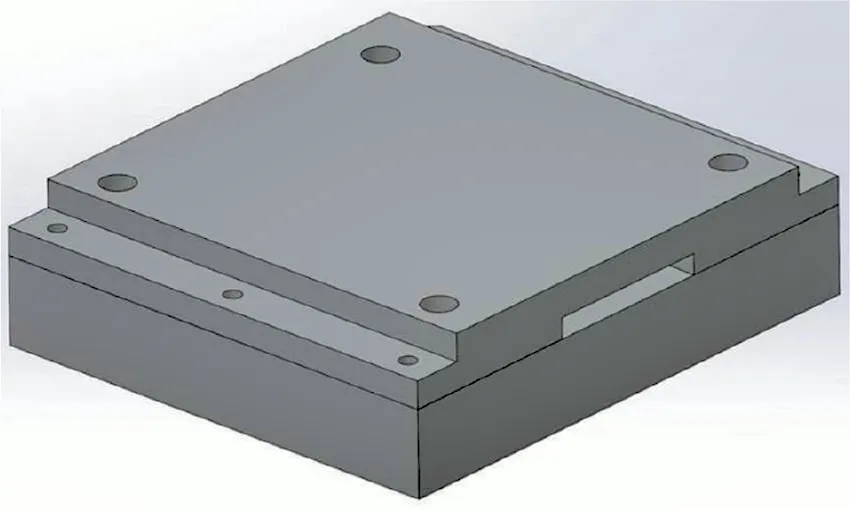
Figure: Concept illustration of a DMLS honeycomb compression mold (image for illustration only).

Executive summary

Traditional compression mold fabrication relies on subtractive machining—CNC milling, turning, and EDM—to produce high-precision tooling. While accurate, these methods incur long lead times, high tooling steel consumption, and substantial material waste. The computational study summarized here evaluates Direct Metal Laser Sintering (DMLS) as an alternative production route for compression mold tooling. Key findings include:

  • DMLS mold with an internal honeycomb lattice achieved the design criterion of maximum deflection ≤ 0.001 inches under realistic molding pressures and temperatures.
  • The additive mold used approximately 74% less material than a conventionally machined equivalent.
  • Design freedom enabled by DMLS allows internal topology optimization, conformal cooling channel placement, and mass reduction without compromising stiffness.

1. Why DMLS matters for compression molds and SMC tooling

Direct Metal Laser Sintering (DMLS) is a powder-bed fusion metal additive manufacturing technology that constructs parts layer-by-layer using a focused laser to fuse metal powder. For compression mold and SMC mold manufacturers, DMLS offers several strategic advantages:

1.1 Material and cost efficiency

Additive lattice and honeycomb designs drastically reduce the volume of expensive tool steel required for large molds. The reported 74% material savings translate directly into lower material cost and reduced machining allowance when hybrid finishing (DMLS + CNC) is applied.

1.2 Geometric freedom and thermal control

DMLS enables features that are difficult or impossible to machine: internal lattices for light-weighting, integrated conformal cooling channels for thermal uniformity, and topology-optimized ribs that maximize stiffness per unit mass—capabilities that are especially beneficial for high-volume compression tooling.

1.3 Shorter development cycles

For R&D, prototype molds, or low-volume specialized tools, DMLS reduces lead times by removing complex multi-step machining processes. Iterations—such as channel geometry or reinforcement—can be implemented directly in the CAD model and printed without the need for expensive fixturing changes.

Mold-A-currently-existing-mold-CNC-manufactured

2. Computational approach: validating structural and thermal performance

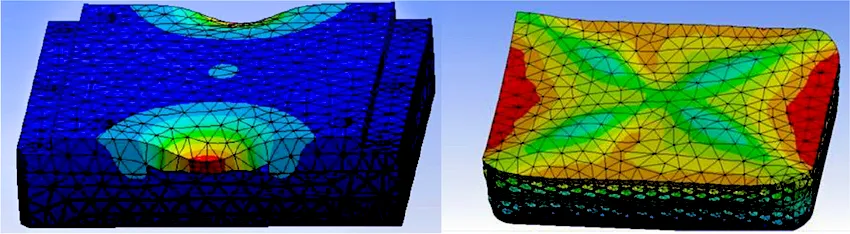
The study compared two mold concepts under identical molding conditions: a solid machined steel mold (reference) and a DMLS-manufactured mold with a honeycomb internal structure. Finite Element Analysis (FEA) evaluated mechanical deflection under molding pressure and thermal gradients representative of SMC compression cycles.

2.1 Structural analysis

Using linear and non-linear static simulations, the DMLS honeycomb mold maintained a maximum deflection below the stringent tolerance of 0.001 inches. The lattice geometry was tuned to concentrate material along principal stress paths while removing mass in low-stress regions.

2.2 Thermal analysis

Transient thermal simulations modeled heat input during a typical compression-curing cycle and subsequent cooling. The DMLS mold’s lower thermal mass (due to internal cavities) required active thermal management—implemented via conformal cooling channels—to ensure uniform cure and avoid hot spots. With conformal cooling, temperature differentials were within acceptable process windows.

2.3 Hybrid finishing strategy

The research emphasized a hybrid workflow: DMLS for the internal topology and near-net shape plus precision CNC finishing on critical mating surfaces. This approach ensures required surface finish and dimensional tolerances, while still preserving the material and time advantages of additive production.

3. Design recommendations for metal-AM compression molds

Based on computational results and best practices, the following guidelines are recommended when applying DMLS to compression mold tooling:

  • Topology-aware lattice design: Orient honeycomb or lattice reinforcement along primary load paths; avoid uniform porosity that undermines stiffness.
  • Conformal cooling integration: Place channels close to the cavity surface with controlled channel cross-sections to optimize heat extraction and cycle time.
  • Post-process planning: Design for CNC finishing allowance on sealing faces and parting lines; determine regions for stress-relief heat treatment to minimize residual stresses from AM.
  • Material selection: Use tool steels and maraging steels compatible with DMLS and post-heat-treatment to achieve required hardness for long tool life.
  • Quality assurance: Implement non-destructive testing (NDT) for internal porosity and coordinate metrology for cavity dimension verification.
moldflow

4. Manufacturing, sustainability, and cost considerations

While DMLS reduces raw material waste, manufacturers must evaluate machine time, powder costs, and post-processing expenses. Key considerations include:

  • Powder reuse strategies to minimize consumable costs.
  • Energy consumption of large-format DMLS machines versus conventional machining centers.
  • Tool life and maintenance: Ensure DMLS tool surface treatments or coatings to meet abrasive wear of SMC compounds.
  • Lifecycle analysis: Lowered steel usage and reduced machining waste contribute positively to environmental impact when balanced against AM energy use.

Practical conclusion: For mid-to-high complexity molds and R&D tooling, DMLS (combined with CNC finishing) is often economically and technically superior. For simple, very large-volume tooling with minimal internal features, traditional machining may still be preferable.

5. Implications for MDC Mould and the composite tooling industry

For a composite tooling specialist like MDC Mould, DMLS represents a strategic technology to complement existing CNC and EDM capabilities. Specific opportunities include:

  • Rapid prototype compression molds for SMC and BMC trials.
  • Optimized molds with conformal cooling to reduce curing cycle time and improve part consistency.
  • Customized lightweight tooling for large composite parts where handling and transport costs are significant.
  • Hybrid production lines in which DMLS cores are enclosed by conventionally manufactured cladding to balance cost and performance.

Adopting DMLS helps MDC strengthen its service offering for automotive SMC body panels, EV enclosures, structural composite parts, and specialized thermoforming tooling.

6. Recommended next steps for industrial adoption

  1. Run pilot projects combining DMLS-produced cores with CNC-finished faces for representative SMC mold designs.
  2. Perform full-cycle mold trials to validate wear resistance, demolding behavior, and part quality.
  3. Establish an internal AM design-for-manufacture (DfAM) guideline focused on lattice sizing, channel diameter, and post-processing sequences.
  4. Engage material suppliers to certify tool-steel powders specific to SMC process abrasion and thermal cycles.

Conclusion

This computational study demonstrates that DMLS is a technically viable option for modern compression mold manufacturing. When combined with conformal cooling and hybrid finishing strategies, DMLS molds can meet the strict structural and thermal demands of SMC compression processes while delivering substantial material savings and enhanced design freedom. For SMC mold and composite tooling providers, integrating DMLS into the manufacturing mix will open new possibilities for performance, sustainability, and rapid iteration.

Contact MDC Mould to learn how we integrate additive manufacturing with precision CNC finishing for next-generation compression molds: Contact us.

Core keywords: DMLS, compression mold, SMC mold, composite tooling, metal additive manufacturing, honeycomb mold, conformal cooling.

High-Performance Composite Materials for Extreme Environments

Explore how advanced composite materials and precision tooling developed by MDC Mould enable reliable performance under extreme temperatures, pressures, corrosion, and radiation conditions.

As aerospace propulsion systems push their thrust-to-weight ratios beyond 15 and deep-sea exploration equipment advances toward operational depths of 11,000 meters, extreme environments have become the ultimate testing grounds for material technology. Temperatures exceeding 1500°C, pressures above 100 MPa, long-term corrosion, and high-radiation conditions demand materials that combine ultra-high stability with exceptional reliability.

In recent years, continuous innovation in SMC moldcompression mold design, fiber architecture, matrix systems, and precision tooling has driven high-performance composites from laboratory prototypes to large-scale engineering applications. These advancements are particularly aligned with MDC Mould’s long-term expertise in composite mold manufacturing and high-precision thermoforming processes.

1. Aerospace & Propulsion Systems: High-Temperature and High-Load Applications

In aerospace engines, where combustion chamber temperatures can exceed 1500°C and structural components undergo millions of thermal cycles, advanced composites now demonstrate mechanical properties once exclusive to superalloys.

1.1 Ceramic Matrix Composites (CMCs)

CMC materials with SiC/SiC architecture retain strength above 1300°C, reduce weight by 35–50%, and improve fatigue resistance. These are now utilized in combustion liners, blade shrouds, and thermal shielding components.

1.2 Carbon–Carbon Composites

In hypersonic vehicle structures, C/C composites offer ultra-high ablation resistance and dimensional stability under repeated thermal shocks, supporting Mach 6+ trajectories and extreme flight profiles.

1.3 Precision Mold & Tooling for Aerospace Composites

The demand for defect-free molding surfaces and fiber consistency drives the use of large-format compression molds, high-pressure SMC tools, and autoclave-compatible composite molds — areas where MDC Mould is continuously innovating in thermal management and demolding performance.

composite

2. Deep-Sea Engineering: Surviving 110 MPa Pressure

Deep-sea environments impose unique challenges requiring materials that balance strength, corrosion resistance, and long-term durability.

2.1 Pressure-Resistant Composite Structures

Basalt fiber reinforced composites have been implemented in full-ocean-depth equipment. At water depths of 11,000 m, composite housings maintain 92% compressive strength retention with no microcrack propagation.

2.2 Marine Corrosion-Resistant Composites

Glass fiber reinforced vinyl ester composites show minimal mass loss (<0.3%) after 10,000 hours of salt-spray exposure. These materials are increasingly used in walkways, cable channels, and offshore structural systems.

2.3 High-Pressure Composite Piping

Carbon-fiber composite high-pressure RO pipes elevate allowable pressure from 8 MPa (steel) to 12 MPa while reducing system weight by 70%—improving efficiency in large-scale desalination facilities.

3. Energy & Nuclear Engineering: Materials Built for 60-Year Lifecycles

In nuclear power, hydrogen energy, geothermal systems, and next-generation reactors, materials must withstand heat, radiation, and chemical degradation for decades without structural compromise.

3.1 Radiation-Resistant Composite Systems

Multi-phase resin matrices incorporating ceramic fillers have demonstrated significant improvements in neutron-radiation resistance and dimensional stability.

3.2 Composite Tooling for Energy Applications

Large composite tooling — particularly high-temperature composite molds and compression systems — enable defect-free forming of thick laminate structures for shielding and containment applications.

4. Industrial Equipment: Lightweight, High-Strength, High-Precision

From semiconductor manufacturing to power transmission and intelligent equipment, the industrial sector is increasingly adopting high-performance composites for precision components that require stiffness, minimal deformation, and long service life.

4.1 Precision Structural Frames

Carbon-fiber reinforced epoxy structures provide 3–5× stiffness-to-weight advantages over metal frames, supporting micron-level positional accuracy in high-speed production equipment.

4.2 Corrosion-Resistant Chemical Equipment

Composite tanks, valves, and covers benefit from tailored resin systems and C-glass reinforcement, offering outstanding acid and alkali resistance under long-term continuous operation.

composite2

5. From Lab Innovation to Large-Scale Engineering: Key Enablers

The transformation of composite materials into extreme-environment applications depends on breakthroughs in five core areas:

  • Microscale fiber architecture optimization for better load transfer
  • High-purity, high-temperature matrix systems (CMC, BMI, PEEK, cyanate ester)
  • Advanced compression molding technologies delivering repeatable accuracy
  • Precision composite tooling with improved thermal control and demolding performance
  • Automated fiber placement & intelligent RTM improving consistency and throughput

MDC Mould’s continuous improvement in SMC MoldComposite Mold, and Compression Tooling provides an essential foundation for these engineering breakthroughs.

Conclusion

Extreme environments — high temperature, high pressure, corrosion, and radiation — represent the highest evaluation criteria for advanced materials. High-performance composites, driven by innovations in matrix chemistry, fiber design, and precision tooling, are rapidly becoming the core solution for next-generation aerospace, marine, energy, and industrial systems.

With proven expertise in hot-press composite tooling, SMC molds, BMC molds, high-temperature compression molds, and advanced composite manufacturingMDC Mould will continue supporting global industries with engineering-grade solutions that push the boundaries of material performance.

Curing Cycle Optimization in Compression Molding

Discover how Zhejiang MDC Mould optimizes the curing cycle in compression molding to enhance the strength, precision, and efficiency of composite components for automotive and industrial applications.

In the field of compression molding for composite materials, the curing cycle is one of the most decisive factors determining product performance, dimensional accuracy, and production efficiency. At Zhejiang MDC Mould Co., Ltd., mastering the curing cycle is not just process control—it is the essence of MDC’s precision engineering and its leadership in advanced composite mold manufacturing.

What Is the Curing Cycle in Compression Molding?

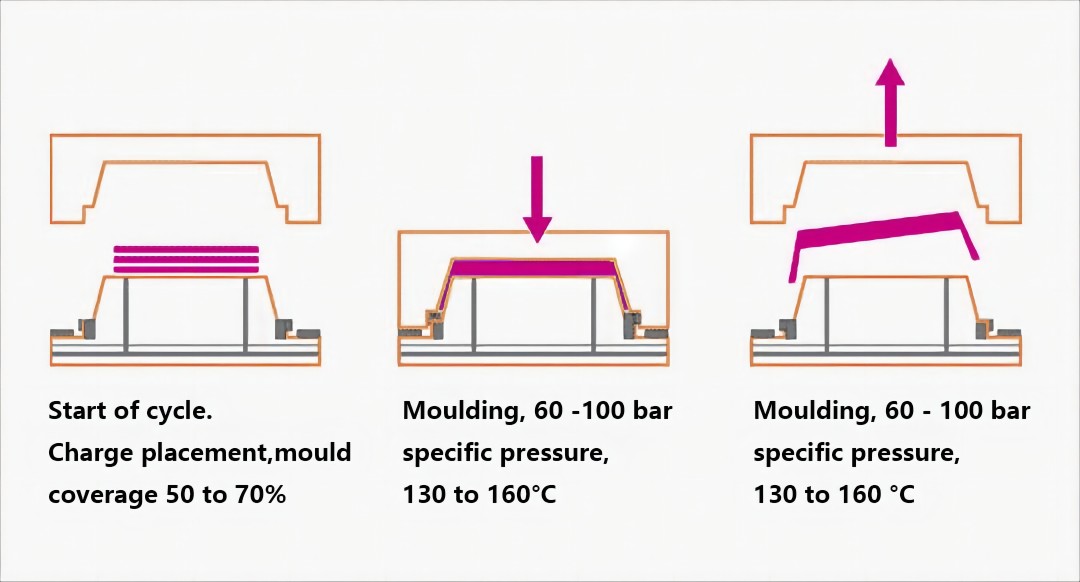
The curing cycle refers to the specific combination of time, temperature, and pressure applied to thermosetting composite materials within a compression mold. During this stage, materials such as SMC (Sheet Molding Compound) or BMC (Bulk Molding Compound) undergo crosslinking reactions that transform them from a semi-solid state into a rigid, durable component with stable mechanical properties.

A typical curing cycle involves three stages:

  • Heating phase: The mold is heated (130°C–170°C) to initiate resin polymerization.
  • Holding phase: The material remains under constant heat and pressure for full crosslinking.
  • Cooling phase: Controlled cooling solidifies the material and reduces internal stress before demolding.
compression-mould-machine

Why Curing Cycle Optimization Matters

For high-precision SMC and BMC molds designed by MDC, controlling the curing cycle is essential for ensuring consistent quality. If the curing cycle is too short, the resin may not fully crosslink, leading to surface or strength defects. If too long, unnecessary energy consumption and lower production efficiency result.

An optimized curing cycle ensures:

  • Stable mechanical performance — full crosslinking enhances strength and durability.
  • Dimensional precision — balanced curing prevents deformation and shrinkage.
  • Superior surface finish — precise curing leads to smooth, paint-ready surfaces.
  • Higher production efficiency — shorter cycles increase output and reduce costs.

Factors Influencing the Curing Cycle

The curing behavior within a compression mold depends on multiple factors:

  • Resin system: Polyester, epoxy, and phenolic resins each have distinct curing characteristics.
  • Reinforcement type: Fiber orientation, filler type, and content affect heat transfer.
  • Part geometry: Thicker sections require longer curing times to achieve uniformity.
  • Mold temperature control: Even heating ensures consistent curing throughout the cavity.
  • Venting and pressure: Proper venting avoids trapped air and ensures smooth resin flow.

MDC’s Engineering Approach to Curing Cycle Management

At MDC Mould, every compression mold is engineered with precise thermal management in mind. The company integrates finite element simulation and thermal flow analysis to predict temperature uniformity and curing behavior across complex cavities. This allows engineers to optimize the mold’s heating system and define ideal processing parameters before production begins.

MDC also utilizes:

  • Embedded thermal sensors for real-time temperature monitoring.
  • High-efficiency heating channels for rapid, uniform heat distribution.
  • Digital data systems linking process control with resin curing kinetics.

This approach ensures that each mold achieves an optimal balance between curing time, temperature, and pressure—guaranteeing reliable and repeatable composite part quality.

Case Study: SMC Roof Panel Mold for Electric Vehicle

In a recent project, MDC developed an SMC roof panel compression mold for a leading new energy vehicle manufacturer. By applying advanced thermal simulations and refining the curing schedule, MDC reduced the total cycle time by 20% while maintaining full crosslinking and high-gloss surface quality. The optimized curing cycle also minimized energy consumption and extended mold lifespan.

This success demonstrates MDC’s unique capability to merge curing cycle control with compression mold design excellence.

The Future of Curing Technology in Compression Molding

The next stage of curing optimization lies in smart manufacturing. MDC is developing intelligent compression molding systems that integrate AI-based thermal management, real-time curing monitoring, and predictive control algorithms. These innovations enable adaptive process adjustments—ensuring consistent curing performance, reduced energy use, and faster production cycles.

Conclusion

The curing cycle represents the heart of the compression molding process. Its precision defines not only the mechanical strength and dimensional accuracy of composite products but also overall manufacturing efficiency and sustainability. Through decades of experience and technological innovation, Zhejiang MDC Mould Co., Ltd. continues to advance the science of curing cycle optimization, delivering superior compression molds that empower global composite production with quality, consistency, and intelligence.

Preheating Compression Moulds: Enhancing Efficiency and Quality in Composite Molding

Learn how MDC Mould applies advanced preheating technology in compression moulds to improve composite molding performance, product quality, and production stability.

In the field of compression molding for composite materials, precise temperature control is the foundation of product stability and mold longevity. Among the most critical yet often underestimated steps is preheating the compression mold. At MDC Mould, this process is considered a key factor in achieving high-performance results for SMC, BMC, and carbon fiber components.

Why Preheating Compression Molds Matters

The compression molding process involves applying heat and pressure to a composite charge within a mold cavity. If the mold is not adequately preheated before production, material flow becomes unstable, leading to defects such as voids, incomplete curing, or warping. MDC’s engineering experience shows that maintaining precise mold temperature from the first cycle is vital to achieving dimensional consistency and optimal resin cross-linking.

  • Ensures even material flow and uniform curing;
  • Prevents air entrapment and surface imperfections;
  • Improves resin-fiber bonding strength;
  • Extends mold life by reducing thermal stress shock.

The Science of Mold Preheating

Different composite systems—such as SMC (Sheet Molding Compound)BMC (Bulk Molding Compound), and carbon fiber-reinforced composites—require specific mold temperatures for optimal molding conditions. Typically, SMC and BMC molds operate between 130°C and 160°C, while aerospace-grade carbon fiber applications may require preheating up to 180°C or beyond.

MDC’s hot press molds integrate precision heating channels and temperature sensors to maintain balanced thermal distribution across large and complex cavity surfaces. This uniformity minimizes localized hot spots and ensures consistent material flow during the entire molding cycle.

compression molds

Mold Preheating Methods Used at MDC

MDC utilizes a range of preheating systems according to material type and production scale:

  • Electric heating systems – offering precise and independent control for each mold zone;
  • Oil heating systems – providing steady, even temperature for large or multi-cavity molds;
  • Steam and hot-water preheating – suitable for low to mid-temperature composite applications;
  • Integrated PID control – ensuring real-time temperature regulation and safety monitoring.

Through advanced mold design and thermal simulation, MDC engineers ensure that heat transfer efficiency is maximized while minimizing energy loss, resulting in shorter preheating times and stable production.

Benefits of Proper Mold Preheating

Preheating a compression mold properly has direct impact on final product performance and overall production efficiency. Benefits include:

  • Enhanced surface quality – reduced flow marks and resin-rich zones;
  • Stable cycle times – consistent curing rates and dimensional control;
  • Increased mechanical properties – improved tensile and flexural strength;
  • Reduced energy waste – improved heating efficiency and fewer startup defects.

MDC’s Engineering Approach

At MDC, every compression mould is designed with precision and long-term durability in mind. The company integrates thermal analysis and simulation into its design phase, allowing engineers to predict heat flow, temperature gradients, and curing uniformity. This predictive approach ensures that each mold delivers stable performance even under continuous production conditions.

MDC’s preheating solutions are particularly beneficial for:

  • SMC auto parts such as bumpers, battery covers, and trunk boards;
  • BMC electrical components requiring high dimensional precision;
  • Carbon fiber structural parts in aerospace and industrial sectors.

Future Trends in Compression Molding Temperature Control

As composite manufacturing advances, mold temperature systems are becoming increasingly intelligent. MDC is developing new-generation preheating and thermal management solutions featuring real-time data acquisition, energy-efficient heating technologies, and smart temperature regulation to further enhance product quality and sustainability.

Conclusion

Preheating is not just a preparatory step — it is a foundation for precision molding. Through continuous innovation in compression mold design and temperature control technologyMDC Mould empowers manufacturers to achieve higher efficiency, stability, and quality in composite production. MDC remains committed to advancing composite mold engineering for a lighter, stronger, and more sustainable future.

Optimization Techniques in Compression Moulding — Insights for High-Precision SMC Tooling

Learn how advanced optimization methods in compression moulding improve process stability, product quality, and production efficiency.

Recent studies, such as “Optimization Techniques in Compression Moulding: A Comprehensive Review” (Materials Science Forum, 2024), provide valuable insight into how process parameters, materials, and design strategies influence the quality and performance of molded composite parts. At Zhejiang MDC Mould Co., Ltd., these research findings are directly reflected in our development of advanced SMC and BMC molds for automotive, electrical, and construction industries.

Why Optimization Matters in Compression Moulding

Compression moulding remains one of the most efficient methods for manufacturing high-strength, thermoset and thermoplastic composite components. However, parameters such as mould temperature, pressure, preheat time, and curing cycle have a significant impact on mechanical properties and surface quality. Improper control leads to defects like warpage, porosity, or uneven fiber orientation. Optimization therefore becomes essential — not only to enhance part quality, but also to minimize cycle time, material waste, and energy consumption.

compression molding process

Key Process Parameters Identified in Research

The reviewed paper summarizes more than 25 studies on compression moulding optimization. The most influential parameters include:

  • Mould Temperature: Directly affects resin flow, cure rate, and part dimensional accuracy.
  • Compression Pressure: Determines fiber wet-out and void content; typically ranges from 50–150 bar for SMC/BMC systems.
  • Moulding Time: Controls complete curing without over-heating or resin degradation.
  • Preheat and Material Charge Weight: Influence the uniformity of fiber distribution and part density.

Studies applying Taguchi methods and Response Surface Methodology (RSM) confirm that optimized combinations of these factors yield higher tensile and flexural strength while reducing shrinkage and surface defects.

Modern Optimization Techniques

The paper highlights several powerful optimization tools now used by leading manufacturers:

  • Taguchi Design of Experiments (DoE): Efficiently determines the effect of multiple variables with minimal trials.
  • Response Surface Methodology (RSM): Builds predictive models to find optimal temperature-pressure-time relationships.
  • Genetic Algorithms (GA): Search for global optima to avoid local minimum traps in complex parameter interactions.
  • Finite Element Simulation (FEM): Predicts fiber orientation, resin flow, and curing deformation to refine tooling design before production.
  • Artificial Neural Networks (ANN): Emerging data-driven method for predicting quality responses in nonlinear, multi-variable processes.

Connecting Research to MDC Engineering

At MDC Mould, the optimization principles described in the study are applied to every project. Our engineering team integrates CAE simulation, thermal analysis, and digital process validation throughout the mold-making workflow. By simulating resin flow and heat transfer, we minimize trial iterations and ensure Class-A surface finish and dimensional accuracy from the first shot.

Furthermore, MDC applies a data-driven approach to balance heating zone control, cavity venting, and ejection systems. This guarantees stable cure cycles, reduced air entrapment, and improved surface gloss in large-scale SMC parts such as EV battery covers, truck panels, and water tank components.

Sustainable Manufacturing Through Optimization

Optimization is not only about performance — it also contributes to sustainability. Advanced compression tooling shortens cure times and lowers energy use per cycle. Optimized resin distribution reduces waste and extends mold life. These improvements align with MDC’s goal of building eco-efficient composite molding systems for global customers.

The Future: Intelligent Compression Tooling

Looking ahead, MDC is exploring AI-assisted mold temperature control and real-time process monitoring. Combining sensor feedback with predictive models (inspired by RSM and ANN approaches) enables adaptive process correction during production — ensuring consistent quality even under varying material conditions.

Conclusion

Optimization research provides a strong scientific foundation for modern compression moulding. By integrating advanced algorithms and thermal simulation into tool design, MDC Mould continues to set new standards in SMC/BMC mold engineering. Every optimized parameter — from mold temperature to ejection force — translates directly into higher productivity, better surface finish, and longer tool lifespan.

For technical consultation or customized SMC compression mold design, contact our engineering team at www.zjmdc.com.

Low-Altitude Transportation Strategy: Opportunities for Composite Tooling and SMC Molds

China has upgraded low-altitude transportation to a national strategy. Discover how MDC’s SMC mold, BMC mold, compression mold, and composite tooling solutions support eVTOL, drones, and urban air mobility.

Introduction: A Strategic Leap for Low-Altitude Transportation

In September 2024, China took a decisive step by elevating low-altitude transportation from local pilot programs to a core element of its national transportation strategy. For industries engaged in lightweight, high-strength materials, particularly the composite mold and thermoset mold sector, this policy marks a milestone. The growing demand for eVTOLs (electric vertical take-off and landing aircraft), logistics drones, and emergency rescue vehicles has set the stage for a new era of urban air mobility (UAM).

From Pilot Programs to National Strategy

The Guideline for Pilot Applications of the Transport Powerhouse Initiative (2025) released by the Ministry of Transport officially included “Promoting High-Quality Development of Low-Altitude Transportation” in its 16 priority domains. This framework outlined specific routes for industrial application, urban planning, and regulatory mechanisms. It is no longer a fragmented experiment but a comprehensive national push, supported by clear timelines and measurable objectives.

Global Perspective: eVTOL Competition Heats Up

Worldwide, countries are investing heavily in eVTOL and drone technology. The United States has Joby Aviation and Archer Aviation advancing FAA certifications; Europe is promoting Volocopter and Lilium with EASA pathways; Japan and South Korea are piloting air taxi networks in metropolitan areas. China’s inclusion of low-altitude transport in its national plan not only aligns with this global race but accelerates domestic players’ ability to scale production, foster supply chains, and expand international competitiveness.

Low-Altitude Transportation Strategy

Composite Materials: The Core Enabler

Low-altitude aircraft demand materials with a combination of lightweight properties, high strength, durability, and resistance to fatigue. Traditional metals cannot meet these standards, which is why composite solutions dominate the sector:

  • Carbon Fiber Composites: Essential for load-bearing structures, with usage reaching 60%-70% of eVTOL total weight.
  • SMC (Sheet Molding Compound) Molds: Provide fast-cycle molding for body panels, hatches, and structural shells.
  • BMC (Bulk Molding Compound) Molds: Used for precision electrical housings and heat-resistant components in propulsion systems.
  • Thermoset Molds: Enable high-temperature resistance and flame-retardant properties, critical for safety certifications.
  • Compression Molds: Ensure cost-effective mass production of large, complex parts while maintaining structural integrity.

MDC Mould, as a trusted composite mold manufacturer, provides advanced tooling for these processes, ensuring that parts meet aviation-level quality and consistency.

Technical Challenges and Mold Solutions

The rise of low-altitude mobility brings challenges in fatigue resistance, crash safety, fire resistance, and cost efficiency. Composite mold solutions directly address these:

  • Fatigue and Impact Resistance: MDC’s carbon fiber compression molds enable lightweight yet crashworthy structures.
  • Fire Safety: Thermoset molds for phenolic resin composites pass FAR 25.853 flame-retardant standards for aviation interiors.
  • Efficiency: Automated molding systems reduce cycle times by 40%, aligning with the fast growth of drone and eVTOL fleets.
  • Design Flexibility: Multi-cavity SMC molds provide scalable production for logistics drone components and air taxi interiors.

Market Outlook: A Trillion-Yuan Industry by 2030

According to industry forecasts, by 2030, China’s low-altitude transportation market may exceed 1.5 trillion RMB, with composite material applications surpassing 100 billion RMB. The key growth drivers include:

  1. Urban Air Mobility: eVTOL fleets could exceed 5,000 units domestically by 2027, creating massive demand for composite fuselage and wing molds.
  2. Logistics Drones: Large-scale deployment by courier giants will drive demand for cost-effective GFRP (glass fiber reinforced plastic) molds.
  3. Emergency Rescue Systems: Fire-retardant and impact-resistant thermoset composites will be essential in public safety and military-civilian integration projects.

MDC Mould’s Role in the Low-Altitude Economy

As a leading manufacturer of SMC molds, BMC molds, compression molds, and composite tooling, MDC Mould plays a pivotal role in enabling lightweight transportation solutions. Our expertise extends from tooling design to trial molding, ensuring clients can move seamlessly from prototype to mass production. By supporting global partners in automotive, aerospace, and industrial applications, MDC is strategically positioned to fuel the growth of China’s low-altitude economy.

Future Outlook: Building an Integrated Ecosystem

The success of low-altitude transportation will depend on integrated innovation. Composite mold suppliers like MDC must go beyond tooling to collaborate with aircraft manufacturers, simulation providers, and certification bodies. By building alliances and investing in next-generation materials such as thermoplastic composites and nano-enhanced fibers, MDC aims to stay ahead of industry transformation.

Conclusion

The elevation of low-altitude transportation to a national strategic level is more than a policy milestone—it is a call to action for the composite industry. With decades of expertise in compression moldsSMC moldsBMC molds, and thermoset tooling, MDC Mould stands ready to empower the eVTOL and drone revolution. The future of urban air mobility depends not only on visionary aircraft designs but also on the precision and reliability of the molds that make them possible.