As the global shipping industry accelerates toward its zero-carbon transition, the International Maritime Organization (IMO) has set an ambitious goal: reduce greenhouse gas emissions by 50% by 2050 compared to 2008 levels. To achieve this, zero-emission cargo ships powered by batteries, hydrogen, or ammonia will define the future of maritime transportation.
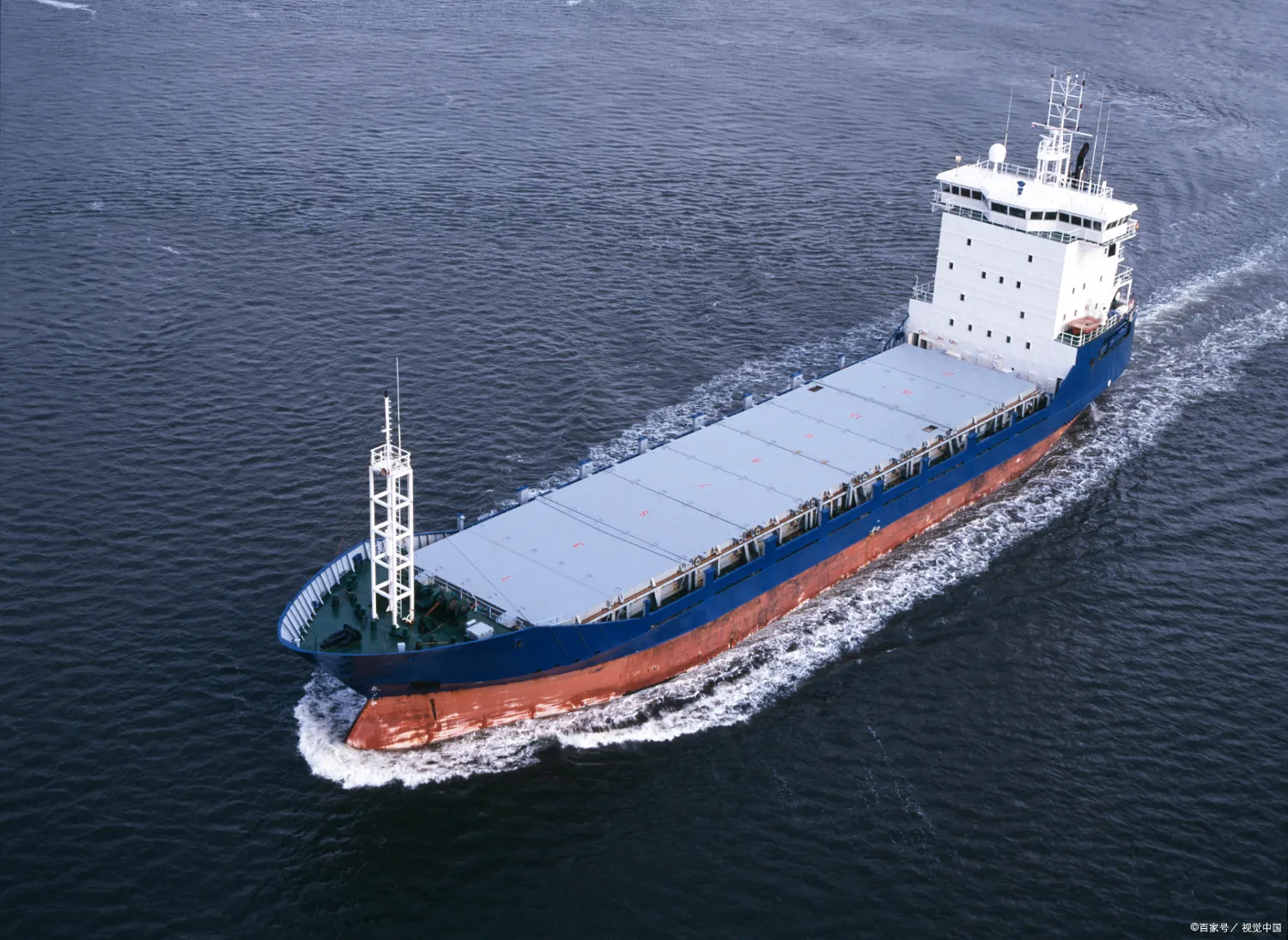
However, traditional steel-based vessels face severe limitations. Heavy self-weight, frequent maintenance, and poor efficiency hinder their compatibility with new energy systems. This is where composite materials—enabled by technologies such as compression molding, SMC mold, BMC mold, and FRP tooling—bring transformative advantages.
Limitations of Steel in Zero-Emission Shipping
- Weight vs. Endurance: A 2,000-ton steel ship requires battery packs accounting for 30% of its total weight just to cover 200 nautical miles, reducing cargo capacity dramatically.
- Corrosion & Maintenance: Steel corrodes quickly in marine environments, needing repainting every 2–3 years, which increases lifecycle costs and emissions.
- Hydrodynamic Inefficiency: Welded steel hulls suffer 15–20% higher drag compared to composite hulls, lowering propulsion efficiency.
Advantages of Composite Materials in Shipbuilding
Advanced composites such as GFRP (Glass Fiber Reinforced Plastics) and CFRP (Carbon Fiber Reinforced Plastics) deliver unmatched benefits:
- Lightweight Efficiency: Hull weight reductions of up to 44% with GFRP and 50%+ with CFRP, directly improving range and cargo capacity.
- Durability: Composite hulls last 25–30 years, compared to 15–20 years for steel, with far lower maintenance needs.
- Streamlined Hydrodynamics: Molding methods like compression molding and VARTM enable seamless hulls with reduced drag and enhanced efficiency.
Composite Applications Beyond the Hull
Composite materials also play key roles in propulsion and storage systems:
- Battery Housings: CFRP enclosures improve safety and reduce weight by up to 60%.
- Hydrogen Storage Tanks: CFRP-wrapped cylinders are 75% lighter than steel tanks.
- Ammonia Fuel Systems: Hybrid CFRP + PTFE tanks resist chemical corrosion while reducing mass.
- Propellers & Deck Equipment: CFRP/GFRP propellers improve propulsion efficiency by 12–15%.
MDC’s Role in Composite Shipbuilding
At Zhejiang MDC Mould Co., Ltd., we specialize in high-precision tooling for marine composites. Our portfolio includes SMC molds, BMC molds, compression molds, hot press molds, and FRP tooling, enabling scalable production of large and complex parts such as:
- Lightweight hull panels using GFRP and CFRP
- Battery housing systems for electric cargo ships
- Hydrogen and ammonia storage tank shells
- Composite propellers and marine equipment
By combining expertise in compression molding with advanced materials, MDC ensures efficient, durable, and cost-effective production solutions for the next generation of ships.
Future Outlook: Toward IMO 2050
With continuous innovations in composite materials and molding technologies, costs are expected to fall significantly by 2030. This will make composite vessels increasingly competitive with traditional steel or aluminum ships.
By 2030, composite-based cargo vessels are forecast to represent 40% of inland shipping and 25% of coastal fleets. As a leader in composite mold technology, MDC is committed to supporting global shipbuilders in achieving IMO’s 2050 decarbonization goals.