A press tool is a mechanical device used in various manufacturing processes to shape or cut material using a die, typically through mechanical or hydraulic means. Press tools are primarily utilized for operations such as stamping, bending, punching, blanking, forming, and deep drawing. These tools are crucial for producing high-precision, repeatable parts in industries ranging from automotive and aerospace to electronics and consumer goods manufacturing.
In this article, we will explore what press tools are, their types, applications, and the key factors that make them essential in modern industrial production. Additionally, we will dive into the design and maintenance considerations that contribute to the tool’s effectiveness and longevity.
Understanding Press Tools: The Basics
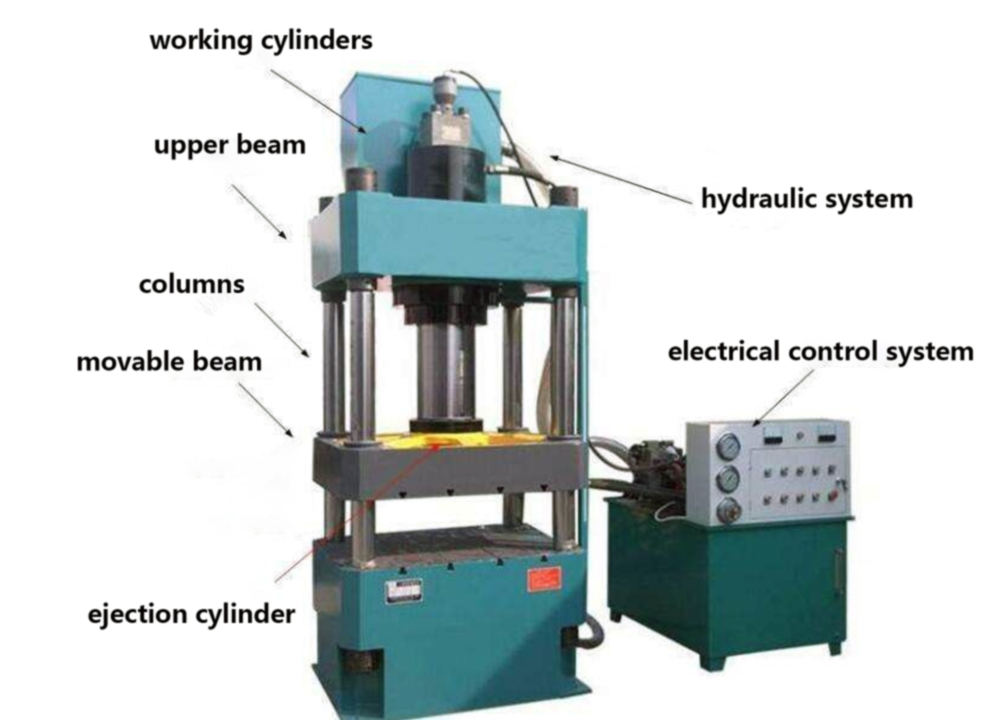
A press tool operates by applying force to a workpiece through a die. The die is designed to shape or cut the material in a specific manner based on the operation being performed. The force applied can be mechanical, hydraulic, or pneumatic, depending on the type of press used. This force is typically applied by a press machine, which can be powered either manually or via automated controls for higher volumes of production.
The press tool consists of several components:
- Die (or Mold): The heart of the press tool, it contains the cavity or shape into which the material is formed. Dies are usually made of high-strength steel for durability.
- Punch: The punch is used to exert pressure on the material to force it into the die.
- Ejector: The ejector pushes the formed part out of the die cavity.
- Guide Bushings: These help align the punch and die to ensure accurate forming of the material.
Types of Press Tools
Press tools can be classified based on their operation and the specific material processing required. Below are some of the most common types of press tools:
1. Cutting Press Tools
Cutting press tools are designed to cut or shear materials into shapes or parts. This is one of the most common applications of press tools. It includes operations like:
- Punching: Creating holes in a workpiece.
- Blanking: Cutting out a flat, desired shape from a sheet of material.
- Slitting: Cutting long strips from a sheet or coil.
- Notching: Removing small portions of material from a workpiece’s edge.
2. Forming Press Tools
Forming press tools shape materials without removing material, but rather by deforming the material to a desired shape. These tools include:
- Bending: Forming a part by bending the material along a straight line.
- Deep Drawing: Shaping a flat sheet into a three-dimensional shape like a cup or box.
- Embossing: Creating raised or recessed designs on the surface of a material.
3. Blanking Press Tools
Blanking involves cutting out a piece from a larger sheet of material to form the initial part. These are essential in producing parts that need to be further processed in other stages of manufacturing.
4. Progressive Press Tools
Progressive press tools are used in continuous stamping processes, where the material is fed through a series of dies in a single pass. Each die performs a different operation, such as punching, bending, or blanking, and the part is progressively shaped until the final form is reached.
5. Transfer Press Tools
Transfer press tools involve the movement of material from one die to another, often used in more complex manufacturing processes where multiple shaping and cutting steps are required.
Applications of Press Tools
Press tools play a vital role in numerous industries and sectors, as they enable high-precision, high-volume manufacturing. Below are some of the most common applications:
1. Automotive Industry
In the automotive industry, press tools are used to produce body panels, brackets, engine components, and other high-strength parts. These parts often require high precision and durability, making the design and operation of press tools crucial to the success of the manufacturing process.
2. Aerospace
The aerospace industry also relies heavily on press tools for producing parts that need to meet strict strength, weight, and reliability requirements. Press tools are used to manufacture lightweight but high-strength components, such as airframe panels, wing skins, and brackets.
3. Electronics
In the electronics industry, press tools are used to manufacture housings, covers, and brackets for consumer electronics, computers, and communication devices. Precision press tooling ensures that these components meet the intricate requirements for electronic devices.
4. Consumer Goods Manufacturing
From appliances to toys, consumer goods manufacturing frequently utilizes press tools to produce parts that require high-volume production and precision, including metal or plastic parts.
Factors Affecting Press Tool Design and Performance
The effectiveness of a press tool relies heavily on its design and the material being processed. Several factors must be taken into account when designing a press tool:
- Material Selection: The type of material being worked on significantly influences the design and performance of the press tool.
- Tooling Material: The material used for the press tool, especially the die, must be strong enough to withstand repeated pressure and wear.
- Precision: Accuracy in tool design is paramount, especially for parts that need to meet tight tolerances.
- Production Volume: The required volume of parts will influence the choice of press tool.
- Tool Maintenance: Routine maintenance is critical to extend the life of a press tool.
Conclusion
In summary, press tools are essential in various manufacturing processes due to their ability to create high-precision, repeatable parts. Whether for cutting, forming, or shaping, the correct press tool can significantly improve productivity, reduce material waste, and ensure the high-quality performance of the parts produced.
For manufacturers looking to invest in press tools, understanding the various types and applications, as well as the factors that affect tool design and performance, is essential to optimizing production and achieving long-term success.