Discover how MDC Mould integrates ESG principles by recycling CNC machining waste in composite mold and SMC tooling production, improving sustainability and efficiency.
As global industries accelerate toward ESG (Environmental, Social, and Governance) goals, manufacturers are rethinking traditional production methods. In high-precision sectors such as composite mold manufacturing, sustainability must be achieved without compromising quality or efficiency.
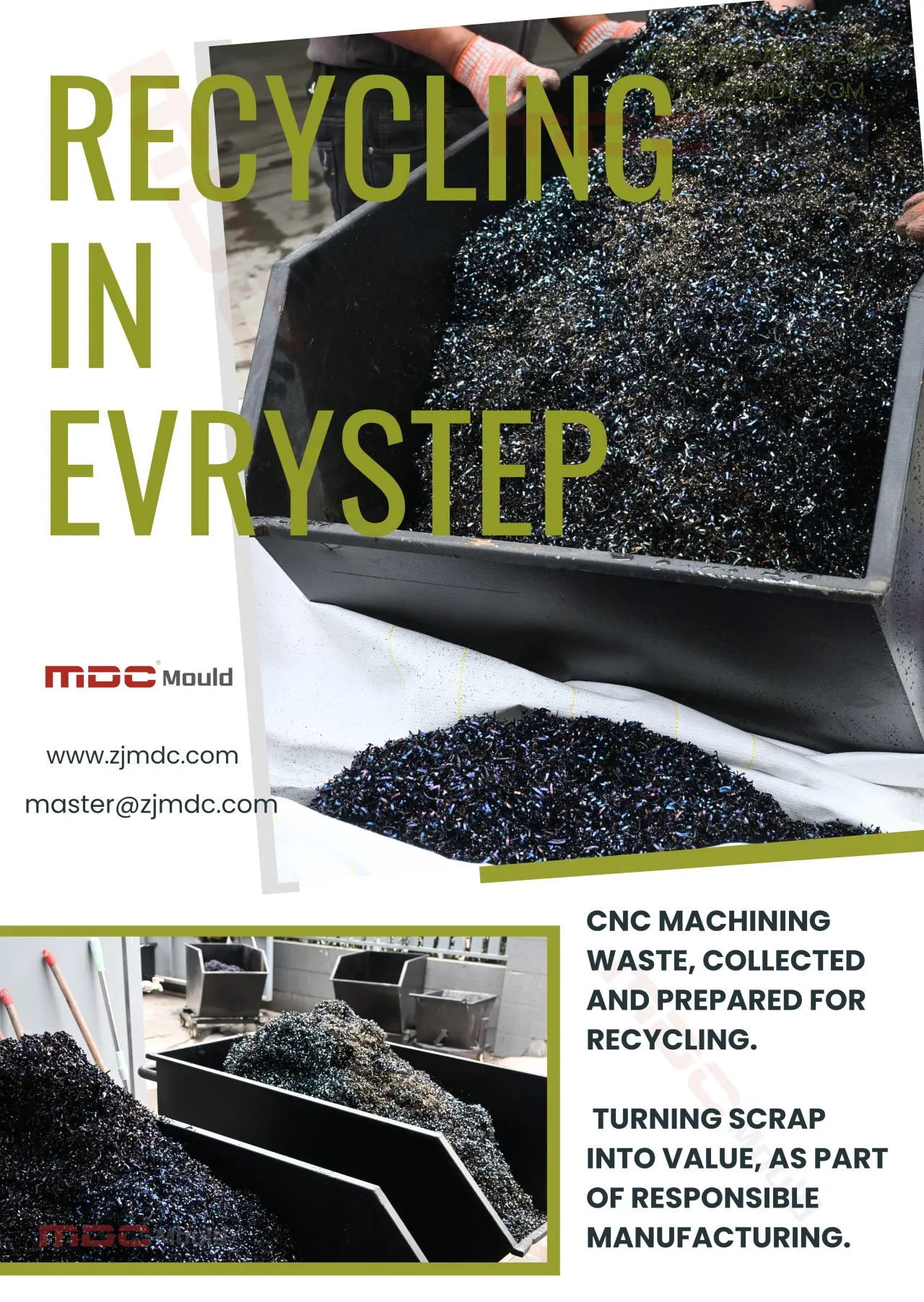
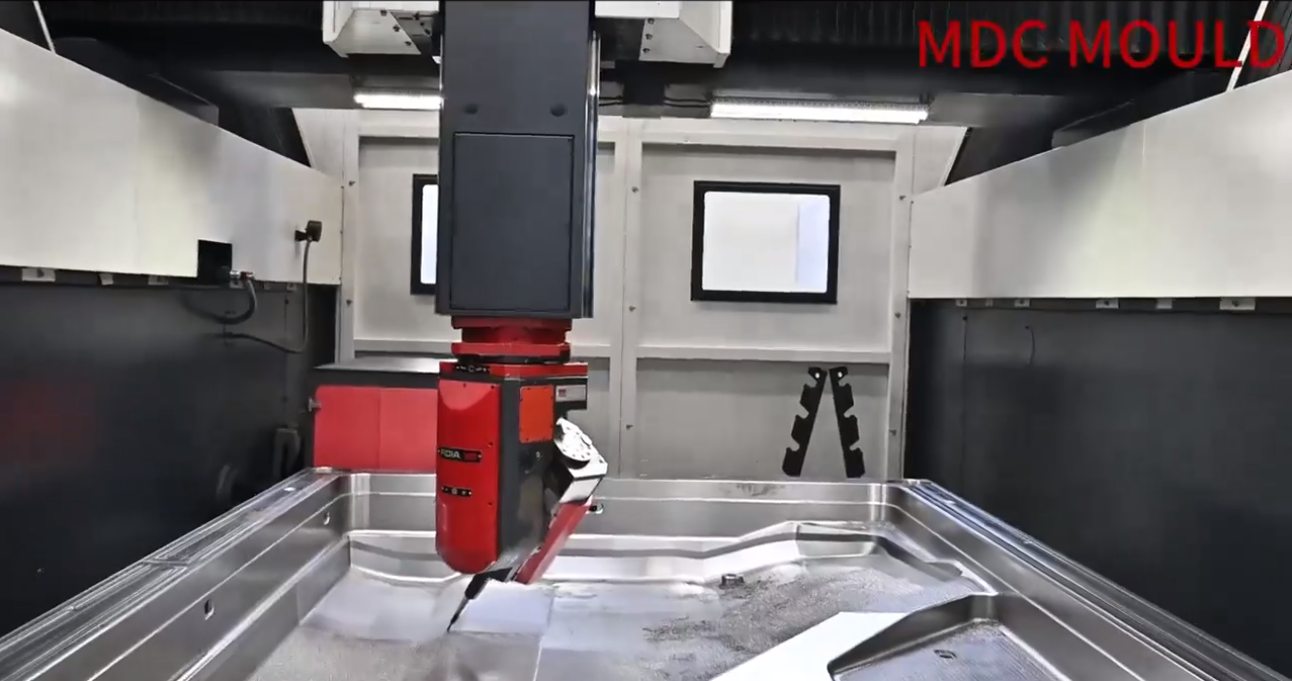
At MDC Mould, CNC machining waste is not discarded—it is collected, recycled, and reintroduced into the production cycle, transforming everyday processes into sustainable manufacturing solutions.
Understanding ESG in Manufacturing
ESG manufacturing focuses on reducing environmental impact while maintaining operational excellence.
Environmental: Waste reduction and resource efficiency
Social: Safe and responsible working conditions
Governance: Transparent and sustainable management
CNC machining waste recycling is a key ESG strategy in composite mold manufacturing. It reduces material consumption, lowers emissions, and supports sustainable production in SMC mold and compression mold industries.
Frequently Asked Questions
What is CNC waste recycling?
It is the process of reusing machining scrap materials.
Why is ESG important in manufacturing?
It ensures sustainable, efficient, and responsible production.
How does MDC implement sustainable manufacturing?
By recycling CNC waste and optimizing material usage.
Contact MDC for Sustainable Composite Solutions
MDC Mould specializes in composite mold, SMC mold, and compression mold manufacturing with a strong commitment to ESG and sustainability.
Explore how carbon fiber composites, CF-PEEK materials, and advanced composite molding technologies enable high-performance humanoid robots. Learn about lightweight design, structural strength, and precision manufacturing.
Summary
Advanced carbon fiber composite materials and high-performance thermoplastic composites such as CF-PEEK are the key enablers of modern humanoid robots. These materials provide lightweight structures, exceptional strength, and high precision, allowing robots to perform complex movements with efficiency and stability. Combined with advanced composite mold and compression molding technologies, they form the foundation of next-generation intelligent manufacturing.
Introduction: The Material Revolution Behind Intelligent Robotics
As humanoid robots move toward large-scale commercialization, the demand for lightweight, high-strength, and durable materials is becoming increasingly critical. Behind every agile movement and precise control lies a sophisticated material system.
Modern robots require materials that can simultaneously deliver:
High structural strength
Low weight for energy efficiency
Excellent fatigue resistance
Dimensional stability under varying environments
Carbon fiber composites and advanced engineering plastics have emerged as the optimal solution.
Carbon Fiber Composites: The “Structural Backbone” of Robots
Carbon fiber reinforced composites are widely used in robotic frames, arms, and load-bearing structures. These materials combine high tensile strength with low density, making them ideal for dynamic systems.
Key Advantages:
Extremely high strength-to-weight ratio
Excellent resistance to bending and impact
Near-zero thermal expansion for dimensional stability
Long service life under cyclic loading
Through advanced carbon fiber molding and compression mold technologies, manufacturers can optimize fiber orientation (e.g., 0°, 45°, 90° layups) to match specific load conditions, ensuring maximum structural efficiency.
CF-PEEK Composites: Precision Materials for Robotic Joints
For robotic joints, where precision and durability are critical, carbon fiber reinforced PEEK (CF-PEEK) offers exceptional performance.
This advanced material combines:
Carbon fiber strength
PEEK’s wear resistance and thermal stability
Outstanding fatigue resistance
CF-PEEK is widely used in bearings, gears, and joint components, enabling:
High-precision motion control
Reduced friction and wear
Long-term reliability under repeated motion
Its ability to operate in extreme environments further enhances robot reliability.
UHMWPE Fiber: Flexible Support for Dynamic Systems
In addition to rigid structures, robots require flexible components such as tendons and protective elements. Ultra-high molecular weight polyethylene (UHMWPE) fibers serve this role effectively.
These fibers provide:
High tensile strength
Excellent fatigue resistance
Lightweight flexibility
They ensure reliable performance in high-frequency motion environments.
Material Testing and Quality Assurance
The performance of advanced composites depends not only on material selection but also on strict testing and quality control.
These methods ensure that composite materials meet the demanding requirements of high-performance robotic systems.
Role of Composite Mold and Compression Tooling
High-performance materials require equally advanced manufacturing processes. Composite molds, including compression molds and carbon fiber tooling systems, play a critical role in achieving:
Precise geometry and structural consistency
Optimized fiber orientation
High surface quality
Efficient mass production
At MDC Mould, advanced tooling solutions support the production of high-performance composite components for robotics and other cutting-edge industries.
As humanoid robots enter a new stage of commercialization, the demand for advanced composite materials will continue to grow.
Future trends include:
Further lightweight optimization
Integration of multi-material systems
Improved sustainability and recyclability
Enhanced precision manufacturing technologies
Composite materials will remain a key driver of innovation in robotics and intelligent manufacturing.
Frequently Asked Questions (FAQ)
Why are carbon fiber composites used in robots?
Carbon fiber composites provide high strength and low weight, enabling robots to achieve efficient and precise movement.
What is CF-PEEK material?
CF-PEEK is a high-performance composite material combining carbon fiber with PEEK, offering excellent wear resistance and mechanical strength.
What role do molds play in composite manufacturing?
Molds ensure precise shaping, fiber alignment, and consistent quality in composite components.
Conclusion
Carbon fiber composites and advanced thermoplastic materials are transforming the capabilities of humanoid robots. Through the integration of high-performance materials and precision composite mold technologies, manufacturers can achieve lightweight, durable, and highly efficient robotic systems.
As the robotics industry continues to evolve, these materials will remain at the core of innovation, driving the future of intelligent manufacturing worldwide.
Discover how thermoforming tools and thermoforming molds are designed and manufactured for thermoplastic and composite production.
In modern industrial manufacturing, thermoforming tools play a crucial role in shaping thermoplastic sheets and composite materials into lightweight, high-precision components. As industries continue to pursue lightweight engineering, efficient production, and advanced material performance, thermoforming technology has become one of the most widely adopted forming processes worldwide.
A thermoforming tool is a precision mold used to form heated thermoplastic sheets or composite laminates into specific geometries through vacuum, pressure, or mechanical force. The quality of the thermoforming tool directly determines the dimensional accuracy, surface quality, structural integrity, and production efficiency of the final molded parts.
Industries such as automotive manufacturing, aerospace engineering, industrial equipment production, and packaging technology increasingly rely on advanced thermoforming molds to manufacture complex plastic and composite components with consistent performance and high production efficiency.
What Is a Thermoforming Tool?
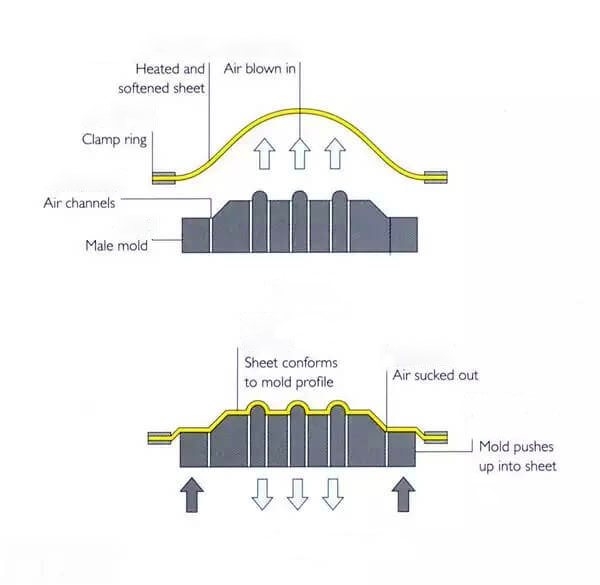
A thermoforming tool is a specialized mold used in the thermoforming process, where thermoplastic sheets are heated until they reach a soft, formable state and are then shaped over a mold surface. Once the material conforms to the mold geometry, it is cooled to retain the final component structure.
Thermoforming tooling is widely used because it enables manufacturers to produce large, lightweight parts with relatively low tooling costs compared with injection molding. The technology is particularly suitable for medium-to-large components that require precise geometry and smooth surface finishes.
Typical Thermoforming Process
Heating thermoplastic sheets to forming temperature
Positioning the heated material over the thermoforming mold
Applying vacuum or pressure to shape the material
Cooling the formed component while maintaining mold geometry
Trimming and finishing the final product
Because thermoforming relies heavily on mold accuracy and temperature control, high-precision thermoforming tooling is essential for stable and repeatable production.
Main Types of Thermoforming Tools
Vacuum Thermoforming Tool
Vacuum thermoforming tools use negative air pressure to draw heated plastic sheets onto the mold surface. Small vent holes within the mold allow air to escape, ensuring that the plastic material conforms precisely to the mold cavity.
Vacuum forming tools are commonly used for manufacturing:
automotive interior panels
plastic packaging trays
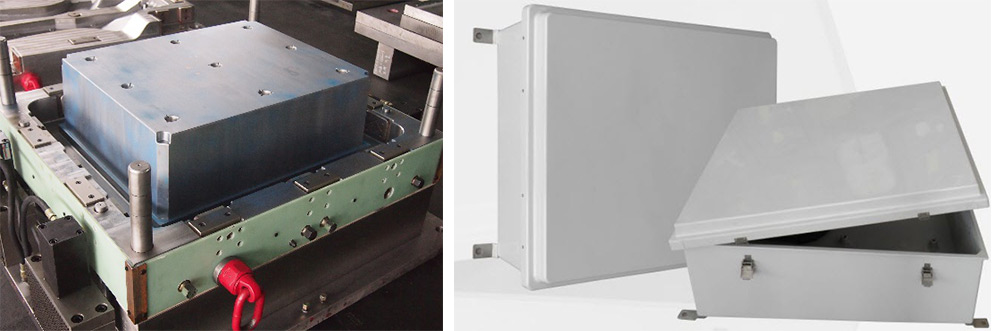
equipment housings
protective covers and enclosures
Pressure Thermoforming Tool
Pressure thermoforming combines vacuum with positive air pressure to force the heated plastic sheet against the mold surface. This method allows for greater detail reproduction and sharper features.
Pressure forming molds are widely used for:
automotive exterior panels
consumer appliance housings
electronic equipment panels
industrial machine covers
Twin Sheet Thermoforming Tool
Twin sheet thermoforming tools form two heated plastic sheets simultaneously and bond them together inside the mold. This process allows the creation of hollow structural components with improved rigidity.
Typical applications include:
automotive air ducts
industrial equipment structures
large structural plastic panels
Materials Used in Thermoforming Mold Manufacturing
Aluminum Thermoforming Tools
Aluminum is one of the most commonly used materials for thermoforming molds because it provides excellent thermal conductivity, lightweight structure, and efficient machinability. Aluminum tooling is ideal for prototype production and medium-volume manufacturing.
Steel Thermoforming Tools
Steel molds are typically used for high-volume production environments where durability and wear resistance are essential. Steel thermoforming tools provide long service life and excellent dimensional stability during repeated heating cycles.
Composite Thermoforming Tools
Composite tooling materials such as fiberglass or carbon fiber structures may be used in specialized thermoforming applications. These materials are particularly suitable for lightweight prototype tooling and aerospace component manufacturing.
Key Design Factors for Thermoforming Tooling
Mold Surface Engineering
The mold surface must ensure smooth material flow to prevent defects such as thinning, wrinkles, or uneven wall thickness. Precision polishing and surface treatment improve the final appearance of thermoformed components.
Temperature Management
Uniform temperature distribution across the thermoforming mold ensures consistent forming conditions. Advanced tooling designs often incorporate cooling channels or thermal management systems to stabilize the molding process.
Venting System
Small vent holes within vacuum thermoforming molds allow trapped air to escape, enabling the heated sheet to conform completely to the mold surface.
Structural Strength
Thermoforming tools must withstand repeated heating cycles and forming pressure without deformation. High-strength mold materials ensure long-term production reliability.
Industrial Applications of Thermoforming Tools
Automotive Manufacturing
Thermoforming tools are widely used to produce lightweight automotive components, including interior panels, trunk liners, battery covers, and protective underbody panels.
Aerospace Components
In aerospace manufacturing, thermoforming tooling is used for aircraft interior panels, cabin structures, and lightweight composite components where weight reduction is critical.
Industrial Equipment
Industrial thermoforming molds produce durable equipment housings, machine covers, and protective enclosures used in manufacturing facilities and industrial environments.
Packaging Industry
Thermoforming tooling is extensively used in packaging production, enabling high-volume manufacturing of food packaging trays, medical packaging, and protective product packaging.
Advantages of Thermoforming Tooling
High production efficiency
Lower tooling cost compared with injection molding
Ability to produce large components
Excellent design flexibility
Consistent product quality
These advantages make thermoforming an important technology for producing thermoplastic and composite components across multiple industries.
Frequently Asked Questions About Thermoforming Tools
What is a thermoforming tool?
A thermoforming tool is a mold used to shape heated thermoplastic sheets into specific geometries using vacuum or pressure forming technology.
What materials are used to manufacture thermoforming molds?
Thermoforming molds are commonly manufactured from aluminum, steel, or composite materials depending on production volume and application requirements.
What industries use thermoforming tooling?
Thermoforming tooling is widely used in automotive manufacturing, aerospace production, industrial equipment manufacturing, and packaging industries.
Conclusion
A thermoforming tool is a critical component in thermoplastic and composite manufacturing processes. High-precision thermoforming molds enable manufacturers to produce lightweight components with excellent surface quality and consistent dimensional accuracy.
As global industries continue to focus on lightweight materials, sustainable production, and efficient manufacturing technologies, advanced thermoforming tooling will remain an essential solution for producing high-performance plastic and composite components.
Explore professional press tooling solutions for composite manufacturing, including compression molds, SMC molds, BMC molds, and thermoset tooling.
In modern industrial manufacturing, press tooling plays a crucial role in producing high-precision components with consistent quality and structural integrity. From automotive structural parts to electrical enclosures and infrastructure components, press tooling enables manufacturers to shape materials using controlled heat and pressure within a press machine.
As industries increasingly adopt lightweight composite materials, advanced tooling technologies such as compression mold systems, SMC molds, and composite molds have become essential for high-efficiency mass production.Professional tooling manufacturers like MDC Mould specialize in designing and producing high-precision press tooling solutions for global industrial applications.
What Is Press Tooling?
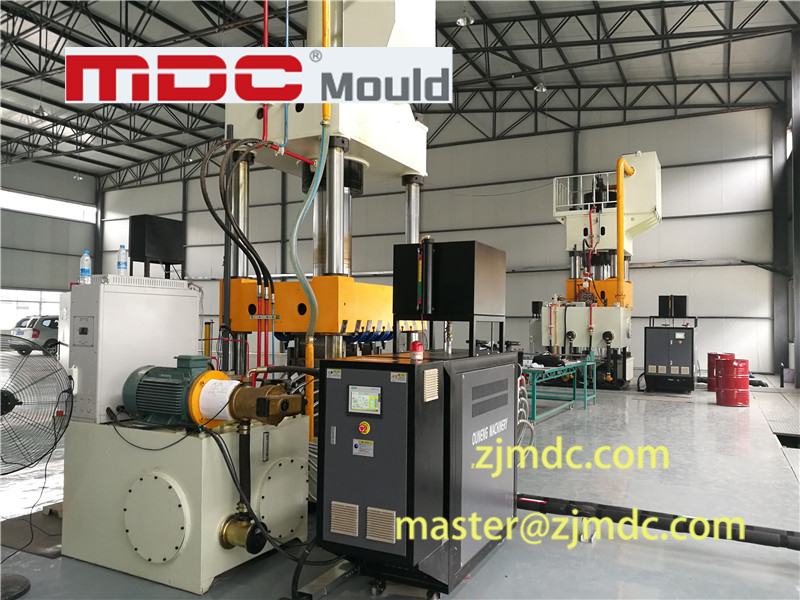
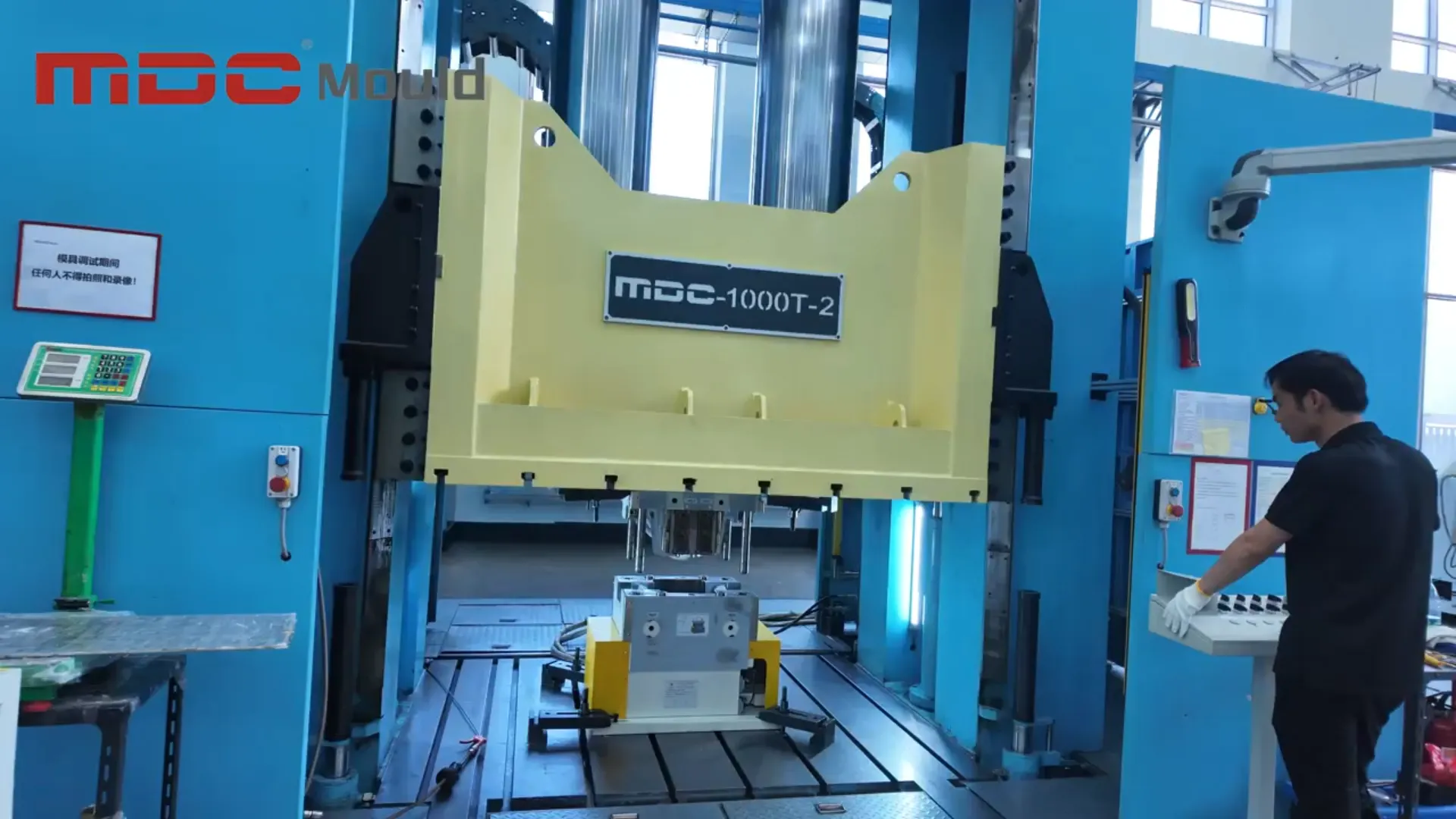
Press tooling refers to specialized molds used within mechanical or hydraulic press machines to shape materials through compression, forming, or molding processes. The tooling system creates a controlled cavity where raw materials are transformed into finished products under pressure and temperature.
Typical materials used in press tooling production include:
Using high-precision compression tooling, manufacturers can produce complex structural components with excellent dimensional accuracy and repeatability.
Main Types of Press Tooling Used in Composite Manufacturing
SMC Mold (Sheet Molding Compound Mold)
SMC molds are widely used in the automotive and electrical industries. They enable the compression molding of glass-fiber reinforced composite materials into strong, lightweight components.
Typical SMC mold applications include:
Automotive exterior panels
EV battery enclosures
Engine splash shields
Structural composite components
BMC Mold (Bulk Molding Compound Mold)
BMC molds are commonly used to produce electrical insulation components and high-strength industrial parts. BMC materials offer excellent flame resistance and electrical insulation properties.
Common BMC mold applications:
Electrical connector housings
Switchgear components
Lighting fixtures
Industrial equipment enclosures
Composite Compression Mold
Composite compression molds are designed for advanced composite materials such as carbon fiber, fiberglass, and hybrid composites. These tools are essential for producing lightweight structural components with superior mechanical performance.
Key Components of a Professional Press Tooling System
Upper and Lower Mold Structure
Press tooling typically consists of two primary mold halves: the upper mold and the lower mold. These components create the mold cavity where material shaping occurs during the compression molding process.
Precision Mold Cavity
The cavity design determines the final geometry and structural features of the product. Proper cavity engineering ensures uniform material flow, reduces defects, and improves final product strength.
Heating System
Most thermoset composite molds integrate heating systems that maintain consistent curing temperatures. These heating systems may include:
Electric heating rods
Oil circulation heating channels
Temperature sensors
Thermal insulation layers
Ejection System
An effective ejection system ensures smooth demolding after the compression cycle. This may involve hydraulic ejectors, mechanical ejector pins, or pneumatic release mechanisms.
Materials Used in Press Tooling Manufacturing
High-quality press tooling requires durable materials capable of withstanding high pressure and repeated thermal cycles.
Tooling Material
Main Advantages
Typical Applications
P20 Tool Steel
Good machinability and durability
General composite molds
H13 Tool Steel
Excellent heat resistance
High-temperature compression molds
718 Steel
High strength and wear resistance
Large industrial press tooling
Aluminum Tooling
Lightweight and fast machining
Prototype molds
Industrial Applications of Press Tooling
Advanced press tooling is widely used across multiple industries requiring high-strength and lightweight components.
What is the difference between press tooling and compression mold?
Press tooling is a general term for molds used in press machines, while a compression mold specifically refers to tooling designed for compression molding processes used with thermoset or composite materials.
What industries use press tooling?
Press tooling is widely used in automotive, aerospace, electrical equipment, infrastructure construction, and industrial manufacturing sectors.
How long does press tooling last?
High-quality press tooling manufactured from hardened tool steel can typically last hundreds of thousands to millions of molding cycles depending on production conditions.
Conclusion
Press tooling is a core technology in modern manufacturing, enabling the efficient production of high-precision components across multiple industries. With the increasing demand for lightweight materials and high-volume production, advanced tooling solutions such as SMC molds, BMC molds, and composite compression molds are becoming increasingly important.
Professional tooling manufacturers like MDC Mould continue to innovate in press tooling engineering, providing global customers with reliable, high-performance solutions for modern composite manufacturing.