Vacuum Assisted Resin Transfer Molding (VARTM) has emerged as a leading technology in the field of composite molding. It provides an efficient and cost-effective method for fabricating high-performance composite structures across various industries.On this page
- What is Vacuum Assisted Resin Transfer Molding (VARTM)?
- Process Overview
- Advantages of VARTM in Composite Molding
- Applications in Composite Structures
- Challenges and Considerations
- Future Trends in VARTM Technology
- Conclusion
What is Vacuum Assisted Resin Transfer Molding (VARTM)?
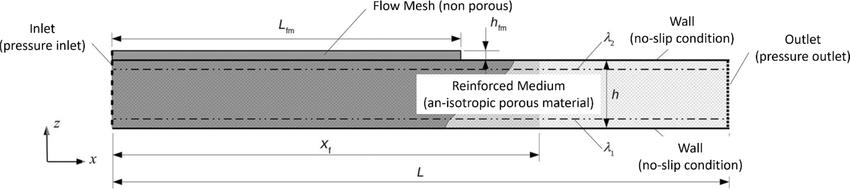
The Vacuum Assisted Resin Transfer Molding process is an advanced closed-mold technique that uses vacuum pressure to draw resin into a fiber preform placed inside a mold. This method ensures thorough resin distribution, reduced void content, and superior fiber-to-resin bonding.
Process Overview
- Preparation of Fiber Preform: Dry fibers, fabrics, or stitched preforms are laid into the mold cavity.
- Sealing the Mold: A vacuum bag is applied to seal the mold system completely.
- Vacuum Application: Air is evacuated, creating negative pressure inside the cavity.
- Resin Infusion: Liquid resin is drawn into the preform by the vacuum, ensuring full impregnation.
- Curing: The infused part is cured at room temperature or under controlled heating conditions.
Advantages of VARTM in Composite Molding
- Cost-effectiveness: Lower tooling and equipment costs compared to autoclave curing.
- Scalability: Suitable for both small-scale prototypes and large-scale composite structures.
- High Fiber Volume Fraction: Delivers excellent strength-to-weight ratios.
- Improved Quality: Reduced porosity and voids compared to open molding methods.
- Environmental Benefits: Cleaner production process with reduced emissions.
Applications in Composite Structures
The vacuum assisted resin transfer molding process is widely applied across industries to create advanced composite structures:
- Aerospace: Aircraft panels, fairings, and structural reinforcements.
- Automotive: Lightweight body panels, structural frames, and EV battery enclosures.
- Marine: Boat hulls, decks, and high-performance watercraft components.
- Wind Energy: Large wind turbine blades requiring superior strength and durability.
- Industrial: Pressure vessels, storage tanks, and corrosion-resistant infrastructure.
Challenges and Considerations
Despite its advantages, VARTM has certain challenges:
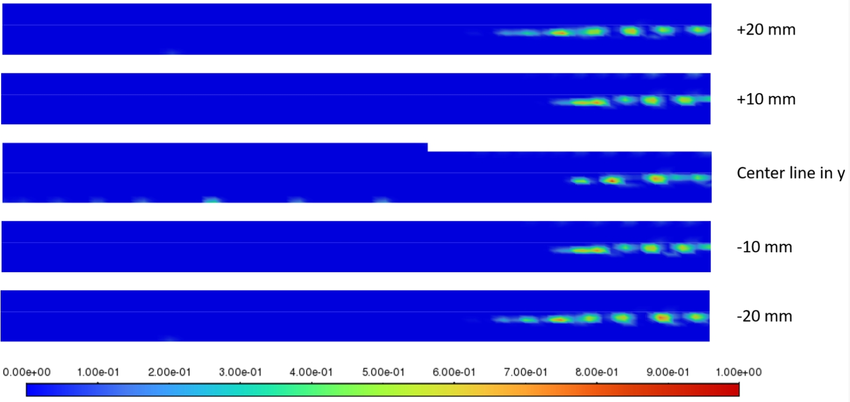
- Resin Flow Control: Achieving complete resin infusion in thick laminates can be difficult.
- Process Consistency: Maintaining uniform quality across large-scale structures requires expertise.
- Cure Time: Some resins require extended curing cycles, impacting productivity.
Future Trends in VARTM Technology
The future of composite molding through VARTM is marked by innovation:
- Automation: Integration of sensors and AI-driven monitoring for real-time quality control.
- Advanced Resins: Development of low-viscosity, fast-curing, and recyclable resins.
- Hybrid Processes: Combination of VARTM with out-of-autoclave curing for superior performance.
- Sustainability: Emphasis on bio-based resins and recyclable fiber reinforcements.
Conclusion
The vacuum assisted resin transfer molding process is transforming the way composite structures are designed and manufactured. As a versatile composite molding technique, VARTM offers a balance of cost efficiency, performance, and scalability. With continuous advancements, it is set to play a central role in the future of aerospace, automotive, marine, and industrial applications.