What Is Compression Molding Used For?

Discover high-performance compression molding for EV, aerospace, and medical sectors. Optimize complex parts with SMC/BMC and carbon fiber tooling by MDC Mould.

As industries continue moving toward lightweight engineeringhigh-performance composite materials, and sustainable manufacturing, compression molding has become one of the most important production technologies in modern industrial manufacturing.

From automotive composite components and EV battery enclosures to SMC water tanks, aerospace structures, and electrical insulation systems, modern compression molding technology enables the production of strong, lightweight, and corrosion-resistant composite parts.

At Zhejiang MDC Mould Co., Ltd., we specialize in manufacturing advanced:

  • SMC molds
  • BMC molds
  • Compression molds
  • Composite tooling
  • Carbon fiber molds
  • Thermoforming molds
  • GMT and LFT tooling systems
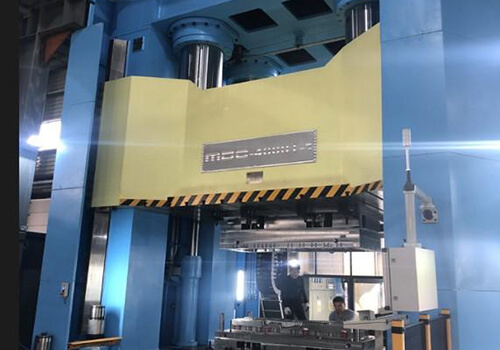
Compression molding process and composite tooling

Quick Answer:

Compression molding is used to manufacture lightweight, high-strength, heat-resistant, and corrosion-resistant composite parts for industries such as automotive, aerospace, electrical, construction, renewable energy, and medical equipment manufacturing.

What Is Compression Molding?

Compression molding is a manufacturing process where composite material is placed into a heated mold cavity and compressed under high pressure to form a finished component.

The process is widely used for:

  • SMC molding
  • BMC molding
  • Carbon fiber molding
  • Thermoset composite molding
  • Large structural composite panels
  • Electrical insulation components

Compared with many traditional plastic molding methods, compression molding provides superior structural strength and excellent dimensional stability for large industrial components.

How Does the Compression Molding Process Work?

The standard compression molding process generally includes:

  1. Preparing composite material charges
  2. Loading materials into the mold cavity
  3. Closing the heated compression mold
  4. Applying pressure and temperature
  5. Curing the composite material
  6. Opening the mold
  7. Demolding and trimming the finished product

The process allows the material to flow evenly inside the cavity while achieving high mechanical strength and stable surface quality.
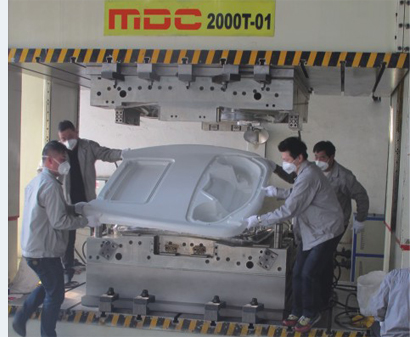
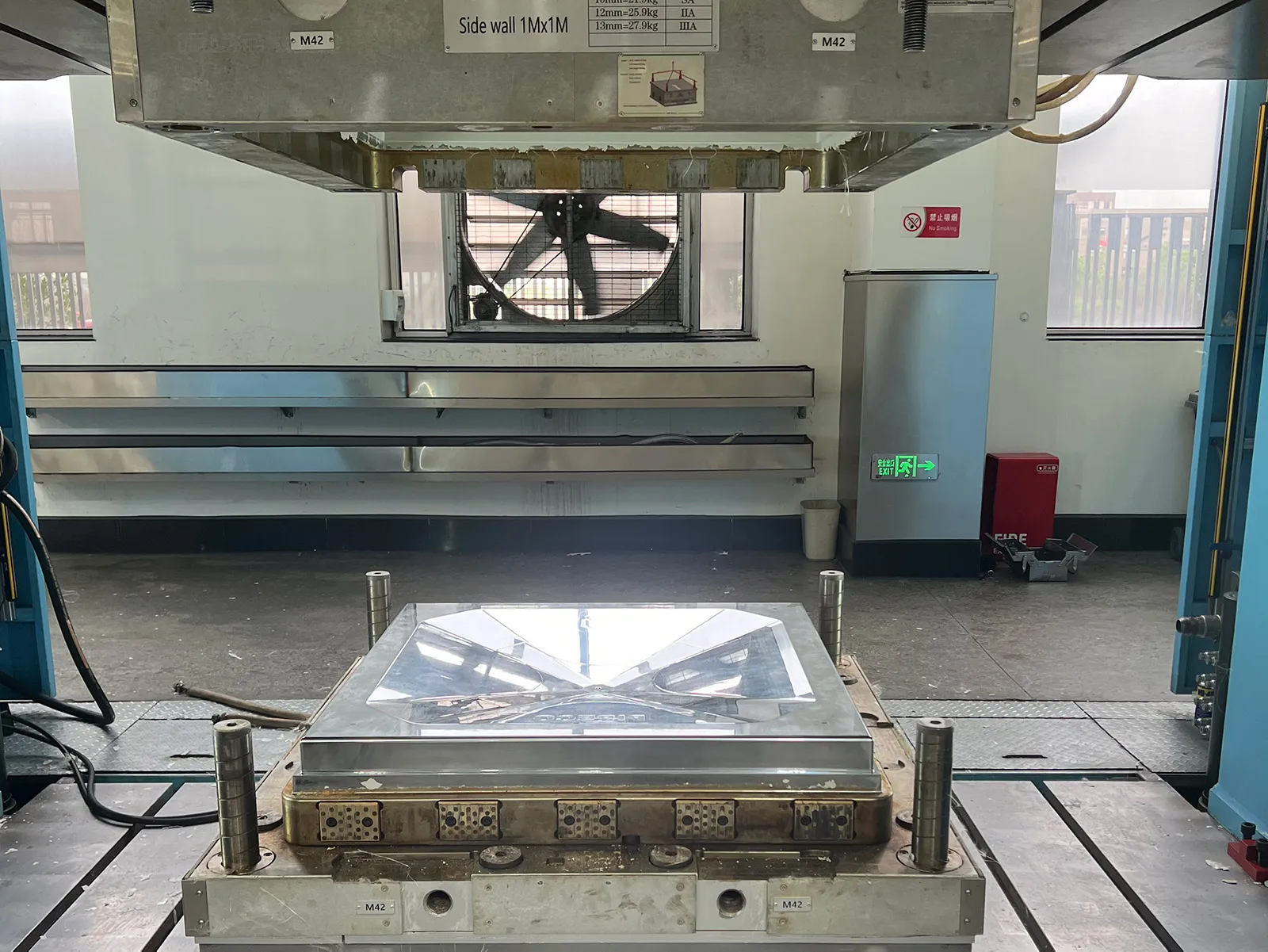
SMC compression mold manufacturing

Major Industries Using Compression Molding

1. Automotive Industry

The automotive sector is one of the largest users of SMC molds and compression tooling.

Compression molded composite parts help manufacturers reduce vehicle weight while improving energy efficiency and structural performance.

Typical Automotive Compression Molded Parts

  • EV battery enclosures
  • SMC battery covers
  • Roof panels
  • Truck body components
  • Engine splash shields
  • Trunk lids
  • Automotive exterior panels
  • Underbody aerodynamic panels
  • Pickup truck cargo systems

As electric vehicles continue expanding globally, lightweight composite manufacturing technologies are becoming increasingly important.
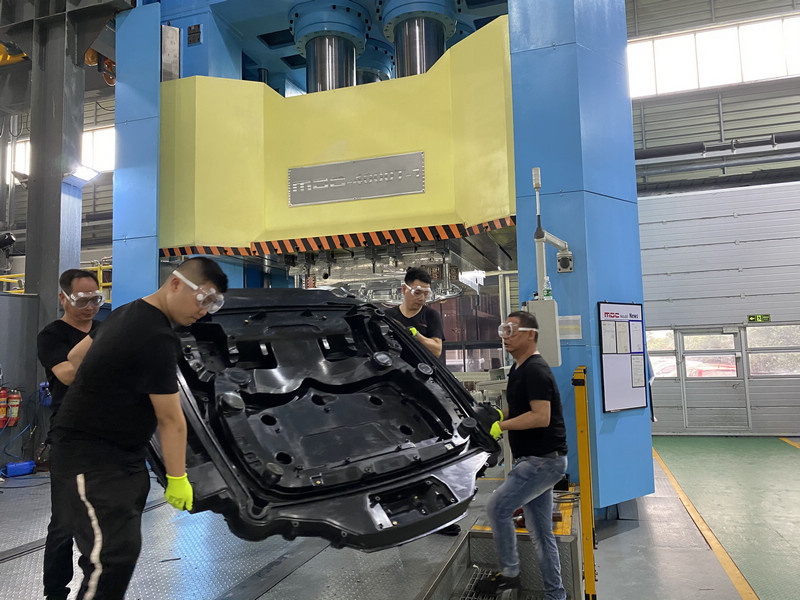
Automotive SMC mold and compression tooling

2. Aerospace Industry

The aerospace industry uses advanced carbon fiber molds and composite tooling to manufacture lightweight structures with exceptional strength-to-weight ratios.

  • Aircraft cabin panels
  • Structural aerospace components
  • Satellite composite parts
  • Radome systems
  • High-temperature resistant panels

Carbon fiber compression molding provides excellent fatigue resistance and dimensional precision for aerospace applications.

3. Electrical & Electronics Industry

BMC molding is widely used in electrical applications because of its excellent insulation and flame resistance.

ApplicationAdvantages
Electrical switch housingsExcellent insulation performance
Motor componentsHeat resistance
Transformer insulation systemsDimensional stability
Circuit breaker partsFlame retardant properties

4. Construction & Infrastructure

Compression molding is widely used for manufacturing corrosion-resistant construction products such as:

Compared with steel materials, composite structures provide:

  • Longer service life
  • Lower maintenance costs
  • Better corrosion resistance
  • Lightweight installation advantages
SMC water tank mold and GRP composite tooling

5. Medical Equipment Manufacturing

Medical industries increasingly adopt precision compression molds for lightweight equipment housings and structural components.

  • MRI machine covers
  • Medical device enclosures
  • Radiation-resistant panels
  • Hospital electrical systems
  • Clean-room compatible structures

6. Renewable Energy Applications

Renewable energy systems require lightweight and weather-resistant composite structures.

Compression molded components are widely used in:

  • Wind turbine systems
  • Solar equipment structures
  • Energy storage enclosures
  • Industrial composite covers

Common Materials Used in Compression Molding

Modern composite molding technologies support various advanced materials:

  • SMC (Sheet Molding Compound)
  • BMC (Bulk Molding Compound)
  • Carbon fiber composites
  • Glass fiber reinforced plastics
  • GMT materials
  • LFT materials
  • D-LFT composite systems

Advantages of Compression Molding

Main Benefits of Compression Molding

  • Excellent strength-to-weight ratio
  • High dimensional stability
  • Suitable for large structural components
  • Excellent corrosion resistance
  • Reduced material waste
  • Lower tooling cost for large parts
  • High production efficiency
  • Excellent surface quality
  • Strong electrical insulation performance

Why High-Precision Compression Tooling Is Important

The performance of composite products heavily depends on the quality of the mold itself.

High-precision compression tooling ensures:

  • Stable curing conditions
  • Accurate dimensions
  • Improved material flow
  • Reduced production defects
  • Longer mold lifespan
  • Better demolding performance

At MDC Mould, advanced CNC machining, precision polishing, and CAE analysis technologies are used to manufacture high-performance composite molds for global customers.
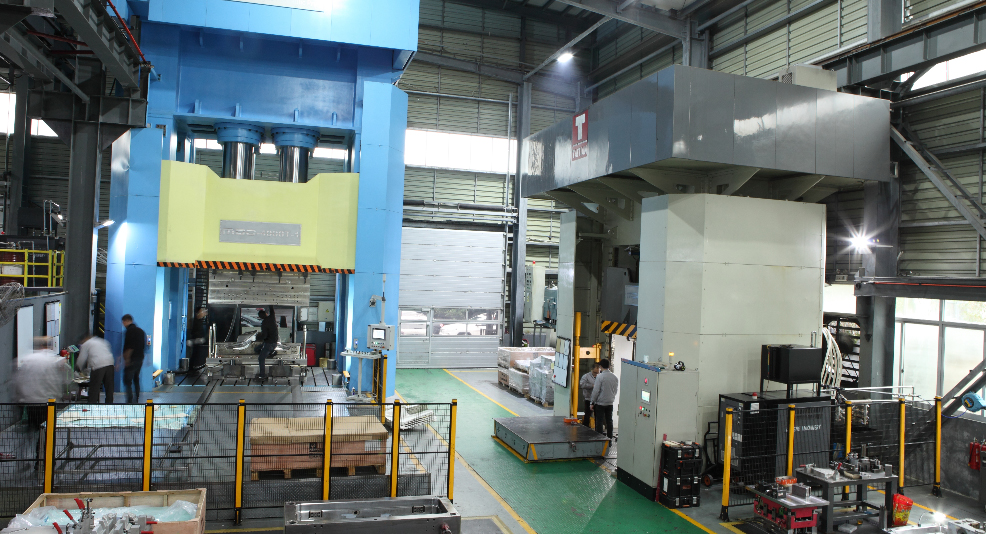
Composite mold and compression tooling production

Future Trends of Compression Molding

The future of compression molding technology is closely linked with:

  • Electric vehicle lightweighting
  • Carbon fiber industrialization
  • Large integrated composite structures
  • Sustainable manufacturing systems
  • Automated molding production lines
  • Advanced thermoset composite technologies

As global industries continue demanding stronger and lighter materials, advanced composite molding solutions will continue expanding rapidly.

Why Choose MDC Mould?

MDC Mould specializes in:

  • SMC mold manufacturing
  • BMC mold manufacturing
  • Compression tooling systems
  • Carbon fiber molds
  • Composite tooling solutions
  • Thermoforming molds
  • Automotive composite molds

Our engineering capabilities include:

  • CAE mold flow analysis
  • Precision CNC machining
  • Mirror surface polishing
  • Large-scale mold assembly
  • Composite product development support
  • Global technical cooperation

Conclusion

Compression molding is widely used in automotive, aerospace, electrical, construction, medical, and renewable energy industries because it enables the production of lightweight, durable, and high-performance composite parts.

With the rapid development of electric vehicles, sustainable manufacturing, and advanced composite materials, the demand for high-quality compression molds and composite tooling will continue growing globally.

As a professional manufacturer of SMC moldsBMC molds, and advanced compression tooling, MDC Mould continues supporting customers worldwide with high-precision composite manufacturing solutions.

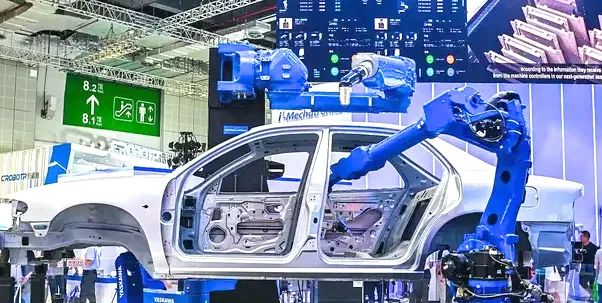
How Composite Materials Extend EV Range Through Lightweighting

Advanced composite molding technologies such as SMC, BMC, and compression molding significantly reduce vehicle weight, improve energy efficiency, and extend EV driving range.

Under the rapid expansion of the global new energy vehicle (NEV) industry and the implementation of carbon neutrality and carbon peaking strategies, improving energy efficiency and driving range has become a core objective of automotive manufacturing upgrades.

Industry data shows that every 10% reduction in vehicle weight can reduce fuel consumption of internal combustion vehicles by 6–8%, while increasing electric vehicle driving range by 5–10%. As a result, automotive lightweighting has become a critical technical pathway to balance performance, efficiency, and sustainability.

Composite Materials as the Foundation of Automotive Lightweighting

Advanced composite materials are increasingly replacing traditional metallic materials due to their unique combination of high specific strengthlow density, and design flexibility.

Common automotive composite materials include carbon fiber reinforced polymers (CFRP)glass fiber reinforced plastics (GFRP), and basalt fiber reinforced composites.

Compared with steel and aluminum alloys, composite materials typically offer:

  • Density only one-quarter to one-third of steel
  • Specific strength 3–6 times higher than conventional metals
  • Component weight reduction of 30–60%
  • Overall vehicle mass reduction of 10–30%

In addition to weight reduction, composites provide excellent corrosion resistance, fatigue performance, vibration damping, and noise reduction, significantly lowering long-term maintenance costs.

Composite Materials EV

Lightweight Composite Applications in Vehicle Body Structures

In modern vehicle body design, composite materials are widely used in body frames, doors, hoods, tailgates, and roof structures. Through integrated molding processes, CFRP and GFRP components can achieve weight reductions of 35–50%.

Composite body structures also enable optimized aerodynamic designs, reducing driving resistance and improving overall energy efficiency. In several new energy vehicle platforms, the adoption of composite body structures has resulted in double-digit improvements in driving range.

Chassis and Powertrain Lightweighting with Composite Molding

Composite materials play a critical role in chassis and powertrain systems, particularly in suspension components, drive shafts, and structural reinforcements. Reducing unsprung mass improves vehicle handling, ride comfort, and energy utilization.

Carbon fiber composite drive shafts can reduce weight by more than 40% compared with steel alternatives, while improving power transmission efficiency by 5–8%.

For electric vehicles, EV battery enclosures represent one of the most important lightweighting targets. GFRP composite battery housings offer:

  • More than 50% weight reduction compared with steel enclosures
  • Excellent fire resistance and impact protection
  • Superior water sealing and corrosion resistance

These composite solutions directly contribute to lower vehicle energy consumption and extended driving range.

Interior System Lightweighting and Functional Integration

Lightweight composite materials are increasingly applied to interior components such as seat frames, instrument panel carriers, and door inner panels. Typical weight reductions range from 25–40%.

Composite seat frames can be up to 50% lighter than steel frames, improving space utilization and vehicle packaging efficiency. Glass fiber reinforced thermoplastic instrument panel carriers also provide improved acoustic performance and vibration damping.

Composite Materials EV

Advanced Composite Manufacturing and Tooling Technologies

Continuous innovation in materials and processes is accelerating the large-scale adoption of composites in automotive manufacturing.

Key composite molding technologies include:

  • SMC and BMC compression molding
  • High-pressure resin transfer molding (HP-RTM)
  • Automated fiber placement (AFP)
  • Advanced composite tooling and press mold systems

These technologies enable stable quality, high production efficiency, and cost-effective mass manufacturing for global automotive platforms.

Sustainability and the Future of Automotive Composites

Automotive lightweighting is closely linked to sustainability. Lighter vehicles consume less energy throughout their lifecycle, contributing to lower emissions and reduced environmental impact.

Emerging trends such as recyclable composites, bio-based resin systems, and digital process monitoring are further enhancing the sustainability of composite automotive manufacturing.

Conclusion

Composite materials have become the core enabler of automotive lightweighting, directly supporting energy efficiency improvements and extended driving range for both conventional and electric vehicles.

With continuous advances in composite molding technologiescompression molding tooling, and automotive composite applications, the automotive industry is accelerating toward lighter, more efficient, and more sustainable vehicle architectures.

Vacuum Assisted Resin Transfer Molding Process in Composite Structures

Explore the Vacuum Assisted Resin Transfer Molding (VARTM) process, its role in manufacturing advanced composite structures.

Vacuum Assisted Resin Transfer Molding (VARTM) has emerged as a leading technology in the field of composite molding. It provides an efficient and cost-effective method for fabricating high-performance composite structures across various industries.On this page

What is Vacuum Assisted Resin Transfer Molding (VARTM)?

The Vacuum Assisted Resin Transfer Molding process is an advanced closed-mold technique that uses vacuum pressure to draw resin into a fiber preform placed inside a mold. This method ensures thorough resin distribution, reduced void content, and superior fiber-to-resin bonding.

Process Overview

  1. Preparation of Fiber Preform: Dry fibers, fabrics, or stitched preforms are laid into the mold cavity.
  2. Sealing the Mold: A vacuum bag is applied to seal the mold system completely.
  3. Vacuum Application: Air is evacuated, creating negative pressure inside the cavity.
  4. Resin Infusion: Liquid resin is drawn into the preform by the vacuum, ensuring full impregnation.
  5. Curing: The infused part is cured at room temperature or under controlled heating conditions.
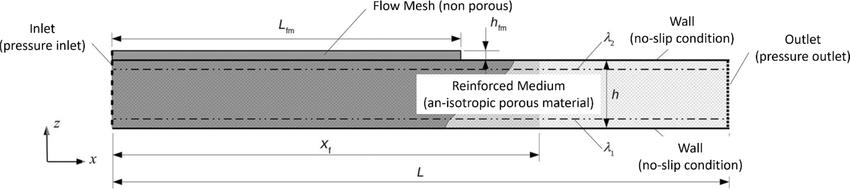
Computational domain and boundary conditions for the transient validation adapted from

Advantages of VARTM in Composite Molding

  • Cost-effectiveness: Lower tooling and equipment costs compared to autoclave curing.
  • Scalability: Suitable for both small-scale prototypes and large-scale composite structures.
  • High Fiber Volume Fraction: Delivers excellent strength-to-weight ratios.
  • Improved Quality: Reduced porosity and voids compared to open molding methods.
  • Environmental Benefits: Cleaner production process with reduced emissions.

Applications in Composite Structures

The vacuum assisted resin transfer molding process is widely applied across industries to create advanced composite structures:

  • Aerospace: Aircraft panels, fairings, and structural reinforcements.
  • Automotive: Lightweight body panels, structural frames, and EV battery enclosures.
  • Marine: Boat hulls, decks, and high-performance watercraft components.
  • Wind Energy: Large wind turbine blades requiring superior strength and durability.
  • Industrial: Pressure vessels, storage tanks, and corrosion-resistant infrastructure.
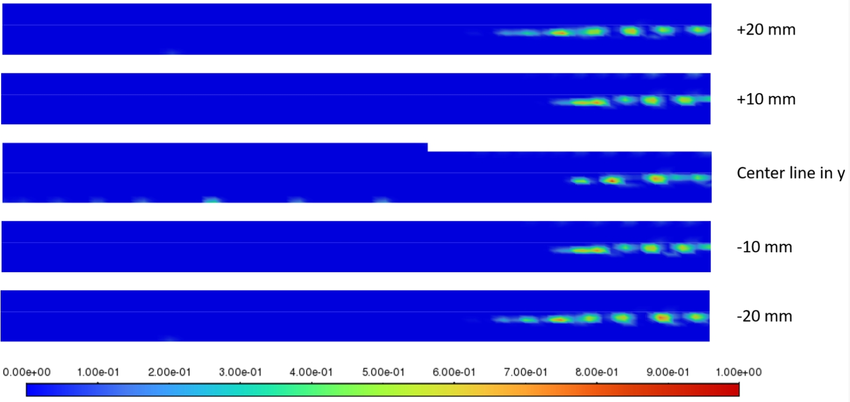
Resin volumetric fraction for five different ZX planes after 20s of injection time

Challenges and Considerations

Despite its advantages, VARTM has certain challenges:

  • Resin Flow Control: Achieving complete resin infusion in thick laminates can be difficult.
  • Process Consistency: Maintaining uniform quality across large-scale structures requires expertise.
  • Cure Time: Some resins require extended curing cycles, impacting productivity.

Future Trends in VARTM Technology

The future of composite molding through VARTM is marked by innovation:

  • Automation: Integration of sensors and AI-driven monitoring for real-time quality control.
  • Advanced Resins: Development of low-viscosity, fast-curing, and recyclable resins.
  • Hybrid Processes: Combination of VARTM with out-of-autoclave curing for superior performance.
  • Sustainability: Emphasis on bio-based resins and recyclable fiber reinforcements.

Conclusion

The vacuum assisted resin transfer molding process is transforming the way composite structures are designed and manufactured. As a versatile composite molding technique, VARTM offers a balance of cost efficiency, performance, and scalability. With continuous advancements, it is set to play a central role in the future of aerospace, automotive, marine, and industrial applications.