Introduction
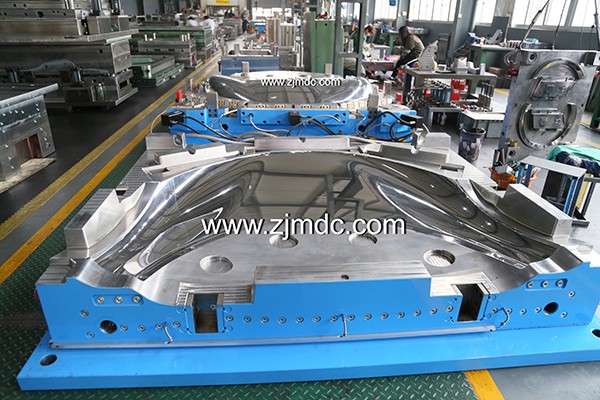
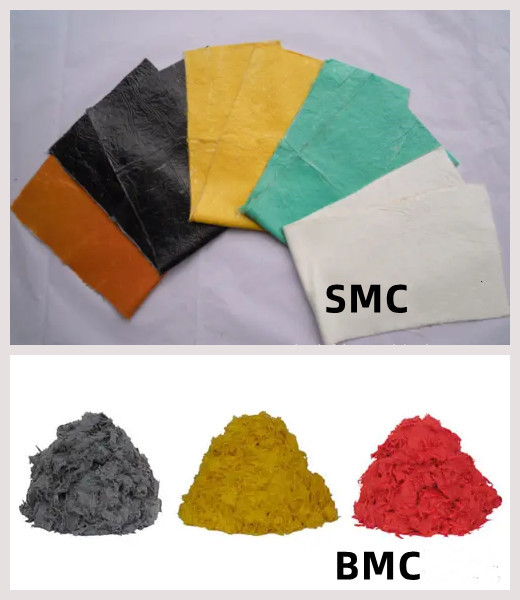
A compression mold is a specialized tool used in the compression molding process, a widely adopted manufacturing method for forming composite parts. It involves placing a preheated material, such as SMC (Sheet Molding Compound), BMC (Bulk Molding Compound), or other thermoset materials, into a heated mold cavity, then applying pressure to shape and cure the material.
Compression molds are essential in industries such as automotive, electrical, construction, and aerospace, where lightweight, high-strength, and heat-resistant components are needed.
Structure of a Compression Mold
A typical compression mold includes two main halves: the cavity and the core. It may also include:
- Heating systems – to maintain the required temperature for curing
- Guide pins and bushings – for accurate mold alignment
- Ejection mechanisms – to release the molded part after curing
- Vacuum systems – for gas removal and surface quality improvement
Depending on the application, compression molds can be made from hardened steel, aluminum, or other high-strength alloys. Surface treatments like chrome plating may be applied to improve mold longevity and part release.
Compression Molding Process
The compression molding process typically follows these steps:
- Material Loading: The composite material is loaded into the open mold cavity.
- Preheating: The material may be preheated to reduce cycle time and improve flow.
- Compression: The mold is closed and pressure is applied using a hydraulic press.
- Curing: Heat and pressure are maintained until the material is fully cured.
- Demolding: The press opens and the finished part is ejected.
This process is suitable for high-volume production of components with intricate geometries and excellent mechanical properties.
Applications of Compression Mold
Compression molds are used to manufacture various thermoset and composite parts, including:
- Automotive parts: EV battery enclosures, trunk lids, bumpers, and engine splash shields
- Electrical housings: Insulators, switchgear, and fuse boxes
- Construction materials: SMC ceilings, wall panels, water tanks
- Sanitary products: SMC bathroom panels and bathtubs
Thanks to their strength-to-weight ratio, compression-molded parts are replacing metal and thermoplastic components in many structural and semi-structural applications.
Advantages of Compression Molding
Using a compression mold offers several benefits:
- High strength and durability – especially with fiber-reinforced composites
- Lower tooling cost compared to injection molding
- Reduced material waste and scrap
- Excellent surface finish for Class-A automotive parts
- Compatibility with large, complex shapes
For manufacturers seeking reliable and repeatable performance, compression molding with precision molds remains a top choice.
SMC Mold vs. BMC Mold
Both SMC molds and BMC molds are used in compression molding, but they differ slightly:
- SMC Mold: Designed for sheet-like materials; suitable for larger structural parts
- BMC Mold: Suited for dough-like bulk materials; ideal for smaller or more detailed parts
Choosing the right mold depends on the geometry, performance, and surface requirements of the final part.
Conclusion
A compression mold is an integral part of the composite molding industry. From automotive components to building materials, its role in shaping and curing high-performance parts makes it indispensable. With advancements in material science and precision tooling, compression molding continues to evolve and serve as a key process in modern manufacturing.
For companies looking to invest in SMC molds, BMC molds, or custom compression tooling, working with an experienced mold manufacturer is essential to ensure durability, precision, and production efficiency.

