Why pairing compression-molded composites with high-performance insulation boards sets a new benchmark in structural stability, energy efficiency, and lifecycle durability.On this page
- 1. What Is a Complete Compression Mold?
- 2. Insulation Boards: Types & Roles
- 3. Stability, Efficiency, and Durability—Explained
- 4. High-Value Applications
- 5. Sustainability & Compliance
- 6. Selection & Integration Guide
- 7. FAQs
1) What Is a Complete Compression Mold?
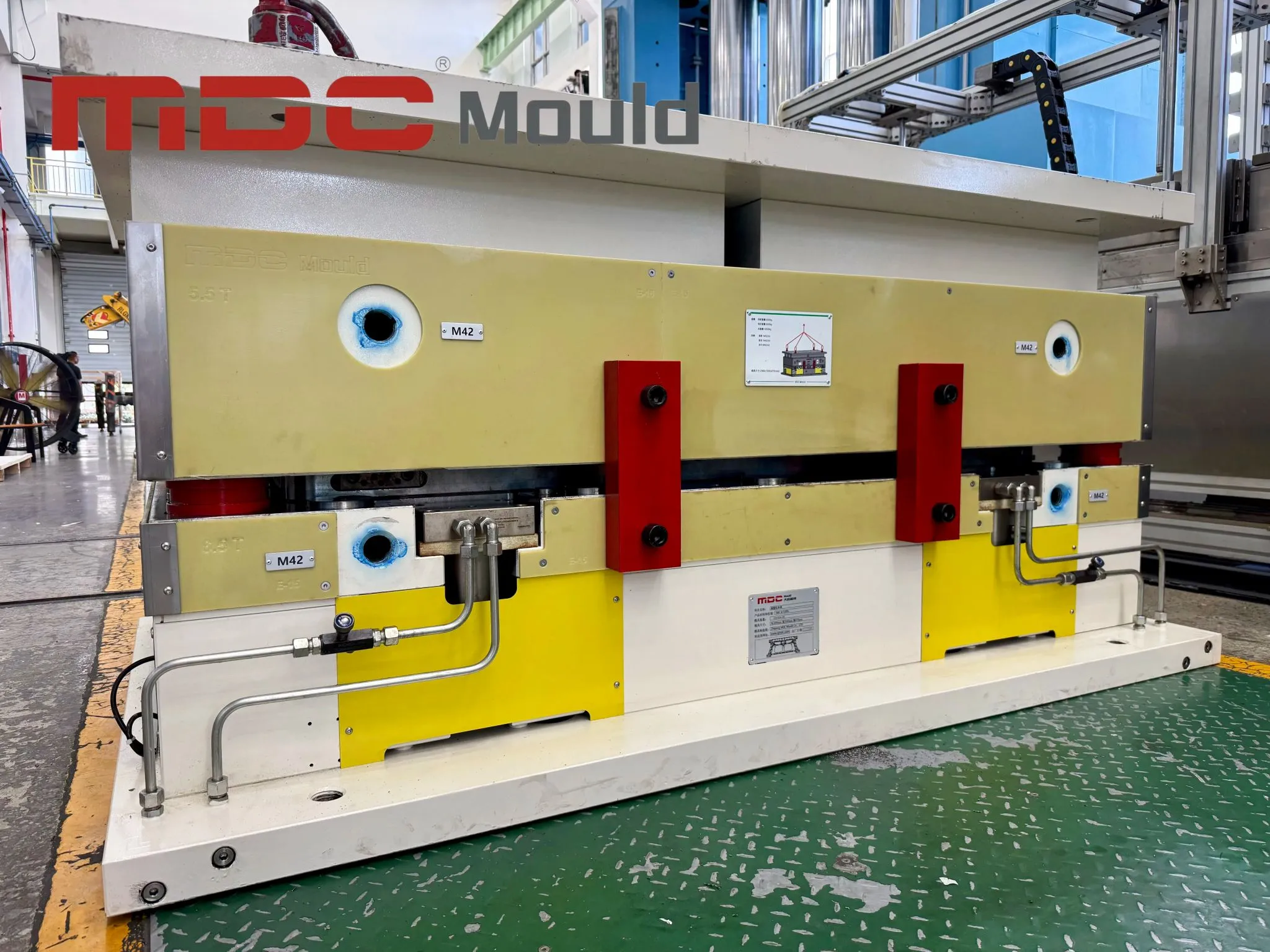
A compression mold forms SMC, BMC, or FRP components under controlled heat and pressure. A complete compression mold system includes the tool, matched-metal dies, heating and cooling circuits, ejector mechanisms, and a validated process window (pressure–temperature–time) to achieve repeatable quality and short cycle times.
PrecisionDimensional tolerances down to ±0.2–0.5 mm (design dependent).
ThroughputOptimized cycle time via balanced thermal circuits and charge placement.
ConsistencyUniform pressure distribution minimizes porosity, warpage, and knit lines.
2) Insulation Boards: Types & Functional Roles
Insulation boards reduce heat transfer, stabilize temperatures, and enhance fire and acoustic performance when paired with molded composite skins or cores.
| Board Type | Core Benefits | Typical Use with Molded Panels | Notes |
|---|---|---|---|
| PU (Polyurethane) | High R-value per thickness; lightweight | Building envelopes, modular wall/roof cassettes | Good balance of cost and performance |
| XPS (Extruded Polystyrene) | Low water uptake; strong compressive strength | Façade panels, cold-chain enclosures | Stable edges; easy machining |
| Phenolic Foam | Superior fire performance; low smoke | Public buildings, transport interiors | High safety-critical environments |
| Mineral Wool | Non-combustible; thermal + acoustic | Fire-rated façades, industrial housings | Excellent sound dampening |
Integration tip: When bonding insulation boards to compression-molded skins, select adhesives compatible with service temperatures and fire-rating targets (e.g., intumescent or low-smoke halogen-free chemistries).
3) Why the Combination Delivers Stability, Efficiency, and Durability
Stability
- Structural integrity: Compression-molded skins provide high flexural and impact strength for panelized systems.
- Thermal moderation: Insulation boards reduce thermal gradients and curb expansion-induced stress.
- Dimensional control: Balanced laminate stacks and symmetric layups minimize warpage.
Efficiency
- Factory throughput: Short, predictable molding cycles and modular panel assembly cut on-site time by 30–50%.
- Energy savings: High R-values lower HVAC loads, reducing operating costs over the building lifecycle.
- Design-to-manufacture: CAD/BOM standardization, BOM reuse, and jigs/fixtures improve repeatability and scale.
Durability
- Environmental resistance: FRP skins resist corrosion, UV (with coatings), and chemicals.
- Fire & moisture performance: Phenolic/mineral wool cores boost fire ratings; XPS limits water ingress.
- Lifecycle longevity: Stable thermal envelope and robust skins reduce maintenance over decades.
4) High-Value Applications Across Industries
Modular Construction & Facades
- Lightweight cassette panels with molded FRP skins and PU/XPS/phenolic cores.
- Rapid on-site installation; consistent surface quality and weatherability.
- Custom textures and colors via in-mold coatings (IMC) or gelcoats.
Automotive & Transport
- EV battery covers, underbody shields, and HVAC housings with thermal and fire considerations.
- Weight reduction improves range and fuel efficiency.
- Acoustic damping via mineral wool cores in interior panels.
Electrical & Energy
- Switchgear, inverter, and transformer enclosures with dielectric and fire requirements.
- Insulated housings for renewable energy balance-of-plant components.
Aerospace & Industrial
- Interior panels, bulkheads, and fairings with thermal/acoustic cores.
- Offshore and corrosive environments benefit from FRP skins.
5) Sustainability, Safety, and Compliance
- Lower operational carbon: High thermal resistance trims HVAC energy use over the asset life.
- Material efficiency: Net-shape molding reduces scrap; in-mold coatings eliminate multi-step finishing.
- Fire & toxicity: Phenolic cores and halogen-free systems support stricter fire/smoke criteria.
- End-of-life pathways: Mechanical recycling of FRP offcuts and thermal recovery options (policy-dependent).
6) Selection & Integration Guide
Design Checklist
- Load cases: Wind/snow loads for façades; vibration/impact for transport; enclosure IP ratings for electrical.
- Thermal envelope: Target U-value/R-value and local energy codes.
- Fire performance: Specify test standards (e.g., reaction-to-fire, smoke development) required for occupancy type.
- Durability: UV exposure class, chemical splash, salt spray, freeze–thaw cycles.
Process Recommendations
- Charge strategy: Use pre-weighed SMC/BMC charges; optimize flow to avoid knit lines.
- Thermal control: Segment mold channels; validate soak, cure, and cool-down for flatness.
- Bonding & fastening: Surface prep (corona/abrade/solvent), adhesive selection (temperature, fire), and mechanical backup where needed.
- QA/QC: Track SPC for thickness, fiber volume, void content; non-destructive testing for critical parts.
Pro tip: Combine in-mold coatings (IMC) for Class A surfaces with UV-stable topcoats on sun-exposed façades to maximize color retention and weathering.Request a tailored specification »
7) Frequently Asked Questions
Q1. How do I choose between PU, XPS, phenolic, and mineral wool?
PU/XPS for highest thermal efficiency and lightweight; phenolic where fire/smoke is critical; mineral wool for non-combustibility and acoustic control.
Q2. Can compression-molded skins achieve Class A finishes?
Yes—use IMC, optimized venting, and post-polish if needed. Tool surface quality and release systems are decisive.
Q3. What panel thickness is typical?
Common façade cassettes: 20–60 mm overall, depending on wind loads and U-value targets. Transport and enclosure panels vary by spec.
Get Specifications, Samples, or a Cost–Benefit Model
Need a bill of materials (BOM), sample set, or test plan for your application? Our engineering team can provide a project-specific laminate stack, insulation pairing, and processing window.