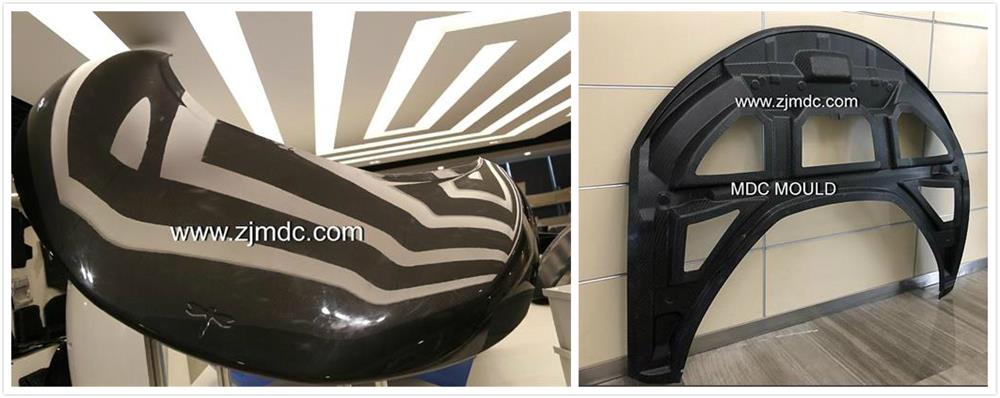
Composite materials have become a core foundation in advanced engineering due to their high strength-to-weight ratio, stiffness, corrosion resistance, and adaptability. As industries continue to move toward lightweight structures, the mechanical behavior of carbon fiber composites and glass fiber reinforced polymers (GFRP) has become a primary focus in material selection.
1. Introduction: Why Tensile Strength Matters
Tensile strength and elastic modulus are two of the most critical parameters in evaluating structural performance. In applications across aerospace, automotive, industrial machinery, energy storage, and pressure-resistant structures, the reliability of composite materials depends heavily on fiber type, fiber orientation, and the number of reinforcement layers.
This study focuses on analyzing the mechanical performance of composites made with carbon fiber and glass fiber using standardized ISO-527 tensile testing. The results provide valuable insights into how layer count directly influences the tensile strength and stiffness of composite structures.
2. Research Methodology: ISO-527 Tensile Test Standards
Tensile tests were performed using ISO-527 specimen standards to ensure consistency and accuracy. Two composite types were evaluated:
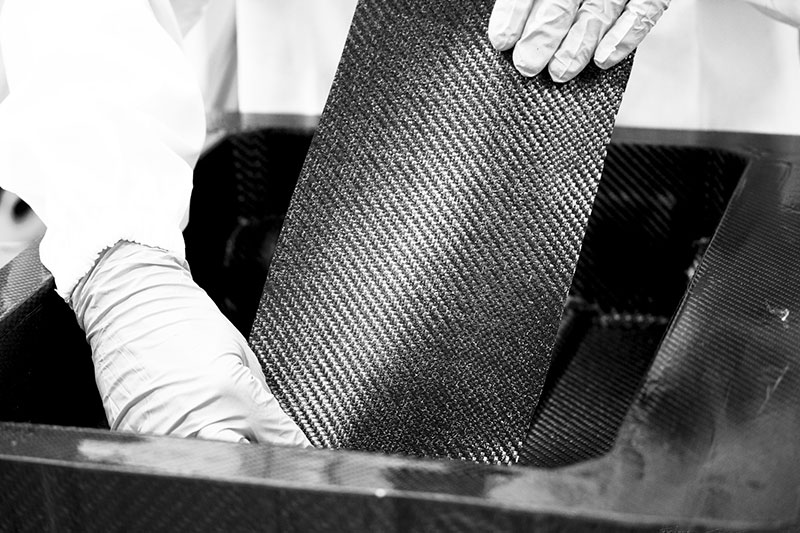
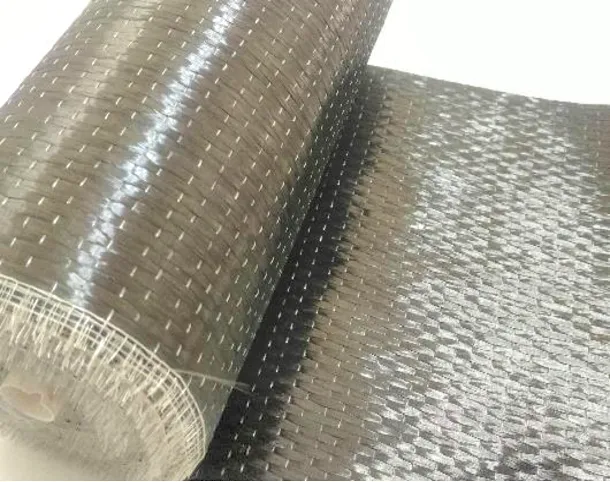
- Continuously reinforced carbon fiber laminates
- Glass fiber composites made with Chopped Strand Mat (CSM)
All samples were manufactured using a polymer matrix with a 10:1 catalyst ratio to ensure proper curing and replication of industrial production conditions.
3. Key Findings: Layer Count Determines Strength Performance
3.1 Two-Layer Carbon Fiber: The Highest Mechanical Performance
The study found that the composite specimen containing two layers of carbon fiber delivered the best mechanical results:
- Tensile Strength: 100.76 MPa
- Maximum Strain: 1.76% (low, indicating high stiffness)
- Elastic Modulus: 5708.4 MPa
These results confirm that increasing the number of reinforcement layers significantly enhances stiffness, load capacity, and overall tensile performance.
3.2 Single-Layer Carbon Fiber: Lowest Tensile Strength
The lowest mechanical performance was recorded in the specimen containing only one layer of carbon fiber:
- Tensile Strength: 19.877 MPa
This outcome highlights the limitations of single-layer structural design and demonstrates how inadequate reinforcement reduces mechanical performance.
3.3 Carbon Fiber vs. Glass Fiber: Differences Are Less Significant Than Expected
Prior studies suggest that tensile strength differences between carbon fiber and glass fiber composites may not be dramatic for single-layer materials. However, this research confirms that layer configuration—not fiber type—is the dominant factor in controlling:
- Tensile strength
- Elastic modulus
- Stiffness
- Load distribution capability
4. Discussion: Why Layer Configuration Matters
The mechanical superiority of the multi-layer carbon fiber composite is attributed to enhanced:
- Load transfer efficiency across fiber–matrix interfaces
- Resistance to deformation under tensile force
- Structural stability and minimized risk of delamination
- Elastic modulus increase proportional to layer count
These characteristics make multi-layer carbon fiber composites ideal for engineering components where high modulus, strength, and durability are essential.
5. Conclusion: Two-Layer Carbon Fiber Is the Optimal Choice
Based on ISO-527 tensile testing, the results confirm that two-layer carbon fiber laminates provide the highest tensile strength and stiffness. This configuration outperforms single-layer carbon fiber and glass fiber composites in every major mechanical category.
For engineering applications requiring lightweight, high-strength, and dimensionally stable materials—especially in high-demand industrial environments— two-layer carbon fiber composites are the optimal material choice.