Summary
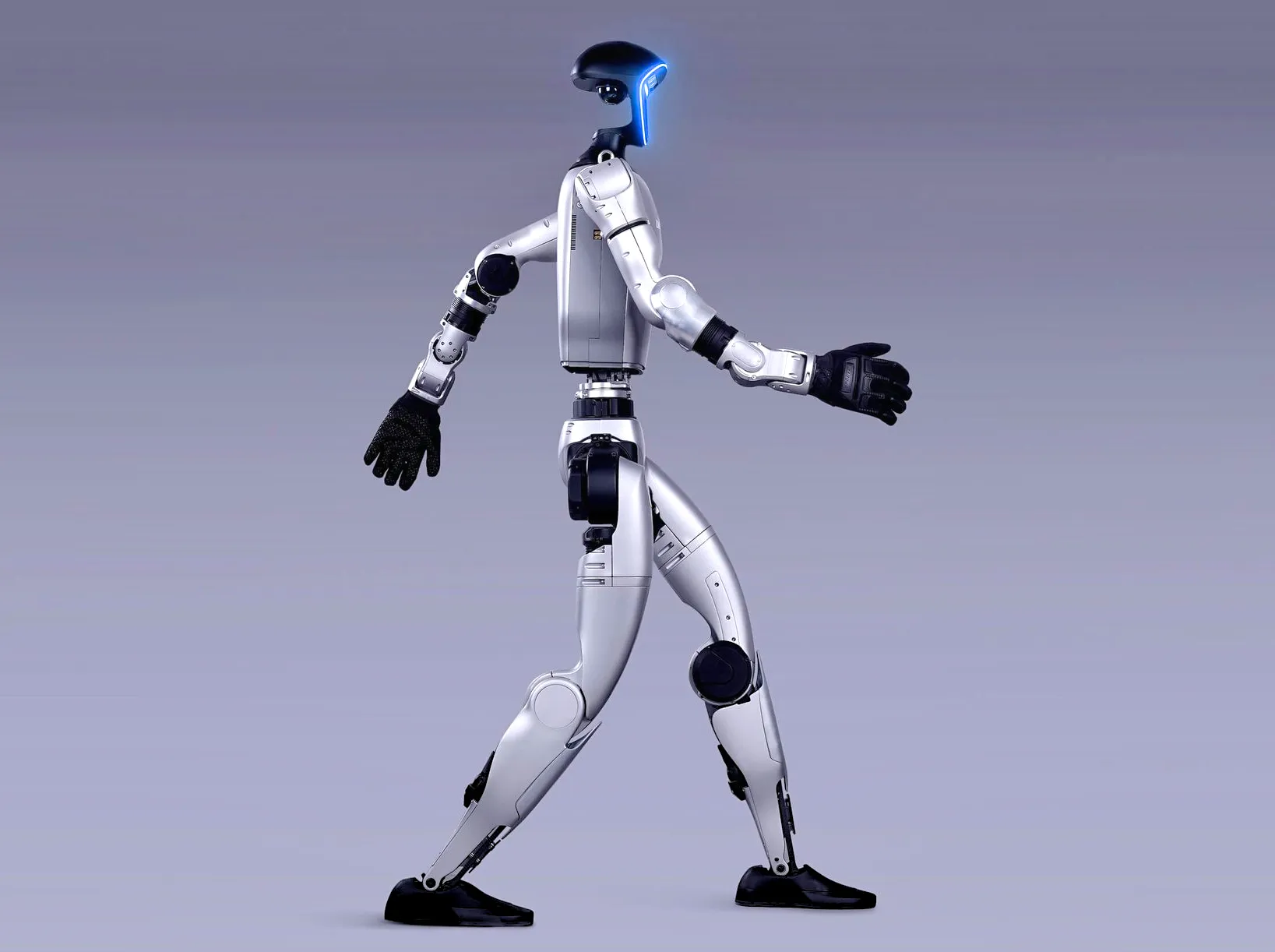
Advanced carbon fiber composite materials and high-performance thermoplastic composites such as CF-PEEK are the key enablers of modern humanoid robots. These materials provide lightweight structures, exceptional strength, and high precision, allowing robots to perform complex movements with efficiency and stability. Combined with advanced composite mold and compression molding technologies, they form the foundation of next-generation intelligent manufacturing.
Introduction: The Material Revolution Behind Intelligent Robotics
As humanoid robots move toward large-scale commercialization, the demand for lightweight, high-strength, and durable materials is becoming increasingly critical. Behind every agile movement and precise control lies a sophisticated material system.
Modern robots require materials that can simultaneously deliver:
- High structural strength
- Low weight for energy efficiency
- Excellent fatigue resistance
- Dimensional stability under varying environments
Carbon fiber composites and advanced engineering plastics have emerged as the optimal solution.
Carbon Fiber Composites: The “Structural Backbone” of Robots
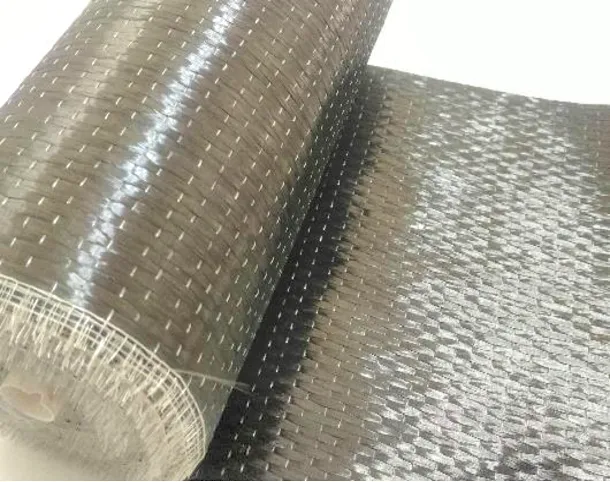
Carbon fiber reinforced composites are widely used in robotic frames, arms, and load-bearing structures. These materials combine high tensile strength with low density, making them ideal for dynamic systems.
Key Advantages:
- Extremely high strength-to-weight ratio
- Excellent resistance to bending and impact
- Near-zero thermal expansion for dimensional stability
- Long service life under cyclic loading
Through advanced carbon fiber molding and compression mold technologies, manufacturers can optimize fiber orientation (e.g., 0°, 45°, 90° layups) to match specific load conditions, ensuring maximum structural efficiency.
CF-PEEK Composites: Precision Materials for Robotic Joints
For robotic joints, where precision and durability are critical, carbon fiber reinforced PEEK (CF-PEEK) offers exceptional performance.
This advanced material combines:
- Carbon fiber strength
- PEEK’s wear resistance and thermal stability
- Outstanding fatigue resistance
CF-PEEK is widely used in bearings, gears, and joint components, enabling:
- High-precision motion control
- Reduced friction and wear
- Long-term reliability under repeated motion
Its ability to operate in extreme environments further enhances robot reliability.
UHMWPE Fiber: Flexible Support for Dynamic Systems
In addition to rigid structures, robots require flexible components such as tendons and protective elements. Ultra-high molecular weight polyethylene (UHMWPE) fibers serve this role effectively.
These fibers provide:
- High tensile strength
- Excellent fatigue resistance
- Lightweight flexibility
They ensure reliable performance in high-frequency motion environments.
Material Testing and Quality Assurance
The performance of advanced composites depends not only on material selection but also on strict testing and quality control.
Key Testing Methods:
- Tensile and flexural strength testing
- Fatigue and impact resistance evaluation
- Non-destructive testing (ultrasonic, thermal imaging)
- Dimensional accuracy and tolerance verification
These methods ensure that composite materials meet the demanding requirements of high-performance robotic systems.
Role of Composite Mold and Compression Tooling
High-performance materials require equally advanced manufacturing processes. Composite molds, including compression molds and carbon fiber tooling systems, play a critical role in achieving:
- Precise geometry and structural consistency
- Optimized fiber orientation
- High surface quality
- Efficient mass production
At MDC Mould, advanced tooling solutions support the production of high-performance composite components for robotics and other cutting-edge industries.
Future Outlook: Composite Materials Driving Robotics Innovation
As humanoid robots enter a new stage of commercialization, the demand for advanced composite materials will continue to grow.
Future trends include:
- Further lightweight optimization
- Integration of multi-material systems
- Improved sustainability and recyclability
- Enhanced precision manufacturing technologies
Composite materials will remain a key driver of innovation in robotics and intelligent manufacturing.

Frequently Asked Questions (FAQ)
Why are carbon fiber composites used in robots?
Carbon fiber composites provide high strength and low weight, enabling robots to achieve efficient and precise movement.
What is CF-PEEK material?
CF-PEEK is a high-performance composite material combining carbon fiber with PEEK, offering excellent wear resistance and mechanical strength.
What role do molds play in composite manufacturing?
Molds ensure precise shaping, fiber alignment, and consistent quality in composite components.
Conclusion
Carbon fiber composites and advanced thermoplastic materials are transforming the capabilities of humanoid robots. Through the integration of high-performance materials and precision composite mold technologies, manufacturers can achieve lightweight, durable, and highly efficient robotic systems.
As the robotics industry continues to evolve, these materials will remain at the core of innovation, driving the future of intelligent manufacturing worldwide.