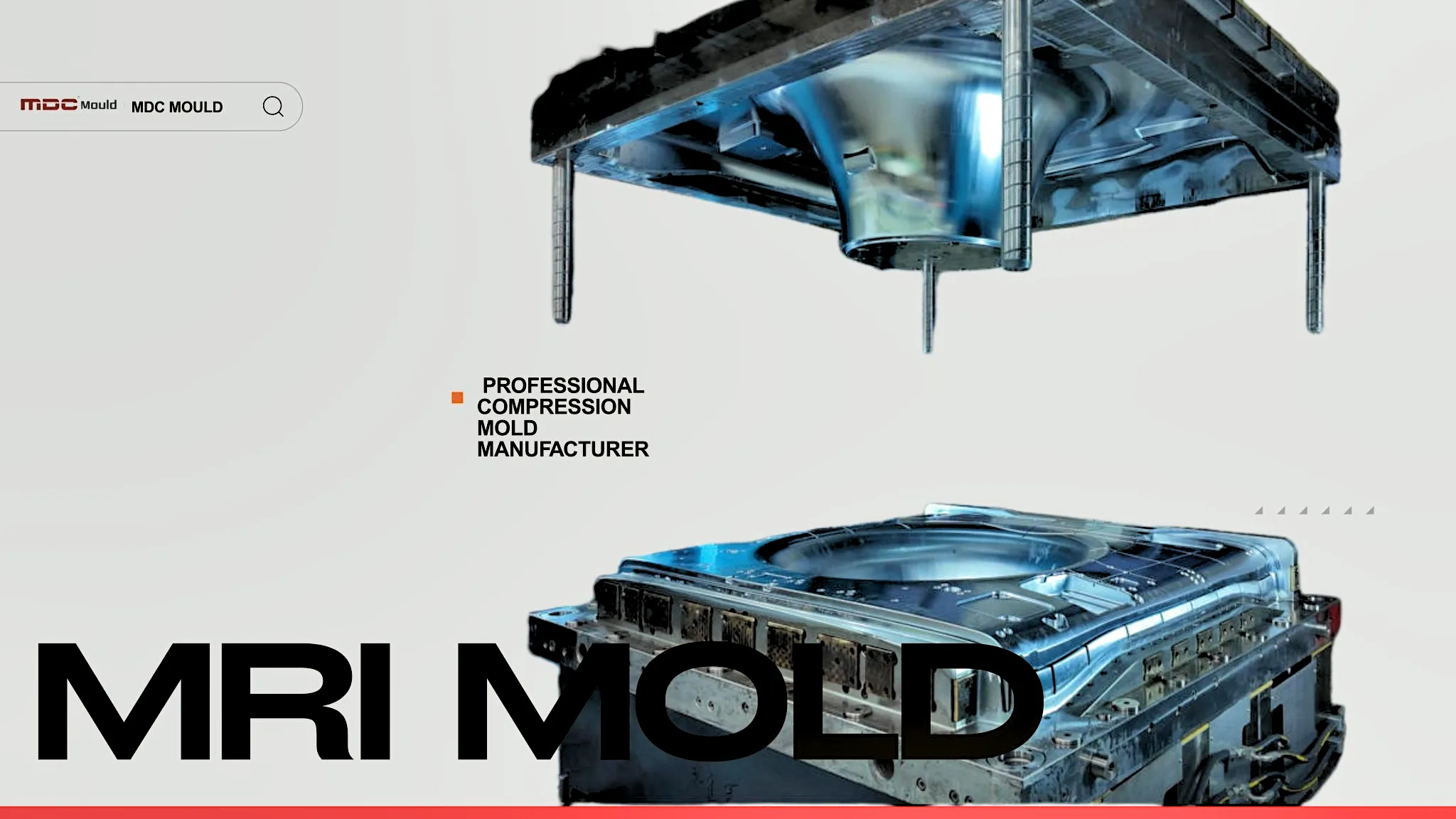
Advanced Tooling Solutions for High-Precision Medical Imaging Housing

Precision CNC machining for MRI housing molds. Achieve micron-level tolerances and Class A finish for medical-grade composites with expert tooling by MDC Mould.

In the medical industry, precision is not optional—it is critical. From diagnostic imaging systems to advanced medical devices, every component must meet strict standards for accuracy, safety, and reliability.

At MDC Mould, we specialize in CNC machining for high-precision MRI housing mould projects, supporting the production of complex medical equipment components with consistent quality and performance.

This article provides an in-depth look at how medical mould manufacturing is achieved through advanced machining, process control, and engineering expertise.

1. Why MRI Housing Moulds Require High-Precision CNC Machining

MRI systems demand extremely precise housing structures to ensure proper alignment, stability, and operational safety. A high-quality MRI housing mould must deliver:

  • Strict dimensional accuracy
  • Smooth and defect-free surfaces
  • Stable structural performance
  • Consistency across production cycles

Even minor deviations can affect the performance of medical equipment, making precision CNC machining essential.

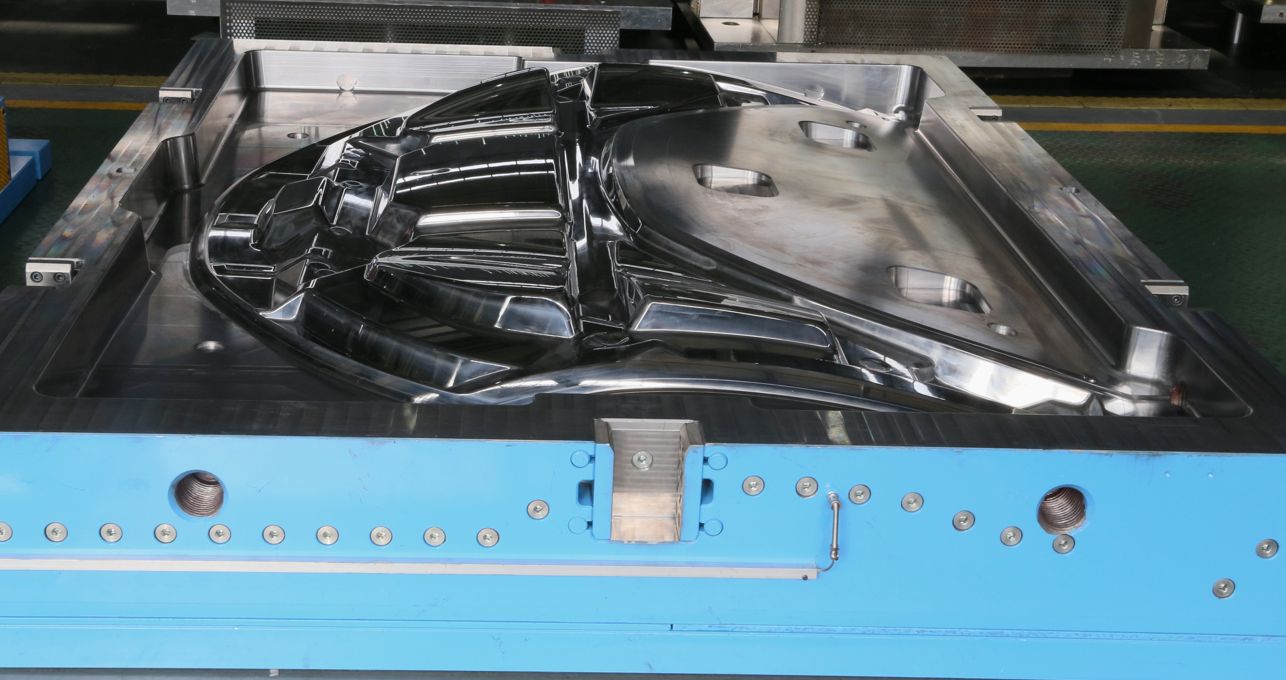
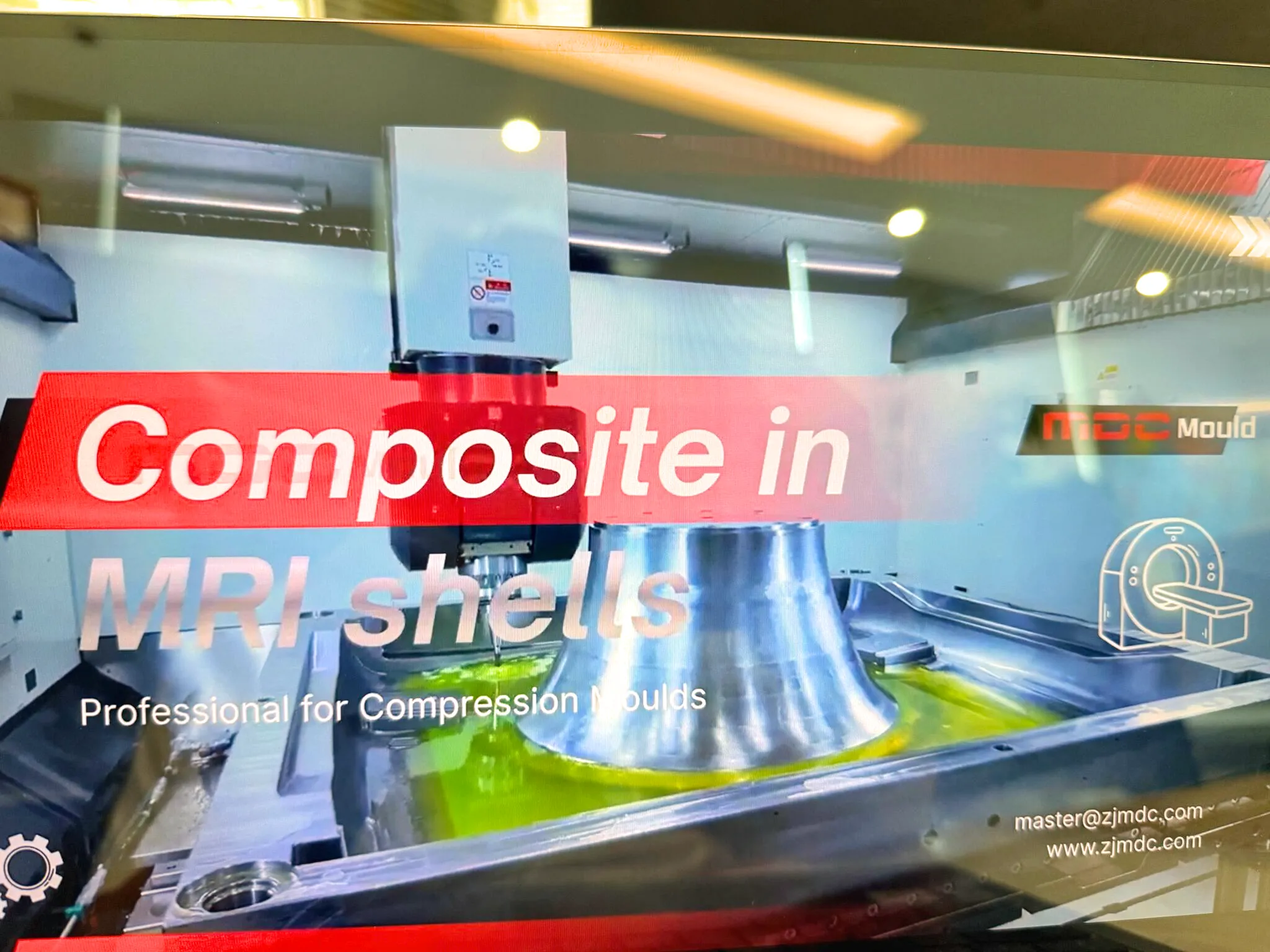
MRI2

2. CNC Machining Process for Medical Mould Manufacturing

The production of a medical mould involves multiple controlled machining stages:

2.1 Rough Machining

  • Fast material removal
  • Initial shaping of the mould structure
  • Preparation for precision machining

2.2 Semi-Finishing

  • Refinement of contours
  • Improved dimensional accuracy
  • Reduction of internal stress

2.3 Finishing

  • Achieving final tolerances
  • High-quality surface finish
  • Preparation for polishing or coating

Each stage is carefully managed to ensure that the final CNC mould meets medical-grade standards.

3. Engineering Challenges in MRI Housing Mould Machining

Complex Geometry

MRI housings often feature large curved surfaces and integrated structures. Advanced multi-axis CNC machining ensures precise shaping of these complex geometries.

Surface Quality Requirements

Medical applications require smooth, defect-free surfaces. High-speed finishing and polishing techniques are used to achieve superior results.

Dimensional Stability

Temperature control and precision inspection systems are essential to maintain tight tolerances during machining.

4. Process Control and Quality Assurance

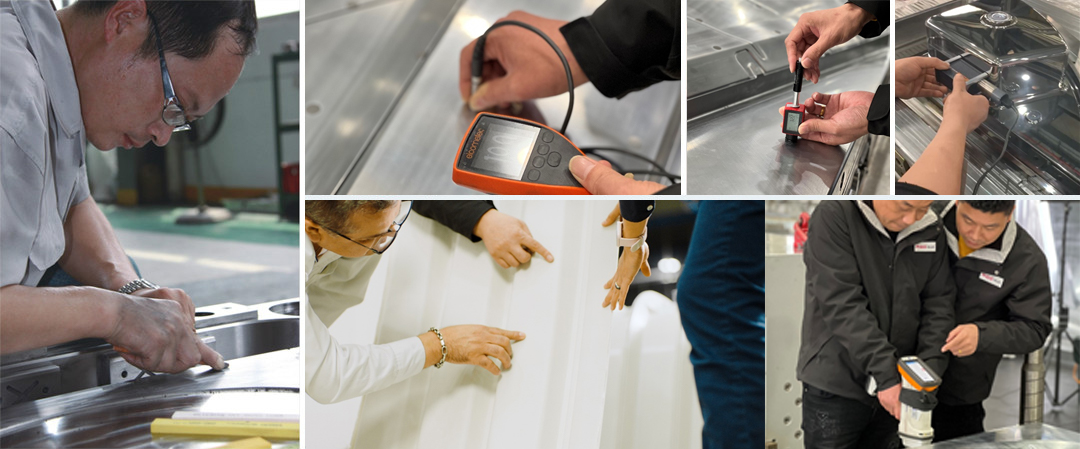
At MDC Mould, every step of medical mould manufacturing is monitored and controlled:

  • Real-time machining process tracking
  • Tool wear monitoring
  • Dimensional inspection at key stages
  • Strict quality control standards

This ensures:

  • Consistent product quality
  • Reduced defect rates
  • Reliable performance in medical applications
MRI1

5. Material Selection for MRI Mould Tooling

Choosing the right material is essential for successful CNC mould making. Common materials include:

  • Tool steel for durability and strength
  • Aluminum for lightweight and fast machining
  • Composite tooling materials for specialized applications

Material selection impacts machining efficiency, tool life, and final product quality.

6. From CNC Machining to Medical Application

After machining, moulds are used in processes such as:

These processes produce:

  • MRI equipment housings
  • Medical device enclosures
  • Structural composite components

High-quality tooling ensures that final products meet strict medical standards.

7. Why Choose MDC Mould for Medical Tooling

MDC Mould combines advanced technology with engineering expertise to deliver high-performance precision tooling solutions.

  • Extensive experience in CNC machining
  • Advanced equipment and multi-axis machining capability
  • Strict quality control systems
  • Reliable global delivery

We support customers in the medical industry with dependable and high-quality mould solutions.

Conclusion

CNC machining for MRI housing mould represents one of the highest standards in modern manufacturing. It requires precision, expertise, and strict quality control at every stage.

At MDC Mould, we ensure that every machining step is carefully executed to meet demanding medical requirements, helping our customers deliver reliable and high-performance medical equipment worldwide.

SMC Top Panel Technology: Mastering Class A Surfaces for Large EV Parts

Precision SMC top panel molds for large EV exteriors. Achieve Class A surface quality and 30% weight reduction with expert compression tooling from MDC Mould.

As the automotive industry accelerates toward lightweight engineering, large integrated structures, and high-efficiency manufacturingSMC top panel mould technology has become a key solution for producing large automotive exterior panels. Leveraging the advantages of compression moulding, manufacturers can efficiently form large flat-panel composite components with superior performance.

Components such as vehicle roof panels, front panels, and body covers require high dimensional accuracy, excellent surface quality, and structural strength. With SMC (Sheet Molding Compound), these requirements can be achieved while maintaining lightweight and cost-effective production.

MDC Mould has established strong cooperation with global automotive manufacturers, delivering advanced top panel mould solutions from concept design to final production.

What is an SMC Top Panel Mould?

An SMC top panel mould is a specialized compression mould used to manufacture large automotive panels such as roof panels and exterior covers. It is designed to process SMC composite materials under controlled temperature and pressure conditions.

Compared with traditional metal forming, SMC mould technology offers:

  • Lightweight composite structures
  • High strength and impact resistance
  • Excellent corrosion resistance
  • Class A surface finish for exterior applications

Why Compression Moulding is Ideal for Large Automotive Panels

Compression moulding is widely recognized as the optimal process for producing large flat-panel products, making it ideal for automotive top panel mould applications.

1. Superior Surface Quality

SMC materials enable smooth, paint-ready surfaces that meet automotive Class A standards.

2. Lightweight and High Strength

Compared to steel panels, SMC parts significantly reduce vehicle weight while maintaining excellent mechanical performance.

3. Complex Structure Integration

Features such as ribs, reinforcements, and mounting points can be integrated directly into the moulded panel, reducing assembly steps.

4. High Efficiency Production

Once developed, SMC top panel moulds support consistent, high-volume manufacturing with reduced cycle times.

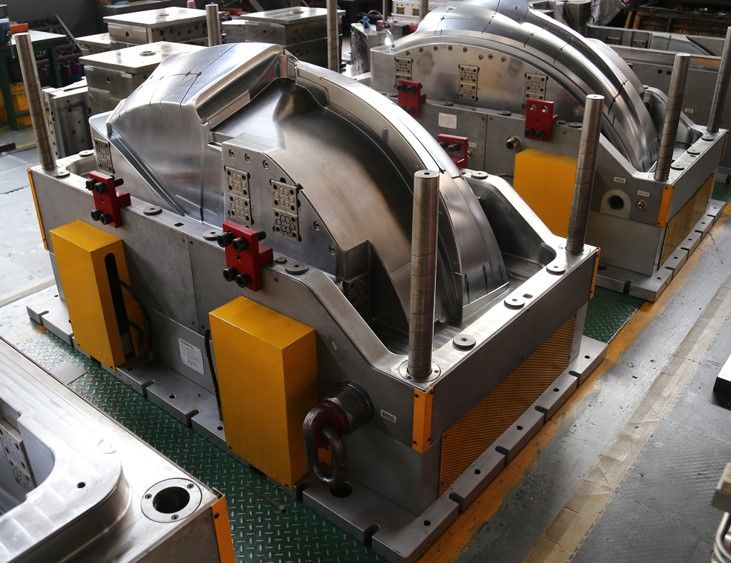
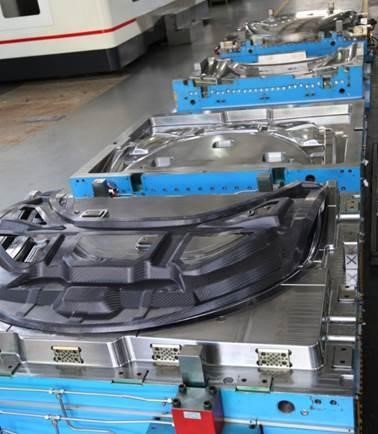
SMC Top Panel mold

MDC Mould Capabilities in SMC Top Panel Mould Projects

MDC Mould has extensive experience in delivering SMC top panel mould solutions for various automotive applications, including both domestic and international OEM projects.

Full Process Support

  • Concept design and feasibility analysis
  • CAE simulation and optimization
  • Precision mould design and manufacturing
  • Trial production and validation

Advanced Tooling Technology

With high-precision CNC machining and strict quality control, MDC ensures:

  • High dimensional accuracy
  • Excellent surface finishing
  • Long mould service life

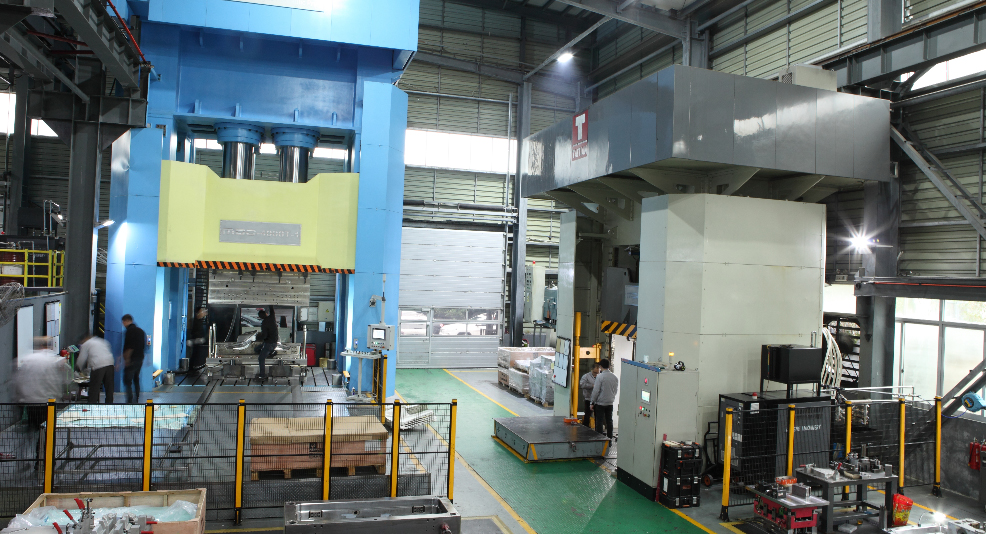
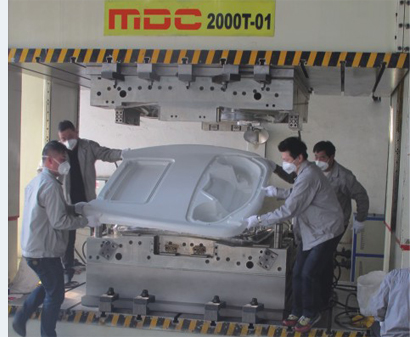
Large-Scale Capability: 4000T Compression Moulding Machine

A key advantage of MDC is its large-tonnage compression moulding capability. Equipped with a 4000T press machine, MDC supports:

  • Full-size automotive panel production
  • Large SMC top panel mould trials
  • Complex composite structure validation

Maximum supported part size:

  • Up to 3,500 × 3,200 mm

This ensures reliable full-scale testing and process optimization before mass production.

Key Design Considerations for Top Panel Moulds

Designing a high-performance top panel mould requires careful control of multiple engineering factors:

  • Temperature control system: Ensures proper curing of SMC materials
  • Uniform pressure distribution: Prevents defects and ensures part consistency
  • Ventilation design: Eliminates air traps and surface imperfections
  • Surface polishing: Achieves high-quality Class A finish

Applications of SMC Top Panel Moulds

  • Passenger vehicle roof panels
  • Commercial vehicle exterior panels
  • Electric vehicle (EV) body components
  • Truck and bus composite structures

As the demand for lightweight automotive solutions continues to rise, SMC top panel mould technology plays a critical role in modern vehicle design.

Future Trends in Automotive Composite Moulding

  • Advanced lightweight composite materials
  • Integration of multifunctional components
  • Smart manufacturing and automation
  • Sustainable and recyclable SMC materials

These trends highlight the increasing importance of compression moulding and composite tooling in next-generation automotive manufacturing.

Conclusion: MDC Mould Driving Innovation in Large Panel Moulding

SMC top panel mould technology offers a powerful solution for producing large, lightweight, and high-performance automotive panels. By combining advanced compression moulding processes with precision tooling, manufacturers can achieve superior product quality and efficiency.

With proven expertise, full-service capabilities, and a 4000T large-scale press systemMDC Mould continues to support global automotive manufacturers with high-quality composite mould solutions.

For companies seeking reliable top panel mould and SMC mould solutions, MDC is a trusted partner for innovation and long-term success.

Revolutionizing EV Bodies: High-Precision SMC Molds for Lightweight Door Panels

Precision SMC door molds for EV panels. Achieve Class A surface finish and 30% weight reduction with expert compression tooling from MDC Mould

As the automotive industry accelerates toward lightweight engineering and electrification, composite materials are replacing traditional metals in many structural and exterior applications. Among these materials, SMC (Sheet Molding Compound) has become a key solution for producing high-performance automotive components.

The SMC door mold plays a critical role in manufacturing lightweight, durable, and corrosion-resistant vehicle door panels. By utilizing advanced compression molding tooling, manufacturers can achieve superior product quality, efficiency, and design flexibility.

What is an SMC Door Mold?

An SMC door mold is a high-precision compression mold used to form automotive door panels from sheet molding compound materials under controlled heat and pressure.

The process involves:

  • Loading SMC material into the mold cavity
  • Applying heat and pressure for material flow and curing
  • Achieving a fully formed composite door panel
  • Releasing a high-quality finished component

This method ensures consistent production of complex, high-strength automotive parts with excellent surface finish.

Key Advantages of SMC Door Molds

1. Lightweight and High Strength

SMC materials provide a superior strength-to-weight ratio compared to traditional steel, reducing overall vehicle weight and improving fuel efficiency or EV range.

2. Excellent Corrosion Resistance

Unlike metal door panels, SMC automotive parts are resistant to rust and environmental degradation, ensuring long-term durability.

3. High Design Flexibility

SMC compression molds allow complex geometries and integrated structures, reducing assembly steps and improving product performance.

4. Class A Surface Quality

Advanced mold finishing techniques enable automotive door molds to produce Class A surfaces suitable for direct painting.

5. Cost Efficiency in Mass Production

SMC molding offers shorter cycle times and reduced material waste, making it ideal for high-volume automotive manufacturing.

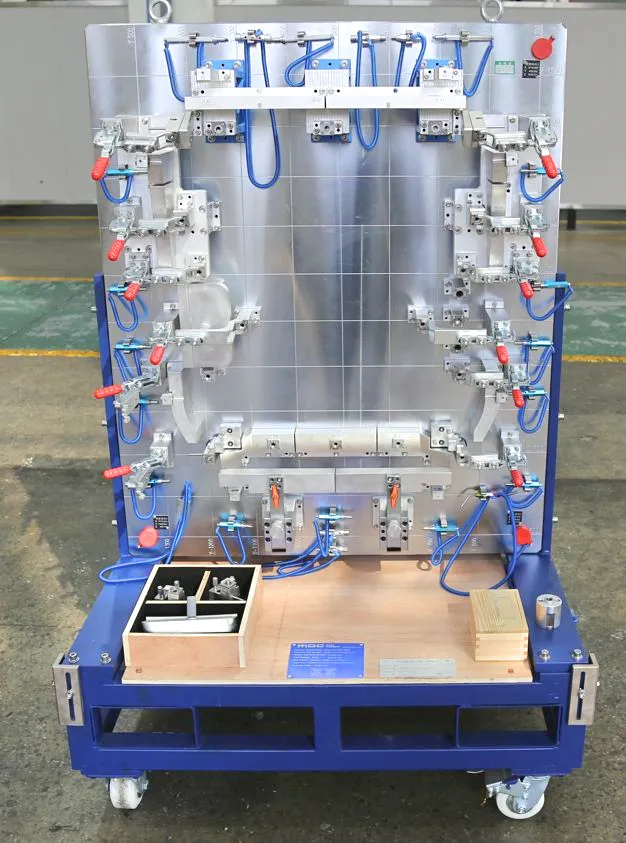
SMC door mold

Engineering Requirements for High-Performance SMC Door Molds

Designing a reliable SMC door mold requires advanced engineering capabilities:

  • Precision cavity design for accurate panel fit
  • Optimized heating systems for uniform temperature distribution
  • Advanced venting design to prevent defects
  • High-quality mold materials for durability and long service life
  • Surface polishing for Class A finish requirements

These factors ensure stable production and high-quality output in automotive applications.

Applications in Automotive Manufacturing

Passenger Vehicles

  • Exterior door panels
  • Inner structural door components
  • Reinforced composite modules

Electric Vehicles (EVs)

  • Lightweight door systems
  • Integrated structural panels
  • Energy-efficient body components

Commercial Vehicles

  • Truck and bus door panels
  • Heavy-duty composite enclosures

The versatility of SMC door molds makes them essential in modern vehicle manufacturing.

SMC vs Metal Door Manufacturing

FeatureSMC Door MoldMetal Stamping
WeightLightweightHeavy
Corrosion ResistanceExcellentRequires coating
Design FlexibilityHighLimited
Surface FinishClass A possibleSecondary processing required
Production EfficiencyHighComplex process

MDC Mould: Professional SMC Door Mold Manufacturer

MDC Mould is a leading manufacturer specializing in high-precision SMC compression molds for automotive applications.

  • Expertise in automotive composite tooling
  • Advanced CNC machining and mold engineering
  • Customized solutions for OEM and Tier 1 suppliers
  • Stable mass production performance

Our SMC door molds are designed to meet the highest standards of quality, durability, and efficiency in global automotive manufacturing.

FAQ: SMC Door Mold and Compression Molding

What is an SMC door mold used for?

An SMC door mold is used to manufacture lightweight composite automotive door panels using compression molding technology.

Why use SMC instead of metal for car doors?

SMC offers lower weight, better corrosion resistance, and greater design flexibility compared to traditional metal materials.

What industries use SMC compression molds?

SMC molds are widely used in automotive, transportation, and industrial equipment manufacturing.

Conclusion

The SMC door mold is a key technology enabling lightweight, high-performance automotive design. With its advantages in durability, efficiency, and flexibility, SMC compression molding is becoming the preferred solution for modern vehicle manufacturing.

By adopting advanced compression molding tooling, manufacturers can achieve superior product quality and maintain competitiveness in the evolving global automotive market.

Mass Production of Carbon Fiber Robot Parts: Precision Molding Solutions

Explore how carbon fiber composites, CF-PEEK materials, and advanced composite molding technologies enable high-performance humanoid robots. Learn about lightweight design, structural strength, and precision manufacturing.

Summary

Advanced carbon fiber composite materials and high-performance thermoplastic composites such as CF-PEEK are the key enablers of modern humanoid robots. These materials provide lightweight structures, exceptional strength, and high precision, allowing robots to perform complex movements with efficiency and stability. Combined with advanced composite mold and compression molding technologies, they form the foundation of next-generation intelligent manufacturing.

Introduction: The Material Revolution Behind Intelligent Robotics

As humanoid robots move toward large-scale commercialization, the demand for lightweight, high-strength, and durable materials is becoming increasingly critical. Behind every agile movement and precise control lies a sophisticated material system.

Modern robots require materials that can simultaneously deliver:

  • High structural strength
  • Low weight for energy efficiency
  • Excellent fatigue resistance
  • Dimensional stability under varying environments

Carbon fiber composites and advanced engineering plastics have emerged as the optimal solution.

Carbon Fiber Composites: The “Structural Backbone” of Robots

Carbon fiber reinforced composites are widely used in robotic frames, arms, and load-bearing structures. These materials combine high tensile strength with low density, making them ideal for dynamic systems.

Key Advantages:

  • Extremely high strength-to-weight ratio
  • Excellent resistance to bending and impact
  • Near-zero thermal expansion for dimensional stability
  • Long service life under cyclic loading

Through advanced carbon fiber molding and compression mold technologies, manufacturers can optimize fiber orientation (e.g., 0°, 45°, 90° layups) to match specific load conditions, ensuring maximum structural efficiency.

robot

CF-PEEK Composites: Precision Materials for Robotic Joints

For robotic joints, where precision and durability are critical, carbon fiber reinforced PEEK (CF-PEEK) offers exceptional performance.

This advanced material combines:

  • Carbon fiber strength
  • PEEK’s wear resistance and thermal stability
  • Outstanding fatigue resistance

CF-PEEK is widely used in bearings, gears, and joint components, enabling:

  • High-precision motion control
  • Reduced friction and wear
  • Long-term reliability under repeated motion

Its ability to operate in extreme environments further enhances robot reliability.

UHMWPE Fiber: Flexible Support for Dynamic Systems

In addition to rigid structures, robots require flexible components such as tendons and protective elements. Ultra-high molecular weight polyethylene (UHMWPE) fibers serve this role effectively.

These fibers provide:

  • High tensile strength
  • Excellent fatigue resistance
  • Lightweight flexibility

They ensure reliable performance in high-frequency motion environments.

Material Testing and Quality Assurance

The performance of advanced composites depends not only on material selection but also on strict testing and quality control.

Key Testing Methods:

  • Tensile and flexural strength testing
  • Fatigue and impact resistance evaluation
  • Non-destructive testing (ultrasonic, thermal imaging)
  • Dimensional accuracy and tolerance verification

These methods ensure that composite materials meet the demanding requirements of high-performance robotic systems.

Role of Composite Mold and Compression Tooling

High-performance materials require equally advanced manufacturing processes. Composite molds, including compression molds and carbon fiber tooling systems, play a critical role in achieving:

  • Precise geometry and structural consistency
  • Optimized fiber orientation
  • High surface quality
  • Efficient mass production

At MDC Mould, advanced tooling solutions support the production of high-performance composite components for robotics and other cutting-edge industries.

Future Outlook: Composite Materials Driving Robotics Innovation

As humanoid robots enter a new stage of commercialization, the demand for advanced composite materials will continue to grow.

Future trends include:

  • Further lightweight optimization
  • Integration of multi-material systems
  • Improved sustainability and recyclability
  • Enhanced precision manufacturing technologies

Composite materials will remain a key driver of innovation in robotics and intelligent manufacturing.

robot2

Frequently Asked Questions (FAQ)

Why are carbon fiber composites used in robots?

Carbon fiber composites provide high strength and low weight, enabling robots to achieve efficient and precise movement.

What is CF-PEEK material?

CF-PEEK is a high-performance composite material combining carbon fiber with PEEK, offering excellent wear resistance and mechanical strength.

What role do molds play in composite manufacturing?

Molds ensure precise shaping, fiber alignment, and consistent quality in composite components.

Conclusion

Carbon fiber composites and advanced thermoplastic materials are transforming the capabilities of humanoid robots. Through the integration of high-performance materials and precision composite mold technologies, manufacturers can achieve lightweight, durable, and highly efficient robotic systems.

As the robotics industry continues to evolve, these materials will remain at the core of innovation, driving the future of intelligent manufacturing worldwide.

Next-Gen Compression Molds: Leveraging DMLS 3D Printing Technology

A comprehensive computational study demonstrates Direct Metal Laser Sintering (DMLS) as a viable, material-efficient alternative for compression mold and SMC mold manufacturing.

A recent computational analysis demonstrates that DMLS-produced metal molds—featuring honeycomb internal structures—can meet the structural and thermal demands of compression molding while reducing material usage by up to 74% compared to conventionally machined molds. This breakthrough has direct implications for high-precision SMC moldcompression mold, and advanced composite tooling applications.

compression-mold
Figure: Concept illustration of a DMLS honeycomb compression mold (image for illustration only).

Executive summary

Traditional compression mold fabrication relies on subtractive machining—CNC milling, turning, and EDM—to produce high-precision tooling. While accurate, these methods incur long lead times, high tooling steel consumption, and substantial material waste. The computational study summarized here evaluates Direct Metal Laser Sintering (DMLS) as an alternative production route for compression mold tooling. Key findings include:

  • DMLS mold with an internal honeycomb lattice achieved the design criterion of maximum deflection ≤ 0.001 inches under realistic molding pressures and temperatures.
  • The additive mold used approximately 74% less material than a conventionally machined equivalent.
  • Design freedom enabled by DMLS allows internal topology optimization, conformal cooling channel placement, and mass reduction without compromising stiffness.

1. Why DMLS matters for compression molds and SMC tooling

Direct Metal Laser Sintering (DMLS) is a powder-bed fusion metal additive manufacturing technology that constructs parts layer-by-layer using a focused laser to fuse metal powder. For compression mold and SMC mold manufacturers, DMLS offers several strategic advantages:

1.1 Material and cost efficiency

Additive lattice and honeycomb designs drastically reduce the volume of expensive tool steel required for large molds. The reported 74% material savings translate directly into lower material cost and reduced machining allowance when hybrid finishing (DMLS + CNC) is applied.

1.2 Geometric freedom and thermal control

DMLS enables features that are difficult or impossible to machine: internal lattices for light-weighting, integrated conformal cooling channels for thermal uniformity, and topology-optimized ribs that maximize stiffness per unit mass—capabilities that are especially beneficial for high-volume compression tooling.

1.3 Shorter development cycles

For R&D, prototype molds, or low-volume specialized tools, DMLS reduces lead times by removing complex multi-step machining processes. Iterations—such as channel geometry or reinforcement—can be implemented directly in the CAD model and printed without the need for expensive fixturing changes.

Mold-A-currently-existing-mold-CNC-manufactured

2. Computational approach: validating structural and thermal performance

The study compared two mold concepts under identical molding conditions: a solid machined steel mold (reference) and a DMLS-manufactured mold with a honeycomb internal structure. Finite Element Analysis (FEA) evaluated mechanical deflection under molding pressure and thermal gradients representative of SMC compression cycles.

2.1 Structural analysis

Using linear and non-linear static simulations, the DMLS honeycomb mold maintained a maximum deflection below the stringent tolerance of 0.001 inches. The lattice geometry was tuned to concentrate material along principal stress paths while removing mass in low-stress regions.

2.2 Thermal analysis

Transient thermal simulations modeled heat input during a typical compression-curing cycle and subsequent cooling. The DMLS mold’s lower thermal mass (due to internal cavities) required active thermal management—implemented via conformal cooling channels—to ensure uniform cure and avoid hot spots. With conformal cooling, temperature differentials were within acceptable process windows.

2.3 Hybrid finishing strategy

The research emphasized a hybrid workflow: DMLS for the internal topology and near-net shape plus precision CNC finishing on critical mating surfaces. This approach ensures required surface finish and dimensional tolerances, while still preserving the material and time advantages of additive production.

3. Design recommendations for metal-AM compression molds

Based on computational results and best practices, the following guidelines are recommended when applying DMLS to compression mold tooling:

  • Topology-aware lattice design: Orient honeycomb or lattice reinforcement along primary load paths; avoid uniform porosity that undermines stiffness.
  • Conformal cooling integration: Place channels close to the cavity surface with controlled channel cross-sections to optimize heat extraction and cycle time.
  • Post-process planning: Design for CNC finishing allowance on sealing faces and parting lines; determine regions for stress-relief heat treatment to minimize residual stresses from AM.
  • Material selection: Use tool steels and maraging steels compatible with DMLS and post-heat-treatment to achieve required hardness for long tool life.
  • Quality assurance: Implement non-destructive testing (NDT) for internal porosity and coordinate metrology for cavity dimension verification.
moldflow

4. Manufacturing, sustainability, and cost considerations

While DMLS reduces raw material waste, manufacturers must evaluate machine time, powder costs, and post-processing expenses. Key considerations include:

  • Powder reuse strategies to minimize consumable costs.
  • Energy consumption of large-format DMLS machines versus conventional machining centers.
  • Tool life and maintenance: Ensure DMLS tool surface treatments or coatings to meet abrasive wear of SMC compounds.
  • Lifecycle analysis: Lowered steel usage and reduced machining waste contribute positively to environmental impact when balanced against AM energy use.

Practical conclusion: For mid-to-high complexity molds and R&D tooling, DMLS (combined with CNC finishing) is often economically and technically superior. For simple, very large-volume tooling with minimal internal features, traditional machining may still be preferable.

5. Implications for MDC Mould and the composite tooling industry

For a composite tooling specialist like MDC Mould, DMLS represents a strategic technology to complement existing CNC and EDM capabilities. Specific opportunities include:

  • Rapid prototype compression molds for SMC and BMC trials.
  • Optimized molds with conformal cooling to reduce curing cycle time and improve part consistency.
  • Customized lightweight tooling for large composite parts where handling and transport costs are significant.
  • Hybrid production lines in which DMLS cores are enclosed by conventionally manufactured cladding to balance cost and performance.

Adopting DMLS helps MDC strengthen its service offering for automotive SMC body panels, EV enclosures, structural composite parts, and specialized thermoforming tooling.

6. Recommended next steps for industrial adoption

  1. Run pilot projects combining DMLS-produced cores with CNC-finished faces for representative SMC mold designs.
  2. Perform full-cycle mold trials to validate wear resistance, demolding behavior, and part quality.
  3. Establish an internal AM design-for-manufacture (DfAM) guideline focused on lattice sizing, channel diameter, and post-processing sequences.
  4. Engage material suppliers to certify tool-steel powders specific to SMC process abrasion and thermal cycles.

Conclusion

This computational study demonstrates that DMLS is a technically viable option for modern compression mold manufacturing. When combined with conformal cooling and hybrid finishing strategies, DMLS molds can meet the strict structural and thermal demands of SMC compression processes while delivering substantial material savings and enhanced design freedom. For SMC mold and composite tooling providers, integrating DMLS into the manufacturing mix will open new possibilities for performance, sustainability, and rapid iteration.

Contact MDC Mould to learn how we integrate additive manufacturing with precision CNC finishing for next-generation compression molds: Contact us.

Core keywords: DMLS, compression mold, SMC mold, composite tooling, metal additive manufacturing, honeycomb mold, conformal cooling.

CFRP vs GFRP: Tensile Strength Analysis of Fiber Reinforced Polymers

Professional tensile strength analysis of carbon fiber and glass fiber composites. Learn how fiber type, layer count, and composite structure affect tensile strength, elastic modulus, and mechanical performance.

Composite materials have become a core foundation in advanced engineering due to their high strength-to-weight ratio, stiffness, corrosion resistance, and adaptability. As industries continue to move toward lightweight structures, the mechanical behavior of carbon fiber composites and glass fiber reinforced polymers (GFRP) has become a primary focus in material selection.

1. Introduction: Why Tensile Strength Matters

Tensile strength and elastic modulus are two of the most critical parameters in evaluating structural performance. In applications across aerospace, automotive, industrial machinery, energy storage, and pressure-resistant structures, the reliability of composite materials depends heavily on fiber type, fiber orientation, and the number of reinforcement layers.

This study focuses on analyzing the mechanical performance of composites made with carbon fiber and glass fiber using standardized ISO-527 tensile testing. The results provide valuable insights into how layer count directly influences the tensile strength and stiffness of composite structures.

carbon fiber

2. Research Methodology: ISO-527 Tensile Test Standards

Tensile tests were performed using ISO-527 specimen standards to ensure consistency and accuracy. Two composite types were evaluated:

  • Continuously reinforced carbon fiber laminates
  • Glass fiber composites made with Chopped Strand Mat (CSM)

All samples were manufactured using a polymer matrix with a 10:1 catalyst ratio to ensure proper curing and replication of industrial production conditions.

3. Key Findings: Layer Count Determines Strength Performance

3.1 Two-Layer Carbon Fiber: The Highest Mechanical Performance

The study found that the composite specimen containing two layers of carbon fiber delivered the best mechanical results:

  • Tensile Strength: 100.76 MPa
  • Maximum Strain: 1.76% (low, indicating high stiffness)
  • Elastic Modulus: 5708.4 MPa

These results confirm that increasing the number of reinforcement layers significantly enhances stiffness, load capacity, and overall tensile performance.

3.2 Single-Layer Carbon Fiber: Lowest Tensile Strength

The lowest mechanical performance was recorded in the specimen containing only one layer of carbon fiber:

  • Tensile Strength: 19.877 MPa

This outcome highlights the limitations of single-layer structural design and demonstrates how inadequate reinforcement reduces mechanical performance.

3.3 Carbon Fiber vs. Glass Fiber: Differences Are Less Significant Than Expected

Prior studies suggest that tensile strength differences between carbon fiber and glass fiber composites may not be dramatic for single-layer materials. However, this research confirms that layer configuration—not fiber type—is the dominant factor in controlling:

  • Tensile strength
  • Elastic modulus
  • Stiffness
  • Load distribution capability

4. Discussion: Why Layer Configuration Matters

The mechanical superiority of the multi-layer carbon fiber composite is attributed to enhanced:

  • Load transfer efficiency across fiber–matrix interfaces
  • Resistance to deformation under tensile force
  • Structural stability and minimized risk of delamination
  • Elastic modulus increase proportional to layer count

These characteristics make multi-layer carbon fiber composites ideal for engineering components where high modulus, strength, and durability are essential.

5. Conclusion: Two-Layer Carbon Fiber Is the Optimal Choice

Based on ISO-527 tensile testing, the results confirm that two-layer carbon fiber laminates provide the highest tensile strength and stiffness. This configuration outperforms single-layer carbon fiber and glass fiber composites in every major mechanical category.

For engineering applications requiring lightweight, high-strength, and dimensionally stable materials—especially in high-demand industrial environments— two-layer carbon fiber composites are the optimal material choice.

Polymer Composite 3D Printing in Civil Engineering

How polymer composite 3D printing is transforming civil engineering — material systems, structural applications, technical challenges and how MDC Mould’s composite tooling & precision forming supports industrial adoption.

Comprehensive professional insight into how polymer composite additive manufacturing (large-format) is reshaping infrastructure — and how MDC Mould’s composite tooling and processing expertise accelerates industrial adoption.

1. Material Systems and Printing Technologies

1.1 Thermoplastic and Thermoset Matrix Systems

Polymer composites used in additive manufacturing generally fall into two broad categories: thermoplastic and thermoset systems. Each class delivers distinct advantages for civil engineering applications.

Thermoplastic Composites

  • PLA — biodegradable and sustainable; suitable for low-temperature, temporary or recyclable applications. Performance can be enhanced with fiber or nanoparticle reinforcement.
  • ABS — higher impact resistance and better outdoor performance than PLA; commonly used for durable printed architectural components.
  • High-performance thermoplastics (PEEK, ULTEM) — for demanding, high-temperature or chemically aggressive environments.
  • Recycled thermoplastics (rPET) — reduce lifecycle carbon footprint, though require material control to limit molecular degradation.

Thermoset Composites

SLA/DLP and thermoset-based printing deliver excellent dimensional accuracy and thermal stability, but their cross-linked chemistry creates recyclability challenges for large-scale civil use.

1.2 Fiber-Reinforced Composite Systems

Reinforcements determine structural performance:

  • GFRP — fatigue resistance, cost-effective for large components (façade modules, pedestrian bridges).
  • CFRP — extremely high strength-to-weight; ideal for precision structural parts and retrofits.
  • Natural fibers — (bamboo, flax, hemp) promising for sustainability but need surface treatments for moisture/UV resistance.
  • Particle fillers — SiO₂, Al₂O₃ to increase stiffness, thermal performance or wear resistance.

1.3 Large-Scale Additive Manufacturing Technologies

Key printing technologies used in civil engineering:

Extrusion-Based 3D Printing (E3DP)

Most common for large geometries — balanced between scale and speed; supports composite filaments and pellet-fed systems.

Binder Jetting

Enables powder-based composites and hybrid mixtures with low thermal deformation and good surface finish.

Robotic Large-Format Additive Manufacturing (RLFAM)

Multi-axis robotic deposition allows support-free printing, complex geometry, and continuous fiber reinforcement — perfect for bespoke bridge components, stiffeners, and façade systems.

composite civil

2. Global Case Studies: From Bridges to Buildings

Practical projects worldwide demonstrate how composite 3D printing is applied at scale.

2.1 Bridge Engineering

  • Rotterdam (Netherlands) — 6.5 m pedestrian bridge printed from GFR-PET, reduced lifecycle carbon by ~50% (example of environmental and durability benefits).
  • Limburg Pedestrian Bridge — validated cyclic performance for pedestrian loads, showing predictable fatigue behaviour in GFRP structures.
  • Liuyun Bridge (China) — 17.5 m bridge printed from ASA-3012 composite in 35 days; illustrates speed and logistical advantages for medium-span pedestrian infrastructure.

2.2 Building & Modular Construction

  • BioHome 3D (USA) — bio-fiber + bio-resin printed modules that are recyclable and rapidly deployed.
  • Jindi Modular Housing (Australia) — recycled plastics core + cementitious outer coating for improved fire performance.
  • Azure Tiny Homes (USA) — small modules printed in 24–48 hours using recycled plastic feedstock at scale.

2.3 Structural Strengthening & Seismic Applications

Examples include continuous carbon-fiber printed grids and CFRP/PLA retrofits that increase energy dissipation and shear stiffness—offering promising strategies for earthquake-resistant upgrades and fast repair works.

3. Key Technical Challenges

Despite strong advantages, several engineering and industrial hurdles must be overcome for mainstream civil adoption:

3.1 Mechanical Anisotropy

Layered deposition creates directional properties—interlayer bonding is typically weaker than in-plane strength, necessitating design accommodations, fiber orientation control, and post-processing consolidation.

3.2 Durability & Environmental Resistance

  • UV ageing and photodegradation
  • Moisture uptake in natural fiber composites
  • Fire resistance and compliance with building codes

3.3 Large-Scale Manufacturing Bottlenecks

Production speed, material cost, and equipment footprint remain obstacles. Example: a 5,800 kg printed bridge may require multiple weeks of continuous operation.

3.4 Standards & Certification

Industry standards, testing protocols and life-cycle performance databases are still evolving—this slows structural certification and insurance acceptance for critical infrastructure.

3.5 Recycling & End-of-Life Management

Thermoset matrices and fiber-reinforced composites lack mature closed-loop recycling pathways—an active research and industrial priority.

4. Future Directions and Opportunities

4.1 Process Optimization

Multi-axis deposition, in-situ consolidation and hybrid manufacturing that combine additive deposition with CNC finishing will improve accuracy and structural integrity.

4.2 Smart & Functional Materials

Embedding sensors, self-healing chemistries, conductive pathways and thermal-functional fillers will enable intelligent infrastructure systems and condition-based maintenance.

4.3 Sustainable Material Development

R&D focus includes bio-based polymers, improved recycled PET composites and treated natural fibers that lower environmental impact while meeting performance targets.

4.4 High-Performance Composite Tooling

Large printed components will increasingly rely on high-quality tooling and forming systems for prototype validation, hybrid cast–printed assemblies, and repeatable production. MDC’s SMC/BMC tooling, FRP moulds and precision forming solutions provide essential capabilities for scale-up.

4.5 Standardization & Policy Support

Development of structural design codes, durability databases and sustainability assessment frameworks will accelerate industrial adoption and risk acceptance.

5. How MDC Mould Supports Composite 3D Printing Adoption

MDC Mould (Zhejiang MDC Mould Co., Ltd.) sits at the intersection of advanced composite tooling and large-scale composite manufacturing. Below are ways MDC accelerates adoption:

  • Precision Prototype Tooling — SMC/BMC and FRP moulds for validation of printed geometries and hybrid cast–printed joints.
  • Surface & Dimensional Finishing — post-print forming and high-accuracy tooling that enable modular façade systems and architectural finishes.
  • Vacuum & Consolidation Solutions — vacuum systems and in-situ consolidation fixtures to improve interlayer bonding and composite density for load-bearing parts.
  • Material Partnering — collaboration with filament, pellet and prepreg suppliers to qualify composite feedstocks for structural use.
  • Testing & Certification Support — prototype testing, fatigue evaluation and long-term performance campaigns required by code bodies and clients.
  • Hybrid Manufacturing Integration — combining large-format additive manufacturing with MDC’s subtractive tooling and finishing to deliver ready-to-install components.

For project inquiries — prototype tooling, pilot production, or hybrid cast–printed solutions — contact MDC Mould to discuss requirements and technical collaboration.

6. Conclusion

Polymer composite additive manufacturing is transitioning from research to impactful engineering practice across bridges, buildings and structural rehabilitation. While challenges in anisotropy, durability and standards remain, the combined progress in materials, processes and tooling creates a clear pathway toward scalable, sustainable infrastructure solutions.

MDC Mould—by providing high-performance composite tooling, vacuum/consolidation systems, and finishing services—plays a strategic role in enabling reliable, repeatable production for large-format composite structures. Partnering with tooling specialists reduces technical risk, shortens validation cycles and helps bring composite-printed infrastructure into mainstream engineering.

High-Performance Composite Materials for Extreme Environments

Explore how advanced composite materials and precision tooling developed by MDC Mould enable reliable performance under extreme temperatures, pressures, corrosion, and radiation conditions.

As aerospace propulsion systems push their thrust-to-weight ratios beyond 15 and deep-sea exploration equipment advances toward operational depths of 11,000 meters, extreme environments have become the ultimate testing grounds for material technology. Temperatures exceeding 1500°C, pressures above 100 MPa, long-term corrosion, and high-radiation conditions demand materials that combine ultra-high stability with exceptional reliability.

In recent years, continuous innovation in SMC moldcompression mold design, fiber architecture, matrix systems, and precision tooling has driven high-performance composites from laboratory prototypes to large-scale engineering applications. These advancements are particularly aligned with MDC Mould’s long-term expertise in composite mold manufacturing and high-precision thermoforming processes.

1. Aerospace & Propulsion Systems: High-Temperature and High-Load Applications

In aerospace engines, where combustion chamber temperatures can exceed 1500°C and structural components undergo millions of thermal cycles, advanced composites now demonstrate mechanical properties once exclusive to superalloys.

1.1 Ceramic Matrix Composites (CMCs)

CMC materials with SiC/SiC architecture retain strength above 1300°C, reduce weight by 35–50%, and improve fatigue resistance. These are now utilized in combustion liners, blade shrouds, and thermal shielding components.

1.2 Carbon–Carbon Composites

In hypersonic vehicle structures, C/C composites offer ultra-high ablation resistance and dimensional stability under repeated thermal shocks, supporting Mach 6+ trajectories and extreme flight profiles.

1.3 Precision Mold & Tooling for Aerospace Composites

The demand for defect-free molding surfaces and fiber consistency drives the use of large-format compression molds, high-pressure SMC tools, and autoclave-compatible composite molds — areas where MDC Mould is continuously innovating in thermal management and demolding performance.

composite

2. Deep-Sea Engineering: Surviving 110 MPa Pressure

Deep-sea environments impose unique challenges requiring materials that balance strength, corrosion resistance, and long-term durability.

2.1 Pressure-Resistant Composite Structures

Basalt fiber reinforced composites have been implemented in full-ocean-depth equipment. At water depths of 11,000 m, composite housings maintain 92% compressive strength retention with no microcrack propagation.

2.2 Marine Corrosion-Resistant Composites

Glass fiber reinforced vinyl ester composites show minimal mass loss (<0.3%) after 10,000 hours of salt-spray exposure. These materials are increasingly used in walkways, cable channels, and offshore structural systems.

2.3 High-Pressure Composite Piping

Carbon-fiber composite high-pressure RO pipes elevate allowable pressure from 8 MPa (steel) to 12 MPa while reducing system weight by 70%—improving efficiency in large-scale desalination facilities.

3. Energy & Nuclear Engineering: Materials Built for 60-Year Lifecycles

In nuclear power, hydrogen energy, geothermal systems, and next-generation reactors, materials must withstand heat, radiation, and chemical degradation for decades without structural compromise.

3.1 Radiation-Resistant Composite Systems

Multi-phase resin matrices incorporating ceramic fillers have demonstrated significant improvements in neutron-radiation resistance and dimensional stability.

3.2 Composite Tooling for Energy Applications

Large composite tooling — particularly high-temperature composite molds and compression systems — enable defect-free forming of thick laminate structures for shielding and containment applications.

4. Industrial Equipment: Lightweight, High-Strength, High-Precision

From semiconductor manufacturing to power transmission and intelligent equipment, the industrial sector is increasingly adopting high-performance composites for precision components that require stiffness, minimal deformation, and long service life.

4.1 Precision Structural Frames

Carbon-fiber reinforced epoxy structures provide 3–5× stiffness-to-weight advantages over metal frames, supporting micron-level positional accuracy in high-speed production equipment.

4.2 Corrosion-Resistant Chemical Equipment

Composite tanks, valves, and covers benefit from tailored resin systems and C-glass reinforcement, offering outstanding acid and alkali resistance under long-term continuous operation.

composite2

5. From Lab Innovation to Large-Scale Engineering: Key Enablers

The transformation of composite materials into extreme-environment applications depends on breakthroughs in five core areas:

  • Microscale fiber architecture optimization for better load transfer
  • High-purity, high-temperature matrix systems (CMC, BMI, PEEK, cyanate ester)
  • Advanced compression molding technologies delivering repeatable accuracy
  • Precision composite tooling with improved thermal control and demolding performance
  • Automated fiber placement & intelligent RTM improving consistency and throughput

MDC Mould’s continuous improvement in SMC MoldComposite Mold, and Compression Tooling provides an essential foundation for these engineering breakthroughs.

Conclusion

Extreme environments — high temperature, high pressure, corrosion, and radiation — represent the highest evaluation criteria for advanced materials. High-performance composites, driven by innovations in matrix chemistry, fiber design, and precision tooling, are rapidly becoming the core solution for next-generation aerospace, marine, energy, and industrial systems.

With proven expertise in hot-press composite tooling, SMC molds, BMC molds, high-temperature compression molds, and advanced composite manufacturingMDC Mould will continue supporting global industries with engineering-grade solutions that push the boundaries of material performance.

Curing Cycle Optimization in Compression Molding

Discover how Zhejiang MDC Mould optimizes the curing cycle in compression molding to enhance the strength, precision, and efficiency of composite components for automotive and industrial applications.

In the field of compression molding for composite materials, the curing cycle is one of the most decisive factors determining product performance, dimensional accuracy, and production efficiency. At Zhejiang MDC Mould Co., Ltd., mastering the curing cycle is not just process control—it is the essence of MDC’s precision engineering and its leadership in advanced composite mold manufacturing.

What Is the Curing Cycle in Compression Molding?

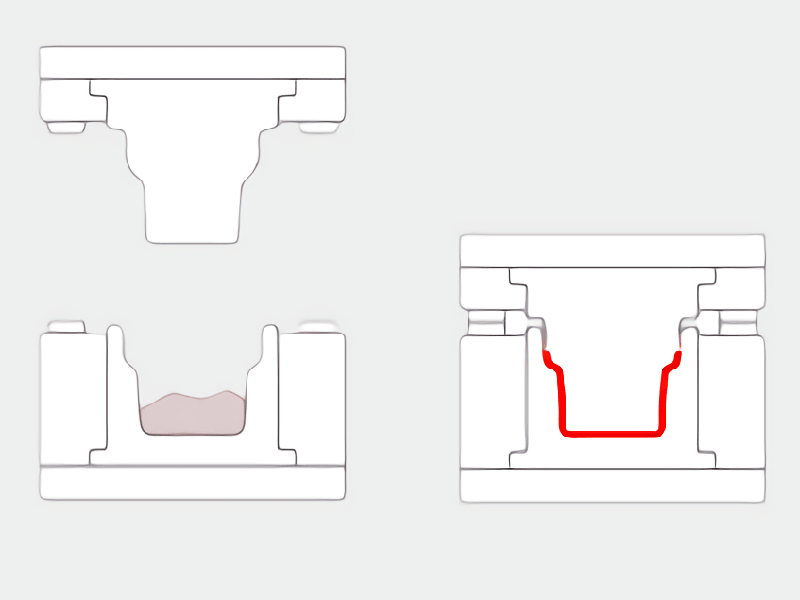
The curing cycle refers to the specific combination of time, temperature, and pressure applied to thermosetting composite materials within a compression mold. During this stage, materials such as SMC (Sheet Molding Compound) or BMC (Bulk Molding Compound) undergo crosslinking reactions that transform them from a semi-solid state into a rigid, durable component with stable mechanical properties.

A typical curing cycle involves three stages:

  • Heating phase: The mold is heated (130°C–170°C) to initiate resin polymerization.
  • Holding phase: The material remains under constant heat and pressure for full crosslinking.
  • Cooling phase: Controlled cooling solidifies the material and reduces internal stress before demolding.
compression-mould-machine

Why Curing Cycle Optimization Matters

For high-precision SMC and BMC molds designed by MDC, controlling the curing cycle is essential for ensuring consistent quality. If the curing cycle is too short, the resin may not fully crosslink, leading to surface or strength defects. If too long, unnecessary energy consumption and lower production efficiency result.

An optimized curing cycle ensures:

  • Stable mechanical performance — full crosslinking enhances strength and durability.
  • Dimensional precision — balanced curing prevents deformation and shrinkage.
  • Superior surface finish — precise curing leads to smooth, paint-ready surfaces.
  • Higher production efficiency — shorter cycles increase output and reduce costs.

Factors Influencing the Curing Cycle

The curing behavior within a compression mold depends on multiple factors:

  • Resin system: Polyester, epoxy, and phenolic resins each have distinct curing characteristics.
  • Reinforcement type: Fiber orientation, filler type, and content affect heat transfer.
  • Part geometry: Thicker sections require longer curing times to achieve uniformity.
  • Mold temperature control: Even heating ensures consistent curing throughout the cavity.
  • Venting and pressure: Proper venting avoids trapped air and ensures smooth resin flow.

MDC’s Engineering Approach to Curing Cycle Management

At MDC Mould, every compression mold is engineered with precise thermal management in mind. The company integrates finite element simulation and thermal flow analysis to predict temperature uniformity and curing behavior across complex cavities. This allows engineers to optimize the mold’s heating system and define ideal processing parameters before production begins.

MDC also utilizes:

  • Embedded thermal sensors for real-time temperature monitoring.
  • High-efficiency heating channels for rapid, uniform heat distribution.
  • Digital data systems linking process control with resin curing kinetics.

This approach ensures that each mold achieves an optimal balance between curing time, temperature, and pressure—guaranteeing reliable and repeatable composite part quality.

Case Study: SMC Roof Panel Mold for Electric Vehicle

In a recent project, MDC developed an SMC roof panel compression mold for a leading new energy vehicle manufacturer. By applying advanced thermal simulations and refining the curing schedule, MDC reduced the total cycle time by 20% while maintaining full crosslinking and high-gloss surface quality. The optimized curing cycle also minimized energy consumption and extended mold lifespan.

This success demonstrates MDC’s unique capability to merge curing cycle control with compression mold design excellence.

The Future of Curing Technology in Compression Molding

The next stage of curing optimization lies in smart manufacturing. MDC is developing intelligent compression molding systems that integrate AI-based thermal management, real-time curing monitoring, and predictive control algorithms. These innovations enable adaptive process adjustments—ensuring consistent curing performance, reduced energy use, and faster production cycles.

Conclusion

The curing cycle represents the heart of the compression molding process. Its precision defines not only the mechanical strength and dimensional accuracy of composite products but also overall manufacturing efficiency and sustainability. Through decades of experience and technological innovation, Zhejiang MDC Mould Co., Ltd. continues to advance the science of curing cycle optimization, delivering superior compression molds that empower global composite production with quality, consistency, and intelligence.

Preheating Compression Moulds: Enhancing Efficiency and Quality in Composite Molding

Learn how MDC Mould applies advanced preheating technology in compression moulds to improve composite molding performance, product quality, and production stability.

In the field of compression molding for composite materials, precise temperature control is the foundation of product stability and mold longevity. Among the most critical yet often underestimated steps is preheating the compression mold. At MDC Mould, this process is considered a key factor in achieving high-performance results for SMC, BMC, and carbon fiber components.

Why Preheating Compression Molds Matters

The compression molding process involves applying heat and pressure to a composite charge within a mold cavity. If the mold is not adequately preheated before production, material flow becomes unstable, leading to defects such as voids, incomplete curing, or warping. MDC’s engineering experience shows that maintaining precise mold temperature from the first cycle is vital to achieving dimensional consistency and optimal resin cross-linking.

  • Ensures even material flow and uniform curing;
  • Prevents air entrapment and surface imperfections;
  • Improves resin-fiber bonding strength;
  • Extends mold life by reducing thermal stress shock.

The Science of Mold Preheating

Different composite systems—such as SMC (Sheet Molding Compound)BMC (Bulk Molding Compound), and carbon fiber-reinforced composites—require specific mold temperatures for optimal molding conditions. Typically, SMC and BMC molds operate between 130°C and 160°C, while aerospace-grade carbon fiber applications may require preheating up to 180°C or beyond.

MDC’s hot press molds integrate precision heating channels and temperature sensors to maintain balanced thermal distribution across large and complex cavity surfaces. This uniformity minimizes localized hot spots and ensures consistent material flow during the entire molding cycle.

compression molds

Mold Preheating Methods Used at MDC

MDC utilizes a range of preheating systems according to material type and production scale:

  • Electric heating systems – offering precise and independent control for each mold zone;
  • Oil heating systems – providing steady, even temperature for large or multi-cavity molds;
  • Steam and hot-water preheating – suitable for low to mid-temperature composite applications;
  • Integrated PID control – ensuring real-time temperature regulation and safety monitoring.

Through advanced mold design and thermal simulation, MDC engineers ensure that heat transfer efficiency is maximized while minimizing energy loss, resulting in shorter preheating times and stable production.

Benefits of Proper Mold Preheating

Preheating a compression mold properly has direct impact on final product performance and overall production efficiency. Benefits include:

  • Enhanced surface quality – reduced flow marks and resin-rich zones;
  • Stable cycle times – consistent curing rates and dimensional control;
  • Increased mechanical properties – improved tensile and flexural strength;
  • Reduced energy waste – improved heating efficiency and fewer startup defects.

MDC’s Engineering Approach

At MDC, every compression mould is designed with precision and long-term durability in mind. The company integrates thermal analysis and simulation into its design phase, allowing engineers to predict heat flow, temperature gradients, and curing uniformity. This predictive approach ensures that each mold delivers stable performance even under continuous production conditions.

MDC’s preheating solutions are particularly beneficial for:

  • SMC auto parts such as bumpers, battery covers, and trunk boards;
  • BMC electrical components requiring high dimensional precision;
  • Carbon fiber structural parts in aerospace and industrial sectors.

Future Trends in Compression Molding Temperature Control

As composite manufacturing advances, mold temperature systems are becoming increasingly intelligent. MDC is developing new-generation preheating and thermal management solutions featuring real-time data acquisition, energy-efficient heating technologies, and smart temperature regulation to further enhance product quality and sustainability.

Conclusion

Preheating is not just a preparatory step — it is a foundation for precision molding. Through continuous innovation in compression mold design and temperature control technologyMDC Mould empowers manufacturers to achieve higher efficiency, stability, and quality in composite production. MDC remains committed to advancing composite mold engineering for a lighter, stronger, and more sustainable future.