Medical Compression Molding: Precision SMC Moulds for Device Housings

Professional medical compression molding solutions using SMC mould technology. MDC provides high-precision medical compression molds for MRI, CT scanners, and medical device housings.

Medical compression molding is an advanced manufacturing process that utilizes precisely controlled heat and pressure to shape composite materials within a closed mold cavity. This process ensures excellent dimensional accuracy, surface quality, and mechanical performance, making it particularly suitable for the medical industry, where reliability, safety, and consistency are critical.

At MDC, medical compression molding is widely applied to the production of large medical equipment housingscomplex structural components, and custom-shaped medical parts. These products are commonly used in hospitals, clinics, research institutions, and advanced medical equipment manufacturing facilities worldwide.

Consistent Quality Through Professional Engineering and Inspection

The superior quality of MDC’s medical compression molding products is ensured by a dedicated team of professional engineers and quality inspectors. Each production stage is strictly controlled, from raw material selection and formulation to molding process optimization and final product inspection.

By implementing standardized quality management procedures, MDC guarantees:

  • Stable and repeatable molding performance
  • Excellent surface finish and dimensional accuracy
  • High structural strength and durability
  • Compliance with medical industry requirements
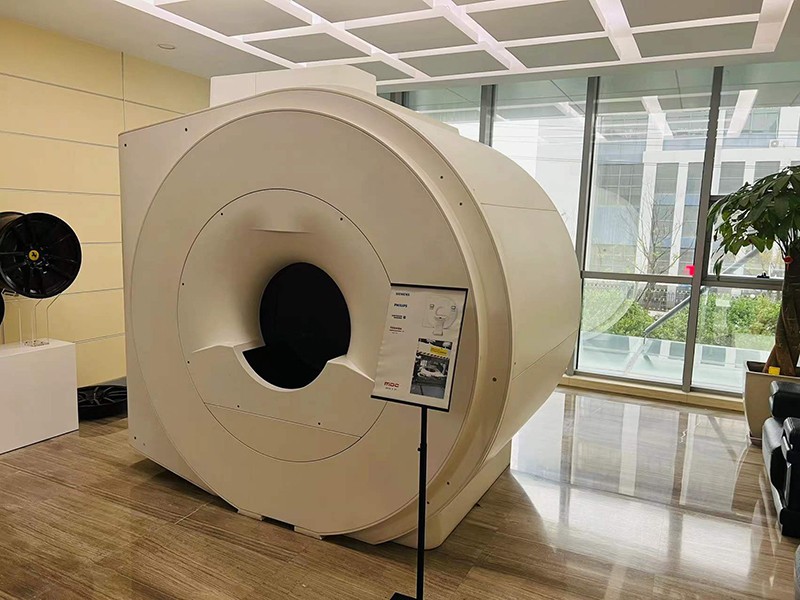
MRI shell mould

SMC Mould Technology for Medical Applications

SMC mould (Sheet Molding Compound mould) is a specialized type of composite mould widely used in medical compression molding. SMC materials offer outstanding advantages, including high strength-to-weight ratio, corrosion resistance, electrical insulation, and design flexibility.

MDC provides a wide range of SMC medical moulds tailored to customer specifications. Leveraging advanced composite molding technology, MDC continuously develops innovative solutions to support the growing demand for lightweight, durable, and aesthetically refined medical components.

Medical Mould Steel Selection: Carbon Steel vs. Stainless Steel

In medical compression molding, the selection of mold steel plays a crucial role in performance and service life. MDC offers two primary mold steel options for SMC medical moulds:

Carbon Steel Medical Moulds

Carbon steel is typically used for general medical products that require high strength, rigidity, and cost efficiency. It is suitable for stable indoor environments where corrosion resistance is not a primary concern.

Stainless Steel Medical Moulds

Stainless steel medical moulds are designed for applications that demand high corrosion resistance, cleanliness, and biocompatibility. They are ideal for medical components exposed to frequent cleaning, chemical disinfectants, or strict hygiene standards.

The choice between carbon steel and stainless steel is determined based on the user’s operating environment, regulatory requirements, and expected service conditions.

Typical Applications of Medical Compression Molding

MDC’s medical compression molding solutions are widely applied in advanced diagnostic and treatment equipment, including:

  • Front end cover of MRI machines
  • Rear end cover of MRI machines
  • CT scanner front end covers
  • Structural components of medical devices

These components require excellent mechanical stability, smooth surface quality, and precise dimensional control, all of which are achieved through optimized SMC compression molding processes.

Why Choose MDC for Medical Compression Molding?

With extensive experience in medical compression molds and SMC mould manufacturing, MDC provides reliable, customized, and future-oriented solutions for the medical industry. Our commitment to engineering excellence and continuous innovation ensures that every mold meets the highest standards of performance, durability, and quality.

As medical technology continues to evolve, MDC will continue to expand its composite molding capabilities to support next-generation medical devices and healthcare solutions.
Cavity Design, Venting Performance and Composite Mould Maintenance

Explore how advanced cavity design and venting systems in compression moulding for composite materials (SMC, BMC) ensure optimal part quality and mould longevity.

Within the field of compression moulding for composite materials, three pillars determine success: precise mould cavity design, effective venting (exhaust) systems, and robust mould maintenance practices. At Zhejiang MDC Mould Co., Ltd. (MDC Mould), our engineering philosophy integrates these elements into every tool we deliver for SMC, BMC and other thermoset composite parts.

The Critical Role of the Mould Cavity in Composite Tooling

The geometry and build of the mould cavity form the heart of the entire mould system. In composite compression moulding, the cavity must accommodate not only the final part shape, but also manage material flow, fibre orientation and cure behaviour. Mis-designed cavities lead to defects such as short-shots, stitching lines, fibre misalignment or warpage.

Key considerations include:

  • Fibre alignment and charge placement: The cavity must allow uniform lay-up of the Sheet Moulding Compound (SMC) or Bulk Moulding Compound (BMC) to ensure even fibre distribution.
  • Flow channels and fill path: Cavity geometry should minimise flow disturbance and enable complete fill under typical pressures (50–150 bar) and temperatures (130–160 °C) used in SMC compression moulding.
  • Wall thickness control and ribbing: Designing consistent wall thickness, supported by ribs or gussets, improves mechanical strength while reducing resin shrinkage and warpage.
  • Thermal control integration: The cavity must integrate heating/cooling channels in zones to manage temperature gradients that affect cure and dimensional stability. Faulty thermal zones contribute directly to part defects and mould fatigue.
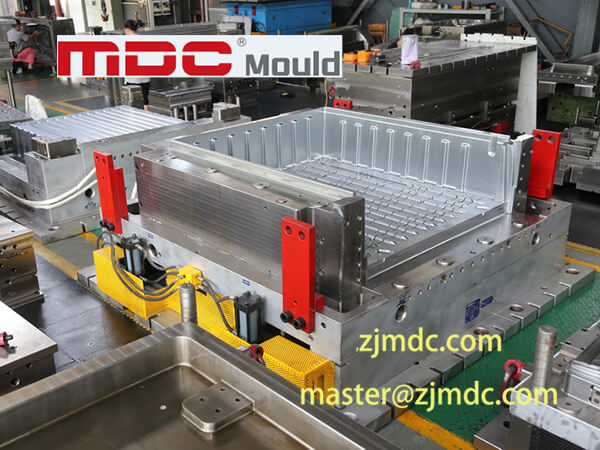
truck bed mould

Venting and Exhaust: Why Mold Design Must Prioritise It

Venting—or the removal of trapped air, volatile gases and resin bleed—is a critical but often misunderstood aspect in composite mould tooling. Without effective exhaust, parts may suffer porosity, blistering, weak interlaminar bonding or surface blemishes.

Design points to address:

  • Micro-vent grooves: Small controlled gaps (~0.02–0.05 mm) or drilled vent holes at the parting line help escape of air during compression and resin flow.
  • Vacuum assist: Incorporating vacuum channels beneath the cavity aids removal of volatiles and significantly reduces void content—especially important for SMC parts requiring Class-A surfaces. MDC Mould regularly applies this in high-end tooling.
  • Strategic vent placement: Vents must not interfere with material flow; they should be placed at final fill paths or resin front exit points to avoid short-running resin into the vent rather than the part.
  • Maintenance of vent integrity: Over repeated cycles, vent grooves can clog or degrade, which leads to increased porosity and scrap rate. Regular inspection is essential.

Compression Mould Maintenance & Lifespan Management

A mould is only as good as its lifecycle support. At MDC Mould, long-term performance is managed by combining precision manufacturing with disciplined maintenance protocols.

Elements of maintenance include:

  • Surface polishing and re-plating: High precision cavities require finishing treatments (hard chrome, nickel or PVD) to retain surface integrity and prevent sticking of composite materials.
  • Thermal calibration checks: Periodically verifying heater/cooler zones and thermal gradients prevents degradation of part dimensional accuracy over time.
  • Vent and exhaust channel cleaning: Ensures that venting performance remains optimal—failure to maintain this results in increased voids and lower product quality.
  • Alignment and dimensional stability check: Using 3D scanning or CMM inspection to confirm that cavity geometry remains within tolerance after a high number of cycles. MDC’s methods emphasise this.
  • Scheduled refurbishment: For high-volume production, moulds may be refurbished after ~100,000 to 500,000 cycles depending on material abrasiveness and operating conditions. Proper refurbishment extends tool life and reduces total cost of ownership.
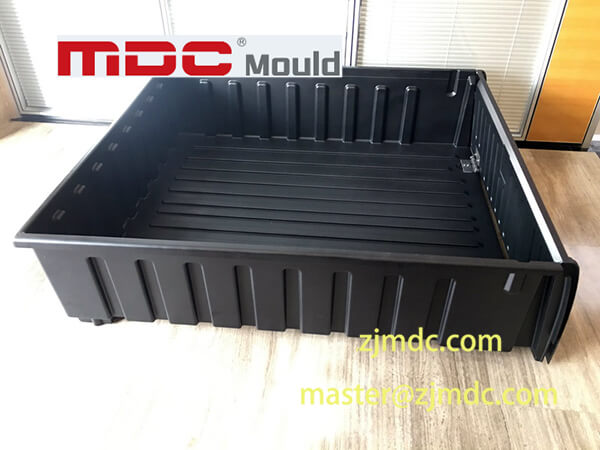
pickup box mould

Integrated Approach: From Cavity to Venting to Maintenance

The real value is achieved when cavity design, venting strategy and maintenance regimen are integrated into a mould lifecycle management system.

At MDC Mould we implement a workflow where:

  1. Early in the design phase, CAE simulation predicts flow paths, fibre orientation and venting effectiveness.
  2. During mould manufacturing, cavity geometry and venting channels are verified via 3D scanning and trial flow tests.
  3. During production ramp-up, sensor monitoring of pressure, temperature, and vent vacuum assists in validating the tool performance.
  4. During steady-state production, maintenance protocols ensure vent channels, surface finish and thermal zones remain optimal—reducing scrap and improving repeatability.

Why This Matters for Composite Part Quality and Cost Efficiency

Effective mould cavity design ensures part dimensional accuracy and structural integrity. Efficient venting reduces internal defects, improves surface finish and yields parts quicker. Robust maintenance ensures the tool remains stable over long production runs, reducing downtime and scrap. Together, these factors deliver:

  • Improved first-pass yield
  • Reduced cycle time and faster throughput
  • Lower warranty risk due to fewer part failures
  • Enhanced total cost of ownership for mould tooling

For high-end applications—automotive, aerospace, architecture—such precision and stability create competitive advantage.

Conclusion

The success of a composite compression mould project is built on the foundation of three critical elements: cavity design, venting performance and disciplined mould maintenance. By mastering these areas, tooling houses like MDC Mould deliver moulds that support high-quality SMC/BMC parts, minimise defects and maximise productivity. Should you require advanced mould solutions—whether for automotive structural parts, architectural composite panels or high-volume SMC tooling—our team at MDC Mould is prepared to assist with design, manufacture and lifecycle support.

Contact us via www.zjmdc.com for custom moulding solutions and technical consultations.

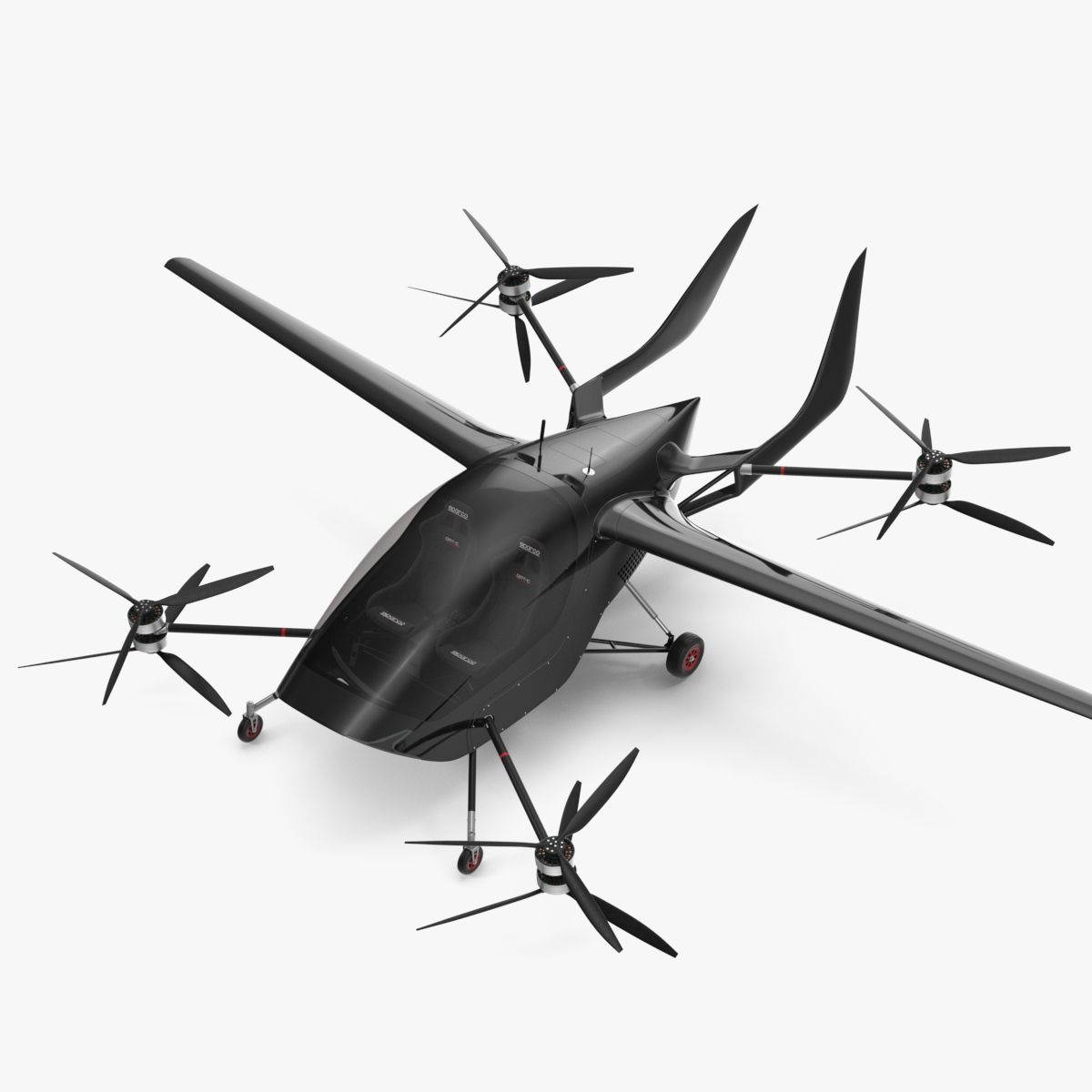
Low-Altitude Transportation Strategy: Opportunities for Composite Tooling and SMC Molds

China has upgraded low-altitude transportation to a national strategy. Discover how MDC’s SMC mold, BMC mold, compression mold, and composite tooling solutions support eVTOL, drones, and urban air mobility.

Introduction: A Strategic Leap for Low-Altitude Transportation

In September 2024, China took a decisive step by elevating low-altitude transportation from local pilot programs to a core element of its national transportation strategy. For industries engaged in lightweight, high-strength materials, particularly the composite mold and thermoset mold sector, this policy marks a milestone. The growing demand for eVTOLs (electric vertical take-off and landing aircraft), logistics drones, and emergency rescue vehicles has set the stage for a new era of urban air mobility (UAM).

From Pilot Programs to National Strategy

The Guideline for Pilot Applications of the Transport Powerhouse Initiative (2025) released by the Ministry of Transport officially included “Promoting High-Quality Development of Low-Altitude Transportation” in its 16 priority domains. This framework outlined specific routes for industrial application, urban planning, and regulatory mechanisms. It is no longer a fragmented experiment but a comprehensive national push, supported by clear timelines and measurable objectives.

Global Perspective: eVTOL Competition Heats Up

Worldwide, countries are investing heavily in eVTOL and drone technology. The United States has Joby Aviation and Archer Aviation advancing FAA certifications; Europe is promoting Volocopter and Lilium with EASA pathways; Japan and South Korea are piloting air taxi networks in metropolitan areas. China’s inclusion of low-altitude transport in its national plan not only aligns with this global race but accelerates domestic players’ ability to scale production, foster supply chains, and expand international competitiveness.

Low-Altitude Transportation Strategy

Composite Materials: The Core Enabler

Low-altitude aircraft demand materials with a combination of lightweight properties, high strength, durability, and resistance to fatigue. Traditional metals cannot meet these standards, which is why composite solutions dominate the sector:

  • Carbon Fiber Composites: Essential for load-bearing structures, with usage reaching 60%-70% of eVTOL total weight.
  • SMC (Sheet Molding Compound) Molds: Provide fast-cycle molding for body panels, hatches, and structural shells.
  • BMC (Bulk Molding Compound) Molds: Used for precision electrical housings and heat-resistant components in propulsion systems.
  • Thermoset Molds: Enable high-temperature resistance and flame-retardant properties, critical for safety certifications.
  • Compression Molds: Ensure cost-effective mass production of large, complex parts while maintaining structural integrity.

MDC Mould, as a trusted composite mold manufacturer, provides advanced tooling for these processes, ensuring that parts meet aviation-level quality and consistency.

Technical Challenges and Mold Solutions

The rise of low-altitude mobility brings challenges in fatigue resistance, crash safety, fire resistance, and cost efficiency. Composite mold solutions directly address these:

  • Fatigue and Impact Resistance: MDC’s carbon fiber compression molds enable lightweight yet crashworthy structures.
  • Fire Safety: Thermoset molds for phenolic resin composites pass FAR 25.853 flame-retardant standards for aviation interiors.
  • Efficiency: Automated molding systems reduce cycle times by 40%, aligning with the fast growth of drone and eVTOL fleets.
  • Design Flexibility: Multi-cavity SMC molds provide scalable production for logistics drone components and air taxi interiors.

Market Outlook: A Trillion-Yuan Industry by 2030

According to industry forecasts, by 2030, China’s low-altitude transportation market may exceed 1.5 trillion RMB, with composite material applications surpassing 100 billion RMB. The key growth drivers include:

  1. Urban Air Mobility: eVTOL fleets could exceed 5,000 units domestically by 2027, creating massive demand for composite fuselage and wing molds.
  2. Logistics Drones: Large-scale deployment by courier giants will drive demand for cost-effective GFRP (glass fiber reinforced plastic) molds.
  3. Emergency Rescue Systems: Fire-retardant and impact-resistant thermoset composites will be essential in public safety and military-civilian integration projects.

MDC Mould’s Role in the Low-Altitude Economy

As a leading manufacturer of SMC molds, BMC molds, compression molds, and composite tooling, MDC Mould plays a pivotal role in enabling lightweight transportation solutions. Our expertise extends from tooling design to trial molding, ensuring clients can move seamlessly from prototype to mass production. By supporting global partners in automotive, aerospace, and industrial applications, MDC is strategically positioned to fuel the growth of China’s low-altitude economy.

Future Outlook: Building an Integrated Ecosystem

The success of low-altitude transportation will depend on integrated innovation. Composite mold suppliers like MDC must go beyond tooling to collaborate with aircraft manufacturers, simulation providers, and certification bodies. By building alliances and investing in next-generation materials such as thermoplastic composites and nano-enhanced fibers, MDC aims to stay ahead of industry transformation.

Conclusion

The elevation of low-altitude transportation to a national strategic level is more than a policy milestone—it is a call to action for the composite industry. With decades of expertise in compression moldsSMC moldsBMC molds, and thermoset tooling, MDC Mould stands ready to empower the eVTOL and drone revolution. The future of urban air mobility depends not only on visionary aircraft designs but also on the precision and reliability of the molds that make them possible.