Preheating Compression Moulds: Enhancing Efficiency and Quality in Composite Molding

Learn how MDC Mould applies advanced preheating technology in compression moulds to improve composite molding performance, product quality, and production stability.

In the field of compression molding for composite materials, precise temperature control is the foundation of product stability and mold longevity. Among the most critical yet often underestimated steps is preheating the compression mold. At MDC Mould, this process is considered a key factor in achieving high-performance results for SMC, BMC, and carbon fiber components.

Why Preheating Compression Molds Matters

The compression molding process involves applying heat and pressure to a composite charge within a mold cavity. If the mold is not adequately preheated before production, material flow becomes unstable, leading to defects such as voids, incomplete curing, or warping. MDC’s engineering experience shows that maintaining precise mold temperature from the first cycle is vital to achieving dimensional consistency and optimal resin cross-linking.

  • Ensures even material flow and uniform curing;
  • Prevents air entrapment and surface imperfections;
  • Improves resin-fiber bonding strength;
  • Extends mold life by reducing thermal stress shock.

The Science of Mold Preheating

Different composite systems—such as SMC (Sheet Molding Compound)BMC (Bulk Molding Compound), and carbon fiber-reinforced composites—require specific mold temperatures for optimal molding conditions. Typically, SMC and BMC molds operate between 130°C and 160°C, while aerospace-grade carbon fiber applications may require preheating up to 180°C or beyond.

MDC’s hot press molds integrate precision heating channels and temperature sensors to maintain balanced thermal distribution across large and complex cavity surfaces. This uniformity minimizes localized hot spots and ensures consistent material flow during the entire molding cycle.
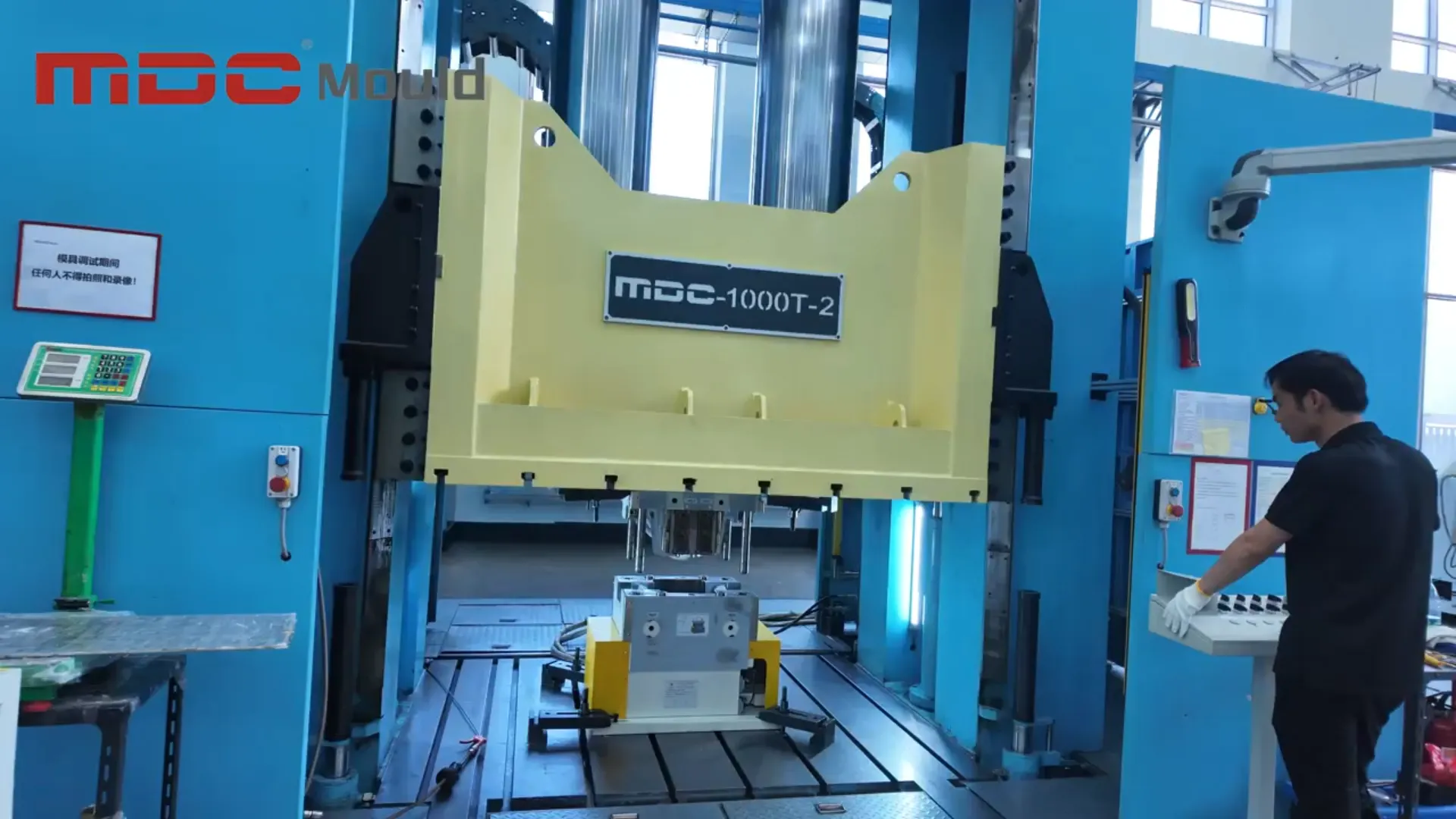
compression molds

Mold Preheating Methods Used at MDC

MDC utilizes a range of preheating systems according to material type and production scale:

  • Electric heating systems – offering precise and independent control for each mold zone;
  • Oil heating systems – providing steady, even temperature for large or multi-cavity molds;
  • Steam and hot-water preheating – suitable for low to mid-temperature composite applications;
  • Integrated PID control – ensuring real-time temperature regulation and safety monitoring.

Through advanced mold design and thermal simulation, MDC engineers ensure that heat transfer efficiency is maximized while minimizing energy loss, resulting in shorter preheating times and stable production.

Benefits of Proper Mold Preheating

Preheating a compression mold properly has direct impact on final product performance and overall production efficiency. Benefits include:

  • Enhanced surface quality – reduced flow marks and resin-rich zones;
  • Stable cycle times – consistent curing rates and dimensional control;
  • Increased mechanical properties – improved tensile and flexural strength;
  • Reduced energy waste – improved heating efficiency and fewer startup defects.

MDC’s Engineering Approach

At MDC, every compression mould is designed with precision and long-term durability in mind. The company integrates thermal analysis and simulation into its design phase, allowing engineers to predict heat flow, temperature gradients, and curing uniformity. This predictive approach ensures that each mold delivers stable performance even under continuous production conditions.

MDC’s preheating solutions are particularly beneficial for:

  • SMC auto parts such as bumpers, battery covers, and trunk boards;
  • BMC electrical components requiring high dimensional precision;
  • Carbon fiber structural parts in aerospace and industrial sectors.

Future Trends in Compression Molding Temperature Control

As composite manufacturing advances, mold temperature systems are becoming increasingly intelligent. MDC is developing new-generation preheating and thermal management solutions featuring real-time data acquisition, energy-efficient heating technologies, and smart temperature regulation to further enhance product quality and sustainability.

Conclusion

Preheating is not just a preparatory step — it is a foundation for precision molding. Through continuous innovation in compression mold design and temperature control technologyMDC Mould empowers manufacturers to achieve higher efficiency, stability, and quality in composite production. MDC remains committed to advancing composite mold engineering for a lighter, stronger, and more sustainable future.

The Effect of Laser Cleaning on the Surface Quality of Compression Tooling Molds

Discover how laser cleaning improves the surface quality of compression tooling molds. Learn its effects on SMC molds, BMC molds, carbon fiber molds, and composite tooling, ensuring durability, precision, and sustainability.

Laser cleaning has emerged as a revolutionary technology for maintaining the surface quality of compression molds. This article explores its working principles, effects on tooling, and industrial applications across SMC moldsBMC molds, and composite molds.

Introduction

In high-precision industries, the surface quality of compression tooling molds directly impacts product performance and manufacturing efficiency. Over time, molds accumulate resin residues, release agents, carbon deposits, and oxides, leading to poor surface finishes and reduced part quality. Traditional methods such as chemical cleaning or sandblasting are either environmentally harmful or damaging to the mold surface.

By contrast, laser cleaning technology provides an eco-friendly, precise, and highly effective solution to restore mold integrity and prolong tool life.

Understanding Compression Tooling Molds

Compression molds are critical tools for shaping high-performance parts in industries such as automotive, aerospace, electronics, and consumer goods. These molds are commonly used with materials including:

  • SMC (Sheet Molding Compound)
  • BMC (Bulk Molding Compound)
  • GMT (Glass Mat Thermoplastic)
  • LFT (Long Fiber Thermoplastic)
  • Carbon fiber composites

The surface quality of these molds directly influences dimensional accuracy, demolding performance, and product aesthetics.

The Principle of Laser Cleaning

Laser cleaning uses high-intensity, short laser pulses to selectively remove contaminants without damaging the base mold material. The process is precise, non-contact, and environmentally friendly.

Key Benefits of Laser Cleaning

  • Micron-level precision for delicate tooling geometries
  • No abrasives or chemicals required
  • Preserves mold geometry and surface finish
  • Scalable and compatible with automation systems
SEM-images-and-3D-surface-profiles-of-a-S8-b-S10-c-S13-d-S14

Effects on Surface Quality of Compression Tooling Molds

1. Improved Surface Cleanliness

Laser cleaning effectively removes contaminants like resin, carbon, and oxides, restoring the mold surface and ensuring defect-free molded parts.

2. Preservation of Mold Geometry

Unlike abrasive cleaning, laser cleaning maintains the integrity of fine details and critical dimensions in SMC and BMC molds.

3. Surface Roughness Control

Laser parameters can be tuned to maintain smooth finishes or introduce micro-textures, improving resin flow and demolding performance.

4. Longer Mold Service Life

Reducing aggressive cleaning minimizes micro-cracks and surface fatigue, extending mold longevity.

5. Consistent Production Quality

Laser cleaning supports high-volume manufacturing by ensuring stable and repeatable mold conditions, especially in automotive compression molding.

Laser Cleaning vs. Traditional Cleaning Methods

Cleaning MethodLimitationsLaser Cleaning Advantages
Chemical cleaningHazardous waste, potential corrosionEco-friendly, no chemicals required
Sandblasting / Abrasive cleaningSurface wear, geometry alterationNon-abrasive, preserves mold accuracy
Manual polishingLabor-intensive, inconsistentAutomated, repeatable, precise
Ultrasonic cleaningSize limitations, liquid handlingDry, scalable, suitable for large molds

Industrial Applications of Laser Cleaning

  • SMC and BMC molds: Automotive body panels, battery covers, and electrical housings
  • Carbon fiber compression molds: Aerospace structural parts and sports equipment
  • Rubber compression molds: High-precision rubber seals and gaskets
  • Composite molds: Lightweight parts in automotive and renewable energy industries

Future Outlook

The future of mold maintenance lies in the integration of laser cleaning with automation and Industry 4.0 technologies. Robotics, AI-driven parameter control, and real-time surface monitoring will further improve efficiency and consistency.

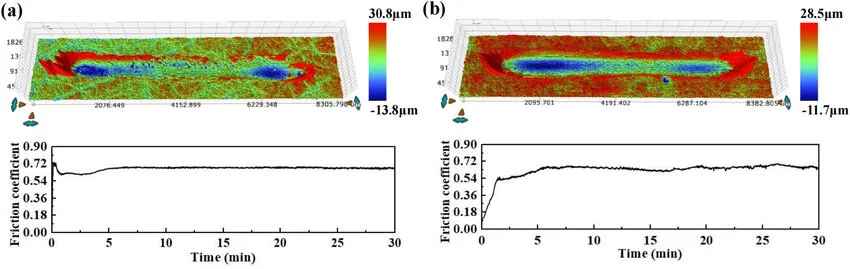
Friction-coefficient-evolution-during-tribological-testing-of-a-S0-and-b-S13-with

Conclusion

The effect of laser cleaning on the surface quality of compression tooling molds is profound. It ensures cleaner surfaces, longer mold life, consistent part quality, and environmental sustainability. For manufacturers using SMC molds, BMC molds, or carbon fiber molds, adopting laser cleaning is not only a technological upgrade but also a strategic move towards efficiency and sustainability.

What is Compression Mold?

Learn what a compression mold is, how the compression molding process works, and why it is widely used for SMC, BMC, and composite parts manufacturing.

Introduction

compression mold is a specialized tool used in the compression molding process, a widely adopted manufacturing method for forming composite parts. It involves placing a preheated material, such as SMC (Sheet Molding Compound)BMC (Bulk Molding Compound), or other thermoset materials, into a heated mold cavity, then applying pressure to shape and cure the material.

Compression molds are essential in industries such as automotive, electrical, construction, and aerospace, where lightweight, high-strength, and heat-resistant components are needed.

Structure of a Compression Mold

A typical compression mold includes two main halves: the cavity and the core. It may also include:

  • Heating systems – to maintain the required temperature for curing
  • Guide pins and bushings – for accurate mold alignment
  • Ejection mechanisms – to release the molded part after curing
  • Vacuum systems – for gas removal and surface quality improvement

Depending on the application, compression molds can be made from hardened steel, aluminum, or other high-strength alloys. Surface treatments like chrome plating may be applied to improve mold longevity and part release.

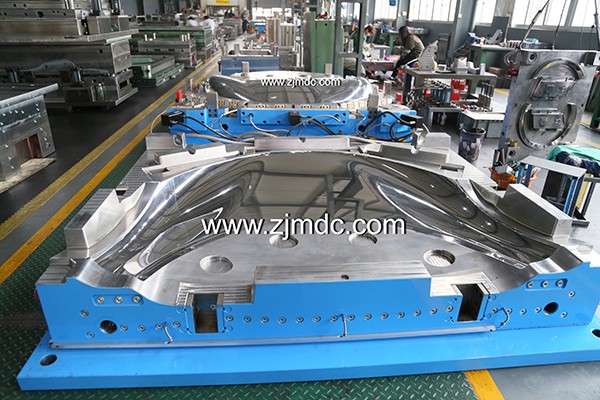
compression mold SMC Engine hood Mold

Compression Molding Process

The compression molding process typically follows these steps:

  1. Material Loading: The composite material is loaded into the open mold cavity.
  2. Preheating: The material may be preheated to reduce cycle time and improve flow.
  3. Compression: The mold is closed and pressure is applied using a hydraulic press.
  4. Curing: Heat and pressure are maintained until the material is fully cured.
  5. Demolding: The press opens and the finished part is ejected.

This process is suitable for high-volume production of components with intricate geometries and excellent mechanical properties.

Applications of Compression Mold

Compression molds are used to manufacture various thermoset and composite parts, including:

  • Automotive parts: EV battery enclosures, trunk lids, bumpers, and engine splash shields
  • Electrical housings: Insulators, switchgear, and fuse boxes
  • Construction materials: SMC ceilings, wall panels, water tanks
  • Sanitary products: SMC bathroom panels and bathtubs

Thanks to their strength-to-weight ratio, compression-molded parts are replacing metal and thermoplastic components in many structural and semi-structural applications.

Advantages of Compression Molding

Using a compression mold offers several benefits:

  • High strength and durability – especially with fiber-reinforced composites
  • Lower tooling cost compared to injection molding
  • Reduced material waste and scrap
  • Excellent surface finish for Class-A automotive parts
  • Compatibility with large, complex shapes

For manufacturers seeking reliable and repeatable performance, compression molding with precision molds remains a top choice.

SMC Mold vs. BMC Mold

Both SMC molds and BMC molds are used in compression molding, but they differ slightly:

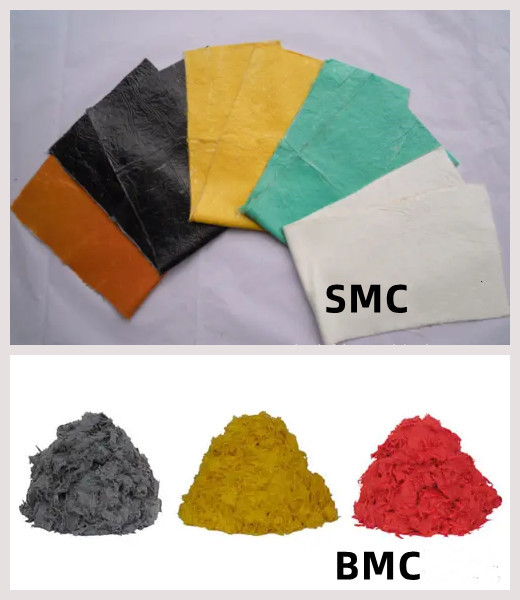
  • SMC Mold: Designed for sheet-like materials; suitable for larger structural parts
  • BMC Mold: Suited for dough-like bulk materials; ideal for smaller or more detailed parts

Choosing the right mold depends on the geometry, performance, and surface requirements of the final part.

smc vs bmc

Conclusion

compression mold is an integral part of the composite molding industry. From automotive components to building materials, its role in shaping and curing high-performance parts makes it indispensable. With advancements in material science and precision tooling, compression molding continues to evolve and serve as a key process in modern manufacturing.

For companies looking to invest in SMC moldsBMC molds, or custom compression tooling, working with an experienced mold manufacturer is essential to ensure durability, precision, and production efficiency.