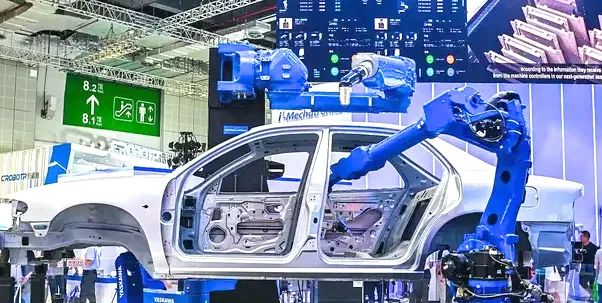
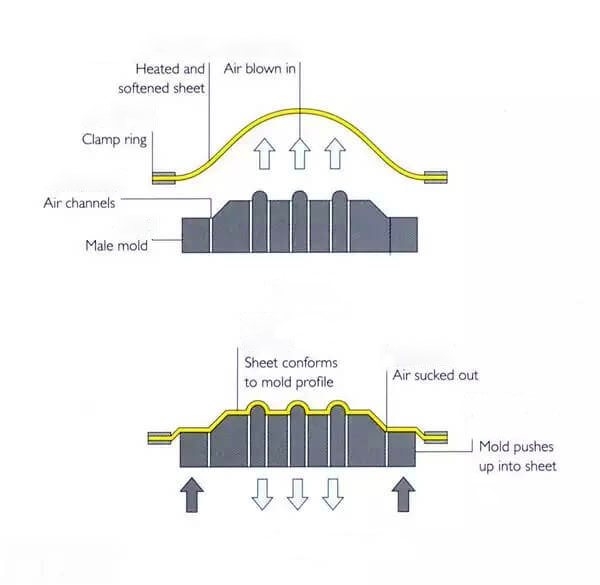
Under the combined momentum of global low-carbon transformation and high-end manufacturing upgrades, continuous fiber reinforced thermoplastic composites are emerging as a key material solution for lightweight, recyclable, and high-performance industrial applications.
Industrial Upgrading Accelerates Thermoplastic Composite Innovation
As manufacturing industries increasingly pursue lightweight structures, sustainability, and production efficiency, traditional metallic materials and thermoset composites face growing limitations. In contrast, thermoplastic composite materials offer reprocessability, weldability, and full recyclability, making them an essential direction for material innovation.
Supported by strong demand from new energy vehicles, wind power, and advanced transportation systems, thermoplastic composites are transitioning from batch-based molding toward continuous forming manufacturing processes, enabling higher efficiency and consistent quality.
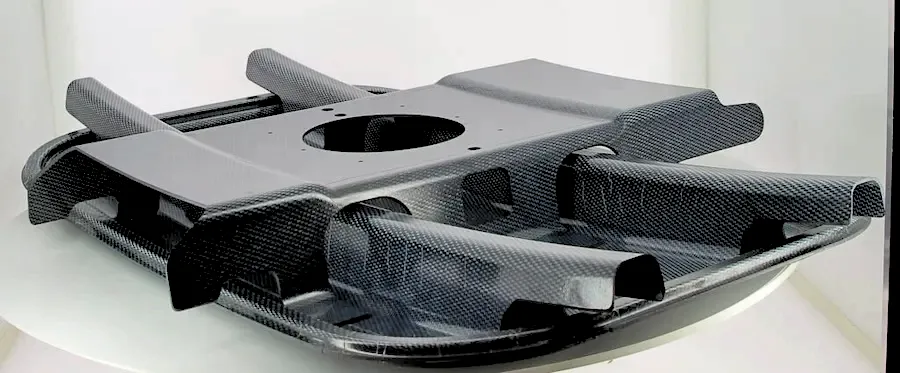
Continuous Forming Process Optimization: Efficiency and Quality Improvement
Digital Transformation of Thermoplastic Pultrusion
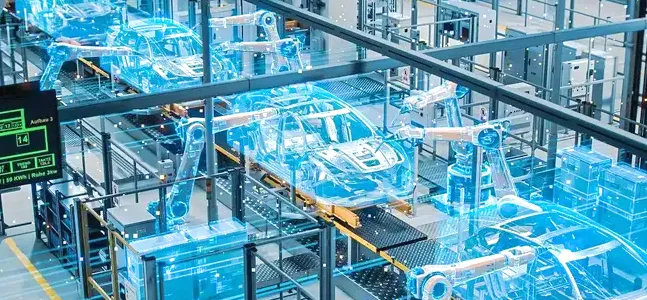
Thermoplastic pultrusion is one of the most important continuous forming technologies for continuous fiber reinforced thermoplastic composites. Through digital twin modeling, sensor feedback, and intelligent parameter control, modern pultrusion lines achieve stable fiber impregnation, reduced internal defects, and significantly improved production yield.
Structural Innovation in Thermoplastic Sheet Forming
Advanced sheet forming technologies such as multi-layer co-extrusion and fiber orientation control allow manufacturers to customize mechanical performance according to load direction. This structural optimization expands the application potential of thermoplastic composite components in high-load and safety-critical structures.
Integrated and Intelligent Equipment Systems
Adaptive heating systems and inline cutting integration play a key role in stable continuous production. Intelligent temperature control prevents resin degradation while ensuring sufficient melt flow for fiber impregnation, supporting industrial-scale composite manufacturing.
Green Manufacturing and Recycled Fiber Integration
Recycled fiber reinforced thermoplastic composites are becoming an important part of sustainable manufacturing. Optimized surface treatment and forming parameters enable recycled fibers to be continuously processed while maintaining reliable mechanical performance, supporting circular economy goals.
Key Technologies for Performance Enhancement
Thermal Resistance Through Resin–Fiber Synergy
Resin molecular modification and nano-enhancement significantly improve heat resistance. When combined with high-temperature continuous fibers and optimized interfacial bonding, thermoplastic composites can meet demanding thermal requirements in EV power systems and industrial equipment.
Impact Resistance via Advanced Fiber Architecture
Three-dimensional fiber weaving and hybrid reinforcement structures enhance impact resistance and fatigue durability. These architectures effectively disperse impact energy and slow crack propagation, improving long-term structural reliability.
Improved Processability and Expanded Forming Windows
By optimizing melt flow behavior and forming parameters, manufacturers can broaden the processing window of high-performance thermoplastic composites. Innovative techniques such as supercritical fluid-assisted impregnation further improve fiber wetting and reduce porosity.
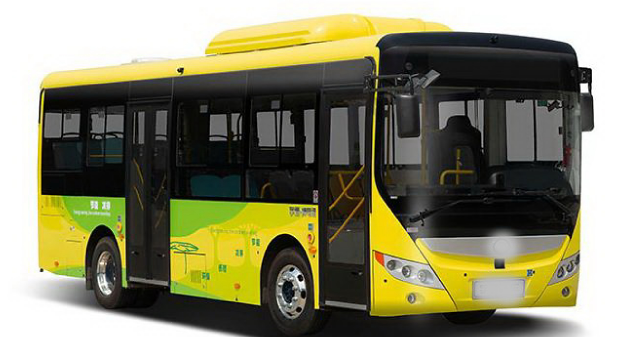
High-End Application Scenarios
New Energy Vehicles
Continuous fiber reinforced thermoplastic composites are increasingly used in EV battery enclosures, structural frames, motor housings, and electronic control units. These materials provide weight reduction, thermal stability, electrical insulation, and improved fire safety.
Low-Altitude Aviation and eVTOL
In low-altitude aviation applications, thermoplastic composites deliver high fatigue resistance, corrosion durability, and lightweight performance. Their recyclability addresses end-of-life challenges associated with traditional aerospace composite materials.
Construction and Industrial Infrastructure
Thermoplastic composites are replacing steel in corrosive environments such as marine platforms, chemical facilities, and industrial buildings. Lightweight profiles, panels, and structural components reduce maintenance costs while improving design flexibility.
Challenges and Future Outlook
Despite rapid progress, challenges remain in energy consumption, complex geometry molding, and high-performance material supply. Looking forward, the industry will continue advancing toward green, intelligent, and high-end manufacturing.
The integration of bio-based thermoplastic resins, large-scale integrated forming technologies, and full-process digital manufacturing control will further strengthen the role of continuous fiber reinforced thermoplastic composites in global industrial transformation.
Conclusion
As a core material solution supporting the transition toward lightweight, recyclable, and high-performance manufacturing, continuous fiber reinforced thermoplastic composites are redefining advanced composite applications.
With continuous forming technologies and advanced composite tooling at the foundation, thermoplastic composites will play an increasingly important role in new energy systems, advanced transportation, and sustainable industrial development.