High-Performance Composite Materials for Extreme Environments

Explore how advanced composite materials and precision tooling developed by MDC Mould enable reliable performance under extreme temperatures, pressures, corrosion, and radiation conditions.

As aerospace propulsion systems push their thrust-to-weight ratios beyond 15 and deep-sea exploration equipment advances toward operational depths of 11,000 meters, extreme environments have become the ultimate testing grounds for material technology. Temperatures exceeding 1500°C, pressures above 100 MPa, long-term corrosion, and high-radiation conditions demand materials that combine ultra-high stability with exceptional reliability.

In recent years, continuous innovation in SMC moldcompression mold design, fiber architecture, matrix systems, and precision tooling has driven high-performance composites from laboratory prototypes to large-scale engineering applications. These advancements are particularly aligned with MDC Mould’s long-term expertise in composite mold manufacturing and high-precision thermoforming processes.

1. Aerospace & Propulsion Systems: High-Temperature and High-Load Applications

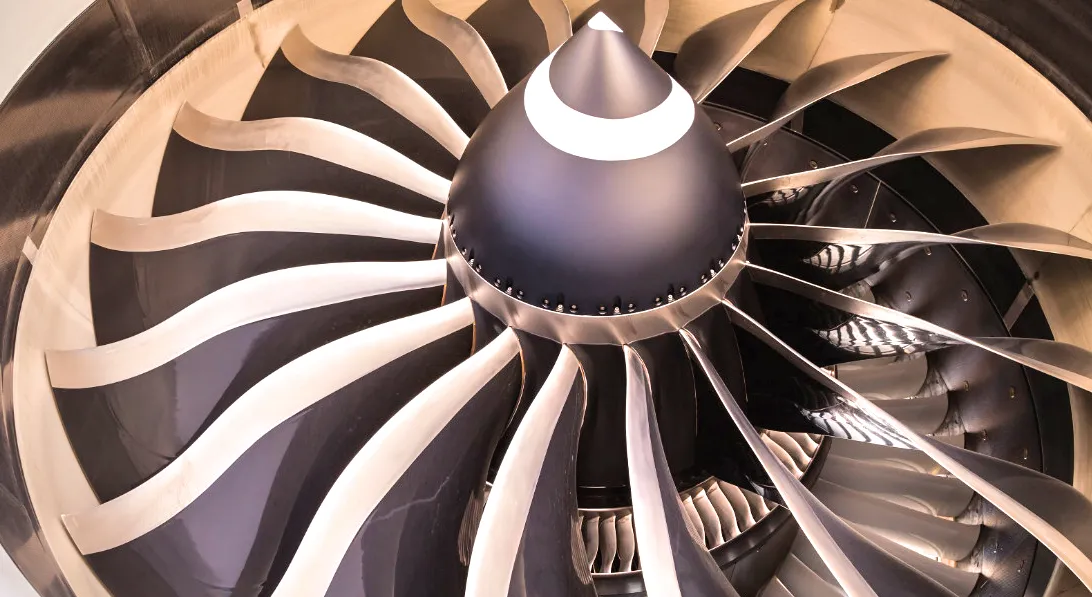
In aerospace engines, where combustion chamber temperatures can exceed 1500°C and structural components undergo millions of thermal cycles, advanced composites now demonstrate mechanical properties once exclusive to superalloys.

1.1 Ceramic Matrix Composites (CMCs)

CMC materials with SiC/SiC architecture retain strength above 1300°C, reduce weight by 35–50%, and improve fatigue resistance. These are now utilized in combustion liners, blade shrouds, and thermal shielding components.

1.2 Carbon–Carbon Composites

In hypersonic vehicle structures, C/C composites offer ultra-high ablation resistance and dimensional stability under repeated thermal shocks, supporting Mach 6+ trajectories and extreme flight profiles.

1.3 Precision Mold & Tooling for Aerospace Composites

The demand for defect-free molding surfaces and fiber consistency drives the use of large-format compression molds, high-pressure SMC tools, and autoclave-compatible composite molds — areas where MDC Mould is continuously innovating in thermal management and demolding performance.
composite

2. Deep-Sea Engineering: Surviving 110 MPa Pressure

Deep-sea environments impose unique challenges requiring materials that balance strength, corrosion resistance, and long-term durability.

2.1 Pressure-Resistant Composite Structures

Basalt fiber reinforced composites have been implemented in full-ocean-depth equipment. At water depths of 11,000 m, composite housings maintain 92% compressive strength retention with no microcrack propagation.

2.2 Marine Corrosion-Resistant Composites

Glass fiber reinforced vinyl ester composites show minimal mass loss (<0.3%) after 10,000 hours of salt-spray exposure. These materials are increasingly used in walkways, cable channels, and offshore structural systems.

2.3 High-Pressure Composite Piping

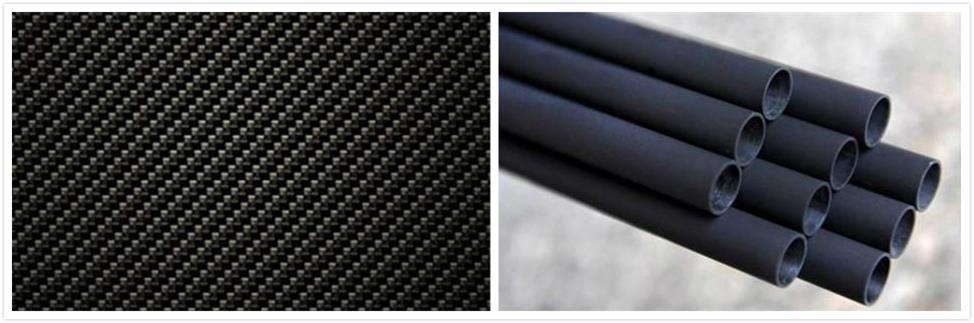
Carbon-fiber composite high-pressure RO pipes elevate allowable pressure from 8 MPa (steel) to 12 MPa while reducing system weight by 70%—improving efficiency in large-scale desalination facilities.

3. Energy & Nuclear Engineering: Materials Built for 60-Year Lifecycles

In nuclear power, hydrogen energy, geothermal systems, and next-generation reactors, materials must withstand heat, radiation, and chemical degradation for decades without structural compromise.

3.1 Radiation-Resistant Composite Systems

Multi-phase resin matrices incorporating ceramic fillers have demonstrated significant improvements in neutron-radiation resistance and dimensional stability.

3.2 Composite Tooling for Energy Applications

Large composite tooling — particularly high-temperature composite molds and compression systems — enable defect-free forming of thick laminate structures for shielding and containment applications.

4. Industrial Equipment: Lightweight, High-Strength, High-Precision

From semiconductor manufacturing to power transmission and intelligent equipment, the industrial sector is increasingly adopting high-performance composites for precision components that require stiffness, minimal deformation, and long service life.

4.1 Precision Structural Frames

Carbon-fiber reinforced epoxy structures provide 3–5× stiffness-to-weight advantages over metal frames, supporting micron-level positional accuracy in high-speed production equipment.

4.2 Corrosion-Resistant Chemical Equipment

Composite tanks, valves, and covers benefit from tailored resin systems and C-glass reinforcement, offering outstanding acid and alkali resistance under long-term continuous operation.

composite2

5. From Lab Innovation to Large-Scale Engineering: Key Enablers

The transformation of composite materials into extreme-environment applications depends on breakthroughs in five core areas:

  • Microscale fiber architecture optimization for better load transfer
  • High-purity, high-temperature matrix systems (CMC, BMI, PEEK, cyanate ester)
  • Advanced compression molding technologies delivering repeatable accuracy
  • Precision composite tooling with improved thermal control and demolding performance
  • Automated fiber placement & intelligent RTM improving consistency and throughput

MDC Mould’s continuous improvement in SMC MoldComposite Mold, and Compression Tooling provides an essential foundation for these engineering breakthroughs.

Conclusion

Extreme environments — high temperature, high pressure, corrosion, and radiation — represent the highest evaluation criteria for advanced materials. High-performance composites, driven by innovations in matrix chemistry, fiber design, and precision tooling, are rapidly becoming the core solution for next-generation aerospace, marine, energy, and industrial systems.

With proven expertise in hot-press composite tooling, SMC molds, BMC molds, high-temperature compression molds, and advanced composite manufacturingMDC Mould will continue supporting global industries with engineering-grade solutions that push the boundaries of material performance.
Thermoplastic vs. Thermoset Carbon Fiber: How Co-Curing Technology Redefines Composite Bonding

Discover how co-curing technology bridges thermoplastic and thermoset carbon fiber composites, transforming aerospace, automotive, and medical manufacturing.

When over 50% of the Boeing 787 fuselage was made from carbon fiber composites, one question reshaped the entire aerospace industry: how do we join these advanced materials safely and efficiently? Traditional adhesive bonding and mechanical fastening methods face severe limits — from environmental degradation to added weight. Today, co-curing technology is emerging as the breakthrough solution. In this feature, MDC Mould explores how thermoplastic and thermoset co-curing is transforming composite connection design.

1. Principle of Co-Curing: The Chemical Dance Between Thermoplastic and Thermoset

In composite structures, co-curing enables the direct bonding of thermoplastic and thermoset materials through simultaneous heat and pressure, forming a seamless molecular interface. This process combines the flexibility of thermoplastics with the rigidity of thermosets, achieving “the best of both worlds” in one joint.

Taking the Airbus A350’s PEEK-based carbon fiber tape as an example, the co-curing process involves three critical stages:

  1. Molecular Interface Reconstruction: Surface activation using UV plasma introduces oxygen-containing polar groups on the CF/PEEK surface, reducing the contact angle from 80.22° to 67.49°, achieving nano-level wetting with the epoxy resin layer.
  2. Thermodynamic Precision Control: At 130 °C in a vacuum, the thermoplastic matrix reaches peak flow, interpenetrating the thermoset prepreg network. Under 10–15 MPa pressure, interfacial porosity is maintained below 0.5%.
  3. Multi-Scale Reinforcement Design: A seven-directional 3D woven carbon fiber layer creates a reinforced “micro rebar” network, boosting interfacial shear strength by 68% and extending fatigue life by 4.39 times compared with traditional adhesive bonding.

2. Performance Comparison: Beyond Traditional Joining

Compared to mechanical fastening and single-phase adhesive bonding, co-curing technology achieves significant leaps in efficiency and performance:

PropertyMechanical FasteningThermoset AdhesiveCo-Curing Technology
Joint EfficiencyRequires drilling (30% strength loss)8–12 h curing30–90 min integrated molding
Specific Strength1.2 GPa/cm³1.5 GPa/cm³3.69 GPa/cm³
Thermal ResistanceCorrosion prone≤150 °CStable to 230 °C
RepairabilityIrreversibleIrreversibleReversible (up to 3 heat cycles)

Breakthrough Innovations:

  • Self-Healing Interfaces: Toray’s welded interlayer enables microcrack healing at 300 °C, extending service life by 300%.
  • Smart Monitoring: ZnO nanowire-functionalized fibers developed by Wuhan University improve strain sensing and heat transfer by 17%, cutting cure time by 40%.

3. Industrial Applications: From the Lab to the Sky

Aerospace Manufacturing Revolution

Boeing and Toray have co-developed a welded fuselage architecture using co-curing carbon fiber technology. CFRP component joining time dropped from 8 hours to 20 minutes, reducing aircraft weight by 1.2 tons and boosting fuel efficiency 15%.

Automotive Lightweighting

The Tesla Cybertruck battery enclosure employs PA6-based co-curing joints, increasing crash energy absorption by 70% and lowering production costs by 40% — a major milestone for scalable EV composite adoption.

Medical Device Engineering

Johnson & Johnson now applies PEEK/thermoset co-curing in orthopedic implants, accelerating osseointegration by 50% and cutting post-surgical infection risk to 0.3%.

4. Future Trends: Sustainable and Intelligent Co-Curing

  • Circular Manufacturing: Airbus’ recovery system enables 100% recycling of thermoplastic bonded components, reducing carbon fiber waste by 86% compared with conventional thermoset methods.
  • 4D Printing Integration: Embry-Riddle Aeronautical University’s coaxial direct-write printing allows simultaneous deposition of ZnO-functionalized fibers and thermoset resin, improving manufacturing efficiency 10-fold.
  • Digital Twin Optimization: Siemens Teamcenter now simulates co-curing processes in real-time, cutting optimization cycles from 3 months to 72 hours and achieving 99.7% yield accuracy.

5. MDC Mould’s Role in Advanced Composite Bonding

As a professional developer of composite mold and carbon fiber mold solutions, Zhejiang MDC Mould Co., Ltd. supports the co-curing revolution with precision tooling and process-ready molds for aerospace, EV, and industrial components. MDC’s expertise in hot compression moldsSMC/BMC molds, and thermoforming molds enables stable pressure, uniform heating, and dimensional accuracy — the essential conditions for high-quality co-curing.

By integrating simulation, precision machining, and vacuum-assisted curing, MDC helps manufacturers achieve high-bonding strength, reduced void content, and repeatable production cycles — from prototype to series manufacturing.

6. Conclusion: The Next Frontier of Composite Joining

From molecular-scale interface design to large-scale structural assembly, co-curing technology represents a paradigm shift in composite joining. When the flexibility of thermoplastics meets the rigidity of thermosets, a new generation of lightweight, damage-tolerant, and recyclable structures emerges — reshaping aerospace, automotive, and medical industries alike.

As MDC Mould continues developing high-precision compression molds and composite tooling for next-generation materials, co-curing is no longer just a laboratory breakthrough — it’s the future of intelligent, sustainable composite manufacturing.

carbon fiber

Advancements and Future Trends of Composite Materials in Commercial Aviation

Explore the latest advancements in composite materials for civil aviation, including liquid molding, thermoplastic composites, green technologies, and prepreg innovations.

In recent years, the emergence of new materials and advanced manufacturing processes has accelerated the development of composite materials toward higher performance, greater efficiency, lower cost, and improved sustainability. This trend is driving the application of composites in commercial aircraft to new levels, making them a critical benchmark in evaluating the advancement of next-generation civil aviation programs.

Today, composite usage in major aircraft models continues to climb. The Airbus A350 features composites in 53% of its structural weight, while the Boeing 787 Dreamliner incorporates 50%. China’s domestically developed wide-body aircraft is also expected to achieve a similar level. Aircraft fuselages, wings, and secondary load-bearing components increasingly rely on composites. Over 90% of these parts are produced using autoclave molding processes, with epoxy-based carbon fiber prepregs as the primary material. Airbus plans to raise A350 output to 12 per month by 2028, while Boeing has reached up to 13 B787 units per month in past production cycles.

Growth of Liquid Molding Technologies

Beyond autoclave technology, liquid molding processes are advancing rapidly. Europe, the U.S., and Russia have all invested heavily in alternatives such as Resin Transfer Molding (RTM) and Vacuum Assisted Resin Infusion (VARI). These techniques are now the leading non-autoclave processes for resin-based composites and have expanded from secondary to primary load-bearing structures. Their advantages include lower production costs, scalability, and the potential for batch manufacturing of large aerospace components.

Advances in Thermoplastic Composites

Thermoplastic composites have achieved remarkable progress in recent years. Compared to thermoset composites, thermoplastic systems offer greater toughness, better flame resistance, and compatibility with various non-autoclave manufacturing methods. They deliver shorter cycle timesreduced costs, and higher efficiency. Initiatives such as the EU’s Clean Sky and NASA’s HiCAM (High-Rate Composite Aircraft Manufacturing) program highlight thermoplastics as a strategic research priority, making this one of the fastest-growing areas in aerospace composites.

composite mold

Green and Sustainable Composite Technologies

With rising use of composites, the industry faces challenges in recycling and sustainability. Emerging green composite technologies aim to mitigate these impacts through biodegradable polymers and eco-friendly matrix materials. Though currently in the R&D stage, these solutions will play a vital role in achieving long-term sustainability in aerospace manufacturing.

High-Performance Prepreg Innovations

Another area of advancement is the development of high-performance prepregs. Companies like Hexcel (IM10 carbon fiber) and Toray (T1100/3960 prepreg system) have launched materials with superior strength and stiffness. Toray’s TC1130 thermoplastic prepreg also solves the problem of low bonding strength, expanding the potential of thermoplastic composites in critical aerospace structures.

Future Outlook

The history of commercial aviation demonstrates that composite technology has continually advanced with each new generation of aircraft. In the future, adoption levels will rise further, particularly in areas such as:

  • Liquid molding for cost-efficient, large-scale production
  • Thermoplastic composites with enhanced toughness and flexibility
  • Green, recyclable materials for sustainability
  • Next-generation prepregs with improved performance

For China’s aviation industry, increasing R&D investment and strategic planning are essential. By fostering innovation in these directions, domestic manufacturers will ensure that future commercial aircraft composites remain competitive on a global scale while meeting both performance and sustainability objectives.

At Zhejiang MDC Mould Co., Ltd. (MDC), we are dedicated to advancing mold and tooling technologies for the aerospace sector. Our expertise covers SMC moldsBMC moldscompression moldscarbon fiber molds, and advanced composite tooling. By leveraging precision engineering, innovation, and sustainability, MDC continues to support the aerospace industry’s transition to a high-performance, cost-effective, and greener future.