As aerospace propulsion systems push their thrust-to-weight ratios beyond 15 and deep-sea exploration equipment advances toward operational depths of 11,000 meters, extreme environments have become the ultimate testing grounds for material technology. Temperatures exceeding 1500°C, pressures above 100 MPa, long-term corrosion, and high-radiation conditions demand materials that combine ultra-high stability with exceptional reliability.
In recent years, continuous innovation in SMC mold, compression mold design, fiber architecture, matrix systems, and precision tooling has driven high-performance composites from laboratory prototypes to large-scale engineering applications. These advancements are particularly aligned with MDC Mould’s long-term expertise in composite mold manufacturing and high-precision thermoforming processes.
1. Aerospace & Propulsion Systems: High-Temperature and High-Load Applications
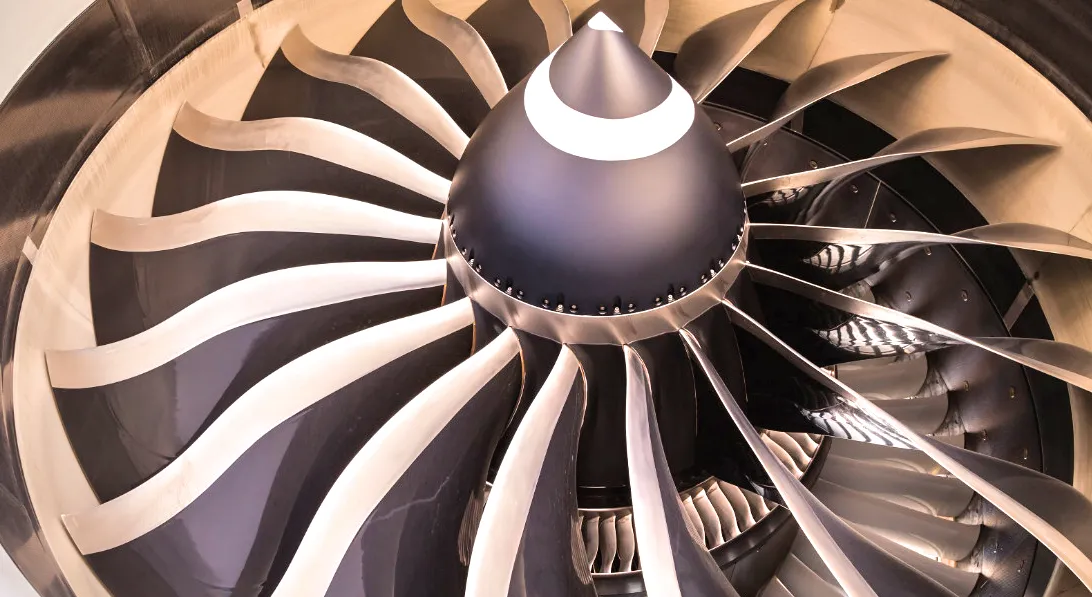
In aerospace engines, where combustion chamber temperatures can exceed 1500°C and structural components undergo millions of thermal cycles, advanced composites now demonstrate mechanical properties once exclusive to superalloys.
1.1 Ceramic Matrix Composites (CMCs)
CMC materials with SiC/SiC architecture retain strength above 1300°C, reduce weight by 35–50%, and improve fatigue resistance. These are now utilized in combustion liners, blade shrouds, and thermal shielding components.
1.2 Carbon–Carbon Composites
In hypersonic vehicle structures, C/C composites offer ultra-high ablation resistance and dimensional stability under repeated thermal shocks, supporting Mach 6+ trajectories and extreme flight profiles.
1.3 Precision Mold & Tooling for Aerospace Composites
The demand for defect-free molding surfaces and fiber consistency drives the use of large-format compression molds, high-pressure SMC tools, and autoclave-compatible composite molds — areas where MDC Mould is continuously innovating in thermal management and demolding performance.
2. Deep-Sea Engineering: Surviving 110 MPa Pressure
Deep-sea environments impose unique challenges requiring materials that balance strength, corrosion resistance, and long-term durability.
2.1 Pressure-Resistant Composite Structures
Basalt fiber reinforced composites have been implemented in full-ocean-depth equipment. At water depths of 11,000 m, composite housings maintain 92% compressive strength retention with no microcrack propagation.
2.2 Marine Corrosion-Resistant Composites
Glass fiber reinforced vinyl ester composites show minimal mass loss (<0.3%) after 10,000 hours of salt-spray exposure. These materials are increasingly used in walkways, cable channels, and offshore structural systems.
2.3 High-Pressure Composite Piping
Carbon-fiber composite high-pressure RO pipes elevate allowable pressure from 8 MPa (steel) to 12 MPa while reducing system weight by 70%—improving efficiency in large-scale desalination facilities.
3. Energy & Nuclear Engineering: Materials Built for 60-Year Lifecycles
In nuclear power, hydrogen energy, geothermal systems, and next-generation reactors, materials must withstand heat, radiation, and chemical degradation for decades without structural compromise.
3.1 Radiation-Resistant Composite Systems
Multi-phase resin matrices incorporating ceramic fillers have demonstrated significant improvements in neutron-radiation resistance and dimensional stability.
3.2 Composite Tooling for Energy Applications
Large composite tooling — particularly high-temperature composite molds and compression systems — enable defect-free forming of thick laminate structures for shielding and containment applications.
4. Industrial Equipment: Lightweight, High-Strength, High-Precision
From semiconductor manufacturing to power transmission and intelligent equipment, the industrial sector is increasingly adopting high-performance composites for precision components that require stiffness, minimal deformation, and long service life.
4.1 Precision Structural Frames
Carbon-fiber reinforced epoxy structures provide 3–5× stiffness-to-weight advantages over metal frames, supporting micron-level positional accuracy in high-speed production equipment.
4.2 Corrosion-Resistant Chemical Equipment
Composite tanks, valves, and covers benefit from tailored resin systems and C-glass reinforcement, offering outstanding acid and alkali resistance under long-term continuous operation.

5. From Lab Innovation to Large-Scale Engineering: Key Enablers
The transformation of composite materials into extreme-environment applications depends on breakthroughs in five core areas:
- Microscale fiber architecture optimization for better load transfer
- High-purity, high-temperature matrix systems (CMC, BMI, PEEK, cyanate ester)
- Advanced compression molding technologies delivering repeatable accuracy
- Precision composite tooling with improved thermal control and demolding performance
- Automated fiber placement & intelligent RTM improving consistency and throughput
MDC Mould’s continuous improvement in SMC Mold, Composite Mold, and Compression Tooling provides an essential foundation for these engineering breakthroughs.
Conclusion
Extreme environments — high temperature, high pressure, corrosion, and radiation — represent the highest evaluation criteria for advanced materials. High-performance composites, driven by innovations in matrix chemistry, fiber design, and precision tooling, are rapidly becoming the core solution for next-generation aerospace, marine, energy, and industrial systems.
With proven expertise in hot-press composite tooling, SMC molds, BMC molds, high-temperature compression molds, and advanced composite manufacturing, MDC Mould will continue supporting global industries with engineering-grade solutions that push the boundaries of material performance.