MDC Mould Revolutionizes SMC Moulding with Precision, Polishing, and Composite Innovation

MDC Mould has once again elevated the industry standards with its cutting-edge developments in SMC (Sheet Molding Compound) molds, mold polishing techniques, trial runs, and composite material advancements.

MDC Mould, a leading name in the realm of manufacturing, has once again elevated the industry standards with its cutting-edge developments in SMC (Sheet Molding Compound) moulds, mold polishing techniques, trial runs, and composite material advancements.
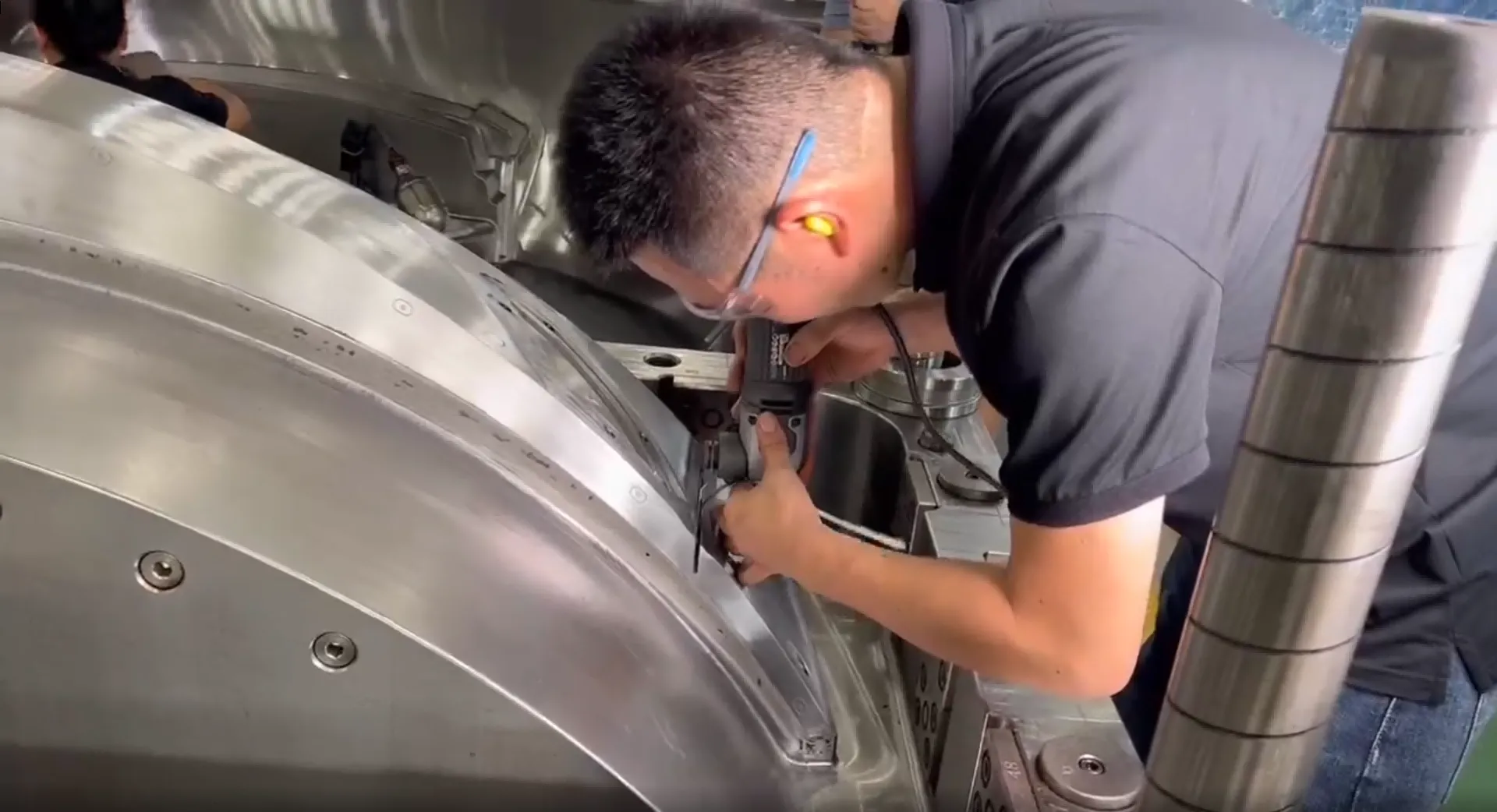
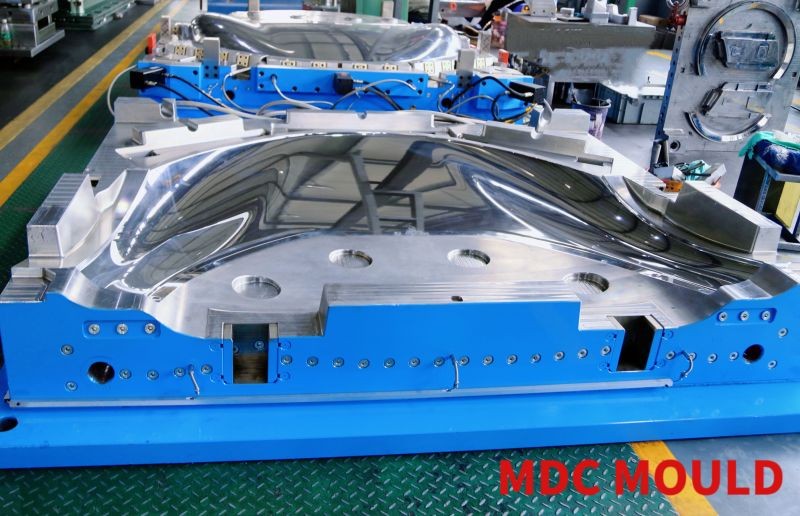
smc mold polish

SMC Moulds: Setting New Benchmarks

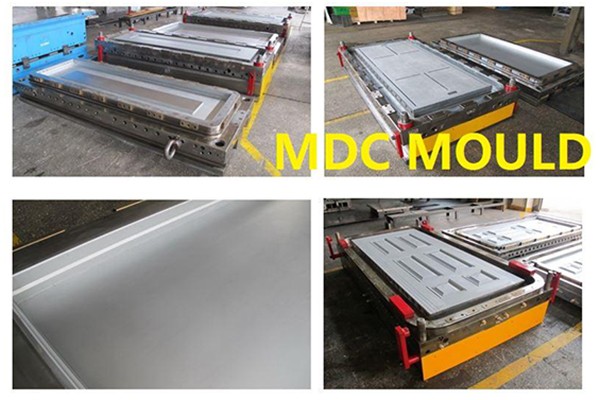
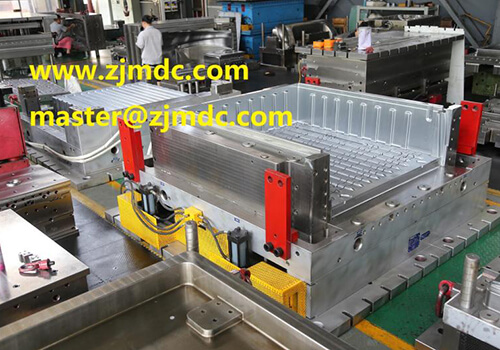
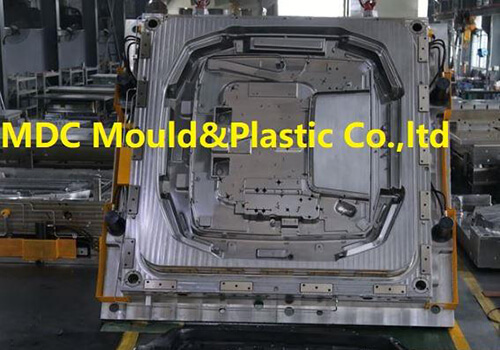
MDC Mould has been at the forefront of SMC mould manufacturing, delivering precision and excellence in every design. The company’s engineers and designers have pushed the boundaries of SMC moulds, ensuring unparalleled quality and durability. These molds are known for their resistance to corrosion, exceptional heat resistance, and a smooth surface finish, setting new benchmarks in the industry.

Mold Polishing Mastery

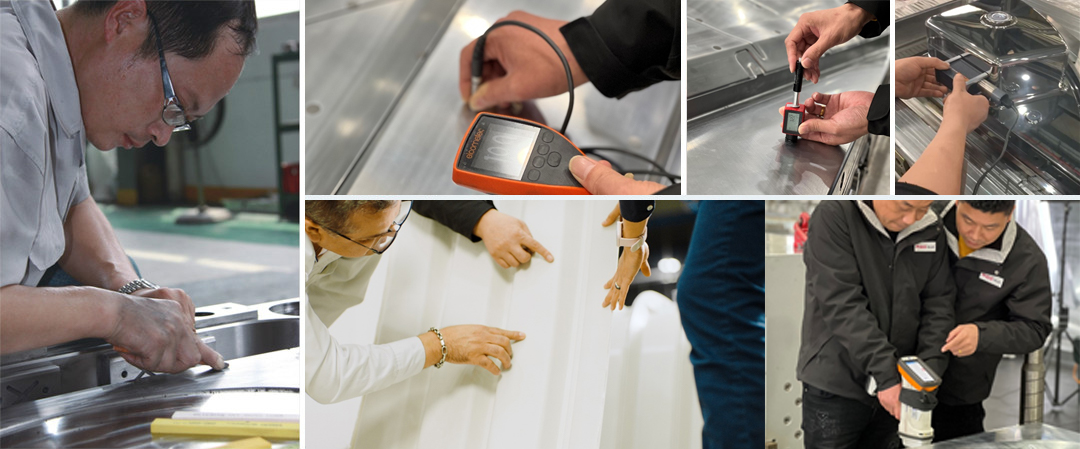
MDC Mould has developed a groundbreaking approach to mold polishing, enhancing the aesthetics and functionality of SMC products. By adopting advanced techniques and state-of-the-art machinery, the company guarantees a superior surface finish that not only looks impressive but also aids in the demolding process. The result is a sleek and professional finish on SMC parts that meet the highest industry standards.

Seamless Trial Runs

One of MDC Mould’s key strengths lies in its meticulous approach to trial runs. The company offers comprehensive trial services that ensure SMC moulds perform optimally from the outset. This commitment to quality control minimizes downtime and reduces production costs for clients. MDC Mould’s rigorous testing protocols enable the production of flawless SMC parts right from the start.

Composite Material Advancements

MDC Mould is at the forefront of composite material innovation. By collaborating with leading material suppliers, the company has developed composite materials that offer an array of benefits. These materials are lightweight, durable, and offer exceptional structural integrity, making them an ideal choice for a wide range of applications. MDC Mould’s composite solutions are environmentally friendly and contribute to reducing the carbon footprint of the industries they serve.

“Here at MDC Mould, we are committed to delivering excellence at every step of the process,” said Mr. Wang, the CEO of MDC Mould. “Our investment in research and development has allowed us to create a holistic ecosystem of SMC mould solutions that set new industry standards.”

With these groundbreaking advancements in SMC moulds, mold polishing, trial runs, and composite materials, MDC Mould is poised to continue leading the way in the manufacturing industry. The company’s dedication to innovation and quality ensures that clients receive the very best in SMC products and services.
MDC Mould Leads the Way with Innovative SMC Moulds, and DFM Solutions

MDC Mould is proud to announce a range of cutting-edge solutions encompassing composite molds, compression molds, SMC (Sheet Molding Compound) moulds, and Design for Manufacturability (DFM) services

MDC Mould, a pioneering force in the mold manufacturing industry, is proud to announce a range of cutting-edge solutions encompassing composite molds, compression molds, SMC (Sheet Molding Compound) moulds, and Design for Manufacturability (DFM) services. These latest offerings are designed to meet the evolving needs of industries, propelling manufacturing innovations into the future.

Composite Molds by MDC Mould

MDC Mould introduces its state-of-the-art Composite Mold series, tailored to the production of components using advanced composite materials. These molds are engineered to serve a multitude of sectors, including aerospace, automotive, marine, and renewable energy. Composite materials are renowned for their exceptional strength-to-weight ratios and corrosion resistance, making them the go-to choice for future manufacturing endeavors. Leveraging innovative design and advanced manufacturing processes, MDC Mould’s Composite Molds redefine efficiency and ensure product quality and consistency.

Compression Molds Reinvented

Our Compression Mold solutions are a testament to MDC Mould’s commitment to manufacturing excellence. With these molds, we enable our clients to efficiently produce high-precision components for a wide array of applications. Compression molding offers superior control over part geometry and material distribution, making it ideal for industries demanding precision and consistency.

compression-mould

Revolutionary SMC Moulds

MDC Mould’s SMC (Sheet Molding Compound) Mould series represents the pinnacle of manufacturing technology and material innovation. These molds are specially designed for shaping high-performance composite materials and find applications across automotive, aerospace, construction, and energy sectors. SMC materials boast exceptional strength, corrosion resistance, and lightweight characteristics, positioning them as the material of choice for future manufacturing. MDC Mould’s SMC Mould series elevates production efficiency to new heights while ensuring product quality and consistency through innovative design and advanced manufacturing techniques.

Optimized DFM Solutions

Design for Manufacturability (DFM) is a critical concept in modern manufacturing, emphasizing the consideration of manufacturability during the product design phase. MDC Mould now offers enhanced DFM solutions aimed at helping clients minimize manufacturing costs, boost production efficiency, and reduce time-to-market. Our optimized DFM tools and consulting services assist clients in streamlining their designs to fit seamlessly into existing manufacturing processes, reducing unnecessary complexity, minimizing waste, and enhancing product quality.

smc-mould

Mr.Wang, CEO of MDC Mould, stated upon the announcement of these innovations, “We have always been committed to providing our clients with state-of-the-art solutions to meet the ever-changing market demands. With the introduction of our Composite Mold series, Compression Molds, SMC Moulds, and optimized DFM services, we empower clients to tackle the challenges of modern manufacturing, ushering in higher efficiency and more sustainable production methods. This is our commitment to the continuous advancement of the industry.”

MDC Mould’s innovations promise to open new doors for the manufacturing industry, encouraging innovation, and driving sustainability. The company looks forward to collaborating with partners across various industries to shape the future of manufacturing. For further information on these new products and services, please don’t hesitate to contact MDC Mould’s sales team.

Elevates Door Manufacturing with Cutting-Edge SMC Compression Technology

MDC Mould is making waves in the industry by revolutionizing the production of SMC (Sheet Molding Compound) Compression Fiberglass Reinforced Plastic (FRP) doors.

MDC Mould, a pioneering company in the field of mould manufacturing, is making waves in the industry by revolutionizing the production of SMC (Sheet Molding Compound) Compression Fiberglass Reinforced Plastic (FRP) doors.

Innovating the Door Industry with SMC Technology

MDC Mould has been at the forefront of innovation in the manufacturing sector, and their latest venture into SMC Compression technology for FRP doors is setting new benchmarks. SMC, a composite material known for its exceptional strength and durability, is now being utilized to craft top-of-the-line doors under the expert guidance of MDC Mould.

SMC door skin mould

Precision, Strength, and Aesthetics

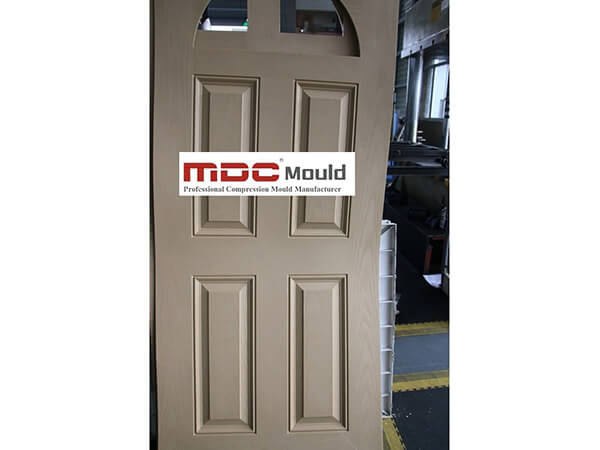
MDC Mould’s SMC Compression technology brings precision to the forefront of door manufacturing. Each door produced boasts unrivaled dimensional accuracy, ensuring a seamless fit into any architectural design. Beyond aesthetics, these doors are engineered for strength. They offer robust security while being remarkably lightweight, making them ideal for various applications, from residential to commercial.

Sustainable Solutions

MDC Mould is committed to sustainability, and this commitment extends to their SMC Compression FRP doors. The process minimizes material waste, ensuring eco-friendly production. These doors are built to last, reducing the need for frequent replacements and further contributing to environmental conservation.

Meeting Diverse Needs

The versatility of MDC Mould’s SMC Compression technology allows for the creation of doors that meet diverse needs. Whether it’s fire-rated doors for enhanced safety, soundproof doors for peaceful environments, or stylish doors for modern aesthetics, MDC Mould can tailor solutions to meet specific requirements.

SMC door mould

A Bright Future

As MDC Mould continues to push the boundaries of what is possible with SMC Compression technology, the future of door manufacturing is looking brighter than ever. Architects, builders, and homeowners can expect doors that not only meet industry standards but exceed them in terms of precision, strength, and sustainability.

MDC Mould’s foray into SMC Compression technology for FRP doors is a testament to their commitment to innovation and sustainability. Their doors combine precision engineering, strength, and aesthetics, offering a glimpse into the future of door manufacturing. As the demand for high-quality, eco-friendly doors grows, MDC Mould is well-positioned to lead the way with their revolutionary SMC Compression FRP doors.

The Confluence of 3D Printing, Composite Mold, and SMC Mold

Among the most significant innovations are 3D printing, composite mold, and SMC mold technologies. These cutting-edge solutions …

In recent years, the manufacturing industry has witnessed an unprecedented transformation driven by advancements in technology. Among the most significant innovations are 3D printing, composite mold, and SMC mold technologies. These cutting-edge solutions have redefined the landscape of manufacturing, offering enhanced precision, efficiency, and versatility.

3D Printing: Redefining Manufacturing Possibilities

3D printing, also known as additive manufacturing, has emerged as a game-changer in the manufacturing world. With the ability to create complex and intricate designs layer by layer, 3D printing has opened up new possibilities for product development and customization. Its rapid prototyping capabilities have significantly reduced lead times, allowing companies to bring products to market faster than ever before.

3d-print

Composite Mold: Uniting Strength and Lightness

Composite mold technology has garnered attention for its exceptional combination of strength and lightness. By utilizing composite materials such as fiberglass reinforced plastics (FRP), manufacturers can produce molds that offer superior durability and performance. These molds are not only robust but also remarkably lightweight, making them easier to handle and transport.

SMC Mold: Pioneering High-Performance Solutions

SMC (Sheet Molding Compound) mold is another revolutionary technique that has gained widespread adoption across industries. This process involves compressing a composite material composed of resins, glass fibers, and fillers to form complex and durable components. SMC mold enables the production of high-performance parts with excellent mechanical properties, making it a preferred choice for automotive, aerospace, and construction applications.

MDC Mould: Pinnacle of Precision and Expertise

Amidst this technological revolution, MDC Mould stands as a beacon of precision and expertise in the industry. With decades of experience and a commitment to innovation, MDC Mould has embraced these cutting-edge technologies to enhance their mold manufacturing capabilities. Although the company does not directly delve into 3D printing, their focus on composite mold and SMC mold technologies is a testament to their forward-thinking approach.

composite-mold

Advantages of MDC Mould:

  • Unmatched Precision: MDC Mould’s dedication to precision ensures that every mold they produce meets the highest standards of quality and accuracy.
  • Versatile Solutions: Whether it’s composite mold or SMC mold, MDC Mould offers flexible solutions tailored to meet the specific needs of their clients.
  • Efficient Production: Leveraging advanced machinery and technology, MDC Mould optimizes production processes, reducing lead times and costs.
  • Exceptional Durability: MDC’s composite and SMC molds exhibit outstanding durability, providing clients with long-lasting and reliable molds.
  • Customer-Centric Approach: MDC Mould’s commitment to customer satisfaction is at the core of their business, ensuring that every client receives personalized and attentive service.

Embracing the Future of Manufacturing

As the manufacturing landscape continues to evolve, MDC Mould remains at the forefront of the industry, embracing innovation and technological advancements. Their expertise in composite mold and SMC mold technologies positions them as a reliable partner for companies seeking top-of-the-line mold solutions.

In conclusion, the integration of 3D printing, composite mold, and SMC mold technologies has reshaped manufacturing, propelling it into a new era of efficiency and excellence. As the journey of technological advancement continues, MDC Mould remains steadfast in its mission to deliver unparalleled precision and superior mold solutions to its valued clients.

What does SMC material mean?

SMC material is a type of composite material that combines various components to create a unique composite with exceptional properties.

MDC Mould is a renowned manufacturer in the field of SMC (Sheet Molding Compound) molds. In this article, we will explore what SMC material means and its significance in the manufacturing industry.

SMC material is a type of composite material that combines various components to create a unique composite with exceptional properties. It is composed of four main constituents: thermosetting resin, chopped glass fibers, fillers, and additives.

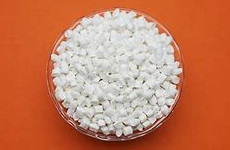
Thermosetting resin acts as the matrix of the SMC material. Polyester, vinyl ester, and epoxy resins are commonly used in SMC manufacturing. These resins offer excellent heat resistance, mechanical strength, and chemical stability, making them suitable for a wide range of applications.

thermosetting-resin

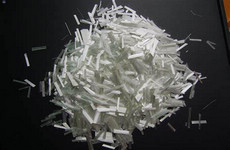
Chopped glass fibers are an essential component of SMC material. These fibers provide reinforcement, enhancing the overall strength and stiffness of the composite. Glass fibers are known for their high tensile strength, impact resistance, and dimensional stability, making them ideal for structural applications.

chopped-glass-fibers

Fillers are incorporated into the SMC material to modify its properties. Calcium carbonate, talc, or other mineral fillers are commonly used. Fillers help reduce the overall cost, improve dimensional stability, and enhance the surface finish of the final SMC product.

fillers

Additives are added to the SMC material to enhance specific characteristics. These additives include colorants, flame retardants, UV stabilizers, and release agents. They contribute to the final properties of the SMC material, such as color consistency, fire resistance, weatherability, and ease of demolding.

additives

The SMC material manufacturing process involves blending the components together and then compression molding the mixture under heat and pressure. This process allows the resin to cure and bond the fibers and fillers, resulting in a solid, durable composite structure.

SMC material offers several advantages in the manufacturing industry. Its versatility allows for the production of complex shapes and intricate designs, making it suitable for various industries such as automotive, aerospace, electrical, and construction. SMC parts exhibit excellent mechanical properties, including high strength, dimensional stability, and resistance to corrosion and environmental factors.

MDC Mould, as a leading manufacturer in SMC molds, leverages the unique properties of SMC material to design and produce high-quality molds for a wide range of applications. Their expertise in SMC molding technology enables them to deliver precision, durability, and efficiency in mold manufacturing.

In conclusion, SMC material is a composite material consisting of thermosetting resin, chopped glass fibers, fillers, and additives. It offers exceptional properties, making it a preferred choice in various industries. MDC Mould uses the benefits of SMC material to provide innovative and reliable moulds for a variety of applications, contributing to the advancement of the manufacturing industry.

“Metallography” of Composite Materials

Metallography is an important branch of metal materials science, which can provide strong support for material design and performance optimization.Composite materials have an analysis method similar to metallography called tissue analysis.

Although composites and alloys are both composed of two or more materials, they differ in that composites are usually composed of different types of materials that combine to form a new material properties; alloys are composed of the same or different metal elements, and their composition can be adjusted to change their properties. But for the latter, usually there will be no obvious changes in material properties like composite materials.

Metallography is an important branch of metal materials science, also known as metal microhistology. Observing the microstructure of metal materials through a microscope reveals the properties and behavior of metal materials. Metallography has important application value in the preparation, processing and use of metal materials. Metallographic analysis can provide strong support for material design and performance optimization.

mental Cr
mental Co

Composite materials have an analysis method similar to metallography called tissue analysis or composite microhistology. Similar to metallographic analysis, tissue analysis is to observe the microstructure of composite material samples through a microscope.

The key to high-end manufacturing lies in materials. That is to say, through tissue analysis, to study the internal structure of composite materials, so as to optimize the performance, in order to manufacture better molds.

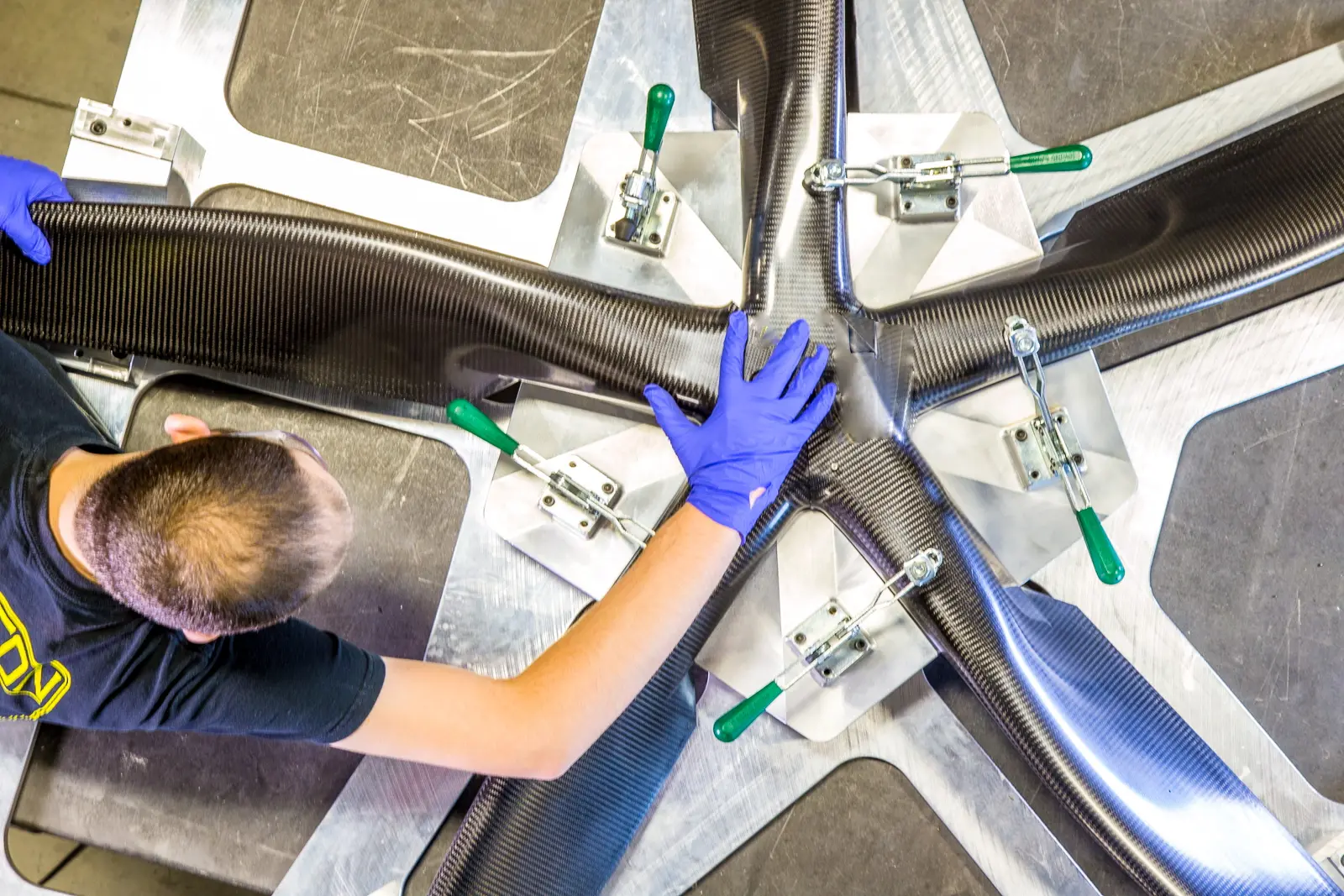
For example, fillers can be used to increase some of the final physical or mechanical properties of the SMC mould. The most commonly used filler is calcium carbonate. Extracted from ground limestone, they reduce manufacturing costs, but in turn, they increase the specific gravity of the produced parts. Alumina can make SMC molds have good dielectric properties, while hollow glass microspheres can significantly reduce the specific gravity of SMC components.

insp

MDC Mould has been concentrating on research of moulds for so many years. We have “State-of–the-art” equipment, leading edge technological process and our first-class employees guarantees delivery to our customers across the world with high quality mold and products.

Will Composite Material Decouple?

As an important material, will composite material decouple?

Composite material is an important material, which has been widely used in aviation, aerospace, automobile, construction, electronics and other fields. Parts made of composite materials have high strength, light weight, and high rigidity. The Jeep car of Chrysler Group Co., Ltd. and the “Seastar” CD2 aircraft of Dornier Starfish Malaysia all use advanced composite materials such as SMC molds and carbon fiber composite materials.

But the manufacture of composite materials usually requires raw materials, technologies and equipment from many different countries or regions, so international cooperation and trade are inevitable.

decouple

However, under the current international situation, factors such as politics, economy, and security among countries may lead to decoupling among countries. For example, some countries may adopt protectionist policies, restrict the export of raw materials and technologies, or impose trade restrictions on products from certain countries. These constraints can have implications for composite manufacturing and supply chains, affecting product quality and cost.

In addition, some countries may restrict or prohibit the import of specific products or technologies from certain countries, which may affect the manufacture and application of composite materials. For example, when security or privacy concerns arise in certain countries, electronic products or technologies from that country may be restricted or prohibited from entering other countries’ markets.

Therefore, composites may be affected by decoupling and trade restrictions between countries. This requires companies and manufacturers to take corresponding measures to deal with it, such as dispersing production bases among multiple countries, exploring alternative raw materials and technologies, and strengthening quality management and testing.

China compression mould
compression mould

MDC Mould is a professional supplier of advanced composite materials such as SMC molds and carbon fiber composite materials. It introduces high-quality raw materials, has superb technology, and is honest and trustworthy. If you need, welcome to contact us.

Applications of SMC mold in Rail Transit

As a lightweight material, SMC mold can be used in the production of train auxiliary parts, non-main bearing parts, carriages, car bodies, bogies, power rail bearings, etc. in rail transit.

The rapid development of high-speed railway industry in China’s rail transit has attracted worldwide attention. However, in recent years, energy shortage and environmental pollution have become the focus of global attention. Energy conservation and emission reduction are becoming the common choice of economic development of all countries in the world. Lightweight is an important means to achieve energy conservation and emission reduction, and it is also an inevitable trend in the development of transportation. The development of lightweight materials is the key to lightweight rail transit. Lightweight materials are divided into aluminum alloy, composite material and plastic. Composite materials have become the main materials.

high-speed railway

Among all fiber reinforced resin materials, SMC materials are the closest to metal materials in performance. Although molding processing cycle of SMC molds is longer than that of metal metarials, SMC molding equipment has less investment and can be continuously produced with higher automation. At the same time, compared with other fiber reinforced resin materials, SMC mold has the advantages of short molding cycle, uneasy deformation of products, high mechanical properties and thermal stability, and strong corrosion resistance.

In rail transit, SMC mold can be used in the production of train auxiliary parts, non-main bearing parts, carriages, car bodies, bogies, power rail bearings, etc.

MDC Mould is mainly engaged in the development and production of hot-pressing molds such as SMC mold, BMC mold, GMT mold, FRP mold, etc. The molds developed by our company have high level of technique, long service life, short cycle, reasonable price, timely delivery and considerate service, which are favored by customers at home and abroad. If you need, please contact us!

SMC moulds are used in automobiles

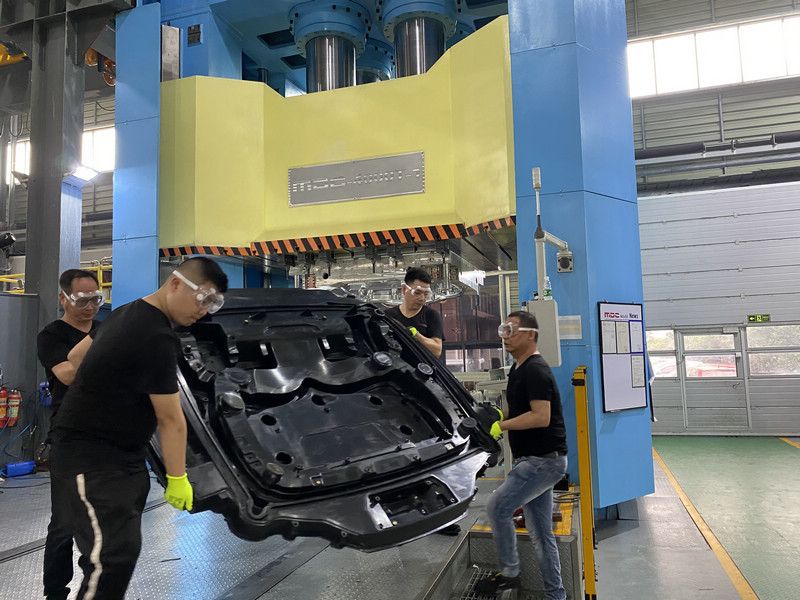
MDC has cooperated with well-known automobile manufacturers, thus expanding our market in the automobile industry, including SMC hood molds…

MDC Mould, as a composite material mold manufacturer, provides solutions and suggestions to customers in the composite material industry. Our opinions and suggestions will help our customers to win the market in their industry and make them use the molds produced by MDC with confidence.With the development and research of new composite material applications, SMC materials, many manufacturers are trying to use SMC composite materials instead of traditional metal alloys due to reasons such as light weight and corrosion resistance. The SMC molding process is a composite material molding method. High-quality products require advanced molding methods to ensure that reliable molds also ensure product quality. SMC moulds can produce high-strength, complex parts of various sizes. The SMC material is manually or automatically placed in the SMC mould, followed by closing the heated mold halves and applying pressure for anywhere from one minute to five minutes, depending on the size and thickness of the part. Additionally, in-mold coating (IMC) and vacuum systems in SMC moulds can be used to enhance surface coating capabilities without the need for a primer.SMC molded parts have good dimensional stability and excellent heat resistance. So it is more and more widely used in the automotive field. MDC Mould has cooperated with well-known automobile manufacturers in terms of new technologies and processes, thus expanding our market in the automobile industry. MDC has developed SMC engine cover molds for CAT, John Deere, CNH, AGCO, Escorts and other customers, and SMC battery box molds for Volkswagen, BMW, Daimler, etc.; produced a variety of SMC tractors for John Deere, CNH, AGCO and other customers mold. Roofs, side panels, air ducts, fenders, chins, headlights and other car parts are also included.

SMC Engine Hood Mold
SMC battery box mold
SMC tractor mold

Excellent Application of SMC Moulds on Blind Roads

MDC Mould already has advanced technology and rich experience in using SMC moulds to produce blind roads, and has been widely used in the market.

When it comes to the blind road, I believe that most people will not feel unfamiliar, because we will find that we can often see its existence in life. In this world, not everyone can be lucky, with healthy limbs and a healthy body. There are always a group of people who are different, and their world is less bright and colorful. The blind road can be said to be a little warmth for them, making them feel the care of the society.

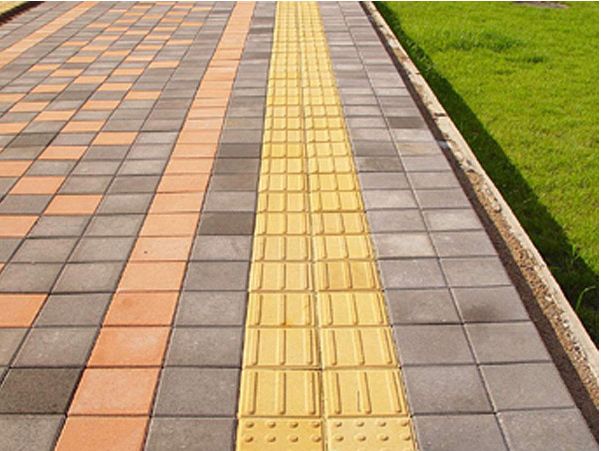
Turning back to the topic of the blind road, what kind of existence does it have, so that the blind can distinguish other roads? You can take a look at the picture below.

SMC Mould - Blind Road

Features of the blind path: The blind path is generally paved by two types of bricks, one is strip-shaped guiding bricks, which guide the blind to move forward with confidence, which is called the walking blind path; A turn is called a prompt blind road. The blind road with yellow protruding stripes looks like the static eyes of the blind. It is paved on the sidewalk of the road and set up for the convenience of the blind. Bricks with special shapes and bright yellow colors are achieved by using the sense of feet of the blind and the principle of assisting sensation of tactile bricks.

At present, there are various materials for blind walkways, among which cement, stainless steel, plastic and so on are common. Among them, the price of cement tactile bricks is relatively cheap. This kind of tactile bricks is made of cement. There are many holes in the brick body and high water absorption, but the compressive strength is low and the service life is short; The bricks are thin, easy to deform, and the surface is smooth after a long time of use, which is likely to cause safety hazards to pedestrians; while plastic plastic tactile paving bricks are plastic products, the bricks are thin, not resistant to rolling, easy to crack and deform, and have a long service life short.

Today we are going to mention the blind roads made of SMC materials. To sum up, the blind roads made of other materials have more or less shortcomings, but the blind roads made of SMC moulds have advantages that other materials that cannot be compared. It has light weight, good strength and toughness, excellent drainage performance, safety and environmental protection, long service life, low production and maintenance costs, can realize mass production, and is widely used in the laying of blind roads and road warning lines.

Blind road construction cannot be ignored, it is a kind of humanistic care, SMC mould is the best choice for pedestrian blind road. At present, MDC Mould already has advanced technology and rich experience in using SMC moulds to produce blind roads, and has been widely used in the market. Welcome relevant industries to communicate with us and look forward to our cooperation!