Solving Demolding Challenges with MDC Mould’s Innovative Design

Discover how MDC Mould solves demolding challenges with innovative mold design, high-quality materials, and precise temperature control.

Introduction

Demolding issues are common in mold manufacturing, leading to production delays and increased costs. MDC Mould, a leader in mold manufacturing, addresses these challenges with innovative solutions, advanced technologies, and superior mold design. This article explores how MDC Mould enhances the demolding process, ensuring efficient and reliable production.

Understanding Demolding Challenges

Demolding difficulties arise when molded parts adhere too strongly to the mold surface, making removal challenging. Factors contributing to this include material adhesion, poor mold design, surface condition, and temperature control. MDC Mould addresses these issues through innovative design, precision engineering, and advanced materials.

MDC Mould’s Solutions to Demolding Issues

1. High-Performance Mold Release Agents

MDC Mould integrates high-quality mold release agents to reduce friction between the mold and material. These agents are selected based on the specific material and application, ensuring optimal demolding performance and extending mold life.
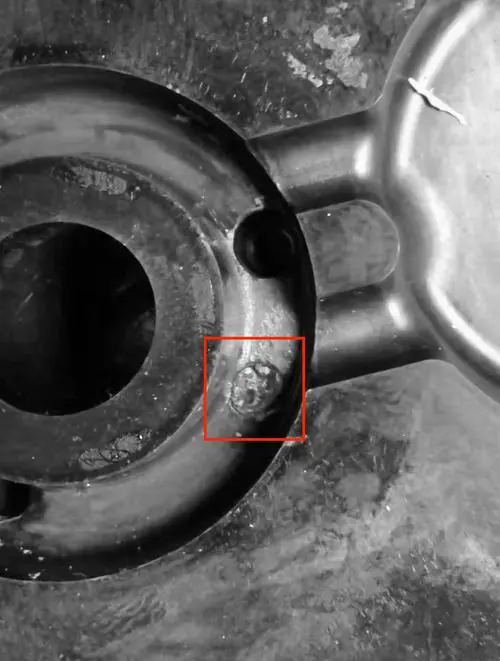
mold

2. Optimized Mold Design

MDC Mould focuses on proper draft angles, smooth transitions, and manageable undercuts in their designs. By eliminating sharp edges and reducing complex geometries, MDC ensures easy and damage-free demolding.

3. Advanced Surface Treatments

MDC Mould applies advanced surface treatments, such as polishing and coating, to ensure a smooth, frictionless mold surface. These treatments improve demolding performance and enhance the quality of finished parts.
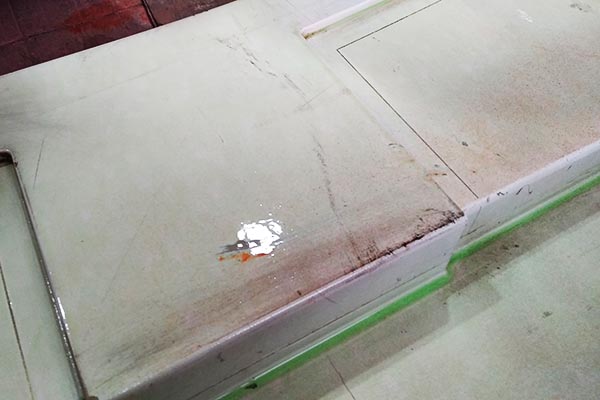
demolding

4. Precise Temperature Control

MDC Mould uses state-of-the-art heating and cooling systems to maintain optimal mold temperatures. Proper temperature control prevents issues such as warping and sticking, ensuring consistent and predictable demolding.

5. Custom Material Selection

MDC Mould collaborates with clients to select materials that are compatible with their molds. By choosing materials with lower adhesion properties, MDC ensures easy demolding without compromising quality.

6. Mechanical Ejection Systems

For complex molds, MDC Mould incorporates mechanical ejection systems like ejector pins or lifters. These systems provide additional force for smooth and efficient demolding, even with challenging molds.

Why Choose MDC Mould?

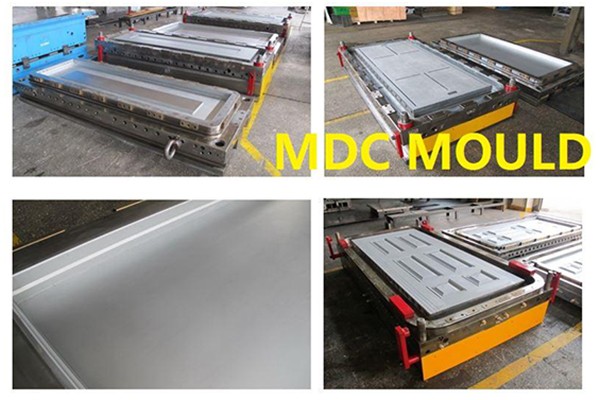
MDC Mould’s expertise in solving demolding challenges is reflected in their advanced mold designs, customization options, and cutting-edge technology. Whether dealing with SMC molds, BMC molds, or large-scale compression molds, MDC Mould offers solutions that minimize demolding difficulties and ensure consistent, high-quality production.
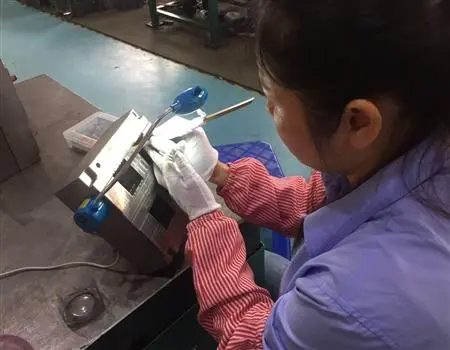
compression mold

Conclusion

Demolding challenges can significantly impact production efficiency and quality. MDC Mould’s comprehensive approach to mold design, material selection, surface treatment, and temperature control ensures superior performance, even in demanding applications. By choosing MDC Mould, you’re investing in reliable, high-quality molds engineered to solve your demolding challenges.
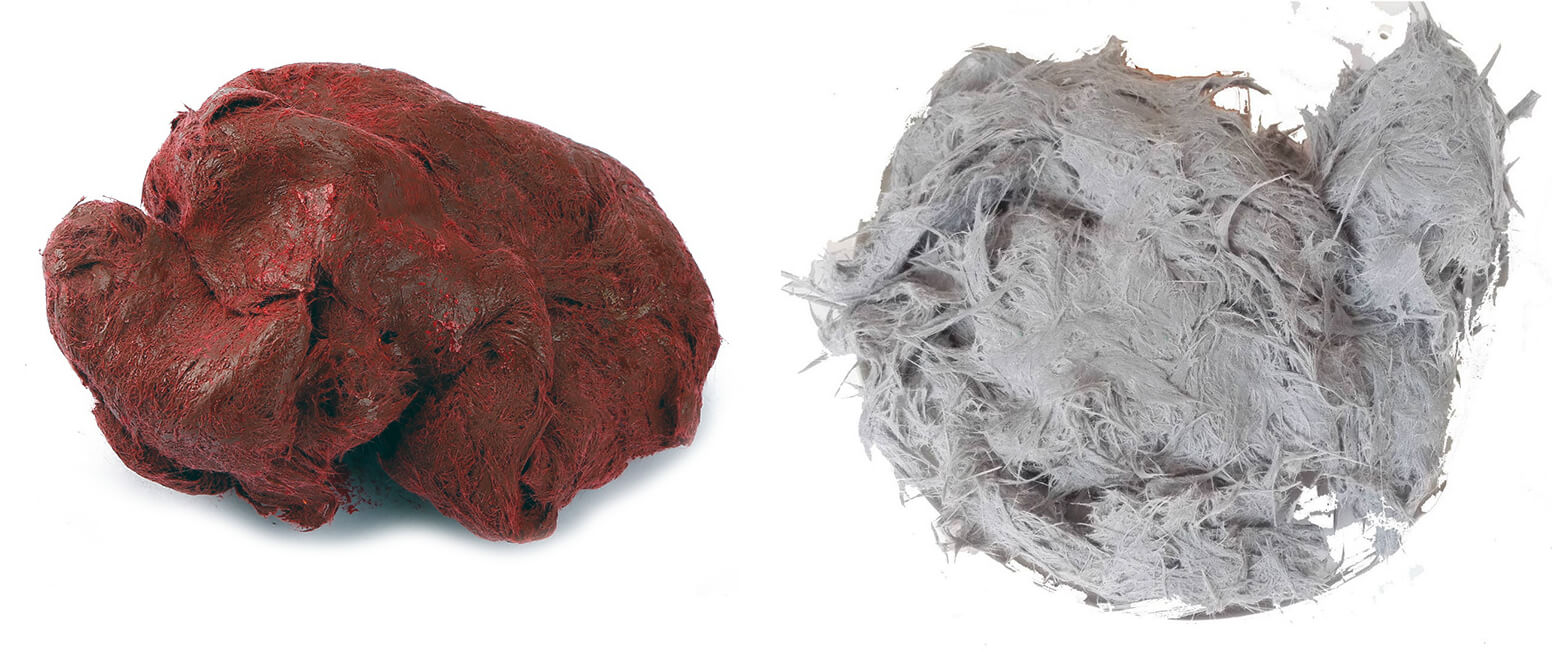
Mastering Composite Mold Casting: A Comprehensive Guide with a Composite Mold Making Kit

Learn about composite mold casting and how a composite mold making kit can streamline your production process. Explore related terms like compression mold, SMC mold, BMC molding, and more.

Composite materials have become essential in various industries, thanks to their exceptional strength-to-weight ratio, corrosion resistance, and design flexibility. From aerospace to automotive, the demand for lightweight, durable, and high-performance components has driven the evolution of composite mold casting techniques. To meet these industry needs, the use of a composite mold making kit has become increasingly popular, offering an all-in-one solution for creating high-quality molds.

What is Composite Mold Casting?

Composite mold casting is a process used to create complex shapes and forms from composite materials. These materials typically include reinforced plastics such as carbon fiber, fiberglass, or BMC (Bulk Molding Compound) used in BMC molding and BMC moulding. The mold defines the shape of the final product and is critical for the success of the compression molding process.

The quality of the mold directly impacts the quality of the final product, which is why precision in mold making is crucial. This process is widely used in industries such as thermoforming mould, thermoforming tooling, and thermoset mold production.

BMC

The Composite Mold Casting Process

  1. Mold Design and Fabrication: The first step is designing the mold, often using CAD software to create a precise model. Molds can be made from materials such as aluminum, steel, or even composites.
  2. Surface Preparation: The mold surface must be prepared to ensure a smooth finish on the final product, often involving the application of a release agent to prevent the composite material from sticking.
  3. Lay-Up Process: Layers of composite material, such as those used in SMC molds and composite molds, are placed into the mold to optimize the strength and stiffness of the final product.
  4. Curing: The mold is placed in an oven or autoclave to cure, solidifying the resin matrix and forming a rigid structure. This step is critical in composite molding and thermoforming mold processes.
  5. Demolding and Finishing: After curing, the part is carefully removed from the mold. Additional processes such as trimming, sanding, and painting may be applied to achieve the desired finish.
BMC mould

The Role of a Composite Mold Making Kit

A composite mold making kit is an invaluable resource, especially for professionals working with compression molds, thermoforming tools, or composite molds. These kits include all necessary materials and tools to create high-quality molds, streamlining the process and minimizing errors.

What’s Included in a Composite Mold Making Kit?

  • Resins and Hardeners: Essential for creating the mold itself, these components ensure proper curing and durability, vital in thermoset molding.
  • Reinforcing Fibers: Some kits include fibers like fiberglass to strengthen the mold, particularly in high-stress areas.
  • Release Agents: These agents prevent the composite material from sticking to the mold during casting, ensuring easy demolding.
  • Mixing Tools: Brushes, mixing cups, and stir sticks are included to help apply the resin and hardener accurately.
  • Instructional Guides: Many kits provide detailed instructions or access to tutorials, making it easier for beginners to understand the mold-making process.
composite molding

Benefits of Using a Composite Mold Making Kit

Using a composite mold making kit offers several advantages, particularly for those working in thermoforming tool and composite molding:

  • Convenience: Kits offer a convenient solution by providing all necessary materials in one package.
  • Cost-Effective: Purchasing a kit can be more affordable than buying each material individually, and it reduces the risk of buying incompatible products.
  • Quality Assurance: Kits are typically designed by professionals, ensuring high-quality materials and compatibility.
  • Time-Saving: The mold-making process is expedited with all materials readily available, reducing preparation time.

Applications of Composite Mold Casting

Composite mold casting has a wide range of applications across various industries:

  • Aerospace: Used to create lightweight, strong components like aircraft wings and fuselage sections.
  • Automotive: Essential for producing parts like bumpers and dashboards, where weight reduction is crucial.
  • Marine: Composite materials are used to create boat hulls and decks, offering excellent corrosion resistance.
  • Sports Equipment: Composite materials are favored for their strength and lightweight properties in products like tennis rackets and bicycle frames.
compression mold

Conclusion

Composite mold casting is a sophisticated process vital to manufacturing high-performance components across various industries. Utilizing a composite mold making kit streamlines the process, offering a comprehensive solution that saves time, reduces costs, and ensures the production of top-tier molds. Whether you’re working with SMC molds, thermoforming molds, or thermoset molds, mastering the art of composite mold casting with the right tools is essential for success.

What are the Three Differences Between Compression Molding and Injection Molding?

Explore the three key differences between compression molding and injection molding, and understand their unique applications and benefits in manufacturing.

In the world of manufacturing, two popular methods for producing plastic and composite parts are compression molding and injection molding. While both techniques are used to create high-quality components, they differ significantly in terms of process, materials, and applications. In this article, we will delve into the three primary differences between compression molding and injection molding, providing a detailed comparison to help you understand which method might be best suited for your needs.

compression-moulding

1. Process and Mechanism

Compression Molding

Compression molding involves placing a pre-measured amount of material, known as a charge, into an open mold cavity. The mold is then closed, and heat and pressure are applied to shape the material into the desired form. The heat causes the material to become pliable, and the pressure forces it to conform to the shape of the mold. Once the material has cured and solidified, the mold is opened, and the finished part is removed.

This process is typically used for thermosetting plastics and composites, which require high pressure and temperature to mold. Compression molding is ideal for producing large, intricate parts with high strength and durability.

Injection Molding

Injection molding, on the other hand, involves melting plastic pellets and injecting the molten material into a closed mold under high pressure. The mold is held under pressure until the material cools and solidifies. Once the part has cooled sufficiently, the mold is opened, and the finished part is ejected.

Injection molding is commonly used for thermoplastics, which can be melted and solidified multiple times. This process is highly efficient for producing large volumes of small to medium-sized parts with complex geometries.

injection molding

2. Materials Used

Compression Molding

Compression molding is predominantly used for thermosetting plastics and composite materials. Thermosets are polymers that irreversibly cure, meaning they cannot be melted and reshaped once cured. Common materials used in compression molding include phenolic resins, epoxy resins, and unsaturated polyester resins. These materials offer excellent mechanical properties, heat resistance, and dimensional stability, making them suitable for high-performance applications.

Additionally, compression molding is often used for producing parts from fiber-reinforced composites, such as carbon fiber or glass fiber, which provide superior strength-to-weight ratios and enhanced structural integrity.

Injection Molding

Injection molding primarily utilizes thermoplastic materials, which can be melted and re-melted multiple times without undergoing any significant chemical change. Common thermoplastics used in injection molding include polyethylene (PE), polypropylene (PP), polystyrene (PS), and acrylonitrile butadiene styrene (ABS). These materials offer versatility, ease of processing, and the ability to produce parts with precise dimensions and smooth finishes.

Injection molding can also be used for thermoplastic elastomers (TPE) and some thermosets, although this is less common. The ability to use a wide range of thermoplastic materials makes injection molding suitable for a diverse array of applications, from automotive components to consumer electronics.

3. Applications and Suitability

Compression Molding

Compression molding is well-suited for producing large, complex parts with high strength and durability. This process is commonly used in the automotive, aerospace, and electrical industries for manufacturing components such as:

  • Automotive body panels
  • Electrical insulators
  • Composite parts for aircraft
  • Heavy-duty industrial equipment

The ability to mold fiber-reinforced composites makes compression molding an ideal choice for applications requiring high performance and structural integrity.

compression moulded tractor roof

Injection Molding

Injection molding is highly efficient for mass-producing small to medium-sized parts with intricate designs and tight tolerances. This process is widely used across various industries, including:

  • Consumer electronics (e.g., housings for electronic devices)
  • Medical devices (e.g., syringes, medical instrument components)
  • Automotive components (e.g., dashboard parts, clips, and fasteners)
  • Packaging (e.g., caps and closures for bottles)

The high production speed and ability to produce parts with consistent quality make injection molding a preferred method for high-volume manufacturing.

Conclusion

Both compression molding and injection molding have their unique advantages and are suited for different types of applications. Compression molding is ideal for producing large, durable parts from thermosetting plastics and composites, while injection molding excels in creating small to medium-sized parts from thermoplastics with high efficiency and precision.

Understanding the differences between these two molding techniques can help manufacturers choose the most appropriate method for their specific needs, ensuring optimal performance, cost-effectiveness, and quality in their final products.

Why SMC Meter Boxes are Preferred Over Metal or Plastic?

Discover why SMC meter boxes are preferred over metal or plastic. Learn about their insulating properties, cost-effectiveness, durability, fire resistance, and thermal stability.

Superior Insulating Properties

One of the most significant advantages of SMC meter boxes over metal counterparts is their excellent insulating properties. Unlike metal, SMC does not conduct electricity. This non-conductive nature provides a crucial safety benefit:

  • Safety: SMC meter boxes do not pose an electrical hazard when touched by a live wire. This reduces the risk of electric shock, making them safer for both installers and end-users.
  • No Grounding Required: Because they are non-conductive, SMC meter boxes do not need to be grounded. This simplifies the installation process, saving both time and money.
meter box mould

Cost-Effectiveness and Ease of Installation

SMC meter boxes offer significant cost advantages over both metal and traditional plastic options. Here’s how:

  • Material Costs: SMC is generally less expensive to produce than metal, and it offers a better performance-to-cost ratio than many plastics.
  • Lightweight: SMC is much lighter than metal, which makes the meter boxes easier to handle and install. This reduces labor costs and minimizes the risk of injury during installation.
  • Ease of Manufacturing: SMC can be molded into complex shapes with high precision, allowing for the integration of various features into a single part, which reduces assembly time and costs.

High Mechanical Strength and Durability

One of the key reasons for the popularity of SMC in meter box manufacturing is its high mechanical strength and durability:

  • Resistance to Stress and Impact: SMC has high tensile strength, meaning it can withstand significant stress without cracking or breaking. This makes it suitable for outdoor applications where it may be exposed to harsh conditions.
  • Long Lifespan: The robust nature of SMC ensures that meter boxes have a long service life, reducing the need for frequent replacements and maintenance.

Fire Resistance and Safety

Fire safety is a critical consideration for any electrical enclosure, and SMC excels in this area:

  • Self-Extinguishing Properties: SMC can be formulated to be self-extinguishing, which means it will not catch fire easily and can prevent the spread of flames in the event of a fire. This property is especially important for electrical applications where the risk of fire is a concern.
  • Thermal Stability: As a thermoset plastic, SMC does not melt at high temperatures. This characteristic enhances the safety and integrity of the meter box in extreme conditions.
SMC Mold

Thermal Stability

In addition to its fire resistance, SMC’s thermal stability provides further benefits:

  • High Temperature Tolerance: SMC mold can withstand high temperatures without deforming or losing its mechanical properties. This makes it ideal for use in environments where it may be exposed to heat.
  • Consistency in Performance: The material’s stability ensures that it maintains its performance characteristics over a wide range of temperatures, providing reliable protection for the electrical components housed within the meter box.

Manufacturing Process of SMC Enclosures

To better understand the advantages of SMC meter boxes, it is helpful to look at the manufacturing process. MDC, a leader in SMC enclosure mold manufacturing, demonstrates the efficiency and precision of this process.

  1. Material Preparation
    • Compounding: SMC is created by combining resin, fillers, and reinforcement materials, such as glass fibers, into a dough-like compound. This mixture is then rolled into sheets.
    • Storage: The SMC sheets are stored and allowed to mature, which helps to achieve the desired consistency and properties for molding.
  2. Molding Process
    • Mold Setup: The matured SMC sheets are placed into a heated mold cavity.
    • Compression Molding: The mold is closed, and heat and pressure are applied. The SMC material flows to fill the mold cavity, taking on the desired shape. This process ensures high precision and the ability to produce complex geometries.
    • Curing: The heat initiates a chemical reaction that cures the SMC, transforming it into a rigid, solid form. The curing process ensures that the molded part has the desired mechanical and physical properties.
  3. Finishing
    • Trimming and Drilling: After molding, the parts may require trimming of excess material and drilling of holes for mounting or other features.
    • Surface Treatment: Depending on the application, the SMC meter boxes may undergo additional surface treatments to enhance their appearance or performance, such as painting or coating.
  4. Quality Control
    • Inspection: Each meter box is inspected for defects and to ensure it meets the required specifications.
    • Testing: Functional tests, such as impact resistance and electrical insulation tests, are conducted to verify the performance of the meter boxes.
SMC enclosure mold

Conclusion

The shift from metal and traditional plastic to SMC for meter box manufacturing is driven by the numerous advantages SMC ( composite mold ) offers. Its superior insulating properties, cost-effectiveness, ease of installation, high mechanical strength, fire resistance, and thermal stability make SMC meter boxes an ideal choice for modern electrical enclosures. The precision and efficiency of the SMC manufacturing process further enhance these benefits, ensuring high-quality, durable products. As a leader in SMC enclosure mold manufacturing, MDC exemplifies the capabilities and advantages of this innovative material, setting a standard for safety, reliability, and performance in the industry.

Three Tips for Using Carbon Fiber Molding Parts

Carbon fiber molding and carbon fiber mold techniques require attention to detail and proper handling to ensure optimal performance.

The history of carbon fiber dates back further than many might realize. By the late 1800s, scientists were experimenting with carbon filaments for incandescent light bulbs. Less than a century later, these fine filaments paved the way for a future material: carbon fiber.

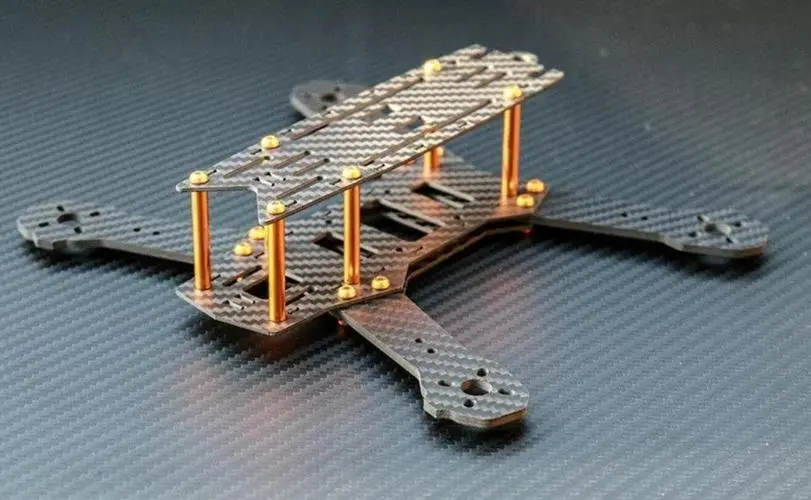
Today, carbon fiber is a critical component in many industries. It’s lightweight, strong, and heat-resistant, making it ideal for sensitive applications such as medical devices. However, as with any material, carbon fiber parts are best when manufactured correctly.

Planning to produce carbon fiber products? Before you do, here are three expert tips that will help you handle carbon fiber parts effectively.

1. Ensure Carbon Fiber is Ideal

First and foremost, ensure that carbon fiber is the right material for your application. It excels in many solutions, from prosthetics to aerospace-grade components. However, like any material, it’s not suitable for every job on the planet.

Carbon fiber boasts unparalleled tensile strength, being four times stronger than steel. Yet, its compressive strength is one of the few areas where it falls short of steel. For example, when used in submersibles, it might bend and collapse under pressure.

Ensure your carbon fiber product is not better served by other composites.

carbon-fiber parts

2. Use the Appropriate Fiber Grade

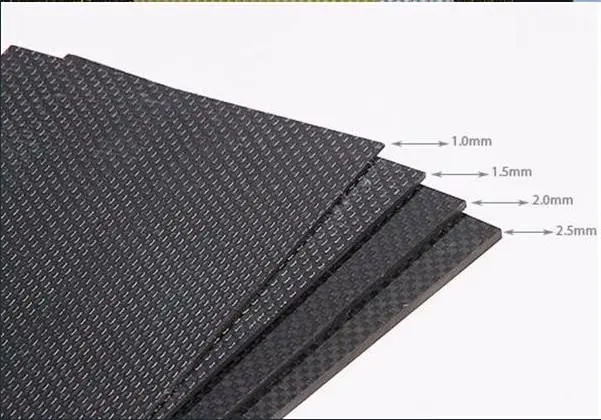
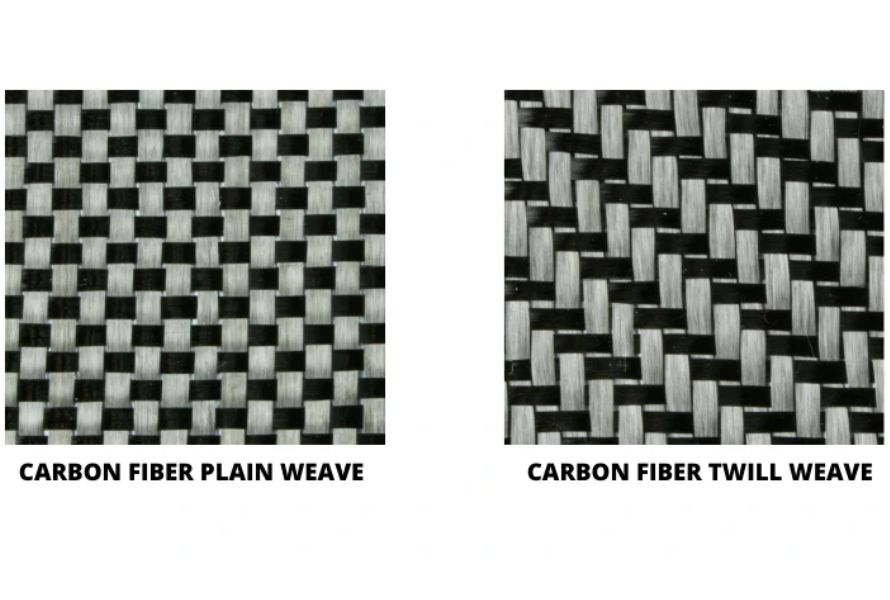
There isn’t a one-size-fits-all carbon fiber. Thicker, heavier fibers naturally create stronger, denser, and stiffer weaves. Finer fibers can form ultra-light finishes and covers.

Professionals categorize carbon fiber into three main aspects:

  • Grade
  • Weight
  • Strength

For instance, something like a 5.6-ounce twill weave carbon fiber provides a classic carbon fiber look. For heavy industrial applications, you’ll need to increase the weight and grade accordingly.

Choosing the right epoxy resin will also affect the final physical properties of the carbon fiber. In many applications, you’ll need to bond the fibers together with something like cyanoacrylate adhesive. For thicker weaves, epoxy resin is necessary to keep the carbon fiber layers aligned and further enhance strength.

3. Properly Handle Carbon Fiber Parts

The beauty of carbon fiber is that it’s not rocket science to manufacture or use. That said, it doesn’t mean you can build it in your garage with just any parts at hand. Composites are tough and require sturdy tools for molding and cutting.

For example, cutting laminates works best when using carbide or diamond-coated tools. Carbon fiber is inherently abrasive and can quickly wear down steel scissors and razors.

Additionally, carbon fiber can produce dust during manufacturing and cutting. While this dust is non-toxic, it can be irritating to the lungs, eyes, and skin. You should wear a mask and goggles, just as you would when handling fiberglass.

carbon fiber mold

Conclusion

Carbon fiber molding and carbon fiber mold techniques require attention to detail and proper handling to ensure optimal performance. By confirming the suitability of carbon fiber for your application, selecting the right fiber grade and epoxy, and using the correct tools and safety measures, you can maximize the benefits of this remarkable material.

ls thermoforming better than injection molding?

By combining cost-effectiveness, speed, design flexibility, material versatility, and sustainability, thermoforming with SMC Mould technology offers numerous advantages over traditional injection molding methods.

Thermoforming and injection molding are two popular manufacturing processes used in the production of plastic parts. While both methods have their advantages and disadvantages, many factors come into play when determining which is better for a specific application. At MDC Mould, we specialize in providing innovative solutions for our clients, including utilizing Sheet Molding Compound (SMC) Mould technology, which offers several distinct advantages over traditional methods.

thermoforming

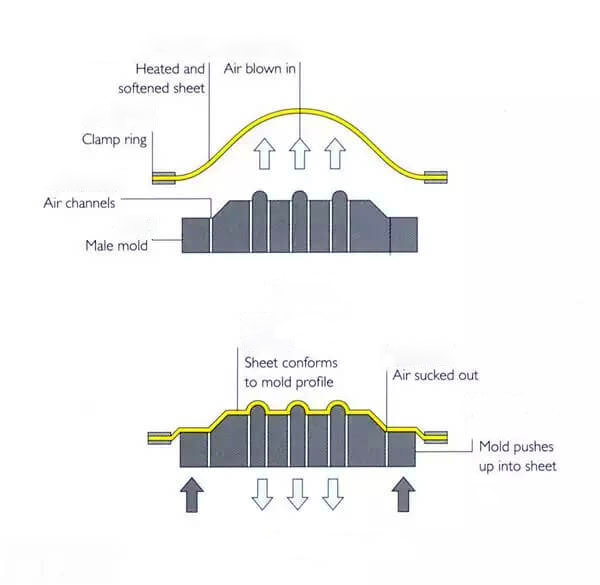
Thermoforming is a process where a thermoplastic sheet is heated to a pliable forming temperature, then formed to a specific shape in a mold, either by vacuum forming, pressure forming, or mechanical forming. On the other hand, injection molding involves injecting molten plastic material into a mold cavity, where it cools and hardens to the desired shape. Both processes have their strengths, but thermoforming, particularly with SMC Mould technology, offers several benefits:

Cost-Effectiveness: Thermoforming with SMC Mould technology typically requires lower tooling costs compared to injection molding. Since thermoforming molds are often made from less expensive materials like aluminum or composite, they are more affordable to manufacture and modify, making them a cost-effective option for low to medium volume production runs.

Faster Turnaround Times: SMC Mould technology allows for quicker production cycles compared to traditional injection molding methods. The simplicity of thermoforming molds means they can be produced and modified more rapidly, resulting in shorter lead times for parts production.

Design Flexibility: Thermoforming offers greater design flexibility, especially when working with complex geometries or large parts. SMC Mould technology allows for easy incorporation of features such as undercuts, textures, and surface finishes, giving designers more creative freedom in their designs.

Material Versatility: Thermoforming can be used with a wide range of thermoplastic materials, including ABS, PVC, polycarbonate, and polypropylene, among others. This versatility allows for the selection of the most suitable material for specific application requirements, whether it be for its mechanical properties, chemical resistance, or aesthetic appeal.

Sustainability: Thermoforming with SMC Mould technology is often considered a more sustainable option compared to injection molding. Since thermoforming typically produces less waste material and consumes less energy during the manufacturing process, it can be a greener choice for environmentally conscious businesses.

At MDC Mould, we leverage our expertise in SMC Mould technology to provide innovative thermoforming solutions that meet the diverse needs of our clients. By combining cost-effectiveness, speed, design flexibility, material versatility, and sustainability, thermoforming with SMC Mould technology offers numerous advantages over traditional injection molding methods. Contact us today to learn more about how we can help bring your plastic part designs to life with our cutting-edge manufacturing capabilities.

Can carbon fiber conduct electricity?

While pure carbon fiber is not inherently conductive, advancements in material science have enabled the development of conductive carbon fiber composites.

Carbon fiber, known for its exceptional strength, lightweight, and corrosion resistance, has gained widespread popularity across various industries. Commonly used in aerospace, automotive, and sporting goods applications, carbon fiber is a versatile material. However, a common question arises: Can carbon fiber conduct electricity?

Understanding Carbon Fiber:

Carbon fiber, also known as graphite fiber, is composed primarily of carbon atoms with a diameter ranging from 5 to 10 micrometers. It forms an extended chain structure through carbon atom bonding, offering outstanding stiffness, high tensile strength, impressive strength-to-weight ratio, chemical resistance, high-temperature tolerance, and minimal thermal expansion.

carbon-fiber

Types of Carbon Fiber:

Carbon fiber comes in various forms, including yarns, unidirectional fibers, weaves, braids, and other configurations, used in the manufacturing of composite components. Its performance is similar to steel, yet it matches the weight of plastics.

Can Carbon Fiber Conduct Electricity?

Pure carbon fiber itself is not inherently conductive. Unlike metals such as copper or aluminum, carbon fiber is considered an insulator due to its molecular structure. However, its conductivity can be enhanced through various methods.

carbon-fiber-electricity

Factors Affecting Conductivity:

Several factors influence the conductivity of carbon fiber, including the introduction of conductive additives, carbon nanotube doping, graphene coatings, and surface modifications. These approaches aim to improve the overall conductivity of carbon fiber-based materials.

Applications of Conductive Carbon Fiber:

1.Aerospace Industry: Conductive carbon fiber is crucial in manufacturing aircraft and spacecraft components such as wings, fuselage, and structural reinforcements. Its lightweight properties combined with enhanced conductivity contribute to fuel efficiency and lightning protection.

2.Automotive Sector: In the automotive industry, conductive carbon fiber finds applications in lightweight body panels, chassis components, and interior parts. Carbon fiber-reinforced composites offer excellent strength and durability, contributing to improved fuel economy.

3.Electronics and Consumer Goods: Conductive carbon fiber plays a vital role in the production of printed circuit boards (PCBs), connectors, and electromagnetic shielding. Its superior conductivity, compared to traditional materials, enhances heat dissipation, signal transmission, and mechanical strength in electronic devices.

carbon-fiber-conduct-electricity

4.Renewable Energy: Carbon fiber is widely used in the renewable energy sector, particularly in the manufacturing of wind turbine blades. Its high strength, stiffness, and lightweight properties contribute to more efficient wind energy production.

5.Medical and Healthcare: Conductive carbon fiber is employed in the development of prosthetics and orthopedic implants. Its lightweight nature and excellent biocompatibility make it an ideal material for implants, minimizing stress on patients’ bodies.

While pure carbon fiber is not inherently conductive, advancements in material science have enabled the development of conductive carbon fiber composites. These materials have found diverse applications across industries, contributing to lightweight, high-performance solutions. The key lies in understanding the specific requirements and applications to determine the suitability of conductive carbon fiber for a given purpose.

Advancements in Composite Manufacturing

MDC Mould has been instrumental in driving the lightweight and durable aspects of composite materials, particularly carbon fiber, to the forefront of aerospace and medical manufacturing.

In recent years, the landscape of industries has been undergoing a transformative shift, driven by the innovative manufacturing of composite materials. MDC Mould, a pioneering player in the field, is at the forefront of this revolution, redefining the way products are made across various sectors.

What is Composite Manufacturing?

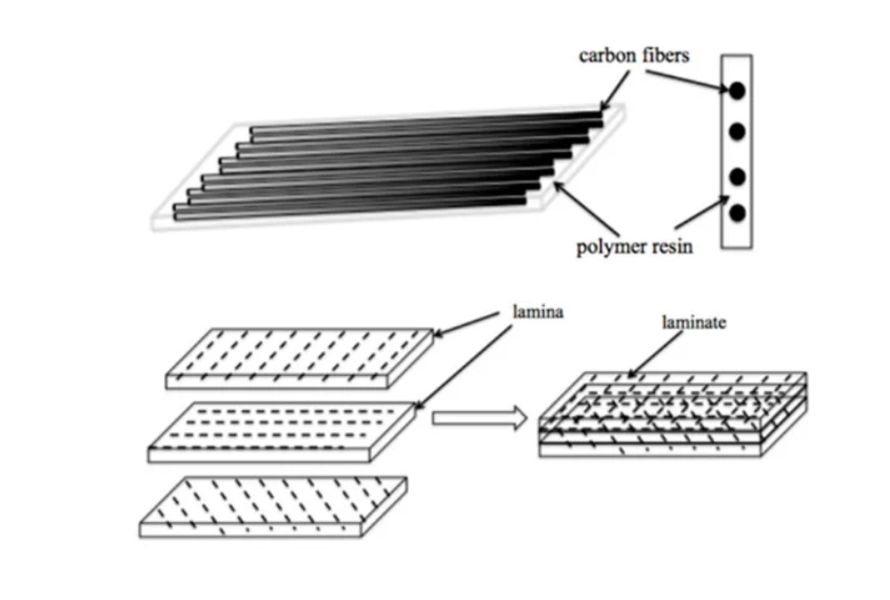
Composite manufacturing involves the fusion of two or more materials to create a product that is stronger and more durable than its individual components. These materials consist of a matrix, which serves as the base material bonding with reinforcement materials. Notably, woven composites are increasingly replacing traditional metals like steel in various applications.

Composite-mold

Carbon Fiber Composites: A Game-Changer

Among the most prevalent composite materials is carbon fiber composite. Renowned for its effectiveness, carbon fiber composites boast a robust structure with tightly bonded carbon atoms. These composites exhibit excellent chemical resistance, coupled with the advantages of being lightweight and heat-resistant. The weight-to-strength ratio of carbon fiber is double that of aluminum, making it a preferred choice for manufacturers.

carbon fiber

Applications in Aerospace Manufacturing

MDC Mould, specializing in composite mold manufacturing, has developed cutting-edge products catering to the aerospace industry’s demand for durable and lightweight components. Commercial aircraft, for instance, leverage carbon fiber to reduce weight, subsequently lowering fuel consumption—a critical factor in the face of increasingly stringent carbon emission regulations. This approach not only contributes to environmental sustainability but also reduces fuel and component costs.

Furthermore, carbon fiber composites find applications in spacecraft, air taxis, and 3D-printed components, showcasing their versatility in aerospace manufacturing.

Medical Advancements with Composite Materials

The medical sector, recognizing the benefits of carbon fiber composites, has embraced these materials to enhance the longevity of medical equipment. Initially used in aerospace and automotive components, Carbon Fiber Reinforced Polymers (CFRP) are now making significant strides in medical applications due to their superior performance compared to traditional metals.

medical composite

Implants made from carbon fiber facilitate faster recovery for patients and provide radiolucency, allowing surgeons a clear view of fractures during and after surgery.

MDC Mould: Leading the Composite Manufacturing Frontier

MDC Mould has been instrumental in driving the lightweight and durable aspects of composite materials, particularly carbon fiber, to the forefront of aerospace and medical manufacturing. As industries continue to evolve, MDC Mould remains a leader in pushing the boundaries of what is possible in composite manufacturing.

Is Composite Moulding Trim Better than Wood?

In the ongoing debate between composite moulding and wood trim, MDC Mould’s SMC Door Skin Mould and SMC Door Mould emerge as superior choices for door trim applications.

In the ever-evolving landscape of manufacturing, the debate between traditional materials and advanced composites continues. One significant area of consideration is trim for doors, where the choice between composite moulding and wood trim can greatly impact the quality and longevity of the final product. This article delves into the superiority of MDC Mould’s composite trim over traditional wood, shedding light on the benefits that make these products stand out in the market.

SMC Door Skin Mould

Advantages of SMC Door Skin Mould and SMC Door Mould:

Durability Beyond Compare: MDC Mould’s SMC (Sheet Molding Compound) technology ensures unparalleled durability. Unlike wood, SMC resists warping, rotting, and deterioration caused by moisture or extreme weather conditions. This longevity factor significantly extends the lifespan of doors and trims.

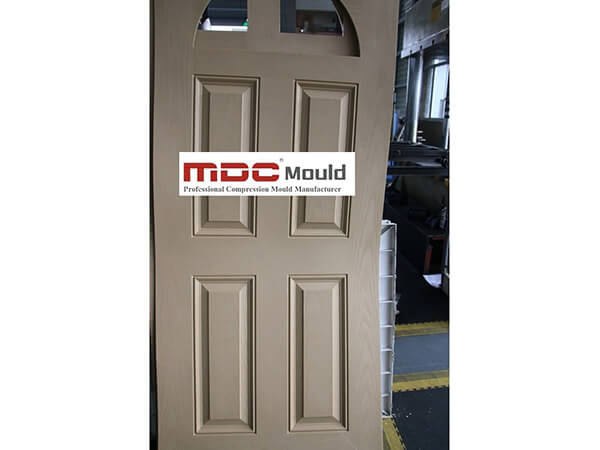
Versatility in Design: SMC Door Skin Mould and SMC Door Mould by MDC provide unparalleled flexibility in design. The molding process allows for intricate detailing, sharp lines, and complex patterns that may be challenging to achieve with wood. This versatility opens up a world of creative possibilities for architects and designers.

Consistency and Precision: Composite moulding ensures consistency in production, eliminating the natural variations found in wood. MDC Mould’s advanced manufacturing processes guarantee precise replication of designs, resulting in uniform and high-quality trims for every door.

Weather Resistance: Wood trim is susceptible to damage from exposure to the elements. In contrast, SMC Door Skin Mould and SMC Door Mould are engineered to resist UV rays, temperature fluctuations, and moisture, making them ideal for both indoor and outdoor applications.

Environmental Sustainability: MDC Mould is committed to environmentally friendly practices. The use of composite materials in SMC Door Skin Mould and SMC Door Mould reduces dependence on traditional wood sources, contributing to sustainable manufacturing practices.

Ease of Maintenance: Composite moulding requires minimal maintenance compared to wood. The non-porous surface of SMC makes it resistant to stains and easy to clean, ensuring a lasting aesthetic appeal with minimal effort.

SMC Door Mould

In the ongoing debate between traditional and modern materials, MDC Mould’s SMC Door Skin Mould and SMC Door Mould emerge as superior choices for door trim applications. The fusion of durability, design versatility, and environmental responsibility positions these products as benchmarks in the composite moulding industry. Embrace innovation, choose MDC Mould, and elevate your doors to a new standard of excellence.

High-Speed Milling Machines to Elevate SMC Mould Production

These state-of-the-art machines, boasting an impressive bed size, mark a substantial step forward in our mission to cater to the ever-growing needs of the composite industry.

MDC Mould, a trailblazing name in the field of manufacturing, development, and creation, is excited to announce a significant expansion of our production capabilities. In our unwavering commitment to delivering top-quality molds, we have made strategic investments in cutting-edge high-speed milling machines.

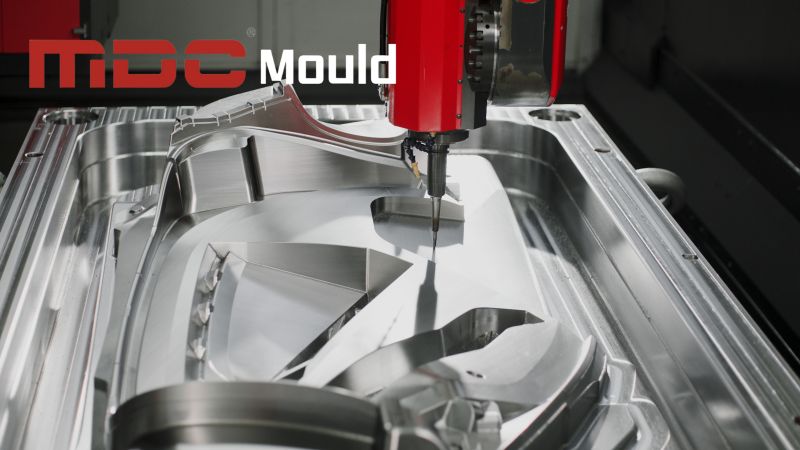
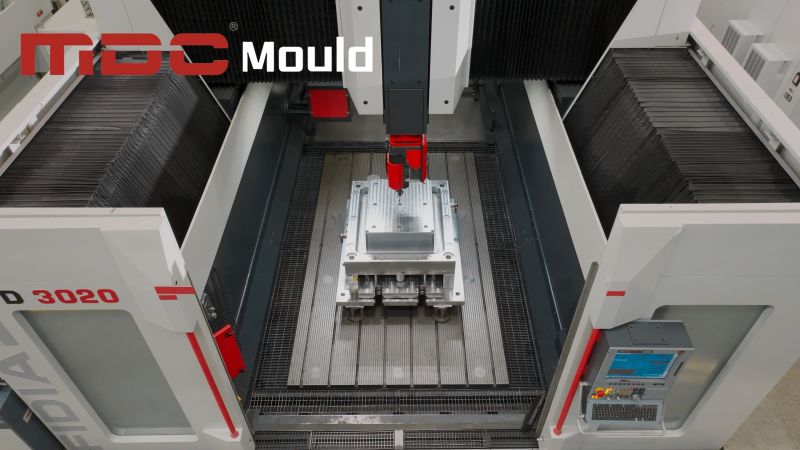
high speed milling

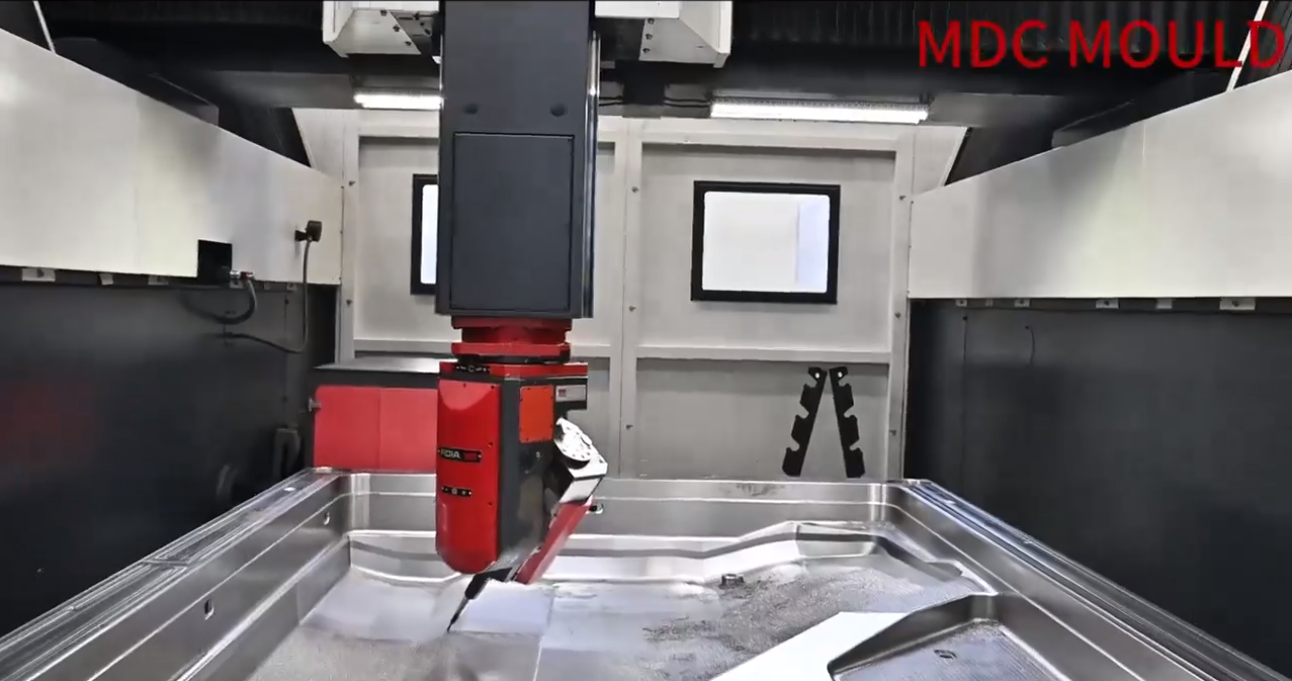
These state-of-the-art machines, boasting an impressive bed size, mark a substantial step forward in our mission to cater to the ever-growing needs of the composite industry. With the ability to produce larger and more intricate tools, we are now even better equipped to meet the demands of our valued customers.

1. Unmatched Precision: The high-speed milling machine, equipped with advanced CNC technology, ensures unparalleled precision in crafting SMC moulds. This precision is essential in delivering flawless finished products.

2. Increased Productivity: With its high-speed capabilities, the machine significantly reduces production times, allowing for faster turnaround without compromising on quality.

3. Versatility: The large bed size of the milling machine accommodates a wide range of mould sizes and complexities, making it an ideal choice for diverse SMC moulding needs.

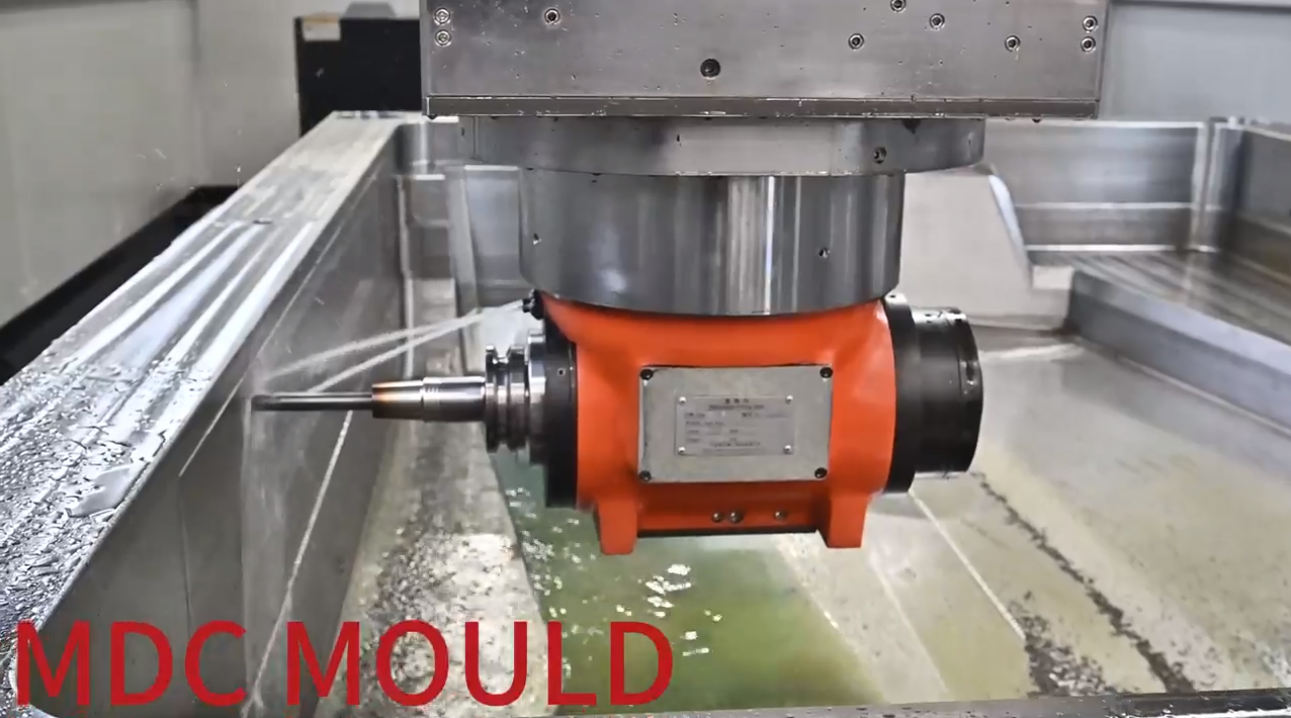
4. Improved Surface Finish: The machine’s high-speed spindle and cutting-edge tooling result in improved surface finish, which is crucial for SMC moulds that require high levels of detailing.

MDC Mould’s investment in this high-speed milling machine is a testament to the company’s unwavering commitment to providing top-tier solutions to its clients in various industries, including automotive, aerospace, and beyond. This innovative addition aligns seamlessly with MDC’s ethos of Manufacture, Development, and Creation, as it signifies a significant leap forward in the creation of advanced SMC moulds.

5 axes high speed milling

At MDC Mould, we take great pride in being a leader in compression mould production. Our continued dedication to excellence in craftsmanship and precision has driven us to invest in these advanced milling machines. This advancement empowers us to provide an even higher level of quality and efficiency in our mould production processes.

As we move forward, our promise remains unwavering: to offer the best service and provide professional SMC Mould that surpass industry standards. We are poised for a future of innovation and excellence, ensuring that our customers receive the finest solutions for their composite needs.

This investment in high-speed milling machines is a testament to our commitment to exceeding our customers’ expectations and solidifying MDC Mould’s reputation as a leading force in the manufacturing and development industry. We look forward to embarking on this new chapter and continuing to serve our valued clients with the utmost dedication and expertise.