Vacuum Assisted Resin Transfer Molding Process in Composite Structures

Explore the Vacuum Assisted Resin Transfer Molding (VARTM) process, its role in manufacturing advanced composite structures.

Vacuum Assisted Resin Transfer Molding (VARTM) has emerged as a leading technology in the field of composite molding. It provides an efficient and cost-effective method for fabricating high-performance composite structures across various industries.On this page

What is Vacuum Assisted Resin Transfer Molding (VARTM)?

The Vacuum Assisted Resin Transfer Molding process is an advanced closed-mold technique that uses vacuum pressure to draw resin into a fiber preform placed inside a mold. This method ensures thorough resin distribution, reduced void content, and superior fiber-to-resin bonding.

Process Overview

  1. Preparation of Fiber Preform: Dry fibers, fabrics, or stitched preforms are laid into the mold cavity.
  2. Sealing the Mold: A vacuum bag is applied to seal the mold system completely.
  3. Vacuum Application: Air is evacuated, creating negative pressure inside the cavity.
  4. Resin Infusion: Liquid resin is drawn into the preform by the vacuum, ensuring full impregnation.
  5. Curing: The infused part is cured at room temperature or under controlled heating conditions.
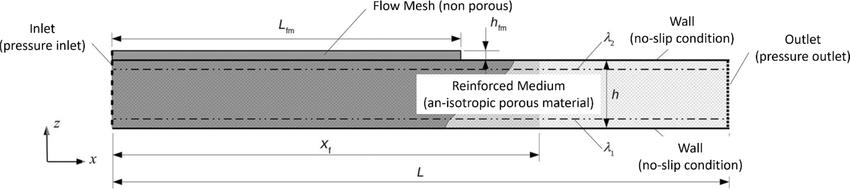
Computational domain and boundary conditions for the transient validation adapted from

Advantages of VARTM in Composite Molding

  • Cost-effectiveness: Lower tooling and equipment costs compared to autoclave curing.
  • Scalability: Suitable for both small-scale prototypes and large-scale composite structures.
  • High Fiber Volume Fraction: Delivers excellent strength-to-weight ratios.
  • Improved Quality: Reduced porosity and voids compared to open molding methods.
  • Environmental Benefits: Cleaner production process with reduced emissions.

Applications in Composite Structures

The vacuum assisted resin transfer molding process is widely applied across industries to create advanced composite structures:

  • Aerospace: Aircraft panels, fairings, and structural reinforcements.
  • Automotive: Lightweight body panels, structural frames, and EV battery enclosures.
  • Marine: Boat hulls, decks, and high-performance watercraft components.
  • Wind Energy: Large wind turbine blades requiring superior strength and durability.
  • Industrial: Pressure vessels, storage tanks, and corrosion-resistant infrastructure.
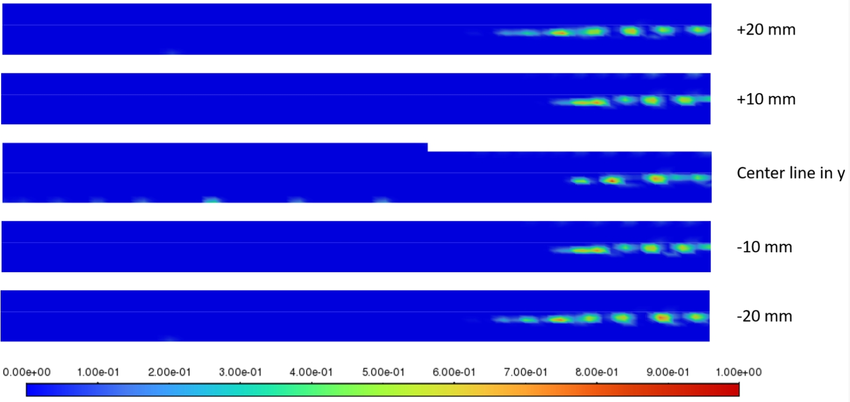
Resin volumetric fraction for five different ZX planes after 20s of injection time

Challenges and Considerations

Despite its advantages, VARTM has certain challenges:

  • Resin Flow Control: Achieving complete resin infusion in thick laminates can be difficult.
  • Process Consistency: Maintaining uniform quality across large-scale structures requires expertise.
  • Cure Time: Some resins require extended curing cycles, impacting productivity.

Future Trends in VARTM Technology

The future of composite molding through VARTM is marked by innovation:

  • Automation: Integration of sensors and AI-driven monitoring for real-time quality control.
  • Advanced Resins: Development of low-viscosity, fast-curing, and recyclable resins.
  • Hybrid Processes: Combination of VARTM with out-of-autoclave curing for superior performance.
  • Sustainability: Emphasis on bio-based resins and recyclable fiber reinforcements.

Conclusion

The vacuum assisted resin transfer molding process is transforming the way composite structures are designed and manufactured. As a versatile composite molding technique, VARTM offers a balance of cost efficiency, performance, and scalability. With continuous advancements, it is set to play a central role in the future of aerospace, automotive, marine, and industrial applications.

The Effect of Laser Cleaning on the Surface Quality of Compression Tooling Molds

Discover how laser cleaning improves the surface quality of compression tooling molds. Learn its effects on SMC molds, BMC molds, carbon fiber molds, and composite tooling, ensuring durability, precision, and sustainability.

Laser cleaning has emerged as a revolutionary technology for maintaining the surface quality of compression molds. This article explores its working principles, effects on tooling, and industrial applications across SMC moldsBMC molds, and composite molds.

Introduction

In high-precision industries, the surface quality of compression tooling molds directly impacts product performance and manufacturing efficiency. Over time, molds accumulate resin residues, release agents, carbon deposits, and oxides, leading to poor surface finishes and reduced part quality. Traditional methods such as chemical cleaning or sandblasting are either environmentally harmful or damaging to the mold surface.

By contrast, laser cleaning technology provides an eco-friendly, precise, and highly effective solution to restore mold integrity and prolong tool life.

Understanding Compression Tooling Molds

Compression molds are critical tools for shaping high-performance parts in industries such as automotive, aerospace, electronics, and consumer goods. These molds are commonly used with materials including:

  • SMC (Sheet Molding Compound)
  • BMC (Bulk Molding Compound)
  • GMT (Glass Mat Thermoplastic)
  • LFT (Long Fiber Thermoplastic)
  • Carbon fiber composites

The surface quality of these molds directly influences dimensional accuracy, demolding performance, and product aesthetics.

The Principle of Laser Cleaning

Laser cleaning uses high-intensity, short laser pulses to selectively remove contaminants without damaging the base mold material. The process is precise, non-contact, and environmentally friendly.

Key Benefits of Laser Cleaning

  • Micron-level precision for delicate tooling geometries
  • No abrasives or chemicals required
  • Preserves mold geometry and surface finish
  • Scalable and compatible with automation systems
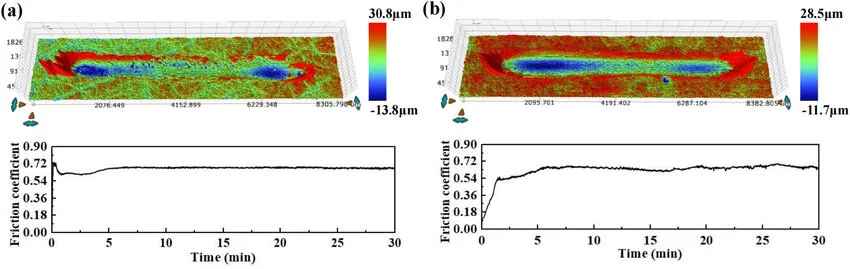
SEM-images-and-3D-surface-profiles-of-a-S8-b-S10-c-S13-d-S14

Effects on Surface Quality of Compression Tooling Molds

1. Improved Surface Cleanliness

Laser cleaning effectively removes contaminants like resin, carbon, and oxides, restoring the mold surface and ensuring defect-free molded parts.

2. Preservation of Mold Geometry

Unlike abrasive cleaning, laser cleaning maintains the integrity of fine details and critical dimensions in SMC and BMC molds.

3. Surface Roughness Control

Laser parameters can be tuned to maintain smooth finishes or introduce micro-textures, improving resin flow and demolding performance.

4. Longer Mold Service Life

Reducing aggressive cleaning minimizes micro-cracks and surface fatigue, extending mold longevity.

5. Consistent Production Quality

Laser cleaning supports high-volume manufacturing by ensuring stable and repeatable mold conditions, especially in automotive compression molding.

Laser Cleaning vs. Traditional Cleaning Methods

Cleaning MethodLimitationsLaser Cleaning Advantages
Chemical cleaningHazardous waste, potential corrosionEco-friendly, no chemicals required
Sandblasting / Abrasive cleaningSurface wear, geometry alterationNon-abrasive, preserves mold accuracy
Manual polishingLabor-intensive, inconsistentAutomated, repeatable, precise
Ultrasonic cleaningSize limitations, liquid handlingDry, scalable, suitable for large molds

Industrial Applications of Laser Cleaning

  • SMC and BMC molds: Automotive body panels, battery covers, and electrical housings
  • Carbon fiber compression molds: Aerospace structural parts and sports equipment
  • Rubber compression molds: High-precision rubber seals and gaskets
  • Composite molds: Lightweight parts in automotive and renewable energy industries

Future Outlook

The future of mold maintenance lies in the integration of laser cleaning with automation and Industry 4.0 technologies. Robotics, AI-driven parameter control, and real-time surface monitoring will further improve efficiency and consistency.

Friction-coefficient-evolution-during-tribological-testing-of-a-S0-and-b-S13-with

Conclusion

The effect of laser cleaning on the surface quality of compression tooling molds is profound. It ensures cleaner surfaces, longer mold life, consistent part quality, and environmental sustainability. For manufacturers using SMC molds, BMC molds, or carbon fiber molds, adopting laser cleaning is not only a technological upgrade but also a strategic move towards efficiency and sustainability.

Compression Molding Meets Insulation Boards

Learn how complete compression mold systems combined with high-performance insulation boards deliver structural stability, energy efficiency, and long-term durability for buildings, modular construction, automotive, and industrial applications.
Why pairing compression-molded composites with high-performance insulation boards sets a new benchmark in structural stability, energy efficiency, and lifecycle durability.On this page

1) What Is a Complete Compression Mold?

compression mold forms SMC, BMC, or FRP components under controlled heat and pressure. A complete compression mold system includes the tool, matched-metal dies, heating and cooling circuits, ejector mechanisms, and a validated process window (pressure–temperature–time) to achieve repeatable quality and short cycle times.

PrecisionDimensional tolerances down to ±0.2–0.5 mm (design dependent).

ThroughputOptimized cycle time via balanced thermal circuits and charge placement.

ConsistencyUniform pressure distribution minimizes porosity, warpage, and knit lines.

2) Insulation Boards: Types & Functional Roles

Insulation boards reduce heat transfer, stabilize temperatures, and enhance fire and acoustic performance when paired with molded composite skins or cores.

Board TypeCore BenefitsTypical Use with Molded PanelsNotes
PU (Polyurethane)High R-value per thickness; lightweightBuilding envelopes, modular wall/roof cassettesGood balance of cost and performance
XPS (Extruded Polystyrene)Low water uptake; strong compressive strengthFaçade panels, cold-chain enclosuresStable edges; easy machining
Phenolic FoamSuperior fire performance; low smokePublic buildings, transport interiorsHigh safety-critical environments
Mineral WoolNon-combustible; thermal + acousticFire-rated façades, industrial housingsExcellent sound dampening

Integration tip: When bonding insulation boards to compression-molded skins, select adhesives compatible with service temperatures and fire-rating targets (e.g., intumescent or low-smoke halogen-free chemistries).

3) Why the Combination Delivers Stability, Efficiency, and Durability

Stability

  • Structural integrity: Compression-molded skins provide high flexural and impact strength for panelized systems.
  • Thermal moderation: Insulation boards reduce thermal gradients and curb expansion-induced stress.
  • Dimensional control: Balanced laminate stacks and symmetric layups minimize warpage.

Efficiency

  • Factory throughput: Short, predictable molding cycles and modular panel assembly cut on-site time by 30–50%.
  • Energy savings: High R-values lower HVAC loads, reducing operating costs over the building lifecycle.
  • Design-to-manufacture: CAD/BOM standardization, BOM reuse, and jigs/fixtures improve repeatability and scale.

Durability

  • Environmental resistance: FRP skins resist corrosion, UV (with coatings), and chemicals.
  • Fire & moisture performance: Phenolic/mineral wool cores boost fire ratings; XPS limits water ingress.
  • Lifecycle longevity: Stable thermal envelope and robust skins reduce maintenance over decades.

4) High-Value Applications Across Industries

Modular Construction & Facades

  • Lightweight cassette panels with molded FRP skins and PU/XPS/phenolic cores.
  • Rapid on-site installation; consistent surface quality and weatherability.
  • Custom textures and colors via in-mold coatings (IMC) or gelcoats.

Automotive & Transport

  • EV battery covers, underbody shields, and HVAC housings with thermal and fire considerations.
  • Weight reduction improves range and fuel efficiency.
  • Acoustic damping via mineral wool cores in interior panels.

Electrical & Energy

  • Switchgear, inverter, and transformer enclosures with dielectric and fire requirements.
  • Insulated housings for renewable energy balance-of-plant components.

Aerospace & Industrial

  • Interior panels, bulkheads, and fairings with thermal/acoustic cores.
  • Offshore and corrosive environments benefit from FRP skins.
compression molding

5) Sustainability, Safety, and Compliance

  • Lower operational carbon: High thermal resistance trims HVAC energy use over the asset life.
  • Material efficiency: Net-shape molding reduces scrap; in-mold coatings eliminate multi-step finishing.
  • Fire & toxicity: Phenolic cores and halogen-free systems support stricter fire/smoke criteria.
  • End-of-life pathways: Mechanical recycling of FRP offcuts and thermal recovery options (policy-dependent).

6) Selection & Integration Guide

Design Checklist

  • Load cases: Wind/snow loads for façades; vibration/impact for transport; enclosure IP ratings for electrical.
  • Thermal envelope: Target U-value/R-value and local energy codes.
  • Fire performance: Specify test standards (e.g., reaction-to-fire, smoke development) required for occupancy type.
  • Durability: UV exposure class, chemical splash, salt spray, freeze–thaw cycles.

Process Recommendations

  • Charge strategy: Use pre-weighed SMC/BMC charges; optimize flow to avoid knit lines.
  • Thermal control: Segment mold channels; validate soak, cure, and cool-down for flatness.
  • Bonding & fastening: Surface prep (corona/abrade/solvent), adhesive selection (temperature, fire), and mechanical backup where needed.
  • QA/QC: Track SPC for thickness, fiber volume, void content; non-destructive testing for critical parts.

Pro tip: Combine in-mold coatings (IMC) for Class A surfaces with UV-stable topcoats on sun-exposed façades to maximize color retention and weathering.Request a tailored specification »

7) Frequently Asked Questions

Q1. How do I choose between PU, XPS, phenolic, and mineral wool?

PU/XPS for highest thermal efficiency and lightweight; phenolic where fire/smoke is critical; mineral wool for non-combustibility and acoustic control.

Q2. Can compression-molded skins achieve Class A finishes?

Yes—use IMC, optimized venting, and post-polish if needed. Tool surface quality and release systems are decisive.

Q3. What panel thickness is typical?

Common façade cassettes: 20–60 mm overall, depending on wind loads and U-value targets. Transport and enclosure panels vary by spec.

Get Specifications, Samples, or a Cost–Benefit Model

Need a bill of materials (BOM), sample set, or test plan for your application? Our engineering team can provide a project-specific laminate stack, insulation pairing, and processing window.

Contact Engineering

Metallography and Heat Treatment of Molds | Compression Molds & Composite Molds

Explore the importance of metallography and heat treatment in mold manufacturing. Learn how compression molds and composite molds benefit from advanced metallographic analysis and heat treatment processes for durability, performance, and efficiency.

Metallography and heat treatment are essential for ensuring the quality, durability, and performance of molds in advanced manufacturing. In particular, compression molds and composite molds rely heavily on precise metallographic analysis and optimized heat treatment processes to withstand harsh working conditions while maintaining dimensional accuracy.

1. Introduction to Metallography and Heat Treatment of Molds

Metallography examines the microstructure of mold materials, while heat treatment enhances mechanical properties such as hardness, toughness, and dimensional stability. Both are indispensable for mold manufacturing and directly impact production efficiency and product quality.

For industries such as automotive, aerospace, and electronics, where compression molds and composite molds are widely applied, combining metallography with effective heat treatment is critical for reducing maintenance costs and extending mold lifespan.

2. The Role of Metallography in Mold Manufacturing

2.1 Key Benefits of Metallography

  • Microstructure Analysis: Identifies grain size, carbide distribution, and phases that affect toughness and wear resistance.
  • Defect Detection: Locates inclusions, porosity, and cracks that can weaken compression molds and composite molds.
  • Material Verification: Confirms whether steels and alloys meet technical standards for mold applications.

2.2 Application in Compression and Composite Molds

Metallography ensures that compression molds possess uniform grain structures to endure repeated pressurization, while composite molds benefit from microstructural verification that guarantees corrosion and thermal fatigue resistance.

compression molds

3. Heat Treatment for Molds

3.1 Objectives of Heat Treatment

Heat treatment enhances mold material properties, aiming to:

  • Increase hardness and wear resistance.
  • Improve toughness and prevent brittle fractures.
  • Ensure dimensional stability during thermal cycling.
  • Boost fatigue resistance for extended service life.

3.2 Techniques Commonly Used

  • Quenching and Tempering: Produces martensitic structures suitable for steels in compression molds.
  • Nitriding: Creates a hard surface layer, ideal for composite molds exposed to abrasive fillers.
  • Vacuum Heat Treatment: Prevents oxidation, crucial for precision composite mold manufacturing.
  • Cryogenic Treatment: Enhances dimensional stability by transforming retained austenite.

4. Metallography and Heat Treatment in Compression Molds

Compression molds are widely used for thermoset and thermoplastic composite components. Metallography ensures material uniformity, while heat treatment improves toughness and wear resistance. The combination extends mold lifespan, reduces downtime, and enhances product consistency.

5. Metallography and Heat Treatment in Composite Molds

Composite molds must withstand high curing temperatures and chemical reactions from resin systems. Metallographic analysis verifies corrosion resistance, while vacuum and nitriding heat treatments enhance dimensional accuracy and long-term durability.

Industries such as aerospace and automotive increasingly rely on composite molds optimized through advanced metallography and heat treatment, ensuring reliable and lightweight component production.

6. Industry Applications and Case Examples

  • Automotive: Compression molds for producing body panels and interior composites with high wear resistance.
  • Aerospace: Composite molds for lightweight carbon fiber structures requiring high thermal stability.
  • Electronics: Precision molds for encapsulating components, benefiting from nitriding and cryogenic treatments.

7. Future Trends in Metallography and Heat Treatment of Molds

  • Development of advanced tool steels and alloys via powder metallurgy for higher wear resistance.
  • AI-assisted metallographic analysis for faster quality control.
  • Eco-friendly heat treatment techniques such as plasma nitriding.
  • Integration of smart monitoring systems for real-time quality assurance.

Conclusion

Metallography and heat treatment of molds are critical for producing reliable compression molds and composite molds. By integrating microstructural analysis with optimized thermal processes, manufacturers can extend mold life, ensure precision, and achieve higher cost efficiency. In today’s competitive landscape, these technologies provide a strong foundation for innovation in mold manufacturing and advanced material applications.

Can Fiberglass Products Cause Skin Irritation or Injury?

Learn whether fiberglass products can cause skin irritation or injury. Explore the science of fiberglass composites, health effects, safe handling practices, and industry applications.

Fiberglass, also known as glass fiber, is a critical material in composite manufacturing. This article explores whether fiberglass products can harm people, potential health risks, and best practices for safe handling.

What Is Fiberglass?

Fiberglass is produced by drawing molten glass into thin filaments (typically 5–25 micrometers in diameter). These filaments are woven, chopped, or combined with resin to create fiber-reinforced composites (FRP). Thanks to its lightweight, high strength, corrosion resistance, and affordability, fiberglass is widely used across industries.

Common Applications

  • Construction: insulation, roofing, pipes, and water tanks.
  • Transportation: boats, car panels, truck fairings.
  • Energy: wind turbine blades, pipelines, storage vessels.
  • Consumer Goods: sports gear, helmets, ladders, storage boxes.
fiber

Can Fiberglass Products Cause Injury?

Fiberglass is not as dangerous as many believe, but exposure can cause temporary discomfort. Key health effects include:

1. Skin Irritation

Fiberglass filaments are brittle and can break into microscopic fragments that may lodge in the outer skin layer. This can cause itching, redness, or prickling, but usually does not result in deep punctures.

2. Respiratory Irritation

Machining processes (cutting, sanding) can release airborne fibers. Larger fibers cause throat irritation, while smaller respirable fibers may lead to coughing. Modern fiberglass types like E-glass and S-glass are classified as non-carcinogenic.

3. Eye and Mucous Membrane Discomfort

Dust exposure can irritate the eyes, leading to burning, tearing, or redness. Contact lenses may worsen the discomfort.

4. Long-Term Health Risks

Unlike asbestos, fiberglass is biosoluble, meaning fibers gradually dissolve and leave the body. Research shows that long-term occupational exposure does not significantly increase cancer risks if safety standards are followed.

Factors Affecting Safety

  • Surface Finish: Smooth, resin-coated products are safe to handle, while raw mats and chopped strands may shed fibers.
  • Fiber Size: Small fractured fibers (<10 μm) cause most irritation.
  • Work Environment: Poor ventilation during cutting or sanding increases risk.

Best Practices for Safe Handling of Fiberglass

  • Personal Protective Equipment (PPE): Gloves, long sleeves, goggles, and respirators.
  • Engineering Controls: Use dust extraction and wet cutting techniques.
  • Hygiene: Wash skin with cold water first, then soap; avoid rubbing. Wash work clothes separately.
  • Product Design: Use sealed, coated, or resin-rich composites to reduce fiber release.

Myths vs. Reality

  • Myth: Fiberglass splinters stab the skin like glass shards.
    Reality: Fibers are flexible and brittle, causing surface irritation rather than deep wounds.
  • Myth: Fiberglass is as hazardous as asbestos.
    Reality: Fiberglass dissolves in lung fluids and is not classified as carcinogenic when proper handling is observed.

Future Development Trends

  • Smart composites: Embedded sensors for real-time monitoring.
  • Eco-friendly solutions: Recyclable fiberglass composites with green resins.
  • Hybrid materials: Combining fiberglass with carbon, basalt, or natural fibers.
  • Automation: Robotic handling to reduce worker exposure.

Conclusion

Fiberglass products are safe for industrial and consumer use when manufactured and handled correctly. While raw or machined fiberglass may cause temporary irritation, finished products are typically harmless. With proper PPE, ventilation, and hygiene, risks can be minimized.

As composite technology advances, fiberglass will remain one of the most versatile, safe, and sustainable materials across industries—from construction and energy to transportation and consumer goods.

Frequently Asked Questions (FAQ)

Does fiberglass cause permanent damage to skin?

No. Fiberglass fibers cause temporary irritation but rarely penetrate deep enough to cause lasting harm.

Is fiberglass dust dangerous to inhale?

Short-term exposure causes irritation, but modern fiberglass is biosoluble and does not persist like asbestos. Always use protective masks when cutting or sanding.

Are finished fiberglass products safe to touch?

Yes. Resin-coated and polished fiberglass composites are safe for everyday handling and use.

Composite Materials in Hydropower Dam Construction: Applications & Benefits

Explore how advanced composite materials like GFRP, CFRP, and BFRP are revolutionizing hydropower dam construction. Learn about their applications in structural reinforcement, erosion control, and more.

The construction of large-scale hydropower stations represents a monumental engineering challenge. These projects demand materials that can withstand extreme forces, constant exposure to water, and harsh environmental conditions. While traditional materials like steel and concrete have long been the backbone of these projects, the integration of advanced composite materials has introduced a new era of innovation, offering superior performance in specific applications.

With their high strength-to-weight ratio, exceptional corrosion and fatigue resistance, and remarkable design flexibility, composites are increasingly supplementing or even replacing conventional materials in critical components. This article provides a comprehensive overview of the most common composite materials used in hydropower dam construction, detailing their unique properties and key applications, from structural reinforcement to erosion protection.

Glass Fiber Reinforced Polymer (GFRP): Versatile & Cost-Effective

GFRP, often referred to as fiberglass, is one of the most widely used composite materials in hydro-engineering due to its favorable cost-to-performance ratio. Its excellent corrosion resistance, low weight, and insulating properties make it an ideal choice for a variety of non-primary structural components and protective systems.

  • Pressure Pipes & Penstock Linings: GFRP pipes are an excellent alternative to traditional steel pipes, particularly for small to medium diameters. They are lightweight, making installation easier, and their smooth inner surface reduces friction, improving hydraulic efficiency.
  • Accessways, Walkways, & Grates: GFRP gratings and floor panels are widely used in maintenance corridors and walkways. They are lightweight, non-corrosive, non-conductive, and offer superior slip resistance, making them perfect for the perpetually wet environments of hydropower facilities.
  • Cable Trays & Conduits: The excellent electrical insulation and corrosion resistance of GFRP make it the material of choice for cable trays and protective conduits, ensuring the safety and longevity of electrical systems.
  • Trash Racks: Replacing metal bars in trash racks with GFRP can significantly reduce weight and minimize the maintenance associated with rust and corrosion.

Carbon Fiber Reinforced Polymer (CFRP): The Gold Standard for Structural Reinforcement

CFRP is a high-performance composite known for its extremely high specific strength and stiffness. Its primary application in hydropower is in the structural strengthening and repair of aging infrastructure.

  • Dam & Structure Reinforcement: CFRP is a game-changer for extending the service life of concrete structures. Carbon fiber sheets or plates can be bonded to dams (gravity dams, arch dams), powerhouse structures, spillway piers, and tunnel linings to enhance their load-bearing capacity and repair cracks.
  • High-Performance Components: In high-head, high-speed turbines, CFRP can be used to manufacture or repair critical areas of turbine blades, offering exceptional strength and rigidity while reducing weight.
  • Sensor Encapsulation: CFRP is used to encapsulate and protect sensitive sensors, such as fiber Bragg grating sensors, that are embedded within concrete structures for long-term monitoring.

Aramid Fiber Reinforced Polymer (AFRP): Engineered for Impact & Protection

AFRP, a composite made from aramid fibers like Kevlar, is valued for its extraordinary toughness and impact resistance. Its role is crucial for safety and protection, particularly in manufacturing protective panels.

  • Protective Armor Panels: The primary use of AFRP is in manufacturing protective panels to shield critical equipment and personnel from flying debris, such as in generator halls or control rooms.

Ultra-High Molecular Weight Polyethylene (UHMWPE) Composites: The Ultimate in Abrasion Resistance

UHMWPE is a unique material with a remarkably low coefficient of friction and exceptional resistance to abrasion, making it indispensable in areas of hydropower stations subjected to high-velocity, sediment-laden water.

  • Abrasion-Resistant Linings: UHMWPE liners are installed in draft tubes, spillways, and sluiceways where sediment scour is a major issue. Its abrasion resistance is several times greater than that of steel.
  • Bearings & Slides: Its self-lubricating properties and wear resistance make UHMWPE an excellent material for gate slides and other mechanical components that require low-friction bearings.

Basalt Fiber Reinforced Polymer (BFRP): A Promising, Sustainable Alternative

BFRP is emerging as a strong contender in the composite market, offering properties that bridge the gap between GFRP and CFRP. Made from a widely available natural resource, basalt rock, it presents a more sustainable and often more cost-effective option.

  • Reinforcement Bars (BFRP Rebar): BFRP rebar is an ideal substitute for steel rebar in concrete structures exposed to corrosive environments, completely eliminating the risk of rebar corrosion.

Engineering Ceramic Composites & Coatings: The Front Line of Erosion Protection

Cavitation and abrasion are two of the most destructive forces acting on turbine components. Ceramic matrix composites and ceramic coatings provide an extremely hard and durable surface to combat this wear.

  • Anti-Erosion & Anti-Cavitation Coatings: These coatings are crucial for protecting turbine runner blades, wicket gates, and spillway floors. Common materials include tungsten carbide (WC) and chromium carbide (Cr₃C₂).
Hydropower Dam

Summary & Future Trends in Hydro-Engineering

The application of composite materials in hydropower is a testament to the industry’s commitment to durability, efficiency, and long-term sustainability. The strategic use of materials like GFRP for non-structural parts, CFRP for critical structural repairs, and UHMWPE for high-wear areas ensures the longevity and resilience of these massive projects.

As composite technology continues to advance and costs decrease, their role in the construction, maintenance, and operation of hydropower stations will only become more extensive. The introduction of these materials, as exemplified in projects like the Yarlung Tsangpo Hydropower Station‌, underscores a forward-thinking approach to building the next generation of resilient and efficient energy infrastructure.

Why Carbon Fiber Is the Future of Sports Equipment

Learn the benefits, applications, and how MDC Mould supports high-performance manufacturing through advanced compression tooling and composite mold solutions.

Introduction: Why the Sports Industry Loves Carbon Fiber

From Olympic cycling to high-speed archery, carbon fiber has become the material of choice for performance-driven sports equipment. Known for its light weight, high strength, and fatigue resistance, carbon fiber is transforming how athletes train, compete, and win.

At MDC Mould, we support this revolution by supplying high-precision carbon fiber moldscompression molds, and composite tooling to leading manufacturers of sports equipment in China and abroad.

What Makes Carbon Fiber Special?

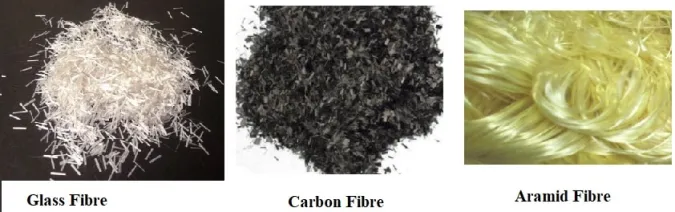
Carbon fiber is a composite material made by reinforcing carbon filaments into fabric and infusing it with resin. This structure results in a product that is:

  • 75% lighter than steel but up to 12 times stronger
  • Highly resistant to fatigue, corrosion, and impact
  • Customizable in stiffness, thickness, and layering direction

These properties make carbon fiber ideal for crafting sports equipment where every gram and every vibration matters.

Top Applications in Sports

  • Carbon Fiber Bicycles: Frames as light as 1.15 kg reduce rider fatigue and increase aerodynamic efficiency. Used in Olympic-level competitions.
  • Carbon Fiber Archery Bows: Recurve limbs deliver faster arrow speeds and reduced hand shock, enhancing accuracy and comfort.
  • Tennis Rackets: Improve swing control and reduce joint strain thanks to excellent vibration dampening.
  • Rowing Shells & Poles: Carbon builds offer lower water drag and higher stroke efficiency in competitive rowing.
碳纤维自行车架

Why Manufacturers Trust MDC for Carbon Fiber Tooling

Zhejiang MDC Mould Co., Ltd. specializes in designing and manufacturing SMC/BMC/GMT/Carbon Fiber compression molds tailored for sports equipment production.

We integrate simulation, CNC machining, and vacuum systems into every mold to ensure flawless surface quality, tight tolerances, and reliable demolding—key factors for high-performance carbon fiber parts.

The Market is Growing

According to industry forecasts, the global market for carbon fiber sports equipment is expected to grow at a CAGR of 12% over the next five years. As lightweight performance becomes a standard expectation, the demand for composite molds and compression tooling is also rising.

Whether it’s for professional athletes or consumer-grade equipment, precision-molded carbon fiber parts are becoming the benchmark of quality in modern sports manufacturing.

Challenges and MDC’s Solutions

While carbon fiber offers many benefits, it also comes with production challenges:

  • High processing temperatures and precise pressure control are required during molding
  • Complex shapes demand accurate mold design with proper draft and fiber orientation
  • Demolding can be difficult if molds are not polished and vented correctly

With decades of experience, MDC provides engineered mold solutions that address these issues, offering:

  • Mirror-polished cavities for easier demolding
  • Vacuum-assist systems for improved fiber compaction
  • Temperature-uniform channels to ensure even curing

Conclusion: Lightweight Innovation Starts with the Right Mold

As carbon fiber continues to redefine the limits of sports equipment, manufacturers need trusted partners who can deliver molds with precision, durability, and performance in mind. MDC Mould is proud to be part of this transformation—helping brands bring cutting-edge gear to athletes around the world.

If you’re developing carbon fiber sports products, contact us today to learn how our composite mold and carbon fiber tooling expertise can elevate your next product line.

What is Compression Mold?

Learn what a compression mold is, how the compression molding process works, and why it is widely used for SMC, BMC, and composite parts manufacturing.

Introduction

compression mold is a specialized tool used in the compression molding process, a widely adopted manufacturing method for forming composite parts. It involves placing a preheated material, such as SMC (Sheet Molding Compound)BMC (Bulk Molding Compound), or other thermoset materials, into a heated mold cavity, then applying pressure to shape and cure the material.

Compression molds are essential in industries such as automotive, electrical, construction, and aerospace, where lightweight, high-strength, and heat-resistant components are needed.

Structure of a Compression Mold

A typical compression mold includes two main halves: the cavity and the core. It may also include:

  • Heating systems – to maintain the required temperature for curing
  • Guide pins and bushings – for accurate mold alignment
  • Ejection mechanisms – to release the molded part after curing
  • Vacuum systems – for gas removal and surface quality improvement

Depending on the application, compression molds can be made from hardened steel, aluminum, or other high-strength alloys. Surface treatments like chrome plating may be applied to improve mold longevity and part release.

compression mold SMC Engine hood Mold

Compression Molding Process

The compression molding process typically follows these steps:

  1. Material Loading: The composite material is loaded into the open mold cavity.
  2. Preheating: The material may be preheated to reduce cycle time and improve flow.
  3. Compression: The mold is closed and pressure is applied using a hydraulic press.
  4. Curing: Heat and pressure are maintained until the material is fully cured.
  5. Demolding: The press opens and the finished part is ejected.

This process is suitable for high-volume production of components with intricate geometries and excellent mechanical properties.

Applications of Compression Mold

Compression molds are used to manufacture various thermoset and composite parts, including:

  • Automotive parts: EV battery enclosures, trunk lids, bumpers, and engine splash shields
  • Electrical housings: Insulators, switchgear, and fuse boxes
  • Construction materials: SMC ceilings, wall panels, water tanks
  • Sanitary products: SMC bathroom panels and bathtubs

Thanks to their strength-to-weight ratio, compression-molded parts are replacing metal and thermoplastic components in many structural and semi-structural applications.

Advantages of Compression Molding

Using a compression mold offers several benefits:

  • High strength and durability – especially with fiber-reinforced composites
  • Lower tooling cost compared to injection molding
  • Reduced material waste and scrap
  • Excellent surface finish for Class-A automotive parts
  • Compatibility with large, complex shapes

For manufacturers seeking reliable and repeatable performance, compression molding with precision molds remains a top choice.

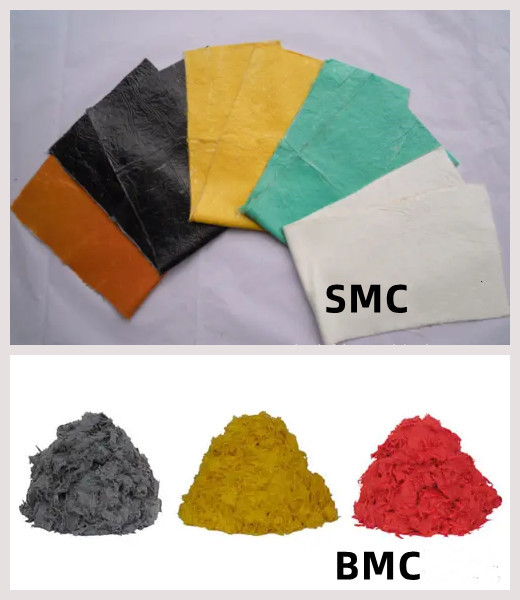
SMC Mold vs. BMC Mold

Both SMC molds and BMC molds are used in compression molding, but they differ slightly:

  • SMC Mold: Designed for sheet-like materials; suitable for larger structural parts
  • BMC Mold: Suited for dough-like bulk materials; ideal for smaller or more detailed parts

Choosing the right mold depends on the geometry, performance, and surface requirements of the final part.

smc vs bmc

Conclusion

compression mold is an integral part of the composite molding industry. From automotive components to building materials, its role in shaping and curing high-performance parts makes it indispensable. With advancements in material science and precision tooling, compression molding continues to evolve and serve as a key process in modern manufacturing.

For companies looking to invest in SMC moldsBMC molds, or custom compression tooling, working with an experienced mold manufacturer is essential to ensure durability, precision, and production efficiency.

Everything About 3D Printed Forged Carbon Fiber Mold

Explore process steps, material benefits, design considerations, cost advantages, and when to choose 3D printing for composite tooling.

Table of Contents

Introduction to 3D Printed Forged Carbon Fiber Molds

Forged carbon fiber combines short carbon fibers with resin in a random orientation, resulting in high strength, lightweight properties, and superior impact resistance. Traditionally, molds for forged carbon fiber components required CNC machining from aluminum or steel, which is expensive and time-consuming.

Today, 3D printing technology (additive manufacturing) is transforming composite tooling by enabling rapid prototyping, cost-efficient short runs, and complex geometries that were previously challenging to produce.

Why Choose 3D Printing for Forged Carbon Fiber Molds?

  • Faster Tooling: Reduce lead time from weeks to days.
  • Cost Efficiency: Lower upfront investment compared to CNC-machined metal molds.
  • Complex Designs: Create internal cooling channels, lattice structures, or integrated features.
  • Customization: Perfect for low-volume or custom composite parts.

Manufacturing Process Overview

  1. CAD Design: Design mold geometry with allowances for shrinkage and draft angles.
  2. 3D Printing: Print the mold using high-temperature resin or metal powder.
  3. Post-Processing: Surface finishing, heat treatment, or coating for durability.
  4. Forged Carbon Fiber Layup: Place pre-mixed carbon fiber and resin inside the mold cavity.
  5. Compression Molding: Apply heat and pressure for curing.

Design & Technical Considerations

  • Heat Resistance: Ensure mold material withstands curing temperature (150–180°C typical for thermoset composites).
  • Surface Finish: Apply a smooth coating to avoid fiber imprint and improve release.
  • Structural Strength: Analyze pressure tolerance for compression molding (30–100 bar).
  • Integration: Add channels for heating/cooling where necessary.

Materials & Printing Technologies

Common solutions for 3D printed composite molds include:

  • High-Temp Resin (SLA/DLP): For short-run molds and prototyping.
  • Metal Additive Manufacturing: Steel or Inconel for long-term durability.
  • PEEK/PEKK: High-performance thermoplastics for moderate production runs.
carbon fiber

Cost & Time Comparison

MethodLead TimeApprox. CostBest For
3D Printed Mold3–7 days$1,000–$5,000Prototypes, low-volume
CNC Aluminum Mold3–4 weeks$5,000–$15,000Medium-volume
Steel Mold6–8 weeks$20,000+High-volume production

Applications & Use Cases

  • Automotive interior and structural components
  • Lightweight aerospace parts
  • Sporting goods and high-end consumer products
  • Custom tooling for composite prototyping

Looking for 3D printed forged carbon fiber mold solutions? Contact us today for a free consultation.

FAQ

What is forged carbon fiber?

Forged carbon fiber uses short chopped fibers mixed with resin, offering high strength and lightweight properties without the complex layup of continuous fiber composites.

Can 3D printed molds handle high temperatures?

Yes, when using high-temperature resins or metal additive manufacturing, molds can withstand up to 180°C or more for thermoset composites.

When should I choose 3D printing over CNC machining?

Choose 3D printing for rapid prototypes, complex geometries, and low-volume production where time and cost savings matter.

Compression Tooling for High-Performance Composite Molding

Explore MDC Mould’s full-service compression tooling solutions for SMC, BMC, GMT, and carbon fiber composites. From design to sampling, we deliver precision molds for high-performance applications.

At Zhejiang MDC Mould Co., Ltd., we specialize in the design and manufacturing of advanced compression tooling for a wide range of composite materials, including SMCBMCGMT, and carbon fiber. With decades of experience in composite mold development, MDC provides turnkey tooling solutions that meet the most stringent demands of the automotive, electrical, sanitaryware, and construction industries.

What Is Compression Tooling?

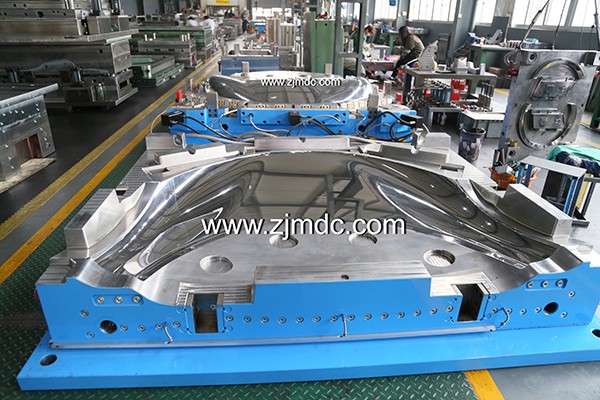
Compression tooling refers to precision-engineered molds used in the compression molding process to form thermoset composite materials under high temperature and pressure. These molds are typically made of hardened tool steel and comprise an upper and lower cavity. During production, the composite material—such as Sheet Molding Compound (SMC) or Bulk Molding Compound (BMC)—is placed into the mold cavity and pressed into shape.

The efficiency, accuracy, and durability of the tooling directly impact the final product’s quality, mechanical performance, and production cost. That’s why selecting the right compression tooling partner is critical.

Our Expertise in Compression Tooling

MDC Mould is a trusted name in the global composite molding industry, delivering high-precision compression tools for:

  • Automotive parts (EV battery enclosures, trunk boards, splash shields)
  • Electrical enclosures and battery covers
  • SMC water tanks and bathroom components
  • High-strength GMT structural panels
  • Carbon fiber performance parts

With in-house capabilities covering tool design, 3D modeling, mold flow analysis, CNC machining, mold assembly, and mold tryout, we control every stage of the tooling lifecycle.

Compression Tooling Process at MDC

Our standard compression tooling process includes:

  1. Product Analysis: We begin by analyzing customer part geometry, material flow, and expected tolerances.
  2. Tool Design: Using advanced CAD/CAM software, our engineers design the mold to meet performance and durability goals.
  3. Tool Steel Selection: We use high-grade P20, H13, 718H, or other steels based on required hardness, thermal conductivity, and wear resistance.
  4. CNC Machining: Precision machining is performed in-house using 3-axis, 4-axis, and 5-axis CNC systems for maximum accuracy.
  5. Polishing & Surface Treatment: Polished or textured surfaces are applied according to the product design—chrome plating, Teflon coating, or mirror finishes available.
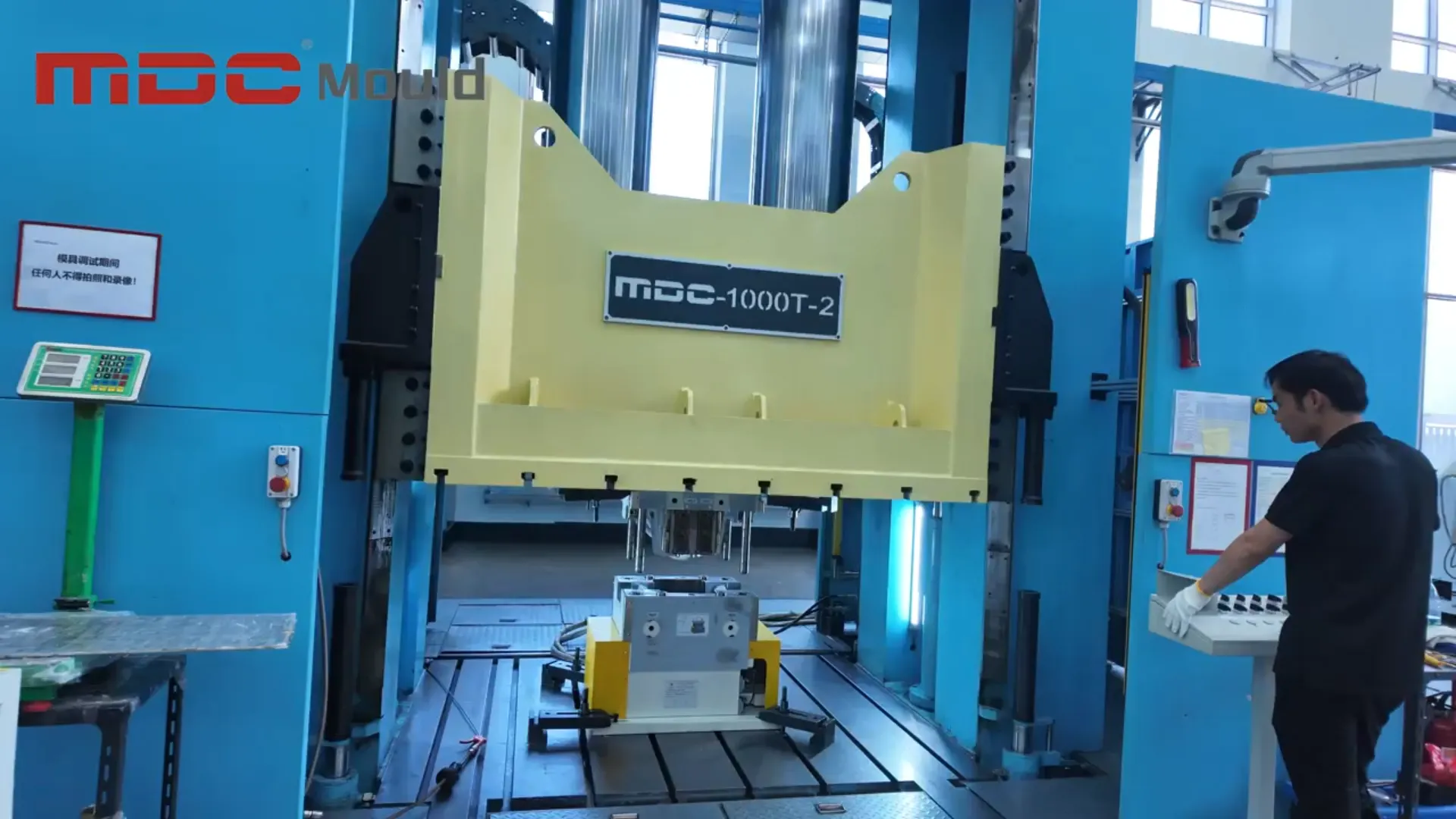
  6. Tryout & Sampling: We conduct complete mold tryouts with hydraulic press machines and provide test samples before delivery.
compression mould machine

Advantages of MDC Compression Tooling

  • High Precision: Tolerances controlled within ±0.05 mm ensure consistent product dimensions and fit.
  • Durability: Hardened tooling with optimized cooling systems increases mold life and production efficiency.
  • Versatility: Compatible with thermoset materials such as SMC, BMC, GMT, and carbon fiber preforms.
  • Customization: Fully customized mold cavities, lifters, ejector systems, and surface textures to suit each client’s product requirements.
  • Complete In-House Manufacturing: All stages—from design to polishing—are performed under one roof.

Applications of MDC Compression Molds

Our compression molds are used in a wide range of industries:

  • Automotive: SMC trunk lids, EV battery trays, fenders, hoods
  • Construction: GRP panels, water tanks, utility covers
  • Electrical: Circuit breaker enclosures, junction boxes
  • Sanitaryware: SMC bathroom walls, bathtubs, ceilings
  • Rail & Aerospace: Lightweight GMT/carbon fiber interior panels

Why Choose MDC for Compression Tooling?

As a full-service composite mold manufacturer, MDC Mould stands out with:

  • Over 20 years of experience in composite tooling and thermoset compression molds
  • A complete production line for mold making, sampling, and small-batch trial runs
  • Expertise in demolding solutions and complex part geometry
  • Strict quality inspection (CMM, hardness, roughness, mold function test)
  • Timely global delivery and responsive after-sales support

Whether you’re launching a new composite part or optimizing an existing mold, MDC Mould offers reliable compression tooling to support your success.

Contact Us

Looking for high-quality compression tooling for your composite product line? Contact Zhejiang MDC Mould Co., Ltd. today to discuss your project. Our experienced team is ready to deliver precision tools that meet your performance, timeline, and budget requirements.

Visit www.zjmdc.com or email us to get a free consultation and quotation.