Temperature Effects on Fatigue of Thermoset and Thermoplastic Composites

A professional analysis of how temperature influences the static and fatigue performance of thermoset and thermoplastic composites, and what it means for compression mold.

As industries push toward lightweight, high-efficiency, and long-duration structures, the mechanical performance of thermoset composites and thermoplastic composites under extreme environmental conditions has become a critical research topic. Applications in aerospaceautomotivenew energy, and industrial machinery demand composite materials that maintain high stiffness, strength, and fatigue resistance across large temperature variations.

In a recent study, researchers evaluated one commercial thermoset material and two high-performance thermoplastic composites in the temperature range of −30°C to +120°C. These conditions simulate real operating environments such as winter cold starts, under-hood temperatures in vehicles, and heating cycles found in industrial systems. The research provides new insights highly relevant to manufacturers of composite toolingcompression molds, and high-temperature composite components.

1. Static Mechanical Performance: Thermoset vs. Thermoplastic Composites

Tensile tests performed across the full temperature range reveal clear differences in the static behavior between thermoset and thermoplastic materials. The evaluated thermoset composite maintains a relatively stable modulus and tensile strength even as temperature approaches +120°C, confirming its suitability for high-temperature composite mold applications and structural components in automotive environments.

In contrast, the two thermoplastic composites exhibit more significant variations in stiffness and elongation. Their temperature-dependent viscoelastic behavior leads to reduced modulus at high temperatures but improved impact performance at low temperatures. This duality makes them ideal for parts manufactured through compression molding, especially components requiring energy absorption.
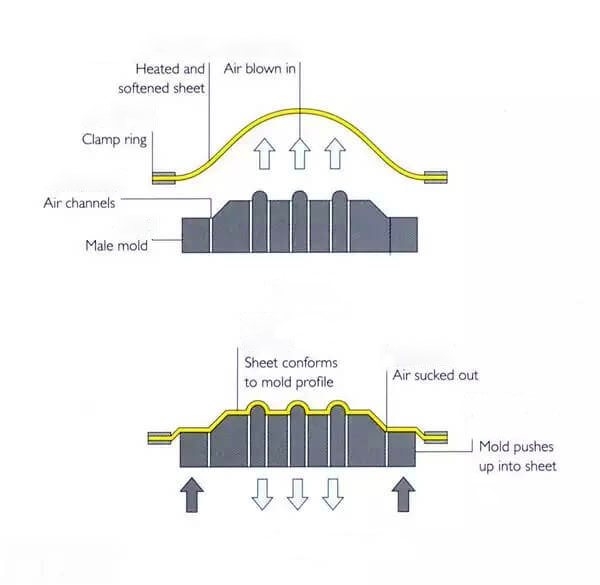
thermoforming

2. Fatigue Behavior Under Extreme Temperatures

The fatigue test results highlight temperature as a dominant factor in long-term structural reliability. At elevated temperatures, polymers undergo chain mobility changes and microstructural relaxation, accelerating fatigue damage. The thermoplastic materials show greater sensitivity to this effect, while the thermoset composite demonstrates superior high-temperature fatigue resistance due to its highly cross-linked network.

This is particularly important for manufacturers of compression-molded composite parts, including:

  • Automotive underbody protection systems
  • EV battery structural housings
  • Engine compartment covers
  • High-load brackets and cross-car beams
  • Industrial pump and motor components

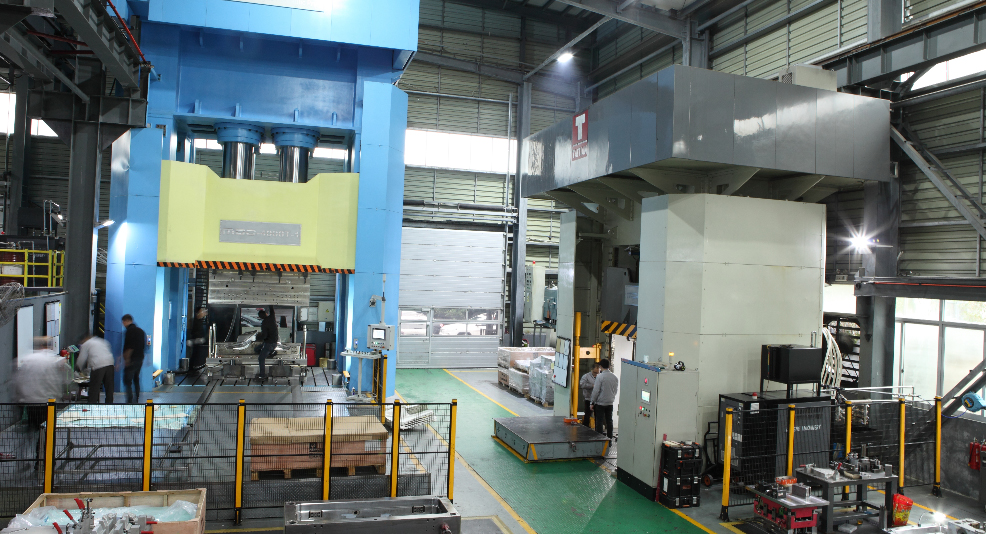
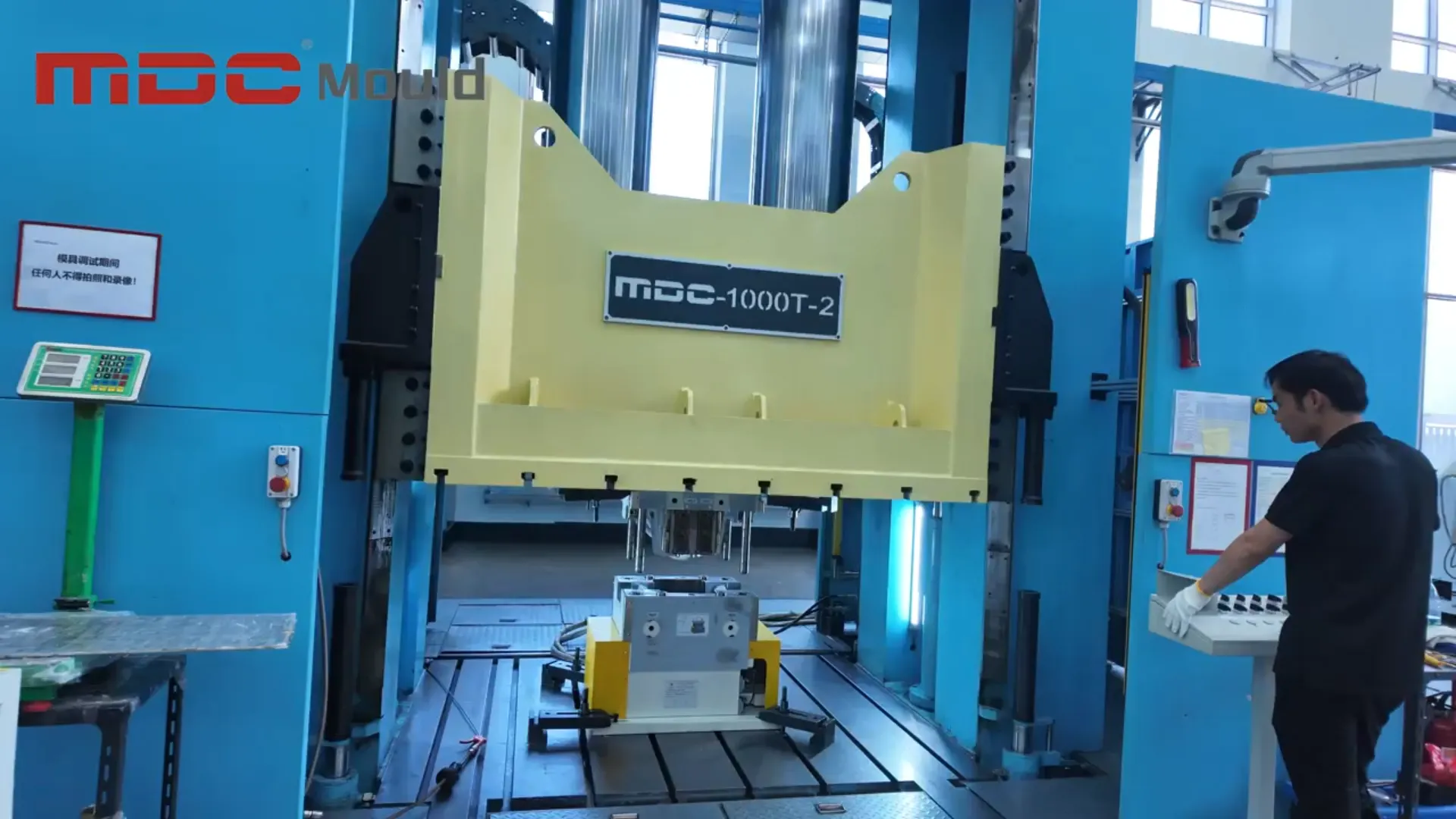
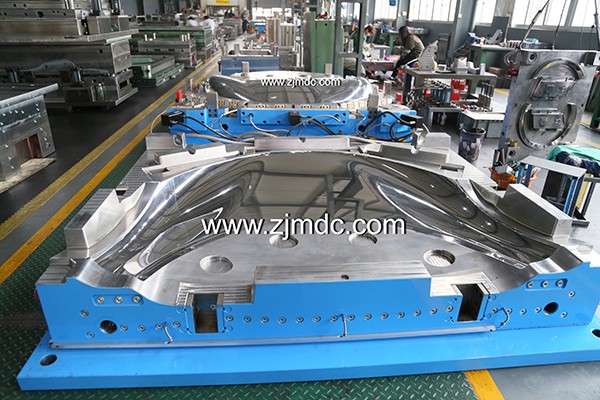
MDC’s expertise in SMC moldBMC moldcarbon fiber mold, and thermoplastic composite mold development ensures reliable processing for these demanding applications.

3. Implications for Composite Mold and Compression Molding Production

Understanding the temperature-dependent fatigue behavior is essential not only for material selection but also for designing advanced composite moulds and compression tooling. Mold temperature control, heating uniformity, and optimized venting must all be aligned with the specific thermal response of the material.

For example:

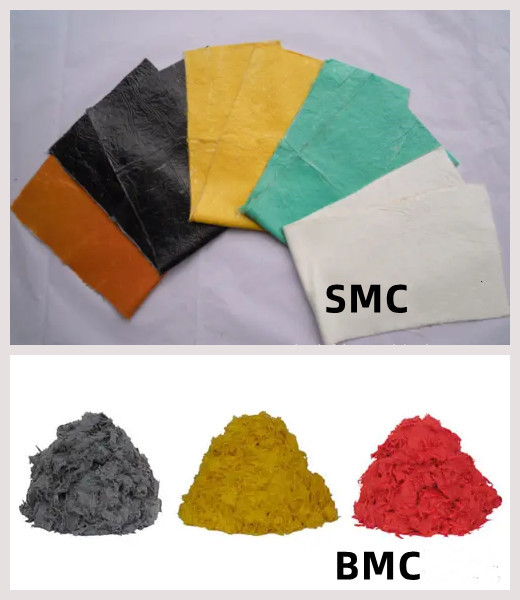
  • Thermoset composites (e.g., SMC, BMC) require precise temperature control (135–160°C) to ensure full curing.
  • Thermoplastic composites (e.g., LFT, CF-reinforced PP) need rapid heating & cooling cycles to maintain consistency.
  • Carbon-fiber hybrid composites demand stable mold rigidity and low thermal distortion for aerospace-grade accuracy.

These factors directly influence mold lifespan, cycle time, and part repeatability—areas where MDC Mould has extensive industrial experience.

4. Research Funding and Industrial Context

This study is partially funded by the Italian Ministry of Enterprises and Made in Italy (MIMIT) under the project: “New Generation of Modular Intelligent Oleo-dynamic Pumps with Axial Flux Electric Motors.” The research aligns strongly with global industry trends in improving thermal stability and mechanical reliability of composite components used in motors, pumps, automotive assemblies, and energy systems.

Conclusion

The investigation into the temperature-dependent fatigue performance of thermoset and thermoplastic composites provides critical insights for high-precision composite manufacturing. As the automotive and energy industries transition toward lightweight structures, the demand for temperature-resistant, high-fatigue-strength materials will continue to rise.

With advanced technical capability in SMC moldsBMC moldscarbon fiber moldsthermoplastic composite molds, and large-format composite toolingMDC Mould is positioned to support global customers developing next-generation high-performance composite parts.
High-Performance Composite Materials for Extreme Environments

Explore how advanced composite materials and precision tooling developed by MDC Mould enable reliable performance under extreme temperatures, pressures, corrosion, and radiation conditions.

As aerospace propulsion systems push their thrust-to-weight ratios beyond 15 and deep-sea exploration equipment advances toward operational depths of 11,000 meters, extreme environments have become the ultimate testing grounds for material technology. Temperatures exceeding 1500°C, pressures above 100 MPa, long-term corrosion, and high-radiation conditions demand materials that combine ultra-high stability with exceptional reliability.

In recent years, continuous innovation in SMC moldcompression mold design, fiber architecture, matrix systems, and precision tooling has driven high-performance composites from laboratory prototypes to large-scale engineering applications. These advancements are particularly aligned with MDC Mould’s long-term expertise in composite mold manufacturing and high-precision thermoforming processes.

1. Aerospace & Propulsion Systems: High-Temperature and High-Load Applications

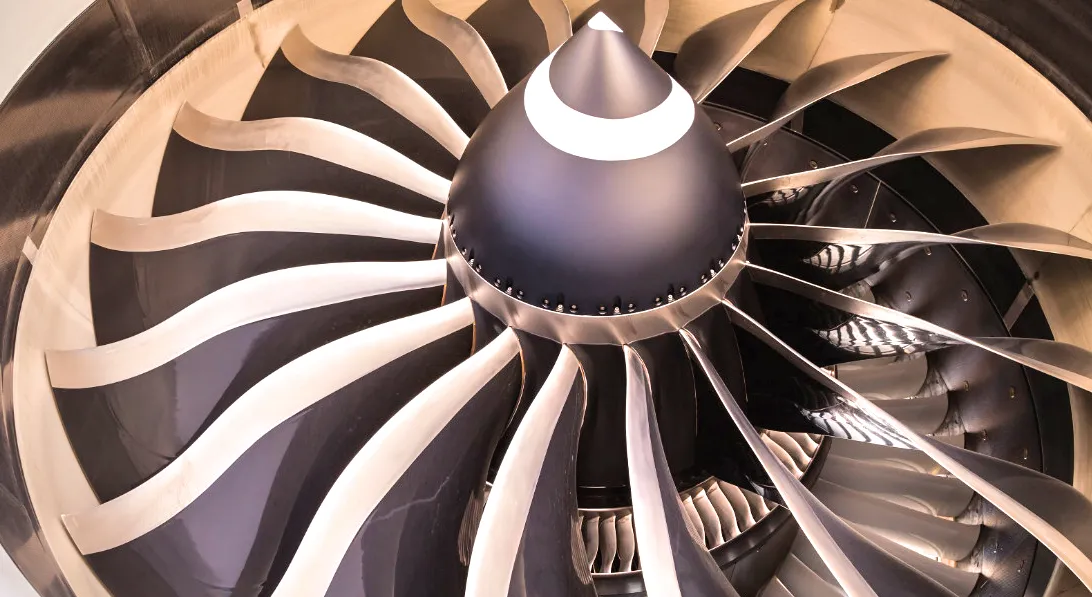
In aerospace engines, where combustion chamber temperatures can exceed 1500°C and structural components undergo millions of thermal cycles, advanced composites now demonstrate mechanical properties once exclusive to superalloys.

1.1 Ceramic Matrix Composites (CMCs)

CMC materials with SiC/SiC architecture retain strength above 1300°C, reduce weight by 35–50%, and improve fatigue resistance. These are now utilized in combustion liners, blade shrouds, and thermal shielding components.

1.2 Carbon–Carbon Composites

In hypersonic vehicle structures, C/C composites offer ultra-high ablation resistance and dimensional stability under repeated thermal shocks, supporting Mach 6+ trajectories and extreme flight profiles.

1.3 Precision Mold & Tooling for Aerospace Composites

The demand for defect-free molding surfaces and fiber consistency drives the use of large-format compression molds, high-pressure SMC tools, and autoclave-compatible composite molds — areas where MDC Mould is continuously innovating in thermal management and demolding performance.

composite

2. Deep-Sea Engineering: Surviving 110 MPa Pressure

Deep-sea environments impose unique challenges requiring materials that balance strength, corrosion resistance, and long-term durability.

2.1 Pressure-Resistant Composite Structures

Basalt fiber reinforced composites have been implemented in full-ocean-depth equipment. At water depths of 11,000 m, composite housings maintain 92% compressive strength retention with no microcrack propagation.

2.2 Marine Corrosion-Resistant Composites

Glass fiber reinforced vinyl ester composites show minimal mass loss (<0.3%) after 10,000 hours of salt-spray exposure. These materials are increasingly used in walkways, cable channels, and offshore structural systems.

2.3 High-Pressure Composite Piping

Carbon-fiber composite high-pressure RO pipes elevate allowable pressure from 8 MPa (steel) to 12 MPa while reducing system weight by 70%—improving efficiency in large-scale desalination facilities.

3. Energy & Nuclear Engineering: Materials Built for 60-Year Lifecycles

In nuclear power, hydrogen energy, geothermal systems, and next-generation reactors, materials must withstand heat, radiation, and chemical degradation for decades without structural compromise.

3.1 Radiation-Resistant Composite Systems

Multi-phase resin matrices incorporating ceramic fillers have demonstrated significant improvements in neutron-radiation resistance and dimensional stability.

3.2 Composite Tooling for Energy Applications

Large composite tooling — particularly high-temperature composite molds and compression systems — enable defect-free forming of thick laminate structures for shielding and containment applications.

4. Industrial Equipment: Lightweight, High-Strength, High-Precision

From semiconductor manufacturing to power transmission and intelligent equipment, the industrial sector is increasingly adopting high-performance composites for precision components that require stiffness, minimal deformation, and long service life.

4.1 Precision Structural Frames

Carbon-fiber reinforced epoxy structures provide 3–5× stiffness-to-weight advantages over metal frames, supporting micron-level positional accuracy in high-speed production equipment.

4.2 Corrosion-Resistant Chemical Equipment

Composite tanks, valves, and covers benefit from tailored resin systems and C-glass reinforcement, offering outstanding acid and alkali resistance under long-term continuous operation.

composite2

5. From Lab Innovation to Large-Scale Engineering: Key Enablers

The transformation of composite materials into extreme-environment applications depends on breakthroughs in five core areas:

  • Microscale fiber architecture optimization for better load transfer
  • High-purity, high-temperature matrix systems (CMC, BMI, PEEK, cyanate ester)
  • Advanced compression molding technologies delivering repeatable accuracy
  • Precision composite tooling with improved thermal control and demolding performance
  • Automated fiber placement & intelligent RTM improving consistency and throughput

MDC Mould’s continuous improvement in SMC MoldComposite Mold, and Compression Tooling provides an essential foundation for these engineering breakthroughs.

Conclusion

Extreme environments — high temperature, high pressure, corrosion, and radiation — represent the highest evaluation criteria for advanced materials. High-performance composites, driven by innovations in matrix chemistry, fiber design, and precision tooling, are rapidly becoming the core solution for next-generation aerospace, marine, energy, and industrial systems.

With proven expertise in hot-press composite tooling, SMC molds, BMC molds, high-temperature compression molds, and advanced composite manufacturingMDC Mould will continue supporting global industries with engineering-grade solutions that push the boundaries of material performance.

Curing Cycle Optimization in Compression Molding

Discover how Zhejiang MDC Mould optimizes the curing cycle in compression molding to enhance the strength, precision, and efficiency of composite components for automotive and industrial applications.

In the field of compression molding for composite materials, the curing cycle is one of the most decisive factors determining product performance, dimensional accuracy, and production efficiency. At Zhejiang MDC Mould Co., Ltd., mastering the curing cycle is not just process control—it is the essence of MDC’s precision engineering and its leadership in advanced composite mold manufacturing.

What Is the Curing Cycle in Compression Molding?

The curing cycle refers to the specific combination of time, temperature, and pressure applied to thermosetting composite materials within a compression mold. During this stage, materials such as SMC (Sheet Molding Compound) or BMC (Bulk Molding Compound) undergo crosslinking reactions that transform them from a semi-solid state into a rigid, durable component with stable mechanical properties.

A typical curing cycle involves three stages:

  • Heating phase: The mold is heated (130°C–170°C) to initiate resin polymerization.
  • Holding phase: The material remains under constant heat and pressure for full crosslinking.
  • Cooling phase: Controlled cooling solidifies the material and reduces internal stress before demolding.
compression-mould-machine

Why Curing Cycle Optimization Matters

For high-precision SMC and BMC molds designed by MDC, controlling the curing cycle is essential for ensuring consistent quality. If the curing cycle is too short, the resin may not fully crosslink, leading to surface or strength defects. If too long, unnecessary energy consumption and lower production efficiency result.

An optimized curing cycle ensures:

  • Stable mechanical performance — full crosslinking enhances strength and durability.
  • Dimensional precision — balanced curing prevents deformation and shrinkage.
  • Superior surface finish — precise curing leads to smooth, paint-ready surfaces.
  • Higher production efficiency — shorter cycles increase output and reduce costs.

Factors Influencing the Curing Cycle

The curing behavior within a compression mold depends on multiple factors:

  • Resin system: Polyester, epoxy, and phenolic resins each have distinct curing characteristics.
  • Reinforcement type: Fiber orientation, filler type, and content affect heat transfer.
  • Part geometry: Thicker sections require longer curing times to achieve uniformity.
  • Mold temperature control: Even heating ensures consistent curing throughout the cavity.
  • Venting and pressure: Proper venting avoids trapped air and ensures smooth resin flow.

MDC’s Engineering Approach to Curing Cycle Management

At MDC Mould, every compression mold is engineered with precise thermal management in mind. The company integrates finite element simulation and thermal flow analysis to predict temperature uniformity and curing behavior across complex cavities. This allows engineers to optimize the mold’s heating system and define ideal processing parameters before production begins.

MDC also utilizes:

  • Embedded thermal sensors for real-time temperature monitoring.
  • High-efficiency heating channels for rapid, uniform heat distribution.
  • Digital data systems linking process control with resin curing kinetics.

This approach ensures that each mold achieves an optimal balance between curing time, temperature, and pressure—guaranteeing reliable and repeatable composite part quality.

Case Study: SMC Roof Panel Mold for Electric Vehicle

In a recent project, MDC developed an SMC roof panel compression mold for a leading new energy vehicle manufacturer. By applying advanced thermal simulations and refining the curing schedule, MDC reduced the total cycle time by 20% while maintaining full crosslinking and high-gloss surface quality. The optimized curing cycle also minimized energy consumption and extended mold lifespan.

This success demonstrates MDC’s unique capability to merge curing cycle control with compression mold design excellence.

The Future of Curing Technology in Compression Molding

The next stage of curing optimization lies in smart manufacturing. MDC is developing intelligent compression molding systems that integrate AI-based thermal management, real-time curing monitoring, and predictive control algorithms. These innovations enable adaptive process adjustments—ensuring consistent curing performance, reduced energy use, and faster production cycles.

Conclusion

The curing cycle represents the heart of the compression molding process. Its precision defines not only the mechanical strength and dimensional accuracy of composite products but also overall manufacturing efficiency and sustainability. Through decades of experience and technological innovation, Zhejiang MDC Mould Co., Ltd. continues to advance the science of curing cycle optimization, delivering superior compression molds that empower global composite production with quality, consistency, and intelligence.

Preheating Compression Moulds: Enhancing Efficiency and Quality in Composite Molding

Learn how MDC Mould applies advanced preheating technology in compression moulds to improve composite molding performance, product quality, and production stability.

In the field of compression molding for composite materials, precise temperature control is the foundation of product stability and mold longevity. Among the most critical yet often underestimated steps is preheating the compression mold. At MDC Mould, this process is considered a key factor in achieving high-performance results for SMC, BMC, and carbon fiber components.

Why Preheating Compression Molds Matters

The compression molding process involves applying heat and pressure to a composite charge within a mold cavity. If the mold is not adequately preheated before production, material flow becomes unstable, leading to defects such as voids, incomplete curing, or warping. MDC’s engineering experience shows that maintaining precise mold temperature from the first cycle is vital to achieving dimensional consistency and optimal resin cross-linking.

  • Ensures even material flow and uniform curing;
  • Prevents air entrapment and surface imperfections;
  • Improves resin-fiber bonding strength;
  • Extends mold life by reducing thermal stress shock.

The Science of Mold Preheating

Different composite systems—such as SMC (Sheet Molding Compound)BMC (Bulk Molding Compound), and carbon fiber-reinforced composites—require specific mold temperatures for optimal molding conditions. Typically, SMC and BMC molds operate between 130°C and 160°C, while aerospace-grade carbon fiber applications may require preheating up to 180°C or beyond.

MDC’s hot press molds integrate precision heating channels and temperature sensors to maintain balanced thermal distribution across large and complex cavity surfaces. This uniformity minimizes localized hot spots and ensures consistent material flow during the entire molding cycle.

compression molds

Mold Preheating Methods Used at MDC

MDC utilizes a range of preheating systems according to material type and production scale:

  • Electric heating systems – offering precise and independent control for each mold zone;
  • Oil heating systems – providing steady, even temperature for large or multi-cavity molds;
  • Steam and hot-water preheating – suitable for low to mid-temperature composite applications;
  • Integrated PID control – ensuring real-time temperature regulation and safety monitoring.

Through advanced mold design and thermal simulation, MDC engineers ensure that heat transfer efficiency is maximized while minimizing energy loss, resulting in shorter preheating times and stable production.

Benefits of Proper Mold Preheating

Preheating a compression mold properly has direct impact on final product performance and overall production efficiency. Benefits include:

  • Enhanced surface quality – reduced flow marks and resin-rich zones;
  • Stable cycle times – consistent curing rates and dimensional control;
  • Increased mechanical properties – improved tensile and flexural strength;
  • Reduced energy waste – improved heating efficiency and fewer startup defects.

MDC’s Engineering Approach

At MDC, every compression mould is designed with precision and long-term durability in mind. The company integrates thermal analysis and simulation into its design phase, allowing engineers to predict heat flow, temperature gradients, and curing uniformity. This predictive approach ensures that each mold delivers stable performance even under continuous production conditions.

MDC’s preheating solutions are particularly beneficial for:

  • SMC auto parts such as bumpers, battery covers, and trunk boards;
  • BMC electrical components requiring high dimensional precision;
  • Carbon fiber structural parts in aerospace and industrial sectors.

Future Trends in Compression Molding Temperature Control

As composite manufacturing advances, mold temperature systems are becoming increasingly intelligent. MDC is developing new-generation preheating and thermal management solutions featuring real-time data acquisition, energy-efficient heating technologies, and smart temperature regulation to further enhance product quality and sustainability.

Conclusion

Preheating is not just a preparatory step — it is a foundation for precision molding. Through continuous innovation in compression mold design and temperature control technologyMDC Mould empowers manufacturers to achieve higher efficiency, stability, and quality in composite production. MDC remains committed to advancing composite mold engineering for a lighter, stronger, and more sustainable future.

Thermoplastic vs. Thermoset Carbon Fiber: How Co-Curing Technology Redefines Composite Bonding

Discover how co-curing technology bridges thermoplastic and thermoset carbon fiber composites, transforming aerospace, automotive, and medical manufacturing.

When over 50% of the Boeing 787 fuselage was made from carbon fiber composites, one question reshaped the entire aerospace industry: how do we join these advanced materials safely and efficiently? Traditional adhesive bonding and mechanical fastening methods face severe limits — from environmental degradation to added weight. Today, co-curing technology is emerging as the breakthrough solution. In this feature, MDC Mould explores how thermoplastic and thermoset co-curing is transforming composite connection design.

1. Principle of Co-Curing: The Chemical Dance Between Thermoplastic and Thermoset

In composite structures, co-curing enables the direct bonding of thermoplastic and thermoset materials through simultaneous heat and pressure, forming a seamless molecular interface. This process combines the flexibility of thermoplastics with the rigidity of thermosets, achieving “the best of both worlds” in one joint.

Taking the Airbus A350’s PEEK-based carbon fiber tape as an example, the co-curing process involves three critical stages:

  1. Molecular Interface Reconstruction: Surface activation using UV plasma introduces oxygen-containing polar groups on the CF/PEEK surface, reducing the contact angle from 80.22° to 67.49°, achieving nano-level wetting with the epoxy resin layer.
  2. Thermodynamic Precision Control: At 130 °C in a vacuum, the thermoplastic matrix reaches peak flow, interpenetrating the thermoset prepreg network. Under 10–15 MPa pressure, interfacial porosity is maintained below 0.5%.
  3. Multi-Scale Reinforcement Design: A seven-directional 3D woven carbon fiber layer creates a reinforced “micro rebar” network, boosting interfacial shear strength by 68% and extending fatigue life by 4.39 times compared with traditional adhesive bonding.

2. Performance Comparison: Beyond Traditional Joining

Compared to mechanical fastening and single-phase adhesive bonding, co-curing technology achieves significant leaps in efficiency and performance:

PropertyMechanical FasteningThermoset AdhesiveCo-Curing Technology
Joint EfficiencyRequires drilling (30% strength loss)8–12 h curing30–90 min integrated molding
Specific Strength1.2 GPa/cm³1.5 GPa/cm³3.69 GPa/cm³
Thermal ResistanceCorrosion prone≤150 °CStable to 230 °C
RepairabilityIrreversibleIrreversibleReversible (up to 3 heat cycles)

Breakthrough Innovations:

  • Self-Healing Interfaces: Toray’s welded interlayer enables microcrack healing at 300 °C, extending service life by 300%.
  • Smart Monitoring: ZnO nanowire-functionalized fibers developed by Wuhan University improve strain sensing and heat transfer by 17%, cutting cure time by 40%.

3. Industrial Applications: From the Lab to the Sky

Aerospace Manufacturing Revolution

Boeing and Toray have co-developed a welded fuselage architecture using co-curing carbon fiber technology. CFRP component joining time dropped from 8 hours to 20 minutes, reducing aircraft weight by 1.2 tons and boosting fuel efficiency 15%.

Automotive Lightweighting

The Tesla Cybertruck battery enclosure employs PA6-based co-curing joints, increasing crash energy absorption by 70% and lowering production costs by 40% — a major milestone for scalable EV composite adoption.

Medical Device Engineering

Johnson & Johnson now applies PEEK/thermoset co-curing in orthopedic implants, accelerating osseointegration by 50% and cutting post-surgical infection risk to 0.3%.

4. Future Trends: Sustainable and Intelligent Co-Curing

  • Circular Manufacturing: Airbus’ recovery system enables 100% recycling of thermoplastic bonded components, reducing carbon fiber waste by 86% compared with conventional thermoset methods.
  • 4D Printing Integration: Embry-Riddle Aeronautical University’s coaxial direct-write printing allows simultaneous deposition of ZnO-functionalized fibers and thermoset resin, improving manufacturing efficiency 10-fold.
  • Digital Twin Optimization: Siemens Teamcenter now simulates co-curing processes in real-time, cutting optimization cycles from 3 months to 72 hours and achieving 99.7% yield accuracy.

5. MDC Mould’s Role in Advanced Composite Bonding

As a professional developer of composite mold and carbon fiber mold solutions, Zhejiang MDC Mould Co., Ltd. supports the co-curing revolution with precision tooling and process-ready molds for aerospace, EV, and industrial components. MDC’s expertise in hot compression moldsSMC/BMC molds, and thermoforming molds enables stable pressure, uniform heating, and dimensional accuracy — the essential conditions for high-quality co-curing.

By integrating simulation, precision machining, and vacuum-assisted curing, MDC helps manufacturers achieve high-bonding strength, reduced void content, and repeatable production cycles — from prototype to series manufacturing.

6. Conclusion: The Next Frontier of Composite Joining

From molecular-scale interface design to large-scale structural assembly, co-curing technology represents a paradigm shift in composite joining. When the flexibility of thermoplastics meets the rigidity of thermosets, a new generation of lightweight, damage-tolerant, and recyclable structures emerges — reshaping aerospace, automotive, and medical industries alike.

As MDC Mould continues developing high-precision compression molds and composite tooling for next-generation materials, co-curing is no longer just a laboratory breakthrough — it’s the future of intelligent, sustainable composite manufacturing.

carbon fiber

Composite Materials: The Future of Zero-Emission Cargo Ships

Discover how composite materials, compression molds, and FRP tooling are transforming zero-emission cargo ships.

As the global shipping industry accelerates toward its zero-carbon transition, the International Maritime Organization (IMO) has set an ambitious goal: reduce greenhouse gas emissions by 50% by 2050 compared to 2008 levels. To achieve this, zero-emission cargo ships powered by batteries, hydrogen, or ammonia will define the future of maritime transportation.

However, traditional steel-based vessels face severe limitations. Heavy self-weight, frequent maintenance, and poor efficiency hinder their compatibility with new energy systems. This is where composite materials—enabled by technologies such as compression molding, SMC mold, BMC mold, and FRP tooling—bring transformative advantages.

Limitations of Steel in Zero-Emission Shipping

  • Weight vs. Endurance: A 2,000-ton steel ship requires battery packs accounting for 30% of its total weight just to cover 200 nautical miles, reducing cargo capacity dramatically.
  • Corrosion & Maintenance: Steel corrodes quickly in marine environments, needing repainting every 2–3 years, which increases lifecycle costs and emissions.
  • Hydrodynamic Inefficiency: Welded steel hulls suffer 15–20% higher drag compared to composite hulls, lowering propulsion efficiency.
composite ship

Advantages of Composite Materials in Shipbuilding

Advanced composites such as GFRP (Glass Fiber Reinforced Plastics) and CFRP (Carbon Fiber Reinforced Plastics) deliver unmatched benefits:

  • Lightweight Efficiency: Hull weight reductions of up to 44% with GFRP and 50%+ with CFRP, directly improving range and cargo capacity.
  • Durability: Composite hulls last 25–30 years, compared to 15–20 years for steel, with far lower maintenance needs.
  • Streamlined Hydrodynamics: Molding methods like compression molding and VARTM enable seamless hulls with reduced drag and enhanced efficiency.

Composite Applications Beyond the Hull

Composite materials also play key roles in propulsion and storage systems:

  • Battery Housings: CFRP enclosures improve safety and reduce weight by up to 60%.
  • Hydrogen Storage Tanks: CFRP-wrapped cylinders are 75% lighter than steel tanks.
  • Ammonia Fuel Systems: Hybrid CFRP + PTFE tanks resist chemical corrosion while reducing mass.
  • Propellers & Deck Equipment: CFRP/GFRP propellers improve propulsion efficiency by 12–15%.

MDC’s Role in Composite Shipbuilding

At Zhejiang MDC Mould Co., Ltd., we specialize in high-precision tooling for marine composites. Our portfolio includes SMC moldsBMC moldscompression molds, hot press molds, and FRP tooling, enabling scalable production of large and complex parts such as:

  • Lightweight hull panels using GFRP and CFRP
  • Battery housing systems for electric cargo ships
  • Hydrogen and ammonia storage tank shells
  • Composite propellers and marine equipment

By combining expertise in compression molding with advanced materials, MDC ensures efficient, durable, and cost-effective production solutions for the next generation of ships.

Future Outlook: Toward IMO 2050

With continuous innovations in composite materials and molding technologies, costs are expected to fall significantly by 2030. This will make composite vessels increasingly competitive with traditional steel or aluminum ships.

By 2030, composite-based cargo vessels are forecast to represent 40% of inland shipping and 25% of coastal fleets. As a leader in composite mold technology, MDC is committed to supporting global shipbuilders in achieving IMO’s 2050 decarbonization goals.

The Effect of Laser Cleaning on the Surface Quality of Compression Tooling Molds

Discover how laser cleaning improves the surface quality of compression tooling molds. Learn its effects on SMC molds, BMC molds, carbon fiber molds, and composite tooling, ensuring durability, precision, and sustainability.

Laser cleaning has emerged as a revolutionary technology for maintaining the surface quality of compression molds. This article explores its working principles, effects on tooling, and industrial applications across SMC moldsBMC molds, and composite molds.

Introduction

In high-precision industries, the surface quality of compression tooling molds directly impacts product performance and manufacturing efficiency. Over time, molds accumulate resin residues, release agents, carbon deposits, and oxides, leading to poor surface finishes and reduced part quality. Traditional methods such as chemical cleaning or sandblasting are either environmentally harmful or damaging to the mold surface.

By contrast, laser cleaning technology provides an eco-friendly, precise, and highly effective solution to restore mold integrity and prolong tool life.

Understanding Compression Tooling Molds

Compression molds are critical tools for shaping high-performance parts in industries such as automotive, aerospace, electronics, and consumer goods. These molds are commonly used with materials including:

  • SMC (Sheet Molding Compound)
  • BMC (Bulk Molding Compound)
  • GMT (Glass Mat Thermoplastic)
  • LFT (Long Fiber Thermoplastic)
  • Carbon fiber composites

The surface quality of these molds directly influences dimensional accuracy, demolding performance, and product aesthetics.

The Principle of Laser Cleaning

Laser cleaning uses high-intensity, short laser pulses to selectively remove contaminants without damaging the base mold material. The process is precise, non-contact, and environmentally friendly.

Key Benefits of Laser Cleaning

  • Micron-level precision for delicate tooling geometries
  • No abrasives or chemicals required
  • Preserves mold geometry and surface finish
  • Scalable and compatible with automation systems
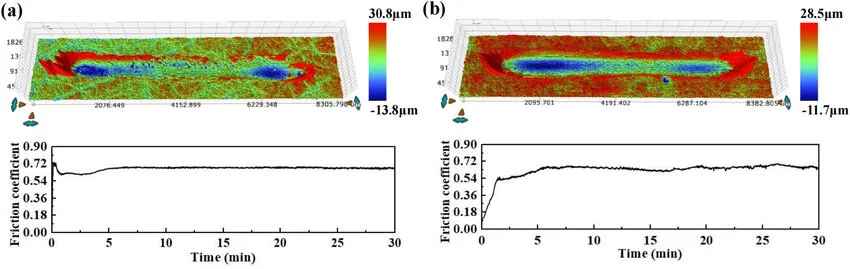
SEM-images-and-3D-surface-profiles-of-a-S8-b-S10-c-S13-d-S14

Effects on Surface Quality of Compression Tooling Molds

1. Improved Surface Cleanliness

Laser cleaning effectively removes contaminants like resin, carbon, and oxides, restoring the mold surface and ensuring defect-free molded parts.

2. Preservation of Mold Geometry

Unlike abrasive cleaning, laser cleaning maintains the integrity of fine details and critical dimensions in SMC and BMC molds.

3. Surface Roughness Control

Laser parameters can be tuned to maintain smooth finishes or introduce micro-textures, improving resin flow and demolding performance.

4. Longer Mold Service Life

Reducing aggressive cleaning minimizes micro-cracks and surface fatigue, extending mold longevity.

5. Consistent Production Quality

Laser cleaning supports high-volume manufacturing by ensuring stable and repeatable mold conditions, especially in automotive compression molding.

Laser Cleaning vs. Traditional Cleaning Methods

Cleaning MethodLimitationsLaser Cleaning Advantages
Chemical cleaningHazardous waste, potential corrosionEco-friendly, no chemicals required
Sandblasting / Abrasive cleaningSurface wear, geometry alterationNon-abrasive, preserves mold accuracy
Manual polishingLabor-intensive, inconsistentAutomated, repeatable, precise
Ultrasonic cleaningSize limitations, liquid handlingDry, scalable, suitable for large molds

Industrial Applications of Laser Cleaning

  • SMC and BMC molds: Automotive body panels, battery covers, and electrical housings
  • Carbon fiber compression molds: Aerospace structural parts and sports equipment
  • Rubber compression molds: High-precision rubber seals and gaskets
  • Composite molds: Lightweight parts in automotive and renewable energy industries

Future Outlook

The future of mold maintenance lies in the integration of laser cleaning with automation and Industry 4.0 technologies. Robotics, AI-driven parameter control, and real-time surface monitoring will further improve efficiency and consistency.

Friction-coefficient-evolution-during-tribological-testing-of-a-S0-and-b-S13-with

Conclusion

The effect of laser cleaning on the surface quality of compression tooling molds is profound. It ensures cleaner surfaces, longer mold life, consistent part quality, and environmental sustainability. For manufacturers using SMC molds, BMC molds, or carbon fiber molds, adopting laser cleaning is not only a technological upgrade but also a strategic move towards efficiency and sustainability.

Why Carbon Fiber Is the Future of Sports Equipment

Learn the benefits, applications, and how MDC Mould supports high-performance manufacturing through advanced compression tooling and composite mold solutions.

Introduction: Why the Sports Industry Loves Carbon Fiber

From Olympic cycling to high-speed archery, carbon fiber has become the material of choice for performance-driven sports equipment. Known for its light weight, high strength, and fatigue resistance, carbon fiber is transforming how athletes train, compete, and win.

At MDC Mould, we support this revolution by supplying high-precision carbon fiber moldscompression molds, and composite tooling to leading manufacturers of sports equipment in China and abroad.

What Makes Carbon Fiber Special?

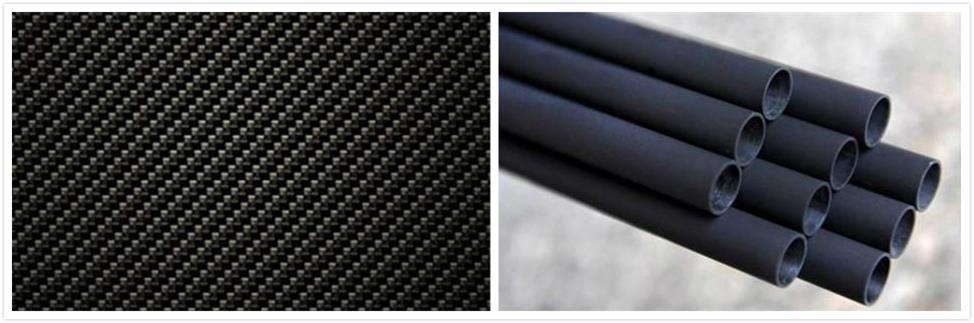
Carbon fiber is a composite material made by reinforcing carbon filaments into fabric and infusing it with resin. This structure results in a product that is:

  • 75% lighter than steel but up to 12 times stronger
  • Highly resistant to fatigue, corrosion, and impact
  • Customizable in stiffness, thickness, and layering direction

These properties make carbon fiber ideal for crafting sports equipment where every gram and every vibration matters.

Top Applications in Sports

  • Carbon Fiber Bicycles: Frames as light as 1.15 kg reduce rider fatigue and increase aerodynamic efficiency. Used in Olympic-level competitions.
  • Carbon Fiber Archery Bows: Recurve limbs deliver faster arrow speeds and reduced hand shock, enhancing accuracy and comfort.
  • Tennis Rackets: Improve swing control and reduce joint strain thanks to excellent vibration dampening.
  • Rowing Shells & Poles: Carbon builds offer lower water drag and higher stroke efficiency in competitive rowing.
碳纤维自行车架

Why Manufacturers Trust MDC for Carbon Fiber Tooling

Zhejiang MDC Mould Co., Ltd. specializes in designing and manufacturing SMC/BMC/GMT/Carbon Fiber compression molds tailored for sports equipment production.

We integrate simulation, CNC machining, and vacuum systems into every mold to ensure flawless surface quality, tight tolerances, and reliable demolding—key factors for high-performance carbon fiber parts.

The Market is Growing

According to industry forecasts, the global market for carbon fiber sports equipment is expected to grow at a CAGR of 12% over the next five years. As lightweight performance becomes a standard expectation, the demand for composite molds and compression tooling is also rising.

Whether it’s for professional athletes or consumer-grade equipment, precision-molded carbon fiber parts are becoming the benchmark of quality in modern sports manufacturing.

Challenges and MDC’s Solutions

While carbon fiber offers many benefits, it also comes with production challenges:

  • High processing temperatures and precise pressure control are required during molding
  • Complex shapes demand accurate mold design with proper draft and fiber orientation
  • Demolding can be difficult if molds are not polished and vented correctly

With decades of experience, MDC provides engineered mold solutions that address these issues, offering:

  • Mirror-polished cavities for easier demolding
  • Vacuum-assist systems for improved fiber compaction
  • Temperature-uniform channels to ensure even curing

Conclusion: Lightweight Innovation Starts with the Right Mold

As carbon fiber continues to redefine the limits of sports equipment, manufacturers need trusted partners who can deliver molds with precision, durability, and performance in mind. MDC Mould is proud to be part of this transformation—helping brands bring cutting-edge gear to athletes around the world.

If you’re developing carbon fiber sports products, contact us today to learn how our composite mold and carbon fiber tooling expertise can elevate your next product line.

What is Compression Mold?

Learn what a compression mold is, how the compression molding process works, and why it is widely used for SMC, BMC, and composite parts manufacturing.

Introduction

compression mold is a specialized tool used in the compression molding process, a widely adopted manufacturing method for forming composite parts. It involves placing a preheated material, such as SMC (Sheet Molding Compound)BMC (Bulk Molding Compound), or other thermoset materials, into a heated mold cavity, then applying pressure to shape and cure the material.

Compression molds are essential in industries such as automotive, electrical, construction, and aerospace, where lightweight, high-strength, and heat-resistant components are needed.

Structure of a Compression Mold

A typical compression mold includes two main halves: the cavity and the core. It may also include:

  • Heating systems – to maintain the required temperature for curing
  • Guide pins and bushings – for accurate mold alignment
  • Ejection mechanisms – to release the molded part after curing
  • Vacuum systems – for gas removal and surface quality improvement

Depending on the application, compression molds can be made from hardened steel, aluminum, or other high-strength alloys. Surface treatments like chrome plating may be applied to improve mold longevity and part release.

compression mold SMC Engine hood Mold

Compression Molding Process

The compression molding process typically follows these steps:

  1. Material Loading: The composite material is loaded into the open mold cavity.
  2. Preheating: The material may be preheated to reduce cycle time and improve flow.
  3. Compression: The mold is closed and pressure is applied using a hydraulic press.
  4. Curing: Heat and pressure are maintained until the material is fully cured.
  5. Demolding: The press opens and the finished part is ejected.

This process is suitable for high-volume production of components with intricate geometries and excellent mechanical properties.

Applications of Compression Mold

Compression molds are used to manufacture various thermoset and composite parts, including:

  • Automotive parts: EV battery enclosures, trunk lids, bumpers, and engine splash shields
  • Electrical housings: Insulators, switchgear, and fuse boxes
  • Construction materials: SMC ceilings, wall panels, water tanks
  • Sanitary products: SMC bathroom panels and bathtubs

Thanks to their strength-to-weight ratio, compression-molded parts are replacing metal and thermoplastic components in many structural and semi-structural applications.

Advantages of Compression Molding

Using a compression mold offers several benefits:

  • High strength and durability – especially with fiber-reinforced composites
  • Lower tooling cost compared to injection molding
  • Reduced material waste and scrap
  • Excellent surface finish for Class-A automotive parts
  • Compatibility with large, complex shapes

For manufacturers seeking reliable and repeatable performance, compression molding with precision molds remains a top choice.

SMC Mold vs. BMC Mold

Both SMC molds and BMC molds are used in compression molding, but they differ slightly:

  • SMC Mold: Designed for sheet-like materials; suitable for larger structural parts
  • BMC Mold: Suited for dough-like bulk materials; ideal for smaller or more detailed parts

Choosing the right mold depends on the geometry, performance, and surface requirements of the final part.

smc vs bmc

Conclusion

compression mold is an integral part of the composite molding industry. From automotive components to building materials, its role in shaping and curing high-performance parts makes it indispensable. With advancements in material science and precision tooling, compression molding continues to evolve and serve as a key process in modern manufacturing.

For companies looking to invest in SMC moldsBMC molds, or custom compression tooling, working with an experienced mold manufacturer is essential to ensure durability, precision, and production efficiency.