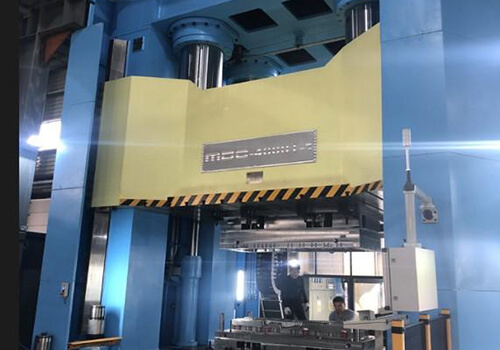
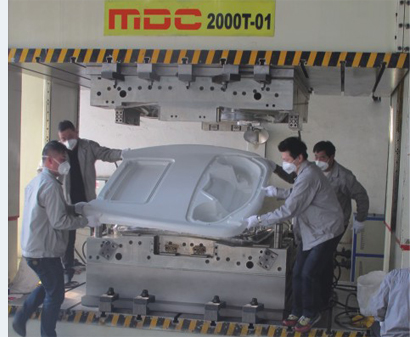
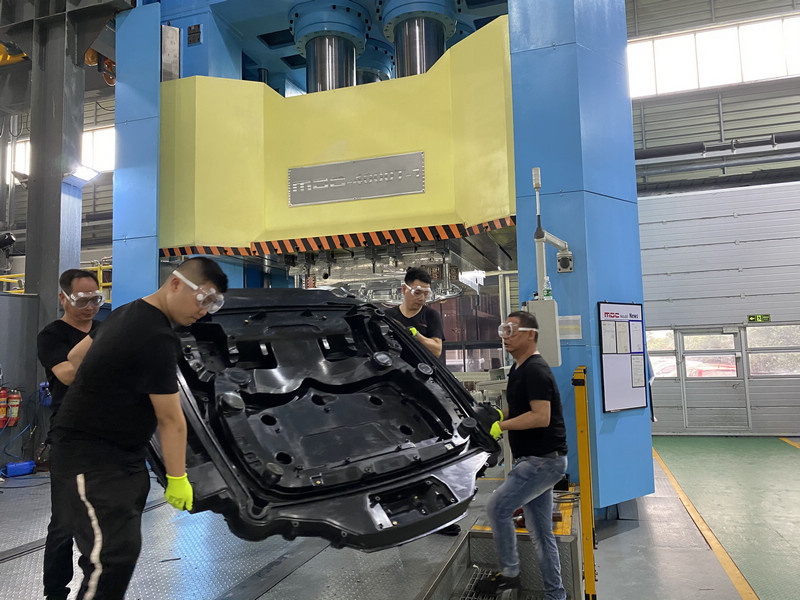
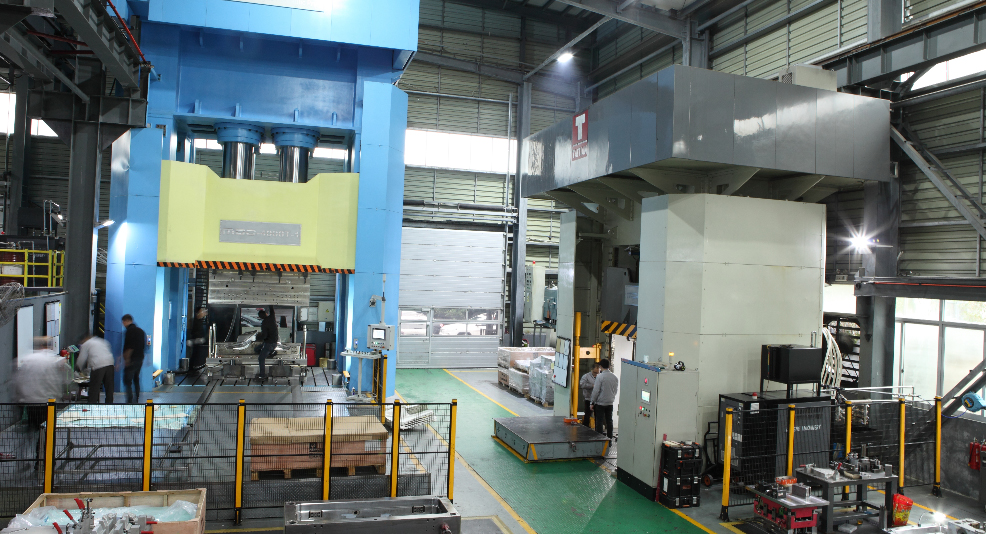
Advanced Press Tooling for SMC & Composite Compression Molding

Explore professional press tooling solutions for composite manufacturing, including compression molds, SMC molds, BMC molds, and thermoset tooling.

In modern industrial manufacturing, press tooling plays a crucial role in producing high-precision components with consistent quality and structural integrity. From automotive structural parts to electrical enclosures and infrastructure components, press tooling enables manufacturers to shape materials using controlled heat and pressure within a press machine.

As industries increasingly adopt lightweight composite materials, advanced tooling technologies such as compression mold systemsSMC molds, and composite molds have become essential for high-efficiency mass production.Professional tooling manufacturers like MDC Mould specialize in designing and producing high-precision press tooling solutions for global industrial applications.

What Is Press Tooling?

Press tooling refers to specialized molds used within mechanical or hydraulic press machines to shape materials through compression, forming, or molding processes. The tooling system creates a controlled cavity where raw materials are transformed into finished products under pressure and temperature.

Typical materials used in press tooling production include:

  • Sheet Molding Compound (SMC)
  • Bulk Molding Compound (BMC)
  • Carbon fiber composite materials
  • Thermoset composite sheets
  • Thermoplastic structural materials
  • Metal forming materials

Using high-precision compression tooling, manufacturers can produce complex structural components with excellent dimensional accuracy and repeatability.

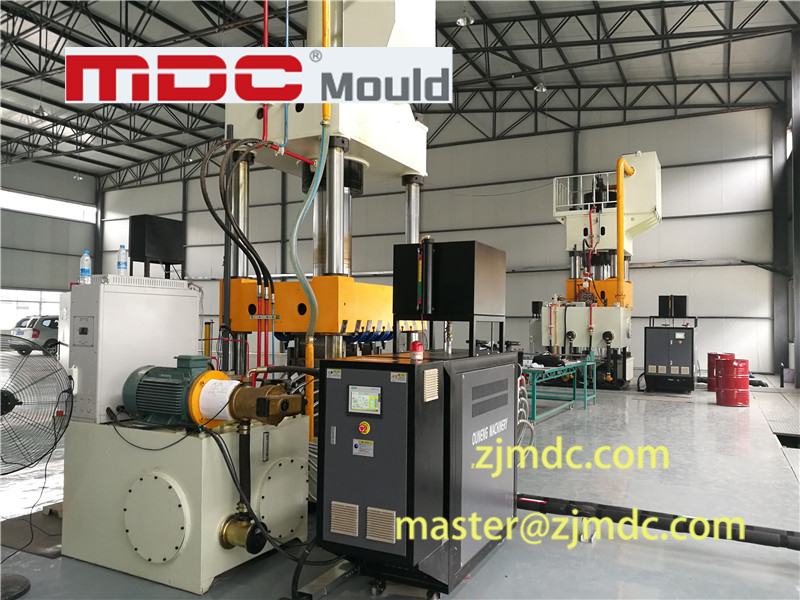
compression mould machine

Main Types of Press Tooling Used in Composite Manufacturing

SMC Mold (Sheet Molding Compound Mold)

SMC molds are widely used in the automotive and electrical industries. They enable the compression molding of glass-fiber reinforced composite materials into strong, lightweight components.

Typical SMC mold applications include:

  • Automotive exterior panels
  • EV battery enclosures
  • Engine splash shields
  • Structural composite components

BMC Mold (Bulk Molding Compound Mold)

BMC molds are commonly used to produce electrical insulation components and high-strength industrial parts. BMC materials offer excellent flame resistance and electrical insulation properties.

Common BMC mold applications:

  • Electrical connector housings
  • Switchgear components
  • Lighting fixtures
  • Industrial equipment enclosures

Composite Compression Mold

Composite compression molds are designed for advanced composite materials such as carbon fiber, fiberglass, and hybrid composites. These tools are essential for producing lightweight structural components with superior mechanical performance.

Learn more about professional composite tooling solutions at: Compression Mold Manufacturing

Key Components of a Professional Press Tooling System

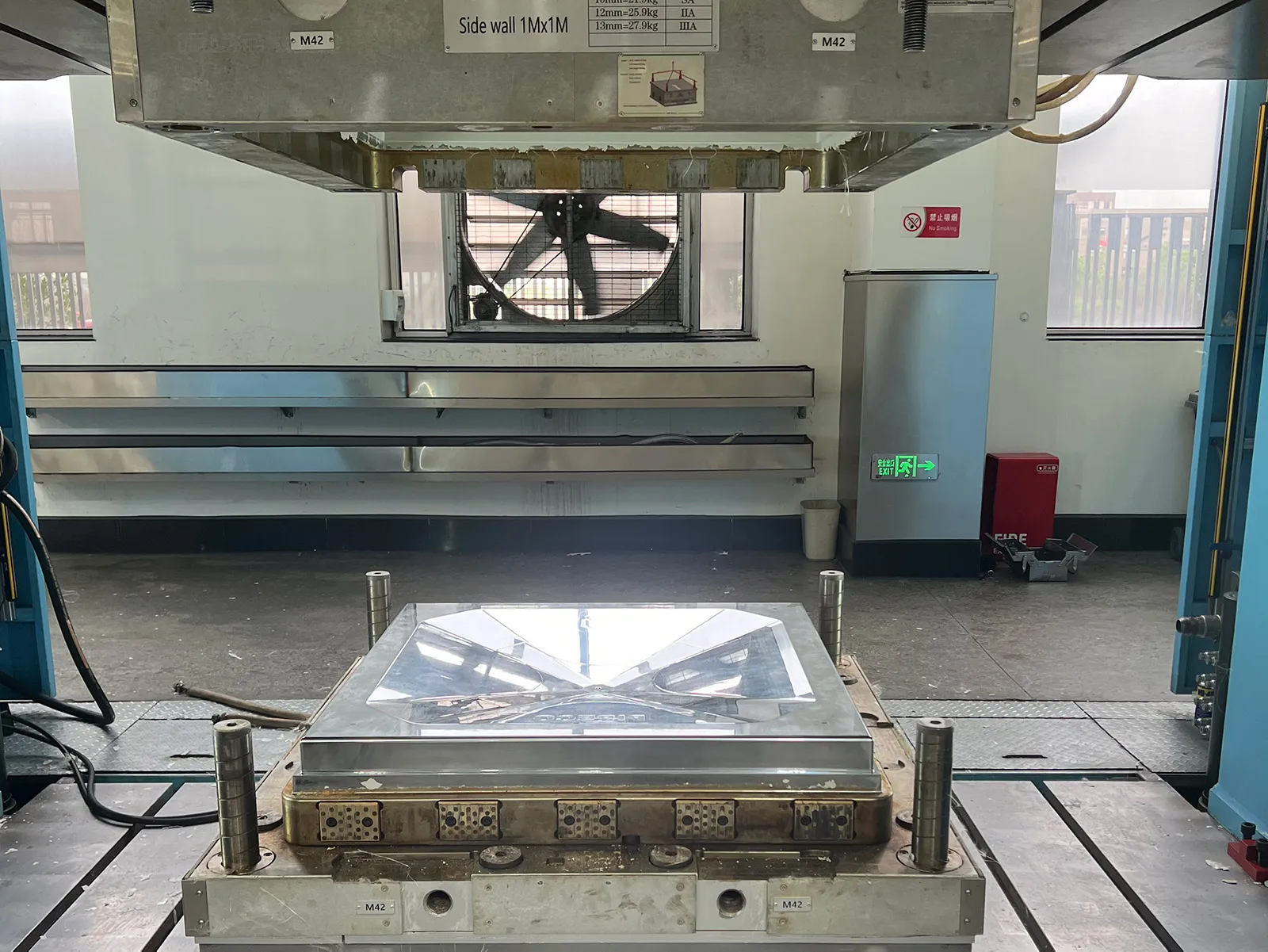
Upper and Lower Mold Structure

Press tooling typically consists of two primary mold halves: the upper mold and the lower mold. These components create the mold cavity where material shaping occurs during the compression molding process.

Precision Mold Cavity

The cavity design determines the final geometry and structural features of the product. Proper cavity engineering ensures uniform material flow, reduces defects, and improves final product strength.

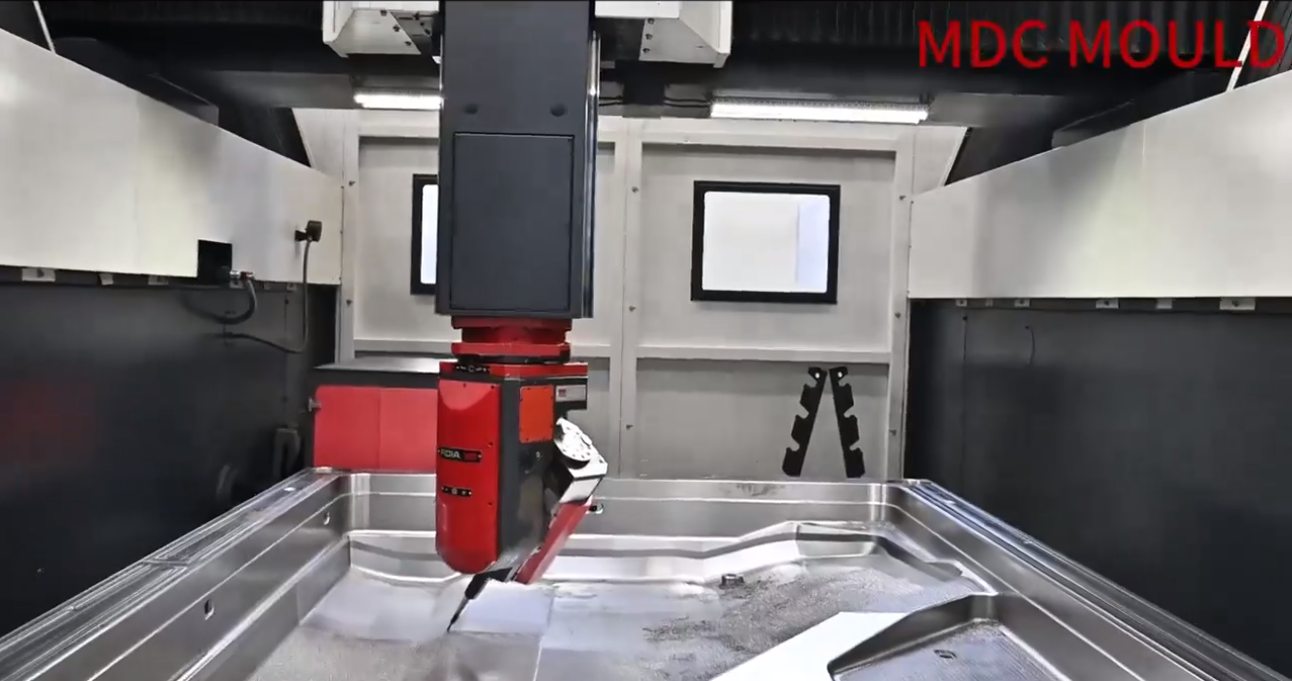
high speed milling

Heating System

Most thermoset composite molds integrate heating systems that maintain consistent curing temperatures. These heating systems may include:

  • Electric heating rods
  • Oil circulation heating channels
  • Temperature sensors
  • Thermal insulation layers

Ejection System

An effective ejection system ensures smooth demolding after the compression cycle. This may involve hydraulic ejectors, mechanical ejector pins, or pneumatic release mechanisms.

Materials Used in Press Tooling Manufacturing

High-quality press tooling requires durable materials capable of withstanding high pressure and repeated thermal cycles.

Tooling MaterialMain AdvantagesTypical Applications
P20 Tool SteelGood machinability and durabilityGeneral composite molds
H13 Tool SteelExcellent heat resistanceHigh-temperature compression molds
718 SteelHigh strength and wear resistanceLarge industrial press tooling
Aluminum ToolingLightweight and fast machiningPrototype molds

Industrial Applications of Press Tooling

Advanced press tooling is widely used across multiple industries requiring high-strength and lightweight components.

Automotive Industry

  • EV battery enclosure molds
  • Trunk board molds
  • Engine splash shield molds
  • Exterior body panels

Electrical Industry

  • Electrical connector molds
  • Switchgear insulation components
  • Lighting housings

Infrastructure and Construction

Advantages of High-Quality Press Tooling

Investing in professionally designed press tooling provides significant advantages for manufacturers.

  • High dimensional accuracy for consistent production quality
  • Improved manufacturing efficiency with optimized molding cycles
  • Superior surface finish for reduced post-processing
  • Long tooling lifespan due to high-quality steel materials
  • Lower production costs through high-volume manufacturing capability

Future Development Trends in Press Tooling Technology

The future of press tooling is being shaped by technological innovations and new material developments.

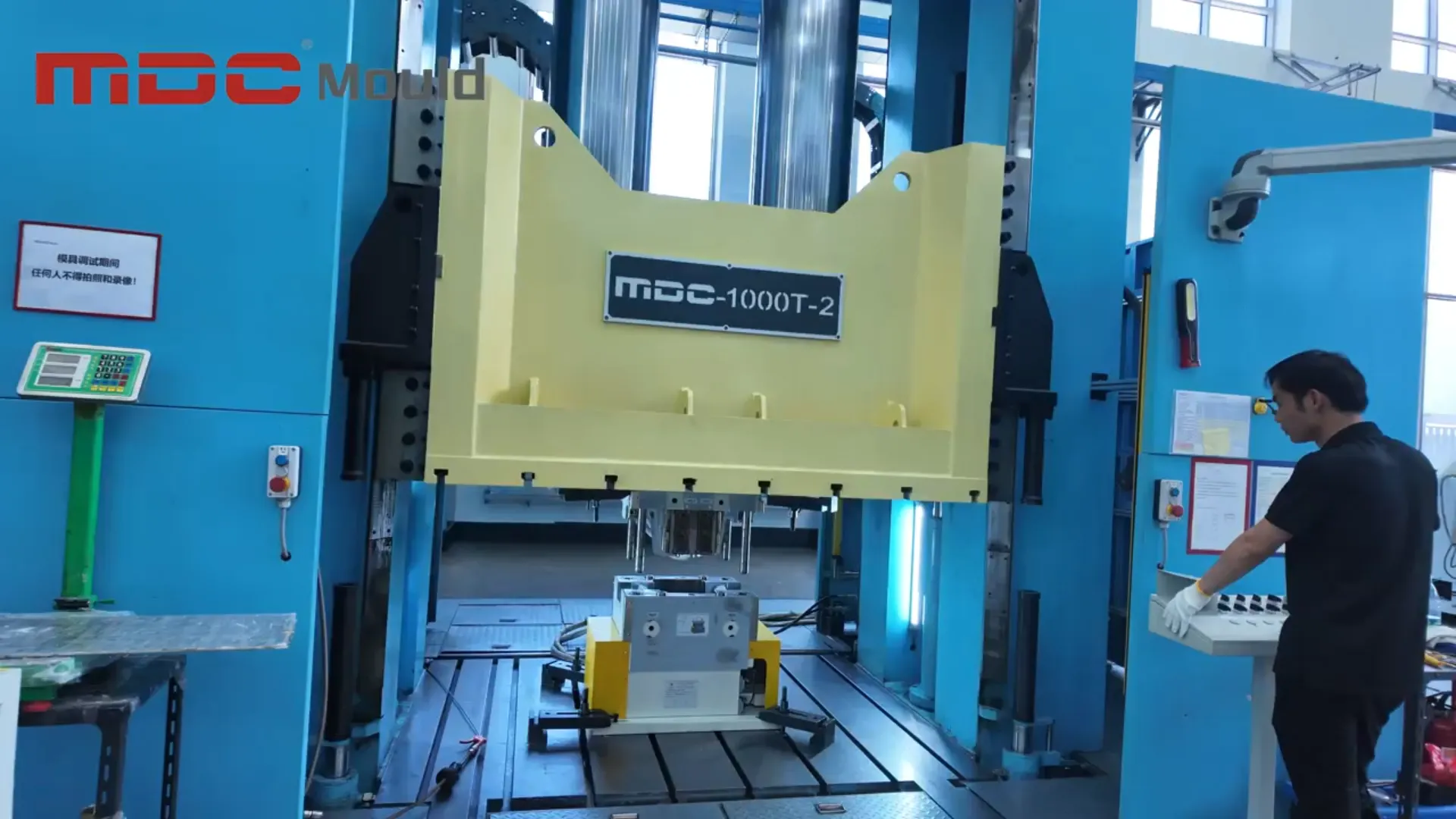
compression molds

FAQ About Press Tooling

What is the difference between press tooling and compression mold?

Press tooling is a general term for molds used in press machines, while a compression mold specifically refers to tooling designed for compression molding processes used with thermoset or composite materials.

What industries use press tooling?

Press tooling is widely used in automotive, aerospace, electrical equipment, infrastructure construction, and industrial manufacturing sectors.

How long does press tooling last?

High-quality press tooling manufactured from hardened tool steel can typically last hundreds of thousands to millions of molding cycles depending on production conditions.

Conclusion

Press tooling is a core technology in modern manufacturing, enabling the efficient production of high-precision components across multiple industries. With the increasing demand for lightweight materials and high-volume production, advanced tooling solutions such as SMC moldsBMC molds, and composite compression molds are becoming increasingly important.

Professional tooling manufacturers like MDC Mould continue to innovate in press tooling engineering, providing global customers with reliable, high-performance solutions for modern composite manufacturing.

Polymer Composite 3D Printing in Civil Engineering

How polymer composite 3D printing is transforming civil engineering — material systems, structural applications, technical challenges and how MDC Mould’s composite tooling & precision forming supports industrial adoption.

Comprehensive professional insight into how polymer composite additive manufacturing (large-format) is reshaping infrastructure — and how MDC Mould’s composite tooling and processing expertise accelerates industrial adoption.

1. Material Systems and Printing Technologies

1.1 Thermoplastic and Thermoset Matrix Systems

Polymer composites used in additive manufacturing generally fall into two broad categories: thermoplastic and thermoset systems. Each class delivers distinct advantages for civil engineering applications.

Thermoplastic Composites

  • PLA — biodegradable and sustainable; suitable for low-temperature, temporary or recyclable applications. Performance can be enhanced with fiber or nanoparticle reinforcement.
  • ABS — higher impact resistance and better outdoor performance than PLA; commonly used for durable printed architectural components.
  • High-performance thermoplastics (PEEK, ULTEM) — for demanding, high-temperature or chemically aggressive environments.
  • Recycled thermoplastics (rPET) — reduce lifecycle carbon footprint, though require material control to limit molecular degradation.

Thermoset Composites

SLA/DLP and thermoset-based printing deliver excellent dimensional accuracy and thermal stability, but their cross-linked chemistry creates recyclability challenges for large-scale civil use.

1.2 Fiber-Reinforced Composite Systems

Reinforcements determine structural performance:

  • GFRP — fatigue resistance, cost-effective for large components (façade modules, pedestrian bridges).
  • CFRP — extremely high strength-to-weight; ideal for precision structural parts and retrofits.
  • Natural fibers — (bamboo, flax, hemp) promising for sustainability but need surface treatments for moisture/UV resistance.
  • Particle fillers — SiO₂, Al₂O₃ to increase stiffness, thermal performance or wear resistance.

1.3 Large-Scale Additive Manufacturing Technologies

Key printing technologies used in civil engineering:

Extrusion-Based 3D Printing (E3DP)

Most common for large geometries — balanced between scale and speed; supports composite filaments and pellet-fed systems.

Binder Jetting

Enables powder-based composites and hybrid mixtures with low thermal deformation and good surface finish.

Robotic Large-Format Additive Manufacturing (RLFAM)

Multi-axis robotic deposition allows support-free printing, complex geometry, and continuous fiber reinforcement — perfect for bespoke bridge components, stiffeners, and façade systems.

composite civil

2. Global Case Studies: From Bridges to Buildings

Practical projects worldwide demonstrate how composite 3D printing is applied at scale.

2.1 Bridge Engineering

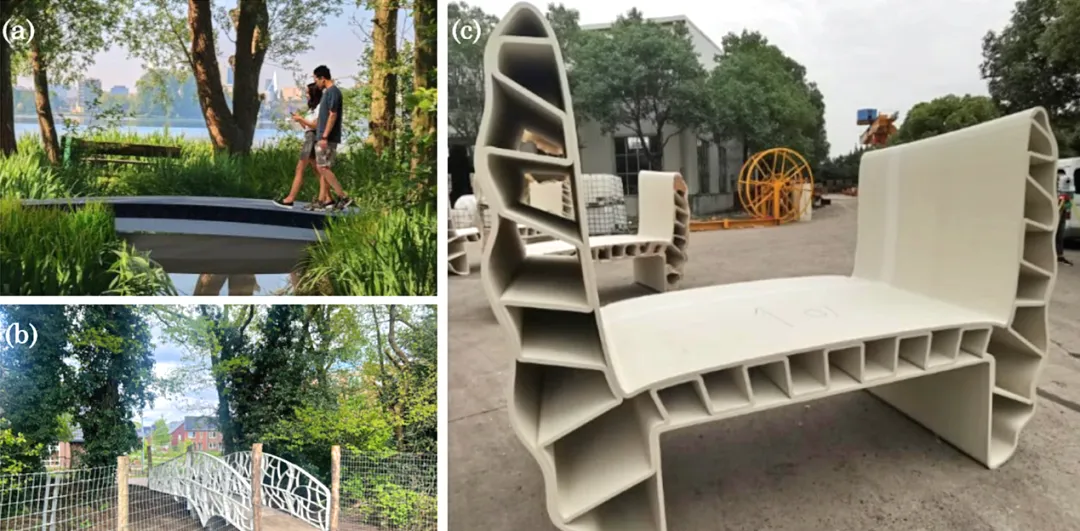
  • Rotterdam (Netherlands) — 6.5 m pedestrian bridge printed from GFR-PET, reduced lifecycle carbon by ~50% (example of environmental and durability benefits).
  • Limburg Pedestrian Bridge — validated cyclic performance for pedestrian loads, showing predictable fatigue behaviour in GFRP structures.
  • Liuyun Bridge (China) — 17.5 m bridge printed from ASA-3012 composite in 35 days; illustrates speed and logistical advantages for medium-span pedestrian infrastructure.

2.2 Building & Modular Construction

  • BioHome 3D (USA) — bio-fiber + bio-resin printed modules that are recyclable and rapidly deployed.
  • Jindi Modular Housing (Australia) — recycled plastics core + cementitious outer coating for improved fire performance.
  • Azure Tiny Homes (USA) — small modules printed in 24–48 hours using recycled plastic feedstock at scale.

2.3 Structural Strengthening & Seismic Applications

Examples include continuous carbon-fiber printed grids and CFRP/PLA retrofits that increase energy dissipation and shear stiffness—offering promising strategies for earthquake-resistant upgrades and fast repair works.

3. Key Technical Challenges

Despite strong advantages, several engineering and industrial hurdles must be overcome for mainstream civil adoption:

3.1 Mechanical Anisotropy

Layered deposition creates directional properties—interlayer bonding is typically weaker than in-plane strength, necessitating design accommodations, fiber orientation control, and post-processing consolidation.

3.2 Durability & Environmental Resistance

  • UV ageing and photodegradation
  • Moisture uptake in natural fiber composites
  • Fire resistance and compliance with building codes

3.3 Large-Scale Manufacturing Bottlenecks

Production speed, material cost, and equipment footprint remain obstacles. Example: a 5,800 kg printed bridge may require multiple weeks of continuous operation.

3.4 Standards & Certification

Industry standards, testing protocols and life-cycle performance databases are still evolving—this slows structural certification and insurance acceptance for critical infrastructure.

3.5 Recycling & End-of-Life Management

Thermoset matrices and fiber-reinforced composites lack mature closed-loop recycling pathways—an active research and industrial priority.

4. Future Directions and Opportunities

4.1 Process Optimization

Multi-axis deposition, in-situ consolidation and hybrid manufacturing that combine additive deposition with CNC finishing will improve accuracy and structural integrity.

4.2 Smart & Functional Materials

Embedding sensors, self-healing chemistries, conductive pathways and thermal-functional fillers will enable intelligent infrastructure systems and condition-based maintenance.

4.3 Sustainable Material Development

R&D focus includes bio-based polymers, improved recycled PET composites and treated natural fibers that lower environmental impact while meeting performance targets.

4.4 High-Performance Composite Tooling

Large printed components will increasingly rely on high-quality tooling and forming systems for prototype validation, hybrid cast–printed assemblies, and repeatable production. MDC’s SMC/BMC tooling, FRP moulds and precision forming solutions provide essential capabilities for scale-up.

4.5 Standardization & Policy Support

Development of structural design codes, durability databases and sustainability assessment frameworks will accelerate industrial adoption and risk acceptance.

5. How MDC Mould Supports Composite 3D Printing Adoption

MDC Mould (Zhejiang MDC Mould Co., Ltd.) sits at the intersection of advanced composite tooling and large-scale composite manufacturing. Below are ways MDC accelerates adoption:

  • Precision Prototype Tooling — SMC/BMC and FRP moulds for validation of printed geometries and hybrid cast–printed joints.
  • Surface & Dimensional Finishing — post-print forming and high-accuracy tooling that enable modular façade systems and architectural finishes.
  • Vacuum & Consolidation Solutions — vacuum systems and in-situ consolidation fixtures to improve interlayer bonding and composite density for load-bearing parts.
  • Material Partnering — collaboration with filament, pellet and prepreg suppliers to qualify composite feedstocks for structural use.
  • Testing & Certification Support — prototype testing, fatigue evaluation and long-term performance campaigns required by code bodies and clients.
  • Hybrid Manufacturing Integration — combining large-format additive manufacturing with MDC’s subtractive tooling and finishing to deliver ready-to-install components.

For project inquiries — prototype tooling, pilot production, or hybrid cast–printed solutions — contact MDC Mould to discuss requirements and technical collaboration.

6. Conclusion

Polymer composite additive manufacturing is transitioning from research to impactful engineering practice across bridges, buildings and structural rehabilitation. While challenges in anisotropy, durability and standards remain, the combined progress in materials, processes and tooling creates a clear pathway toward scalable, sustainable infrastructure solutions.

MDC Mould—by providing high-performance composite tooling, vacuum/consolidation systems, and finishing services—plays a strategic role in enabling reliable, repeatable production for large-format composite structures. Partnering with tooling specialists reduces technical risk, shortens validation cycles and helps bring composite-printed infrastructure into mainstream engineering.