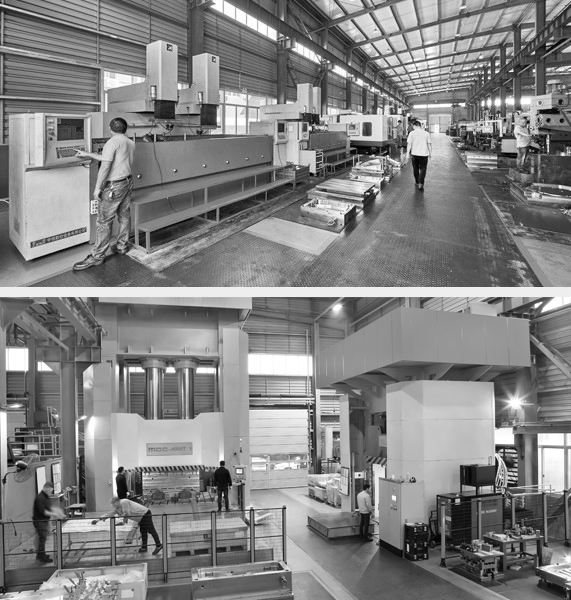
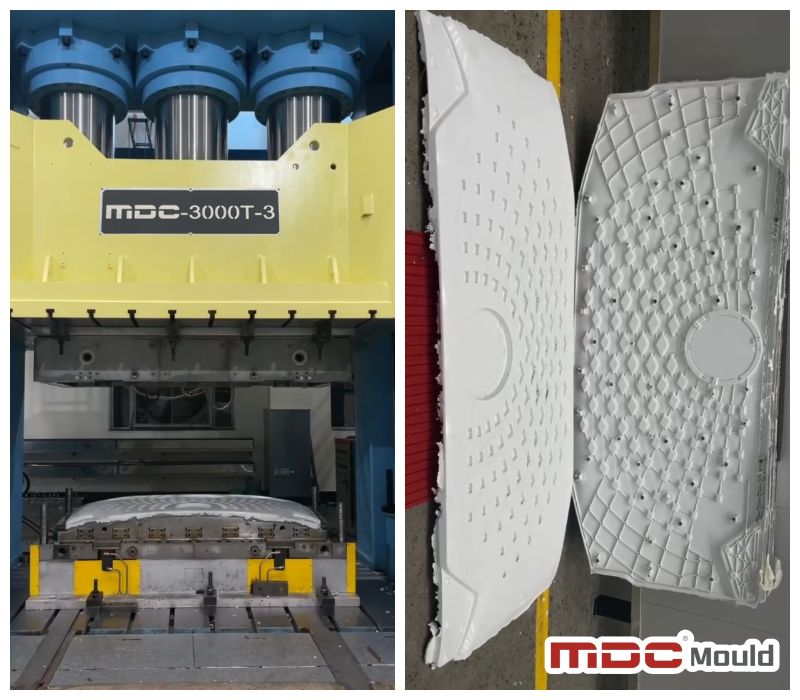
Metallography and Heat Treatment of Molds | Compression Molds & Composite Molds

Explore the importance of metallography and heat treatment in mold manufacturing. Learn how compression molds and composite molds benefit from advanced metallographic analysis and heat treatment processes for durability, performance, and efficiency.

Metallography and heat treatment are essential for ensuring the quality, durability, and performance of molds in advanced manufacturing. In particular, compression molds and composite molds rely heavily on precise metallographic analysis and optimized heat treatment processes to withstand harsh working conditions while maintaining dimensional accuracy.

1. Introduction to Metallography and Heat Treatment of Molds

Metallography examines the microstructure of mold materials, while heat treatment enhances mechanical properties such as hardness, toughness, and dimensional stability. Both are indispensable for mold manufacturing and directly impact production efficiency and product quality.

For industries such as automotive, aerospace, and electronics, where compression molds and composite molds are widely applied, combining metallography with effective heat treatment is critical for reducing maintenance costs and extending mold lifespan.

2. The Role of Metallography in Mold Manufacturing

2.1 Key Benefits of Metallography

  • Microstructure Analysis: Identifies grain size, carbide distribution, and phases that affect toughness and wear resistance.
  • Defect Detection: Locates inclusions, porosity, and cracks that can weaken compression molds and composite molds.
  • Material Verification: Confirms whether steels and alloys meet technical standards for mold applications.

2.2 Application in Compression and Composite Molds

Metallography ensures that compression molds possess uniform grain structures to endure repeated pressurization, while composite molds benefit from microstructural verification that guarantees corrosion and thermal fatigue resistance.

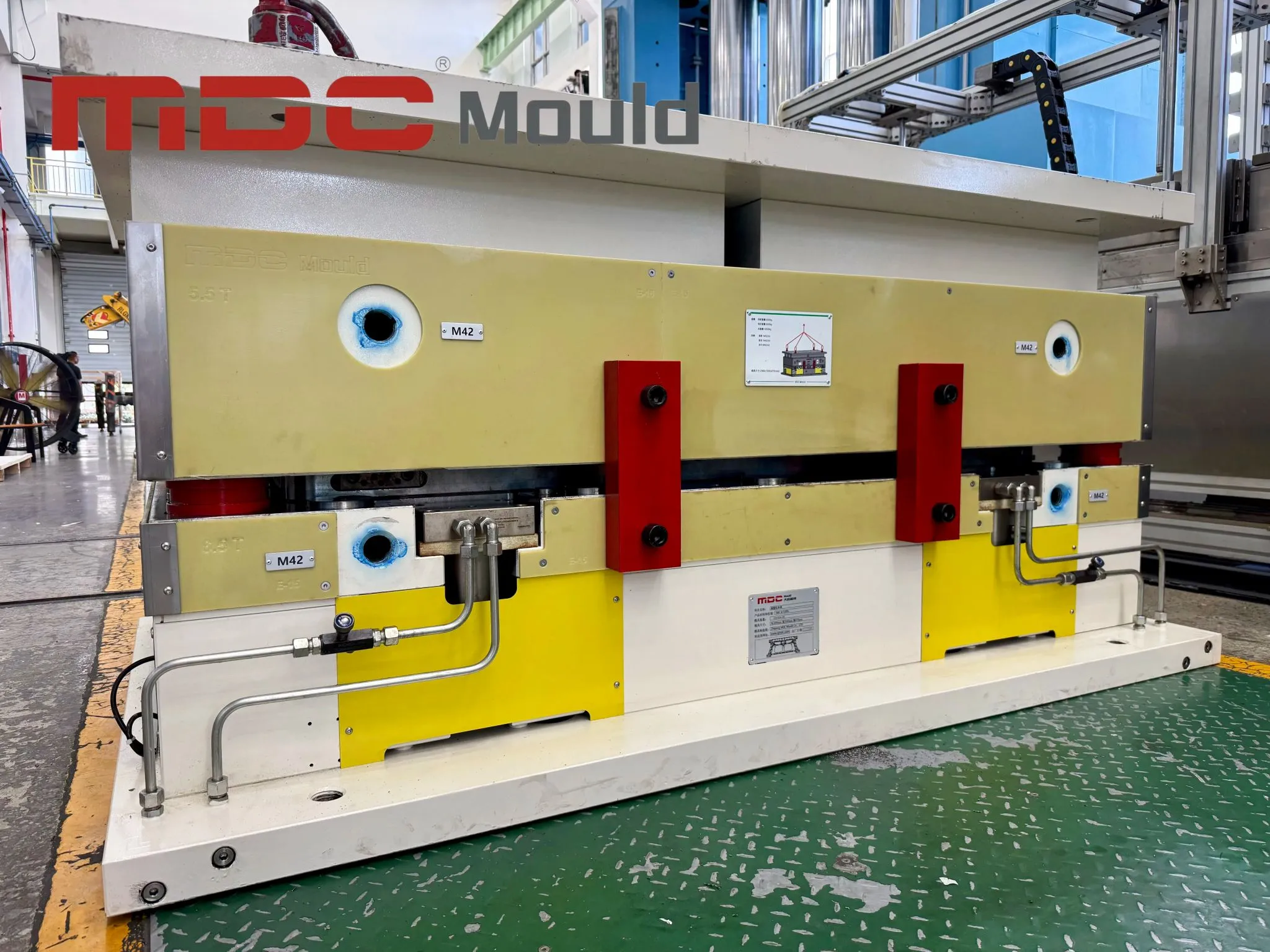
compression molds

3. Heat Treatment for Molds

3.1 Objectives of Heat Treatment

Heat treatment enhances mold material properties, aiming to:

  • Increase hardness and wear resistance.
  • Improve toughness and prevent brittle fractures.
  • Ensure dimensional stability during thermal cycling.
  • Boost fatigue resistance for extended service life.

3.2 Techniques Commonly Used

  • Quenching and Tempering: Produces martensitic structures suitable for steels in compression molds.
  • Nitriding: Creates a hard surface layer, ideal for composite molds exposed to abrasive fillers.
  • Vacuum Heat Treatment: Prevents oxidation, crucial for precision composite mold manufacturing.
  • Cryogenic Treatment: Enhances dimensional stability by transforming retained austenite.

4. Metallography and Heat Treatment in Compression Molds

Compression molds are widely used for thermoset and thermoplastic composite components. Metallography ensures material uniformity, while heat treatment improves toughness and wear resistance. The combination extends mold lifespan, reduces downtime, and enhances product consistency.

5. Metallography and Heat Treatment in Composite Molds

Composite molds must withstand high curing temperatures and chemical reactions from resin systems. Metallographic analysis verifies corrosion resistance, while vacuum and nitriding heat treatments enhance dimensional accuracy and long-term durability.

Industries such as aerospace and automotive increasingly rely on composite molds optimized through advanced metallography and heat treatment, ensuring reliable and lightweight component production.

6. Industry Applications and Case Examples

  • Automotive: Compression molds for producing body panels and interior composites with high wear resistance.
  • Aerospace: Composite molds for lightweight carbon fiber structures requiring high thermal stability.
  • Electronics: Precision molds for encapsulating components, benefiting from nitriding and cryogenic treatments.

7. Future Trends in Metallography and Heat Treatment of Molds

  • Development of advanced tool steels and alloys via powder metallurgy for higher wear resistance.
  • AI-assisted metallographic analysis for faster quality control.
  • Eco-friendly heat treatment techniques such as plasma nitriding.
  • Integration of smart monitoring systems for real-time quality assurance.

Conclusion

Metallography and heat treatment of molds are critical for producing reliable compression molds and composite molds. By integrating microstructural analysis with optimized thermal processes, manufacturers can extend mold life, ensure precision, and achieve higher cost efficiency. In today’s competitive landscape, these technologies provide a strong foundation for innovation in mold manufacturing and advanced material applications.

What is Compression Mold?

Learn what a compression mold is, how the compression molding process works, and why it is widely used for SMC, BMC, and composite parts manufacturing.

Introduction

compression mold is a specialized tool used in the compression molding process, a widely adopted manufacturing method for forming composite parts. It involves placing a preheated material, such as SMC (Sheet Molding Compound)BMC (Bulk Molding Compound), or other thermoset materials, into a heated mold cavity, then applying pressure to shape and cure the material.

Compression molds are essential in industries such as automotive, electrical, construction, and aerospace, where lightweight, high-strength, and heat-resistant components are needed.

Structure of a Compression Mold

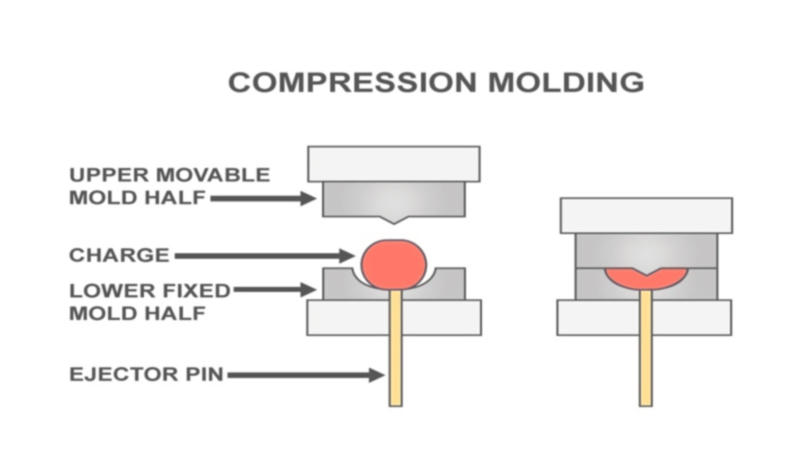
A typical compression mold includes two main halves: the cavity and the core. It may also include:

  • Heating systems – to maintain the required temperature for curing
  • Guide pins and bushings – for accurate mold alignment
  • Ejection mechanisms – to release the molded part after curing
  • Vacuum systems – for gas removal and surface quality improvement

Depending on the application, compression molds can be made from hardened steel, aluminum, or other high-strength alloys. Surface treatments like chrome plating may be applied to improve mold longevity and part release.

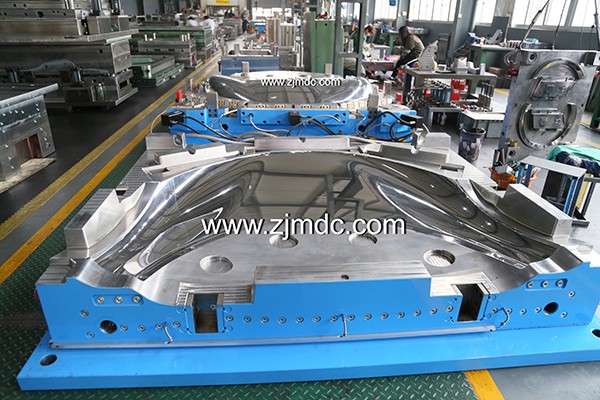
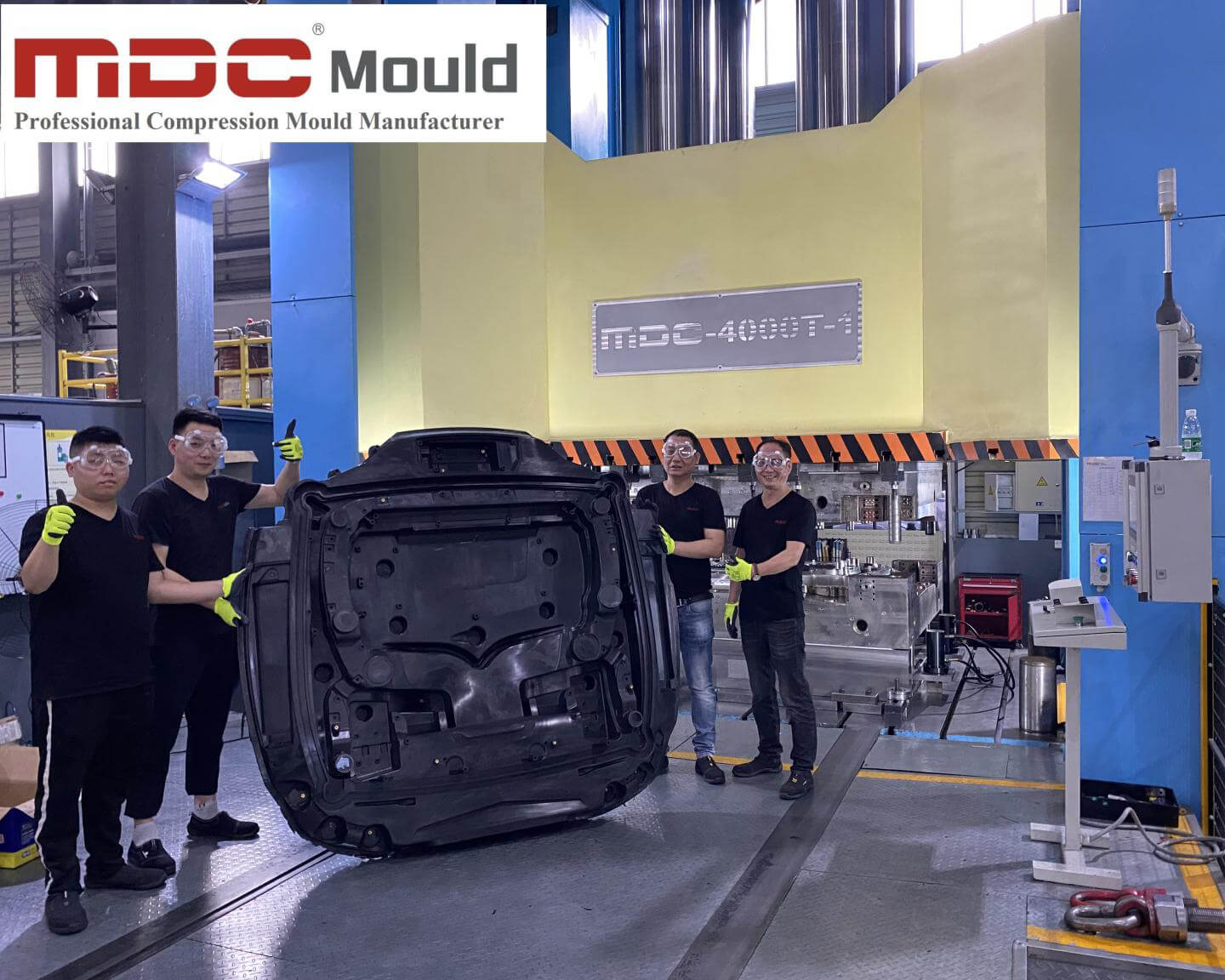
compression mold SMC Engine hood Mold

Compression Molding Process

The compression molding process typically follows these steps:

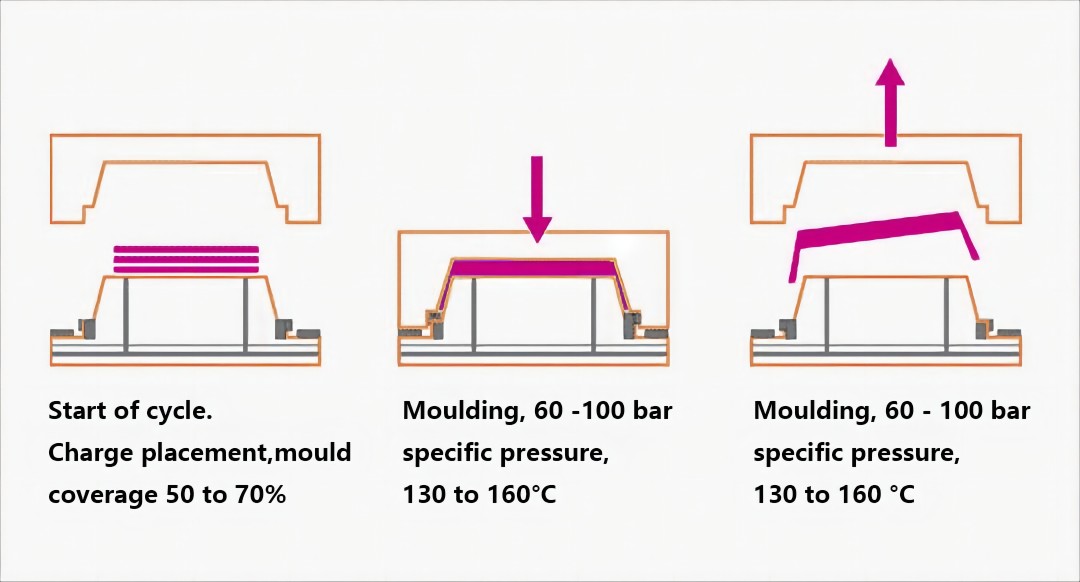
  1. Material Loading: The composite material is loaded into the open mold cavity.
  2. Preheating: The material may be preheated to reduce cycle time and improve flow.
  3. Compression: The mold is closed and pressure is applied using a hydraulic press.
  4. Curing: Heat and pressure are maintained until the material is fully cured.
  5. Demolding: The press opens and the finished part is ejected.

This process is suitable for high-volume production of components with intricate geometries and excellent mechanical properties.

Applications of Compression Mold

Compression molds are used to manufacture various thermoset and composite parts, including:

  • Automotive parts: EV battery enclosures, trunk lids, bumpers, and engine splash shields
  • Electrical housings: Insulators, switchgear, and fuse boxes
  • Construction materials: SMC ceilings, wall panels, water tanks
  • Sanitary products: SMC bathroom panels and bathtubs

Thanks to their strength-to-weight ratio, compression-molded parts are replacing metal and thermoplastic components in many structural and semi-structural applications.

Advantages of Compression Molding

Using a compression mold offers several benefits:

  • High strength and durability – especially with fiber-reinforced composites
  • Lower tooling cost compared to injection molding
  • Reduced material waste and scrap
  • Excellent surface finish for Class-A automotive parts
  • Compatibility with large, complex shapes

For manufacturers seeking reliable and repeatable performance, compression molding with precision molds remains a top choice.

SMC Mold vs. BMC Mold

Both SMC molds and BMC molds are used in compression molding, but they differ slightly:

  • SMC Mold: Designed for sheet-like materials; suitable for larger structural parts
  • BMC Mold: Suited for dough-like bulk materials; ideal for smaller or more detailed parts

Choosing the right mold depends on the geometry, performance, and surface requirements of the final part.

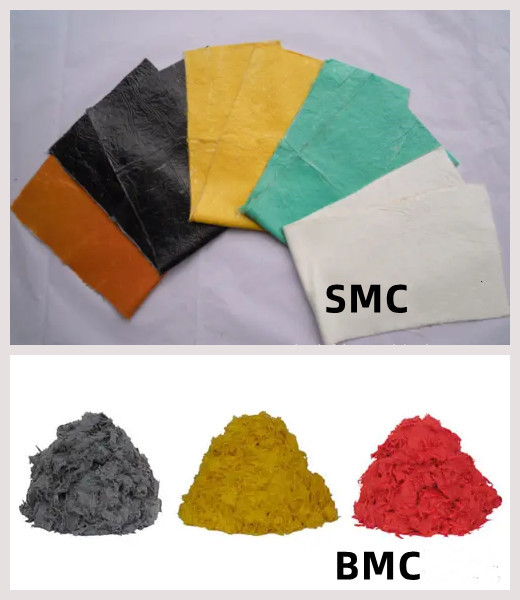
smc vs bmc

Conclusion

compression mold is an integral part of the composite molding industry. From automotive components to building materials, its role in shaping and curing high-performance parts makes it indispensable. With advancements in material science and precision tooling, compression molding continues to evolve and serve as a key process in modern manufacturing.

For companies looking to invest in SMC moldsBMC molds, or custom compression tooling, working with an experienced mold manufacturer is essential to ensure durability, precision, and production efficiency.

Compression Tooling for High-Performance Composite Molding

Explore MDC Mould’s full-service compression tooling solutions for SMC, BMC, GMT, and carbon fiber composites. From design to sampling, we deliver precision molds for high-performance applications.

At Zhejiang MDC Mould Co., Ltd., we specialize in the design and manufacturing of advanced compression tooling for a wide range of composite materials, including SMCBMCGMT, and carbon fiber. With decades of experience in composite mold development, MDC provides turnkey tooling solutions that meet the most stringent demands of the automotive, electrical, sanitaryware, and construction industries.

What Is Compression Tooling?

Compression tooling refers to precision-engineered molds used in the compression molding process to form thermoset composite materials under high temperature and pressure. These molds are typically made of hardened tool steel and comprise an upper and lower cavity. During production, the composite material—such as Sheet Molding Compound (SMC) or Bulk Molding Compound (BMC)—is placed into the mold cavity and pressed into shape.

The efficiency, accuracy, and durability of the tooling directly impact the final product’s quality, mechanical performance, and production cost. That’s why selecting the right compression tooling partner is critical.

Our Expertise in Compression Tooling

MDC Mould is a trusted name in the global composite molding industry, delivering high-precision compression tools for:

  • Automotive parts (EV battery enclosures, trunk boards, splash shields)
  • Electrical enclosures and battery covers
  • SMC water tanks and bathroom components
  • High-strength GMT structural panels
  • Carbon fiber performance parts

With in-house capabilities covering tool design, 3D modeling, mold flow analysis, CNC machining, mold assembly, and mold tryout, we control every stage of the tooling lifecycle.

Compression Tooling Process at MDC

Our standard compression tooling process includes:

  1. Product Analysis: We begin by analyzing customer part geometry, material flow, and expected tolerances.
  2. Tool Design: Using advanced CAD/CAM software, our engineers design the mold to meet performance and durability goals.
  3. Tool Steel Selection: We use high-grade P20, H13, 718H, or other steels based on required hardness, thermal conductivity, and wear resistance.
  4. CNC Machining: Precision machining is performed in-house using 3-axis, 4-axis, and 5-axis CNC systems for maximum accuracy.
  5. Polishing & Surface Treatment: Polished or textured surfaces are applied according to the product design—chrome plating, Teflon coating, or mirror finishes available.
  6. Tryout & Sampling: We conduct complete mold tryouts with hydraulic press machines and provide test samples before delivery.
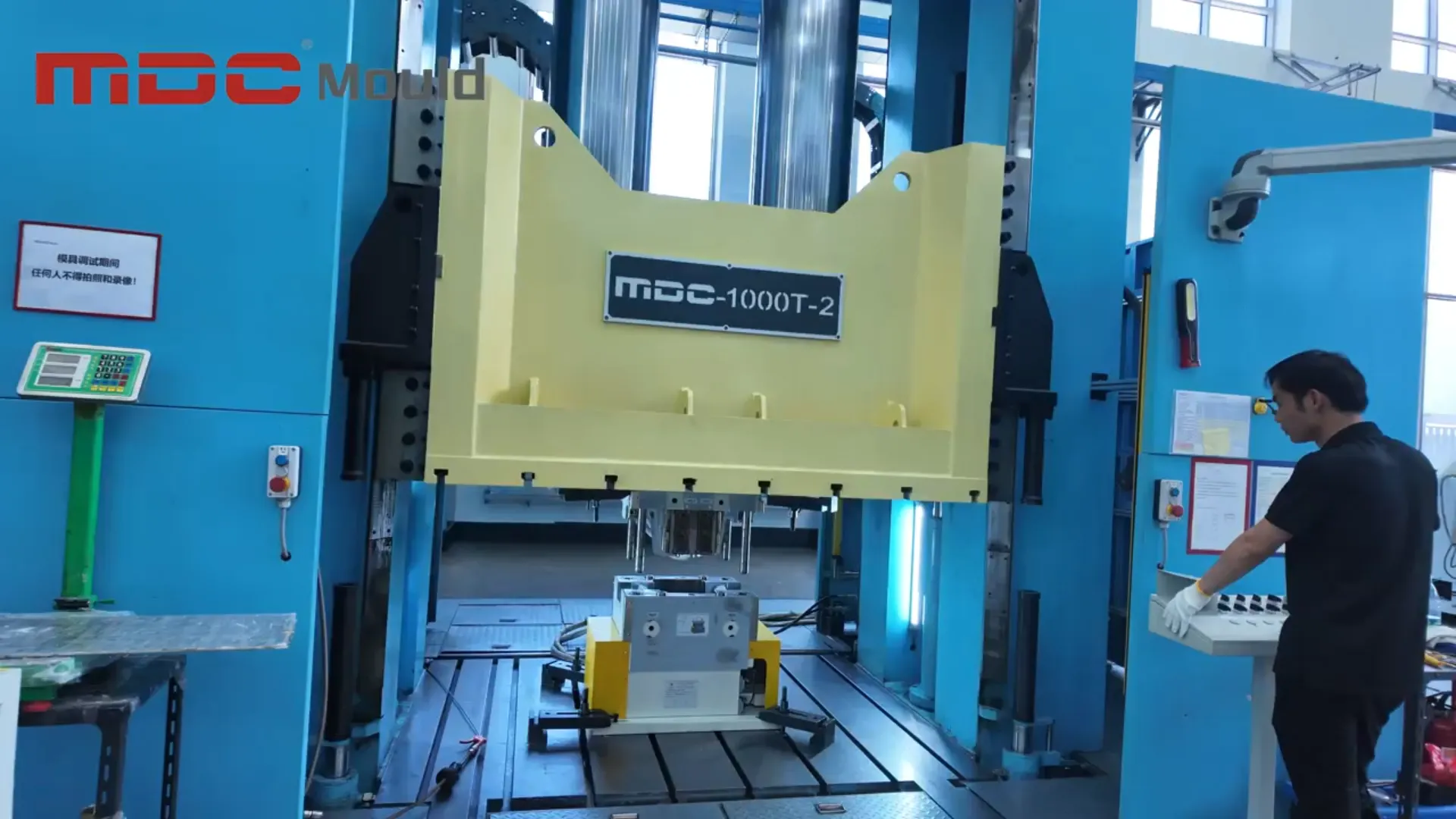
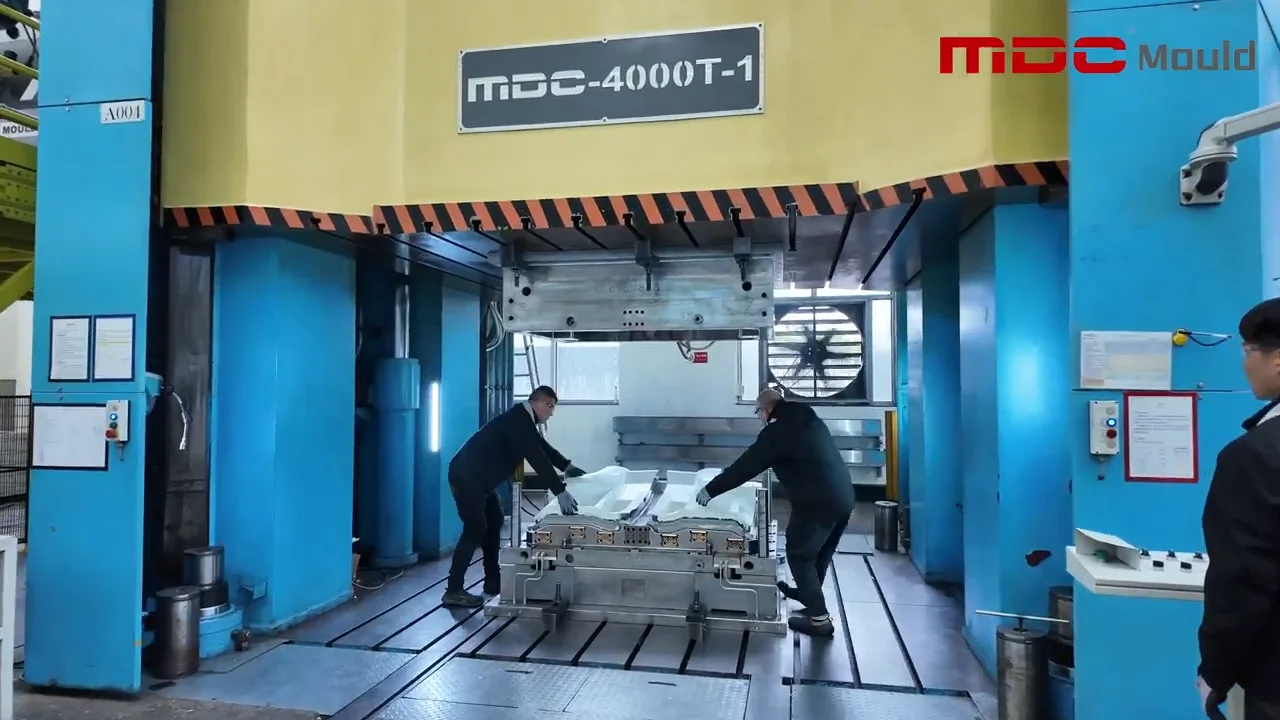
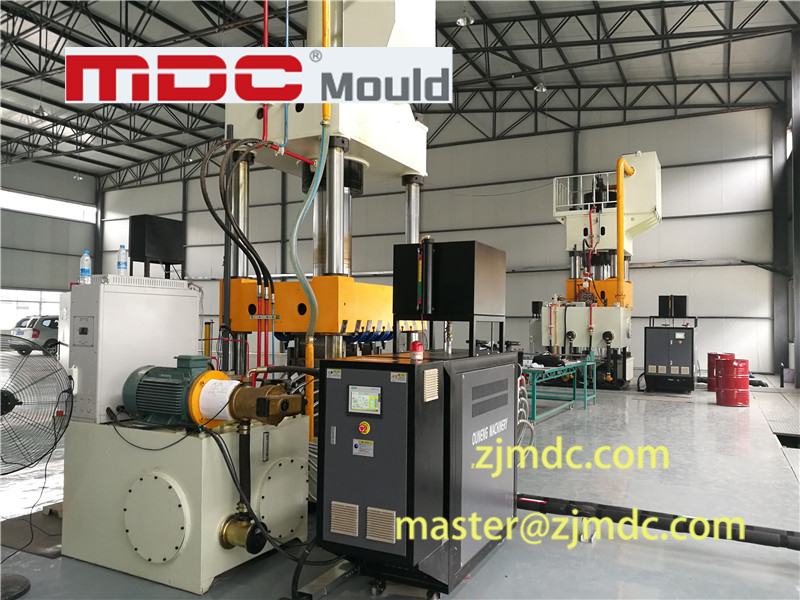
compression mould machine

Advantages of MDC Compression Tooling

  • High Precision: Tolerances controlled within ±0.05 mm ensure consistent product dimensions and fit.
  • Durability: Hardened tooling with optimized cooling systems increases mold life and production efficiency.
  • Versatility: Compatible with thermoset materials such as SMC, BMC, GMT, and carbon fiber preforms.
  • Customization: Fully customized mold cavities, lifters, ejector systems, and surface textures to suit each client’s product requirements.
  • Complete In-House Manufacturing: All stages—from design to polishing—are performed under one roof.

Applications of MDC Compression Molds

Our compression molds are used in a wide range of industries:

  • Automotive: SMC trunk lids, EV battery trays, fenders, hoods
  • Construction: GRP panels, water tanks, utility covers
  • Electrical: Circuit breaker enclosures, junction boxes
  • Sanitaryware: SMC bathroom walls, bathtubs, ceilings
  • Rail & Aerospace: Lightweight GMT/carbon fiber interior panels

Why Choose MDC for Compression Tooling?

As a full-service composite mold manufacturer, MDC Mould stands out with:

  • Over 20 years of experience in composite tooling and thermoset compression molds
  • A complete production line for mold making, sampling, and small-batch trial runs
  • Expertise in demolding solutions and complex part geometry
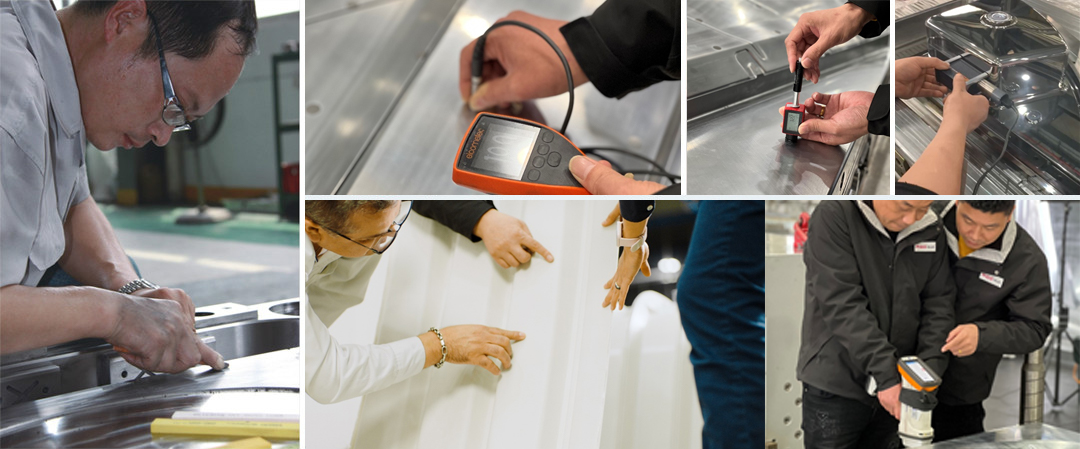
  • Strict quality inspection (CMM, hardness, roughness, mold function test)
  • Timely global delivery and responsive after-sales support

Whether you’re launching a new composite part or optimizing an existing mold, MDC Mould offers reliable compression tooling to support your success.

Contact Us

Looking for high-quality compression tooling for your composite product line? Contact Zhejiang MDC Mould Co., Ltd. today to discuss your project. Our experienced team is ready to deliver precision tools that meet your performance, timeline, and budget requirements.

Visit www.zjmdc.com or email us to get a free consultation and quotation.

Composite Compression Molds with Pre-Shipment Chroming Plated Finish

In the modern landscape of composite material manufacturing, Composite Compression Molds play a vital role in producing lightweight, durable, and high-performance components. These molds are widely used in industries such as automotive, electrical, aerospace, and sanitaryware, particularly for processing thermoset materials like SMC (Sheet Molding Compound), BMC (Bulk Molding Compound), and carbon fiber prepregs.

One of the most critical enhancements to these molds is the application of a pre-shipment chroming plated surface treatment. This chrome plating not only protects the mold surface but also improves part quality and extends the mold’s operational lifespan. This article explores the structure, advantages, and surface treatment of composite compression molds, with a focus on chrome plating prior to delivery.

Understanding Composite Compression Molds

Composite compression molds are precision-engineered tools designed to shape composite materials under heat and pressure. They are typically used in hydraulic or mechanical press machines. These molds are commonly designed as two halves — a male and a female mold — that enclose the composite charge during molding.

Composite Compression Mold

Common Materials Processed

  • SMC (Sheet Molding Compound)
  • BMC (Bulk Molding Compound)
  • Carbon Fiber Reinforced Plastics (CFRP)
  • Glass Mat Thermoplastics (GMT)
  • Thermoset Laminates

Key Applications

  • Automotive panels and doors
  • Truck and EV battery enclosures
  • Electrical housings and switchboards
  • Shower trays, bathtubs, and wash basins
  • Carbon fiber structural parts

Design and Engineering Considerations

Composite compression molds require robust structural integrity and dimensional precision to withstand repetitive press cycles. Critical considerations include:

  • Thermal control: Integrated heating and cooling systems for optimal resin curing
  • Fiber orientation: Mold geometry should accommodate proper fiber flow and pressure distribution
  • Demolding structure: Draft angles, ejector systems, and surface coating must support easy release of parts
  • Durability: Use of premium mold steels like P20, H13, or hardened tool steel to resist wear and deformation

What is Pre-Shipment Chroming Plated Finish?

Chroming plated finish, or hard chrome plating, is a process in which a thin layer of chromium is electroplated onto the mold surface. For composite molds, this treatment is typically applied after final polishing and before shipment. It provides a high-hardness, corrosion-resistant surface that enhances the mold’s performance in a high-pressure, high-temperature molding environment.

Key Benefits of Chrome Plating for Composite Molds

  • Wear resistance: Extends mold life in abrasive composite molding processes
  • Corrosion protection: Prevents rust and chemical degradation from aggressive resin systems
  • Surface finish quality: Achieves smooth, high-gloss part surfaces with minimal post-processing
  • Release performance: Reduces sticking, improves demolding efficiency, and lowers the need for mold release agents
  • Dimensional stability: Maintains mold tolerances across thousands of cycles
truck step

Why Pre-Shipment Chrome Plating Matters

At MDC Mould, every mold undergoes a detailed surface treatment process before shipment. The pre-shipment chroming plated finish is one of our quality assurance commitments to ensure customers receive ready-to-use molds that deliver long-term value.

Our Chrome Plating Process Includes:

  1. Surface preparation: Polishing and degreasing
  2. Nickel undercoat (optional): For enhanced adhesion and durability
  3. Hard chrome electroplating: Thickness ranging from 0.02mm to 0.1mm depending on mold type
  4. Final inspection and measurement: To confirm surface hardness, gloss, and uniformity

Quality Control and Export Standards

Our chrome-plated molds are tested under simulated working conditions to ensure their resistance to thermal fatigue and chemical attack. MDC complies with international standards including ISO 9001, and all molds are shipped with:

  • 3D and 2D drawings
  • Material certificates
  • Chroming thickness reports
  • Trial mold video and photos
smc truck step

Industries That Benefit from Chrome-Plated Composite Molds

  • Automotive: EV battery covers, interior trims, trunk boards
  • Sanitaryware: Bathroom base panels, SMC bathtubs
  • Energy sector: Composite electrical boxes and wind blade components
  • Aerospace: Carbon fiber panel forming tools

Conclusion

Composite compression molds with pre-shipment chroming plated finish represent the optimal solution for manufacturers demanding high surface quality, longer tool life, and minimal maintenance. At MDC Mould, we integrate advanced tooling design with precision surface treatment to deliver turnkey molds that exceed global industry expectations.

If you’re seeking a long-term partner in compression molding technology, MDC Mould is ready to support your project from design to delivery.

Contact MDC Mould for Customized Composite Tooling Solutions

Learn more at www.zjmdc.com or contact us directly for consultation and quotation.

Precision Cooling Fixtures and 3D Scanning Inspection

Explore how MDC Mould combines custom-designed cooling fixtures and high-precision 3D scanning inspection to ensure dimensional stability in molded SMC parts.

In modern composite molding—particularly in SMC (Sheet Molding Compound) and BMC (Bulk Molding Compound) processes—dimensional accuracy, repeatability, and post-molding stability are fundamental. As a leading mold manufacturer, MDC Mould is continuously optimizing not just the tooling, but the entire downstream validation process. This article introduces our latest innovation: a custom cooling fixture engineered in-house and integrated with advanced 3D scanning inspection to guarantee consistent and reliable dimensional control.

Why Dimensional Stability Matters in Composite Molding

Composite materials like SMC and BMC are known for their excellent strength-to-weight ratio, corrosion resistance, and design flexibility. However, they are also prone to thermal shrinkage and post-molding deformation due to temperature differentials, uneven pressure, or uncontrolled cooling. Without a strategy to simulate real-use cooling conditions, even a precisely molded part may fall outside tolerance during the cooling phase.

To mitigate this, MDC Mould has developed a process that combines custom part-specific cooling fixtures with non-contact 3D metrology, bridging the gap between mold fabrication and functional performance verification.

Our Custom Cooling Fixture: Designed for Functionality and Accuracy

The cooling fixture is more than just a supporting frame—it is a precision-engineered device tailored to the exact geometry of the molded part. Here’s how it works:

  • Shape Conformance: The fixture mirrors the molded part’s final geometry, ensuring uniform cooling without stress points or sagging.
  • Post-Molding Simulation: By simulating how the part would cool in real use, we prevent unrealistic deformation during measurement.
  • Stabilization During Scanning: The fixture holds the part in position to enable reliable and repeatable 3D inspection.
  • Material-Specific Tuning: Each fixture is designed with the thermal behavior of the composite material in mind.

Fixtures are custom-built in our tool shop using CAD/CAM systems, ensuring high fitting accuracy and repeatability. This integration of engineering design with quality inspection reflects our deep understanding of mold-formed component behavior.

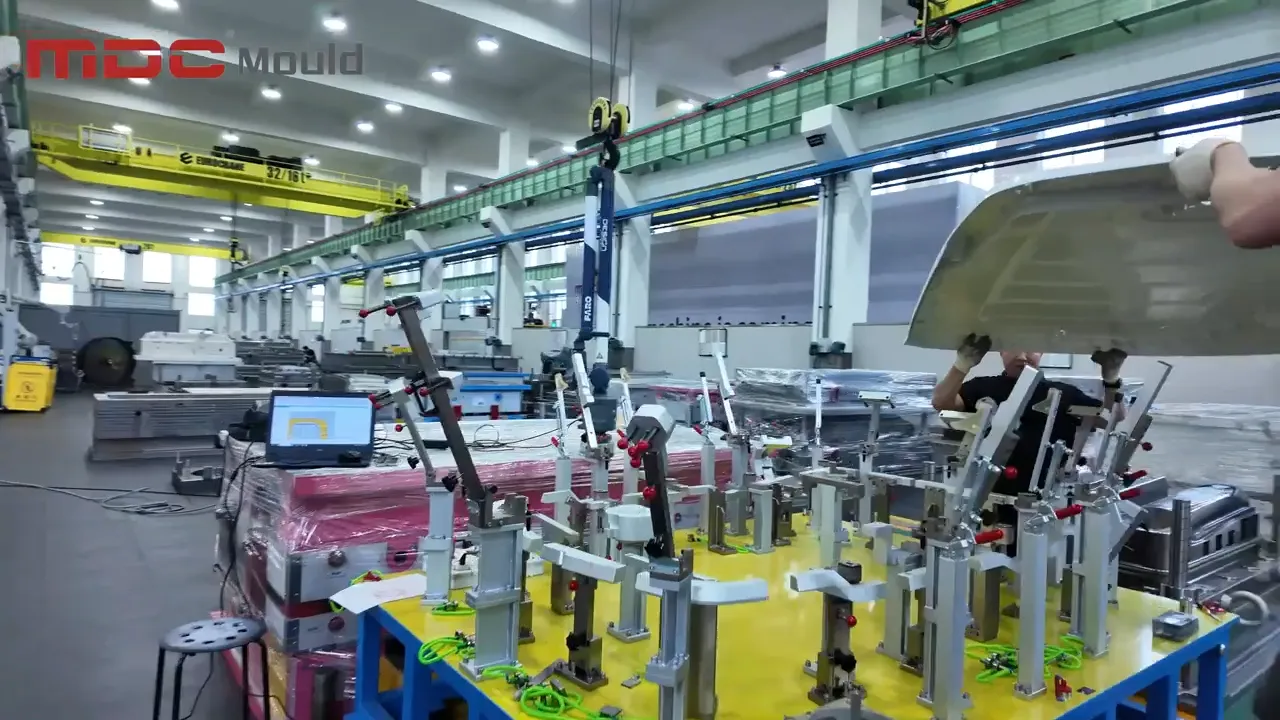
Precision Fixtures

Advanced 3D Scanning Inspection for High-Resolution Feedback

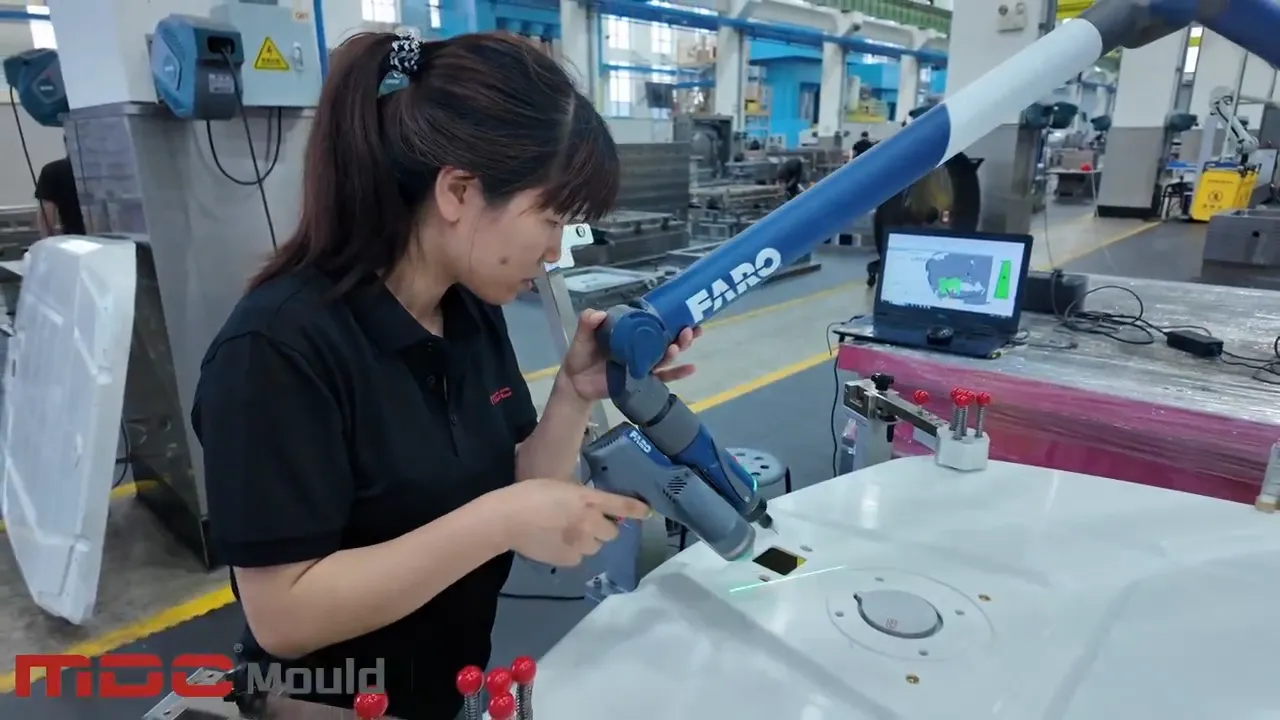
Once the part is fully cooled and stabilized, it is scanned using state-of-the-art 3D scanning equipment that generates detailed point cloud data. We then:

  • Align the scan data with the original CAD model
  • Run full 3D dimensional analysis with deviation mapping
  • Generate a complete 3D inspection report with color-coded tolerances
  • Deliver this report to the customer for transparent feedback and sign-off

This non-contact inspection process is faster, more accurate, and more comprehensive than traditional CMM-based techniques, especially for freeform or large-area parts.

Integrated Quality Assurance: Closing the Loop

Our combined use of cooling fixtures and 3D scanning inspection offers an end-to-end solution for dimensional control. This method ensures that the molded part conforms not only to its designed geometry, but also to its functional form after cooling—the true test of manufacturing success.

Benefits at a Glance:

  • Reduced rejection rates through early detection of dimensional drift
  • Repeatable QA procedures that can be benchmarked and scaled
  • Enhanced customer trust through full transparency of inspection data
  • Faster iterations for pilot runs and new product development
3D Scanning Inspection

Applications Across Industries

This solution is particularly suited to industries where geometric precision and thermal stability are critical, including:

  • Automotive: Battery covers, inner roof panels, trunk boards, engine splash shields
  • Electrical: Enclosures and insulators made from BMC/SMC
  • Infrastructure: GRP water tank components with large surface areas
  • Aerospace: Lightweight structural panels requiring strict tolerance control

Why Choose MDC Mould?

We’re more than a mold supplier—we are a comprehensive partner in precision manufacturing. From mold design and tool fabrication to post-molding inspection and process optimization, MDC Mould provides a complete solution rooted in engineering excellence.

With a focus on composite mold development—including SMC moldsBMC moldscarbon fiber tooling, and compression molds—we understand the challenges and requirements of your applications.

Let’s Engineer Success Together

If your project demands tight tolerances, high repeatability, and confidence in quality assurance, MDC Mould is your trusted partner. Contact us today to learn how our cooling fixtures and 3D inspection workflows can add value to your production line.

Precision Starts from Within: The Role of Deep Hole Drilling in Mold Manufacturing

Explore how MDC Mould utilizes advanced CNC deep hole drilling technology to enhance composite mold performance, cooling systems, and tool reliability for SMC, BMC, and thermoset applications.

In the world of high-performance mold manufacturingdeep hole drilling is more than just a machining step—it’s a precision process that defines the long-term success of a mold. At MDC Mould, we apply high-accuracy CNC deep hole drilling machines to prepare the internal structure of each mold before it enters fine machining. This ensures not only precision, but long-term mold performance and product reliability.

What is Deep Hole Drilling?

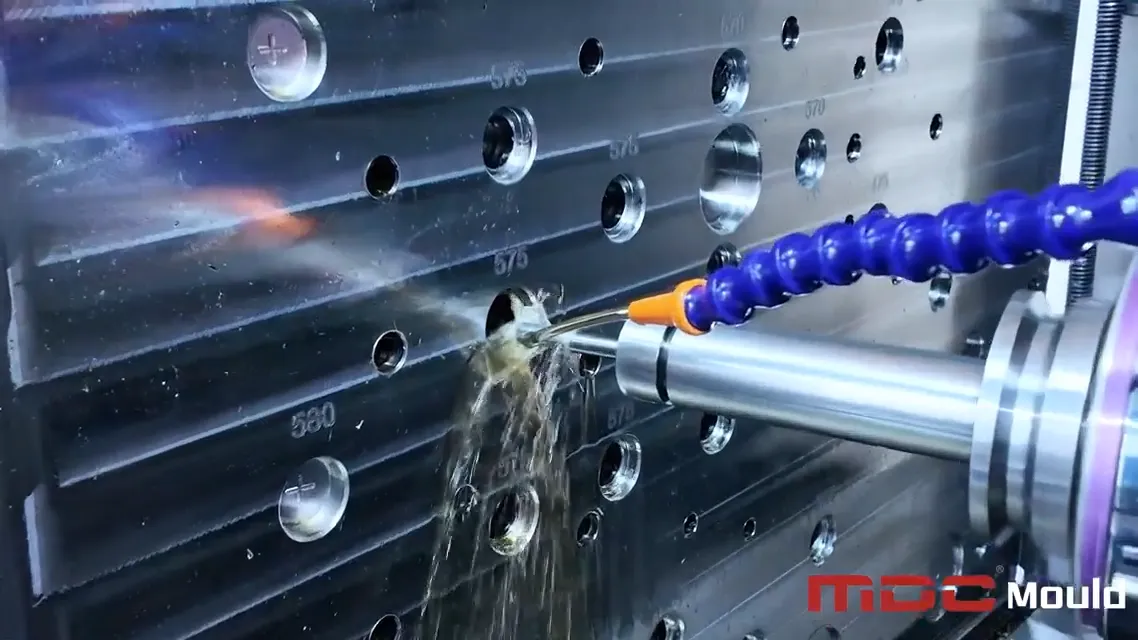
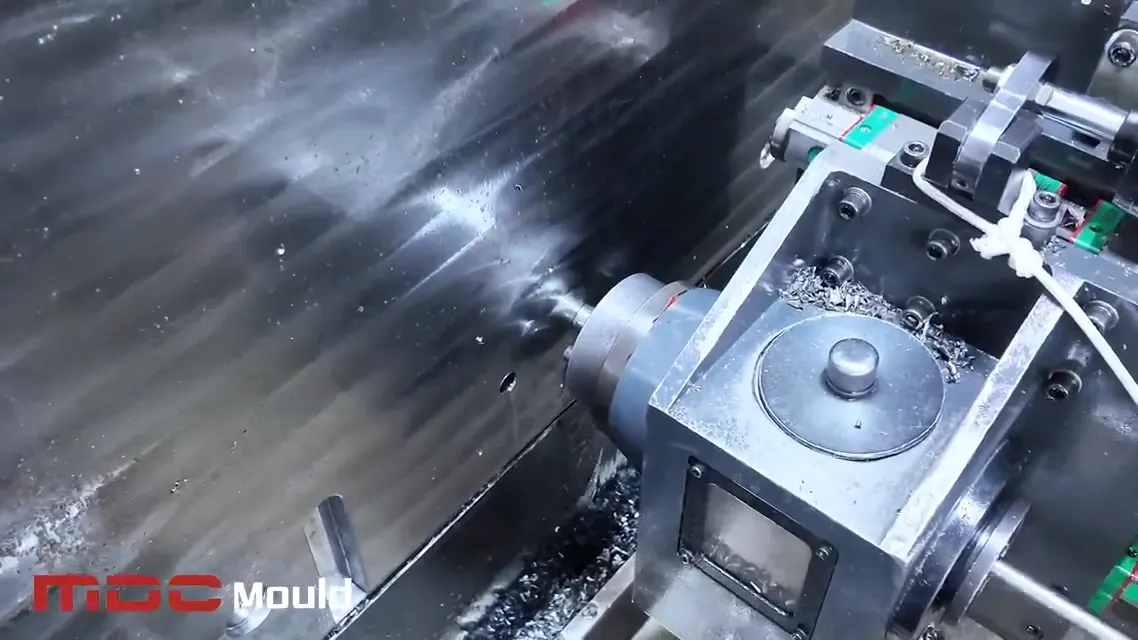
Deep hole drilling refers to the process of machining holes with a high depth-to-diameter ratio, typically for mold components that require internal fluid flow paths. Our CNC drilling equipment delivers tight tolerances, excellent straightness, and smooth internal surfaces critical for high-performance mold operations.

Deep Hole Drilling

Applications of Deep Hole Drilling in Composite Molds

Our drilling processes play a vital role in optimizing mold function and performance across multiple areas:

1. Cooling Water Channels

Precision-drilled cooling channels allow for efficient heat transfer and shorter cycle times in compression molding and injection molding operations.

2. Ejector Pin Guide Paths

Accurate ejector pin paths ensure smooth demolding, reducing wear and avoiding misalignment during part ejection.

3. Vacuum and Venting Lines

In SMC/BMC composite molds, vacuum lines and vents are essential to eliminate trapped air and improve part quality by minimizing surface defects.

4. Oil Heating Channels

Thermoset molds often require oil-based heating. Our high-precision drilling ensures leak-free, thermally optimized channels to maintain stable mold temperatures during production.

Why Accuracy in Drilling Matters

The quality of a mold’s internal channels has a direct effect on its long-term functionality and energy efficiency. Key benefits of precision deep hole drilling include:

  • Uniform mold temperature distribution
  • Shorter cycle times due to optimized thermal control
  • Increased mold lifespan with reduced stress
  • Fewer defects and improved part surface quality
  • Improved energy efficiency and productivity

Every channel drilled is more than a hole—it’s a foundation for consistent mold performance and production stability.

Mold Manufacturing

Advanced Equipment for High-Performance Tooling

Our facility is equipped with multi-axis CNC deep hole drilling machines capable of producing high-precision holes even in complex mold geometries. We support drilling in:

CNC Deep Hole Drilling Capabilities

At MDC Mould, our deep hole drilling process incorporates:

  • Precision tolerances down to ±0.05mm
  • Drilling depths up to 1500mm with excellent straightness
  • Surface finishes meeting Ra ≤ 1.6μm
  • Compatibility with hardened steels, aluminum, copper, and thermoset tooling plates

Our integrated CAD/CAM system ensures each drilled hole aligns perfectly with 3D mold designs, reducing downstream machining errors and improving manufacturing efficiency.

MDC Mould: Your Trusted Partner in Composite Tooling

At MDC Mould, we offer end-to-end mold making services—from concept and CAD design to tooling and delivery. Our expertise in deep hole drilling supports the long-term success of your composite tooling projects.

We are dedicated to solving technical challenges in thermoset compression molding and continuously invest in precision engineering and tooling innovation to meet the evolving needs of global industries.

Continuous Compression Molding: Process, Benefits, and Applications

Learn everything about continuous compression molding technology including process steps, advantages, material compatibility, and industrial applications.

Introduction to Continuous Compression Molding

Continuous compression molding (CCM) is a state-of-the-art technique used to produce high-strength composite components at scale. Unlike traditional batch compression molding, CCM provides a continuous, efficient, and consistent way to form materials into finished parts, especially suitable for long-length components made from thermoplastics and thermosets.

How Continuous Compression Molding Works

CCM involves continuously feeding a composite sheet—typically reinforced with glass or carbon fibers—into heated compression zones. These areas press the material into a specific shape using consistent heat and pressure. Once molded, the material passes through a cooling section and is cut to the desired length. The result: strong, uniform, and lightweight molded profiles ready for automotive, construction, or industrial use.

compression-molding

Advantages of Continuous Compression Molding

  • High production efficiency for long composite profiles
  • Minimal material waste due to net-shape forming
  • Improved mechanical properties due to fiber alignment
  • Uniform thickness and consistent quality
  • Low labor and operating costs

Materials Used in CCM

Both thermoset and thermoplastic composites are used, including:

  • SMC (Sheet Molding Compound)
  • BMC (Bulk Molding Compound)
  • Glass Fiber Reinforced Thermoplastics (GFRT)
  • Carbon Fiber Reinforced Plastics (CFRP)
  • Long Fiber Thermoplastics (LFT)

Applications of Continuous Compression Molding

This process is widely applied in industries requiring high-strength, lightweight parts:

Automotive Components

  • Underbody shields
  • Structural reinforcements
  • Interior trims (LWRT)
  • Battery enclosures
  • Load floors

Construction and Building Materials

  • Wall cladding
  • Ceiling panels
  • Roofing profiles

Electrical & Industrial

  • Electrical boxes and panels
  • Utility trays

Comparison: Thermoset vs Thermoplastic in CCM

PropertyThermoplasticThermoset
RecyclabilityHighLow
Processing SpeedFaster coolingSlower curing
Temperature ResistanceHigherModerate

Why Choose Continuous Compression Molding?

If you are seeking a solution for high-volume composite part production with enhanced performance and reduced costs, CCM is an ideal choice. With its adaptability to various composite materials and automation compatibility, this technique meets modern industrial needs for lightweight, durable, and efficient manufacturing.

For more on composite molding technologies including compression moldingcarbon fiber moldingSMC tooling, and lightweight automotive solutions, follow our blog or contact us today.

What Are the Different Types of Tooling Compression Machines?

Explore the different types of tooling compression machines used in SMC, BMC, and composite molding. Learn about hydraulic, upstroke, downstroke, vacuum, and multi-daylight presses.

Compression molding is a widely adopted manufacturing process for producing high-strength, lightweight composite components. Central to this process is the use of tooling compression machines, which apply heat and pressure to mold thermoset and thermoplastic materials such as SMC (Sheet Molding Compound)BMC (Bulk Molding Compound), and carbon fiber prepregs. In this article, we explore the various types of compression molding machines available today, their features, applications, and how to select the right equipment for your manufacturing needs.

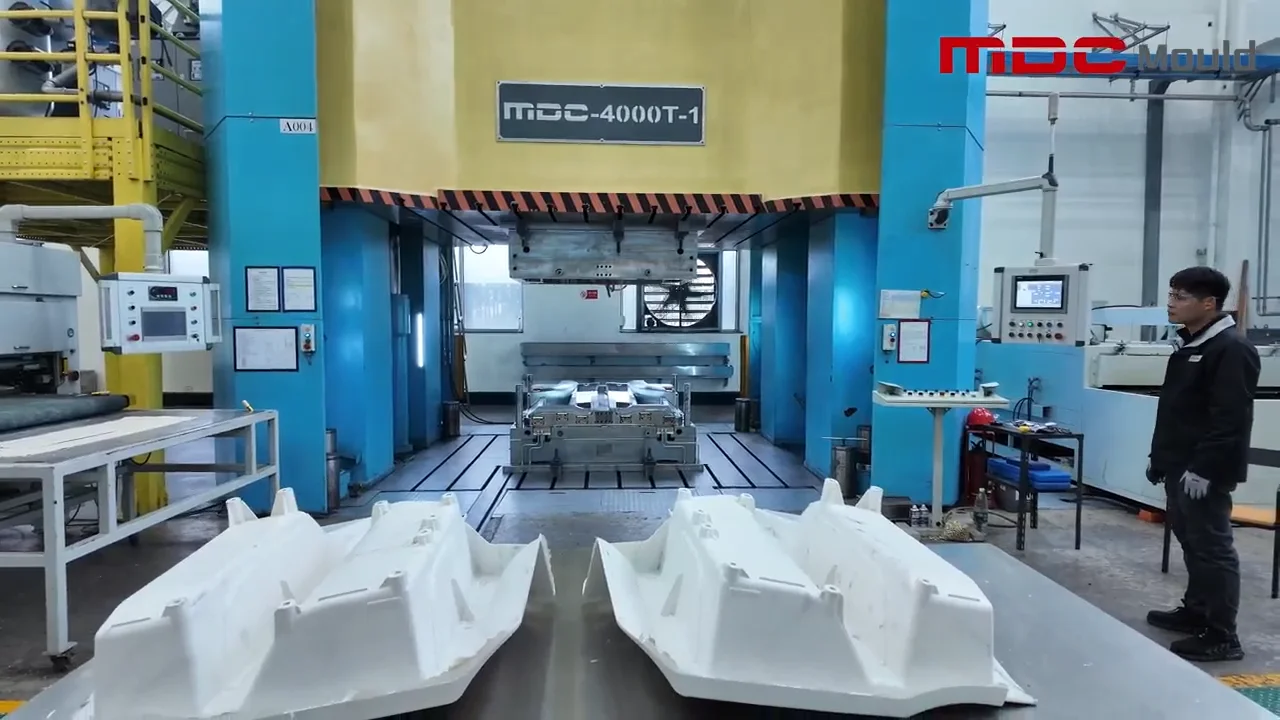
compression mould machine

1. Hydraulic Compression Molding Machines

Hydraulic presses are the most common type of tooling compression machines. They use a hydraulic cylinder to apply controlled force to the mold cavity. These machines are suitable for medium to high-volume production and are ideal for molding large or complex parts with excellent dimensional accuracy.

  • Applications: SMC auto parts, BMC electrical components, FRP panels
  • Key features: Adjustable pressure, programmable heating, uniform force distribution
  • Advantages: High clamping force, energy-efficient, precise control

2. Upstroke (Bottom-Up) Compression Press

Upstroke presses move the lower platen upward to meet a fixed upper platen. This design is often preferred when clear space is needed above the tooling, such as in automated lines with robot integration.

  • Applications: Composite molds, BMC and SMC parts, aerospace components
  • Advantages: Less upper structure, more compact footprint, easy integration

3. Downstroke (Top-Down) Compression Press

Downstroke machines operate by bringing the upper platen down onto a fixed lower platen. They are suitable for heavy-duty applications that require robust construction and consistent force application.

  • Applications: Automotive bumpers, structural panels, utility enclosures
  • Advantages: Stable base, strong alignment, high-force capability

4. Vacuum Compression Molding Machines

Vacuum compression machines are equipped with a vacuum chamber to evacuate air from the mold during pressing. This prevents air entrapment and results in parts with better surface quality and mechanical performance.

  • Applications: Carbon fiber molds, aerospace-grade composites, high-precision SMC/BMC parts
  • Advantages: Air-free molding, enhanced surface finish, better fiber wet-out

5. Multi-Daylight Compression Molding Machines

Multi-daylight presses are designed with multiple platens to mold several components simultaneously. This design increases production output and efficiency without expanding floor space.

  • Applications: High-volume production, electrical insulators, brake pads
  • Advantages: Higher productivity, energy savings, space optimization

6. Servo-Hydraulic Compression Machines

Servo-hydraulic presses combine servo motors with traditional hydraulics for precise speed and pressure control. They offer greater repeatability and energy efficiency than conventional hydraulic presses.

  • Applications: Precision composite parts, electronic enclosures, structural components
  • Advantages: Lower energy usage, fine-tuned motion control, lower noise

7. Electric Compression Molding Machines

These machines use electric actuators instead of hydraulic systems. Although less common in heavy-duty applications, they are growing in popularity for smaller composite and thermoplastic parts due to their clean operation and energy efficiency.

  • Applications: Thermoplastic molding, laboratory settings, prototyping
  • Advantages: No hydraulic fluid, minimal maintenance, faster response

How to Choose the Right Tooling Compression Machine

When selecting a compression molding machine, consider the following:

  • Part size and complexity: Larger or more complex parts require higher tonnage and larger platen sizes.
  • Material type: Thermosets like SMC or BMC require precise temperature and pressure control.
  • Production volume: High-output systems like multi-daylight presses improve cycle time efficiency.
  • Automation requirements: Servo or upstroke designs work well with robotic handling systems.
  • Vacuum or non-vacuum: For high-spec composite molding, a vacuum system improves part quality.
compression moulded tractor roof

Conclusion

Tooling compression machines come in many configurations to suit the wide-ranging needs of composite manufacturing. From traditional hydraulic systems to modern servo-hydraulic and vacuum-equipped presses, each type offers unique advantages based on the part design, material characteristics, and production goals. Whether you’re producing SMC automotive panelsBMC electrical enclosures, or carbon fiber structural components, selecting the right compression molding machine is essential for ensuring product quality, repeatability, and cost-efficiency in your production line.

Compression Molding and Forming: A Beginner’s Guide

Learn the fundamentals of compression molding and forming. Discover key steps, materials, and techniques to enhance production efficiency with MDC Mould’s expertise.

Discover the fundamentals of compression molding, key techniques, and essential tips for achieving high-quality results.

What is Compression Molding?

Compression molding is a manufacturing technique that shapes materials like SMC (Sheet Molding Compound)BMC (Bulk Molding Compound), and carbon fiber composites. It’s ideal for creating durable, high-performance components with complex geometries.

SMC compression moulding process

Key Steps in the Compression Molding Process

  • Material Preparation: Preheat materials like SMC, BMC, or rubber for better flow and faster curing.
  • Mold Loading: Proper material placement ensures uniform pressure and prevents defects.
  • Compression and Curing: Heat and pressure are applied to shape and solidify the material.
  • Cooling and Demolding: Controlled cooling reduces shrinkage and enhances dimensional stability.
  • Trimming and Finishing: Flash removal, sanding, and coating improve the final product.

Common Materials for Compression Molding

MaterialCharacteristicsApplications
SMC (Sheet Molding Compound)High strength, corrosion resistanceAutomotive parts, electrical enclosures
BMC (Bulk Molding Compound)Heat resistance, dimensional stabilityAppliance parts, electrical components
RubberFlexible, durable under pressureSeals, gaskets, vibration dampers
Carbon Fiber CompositesLightweight yet extremely strongAerospace, automotive, performance parts

Advantages of Compression Molding

  • Cost-Effective: Ideal for large parts with minimal material waste.
  • High Strength and Durability: Ensures robust products for demanding applications.
  • Complex Geometries: Capable of producing intricate designs with precise details.
  • Excellent Surface Finish: Provides smooth, high-quality surfaces that require minimal post-processing.
compression mold equipments

Challenges in Compression Molding

  • Longer Cycle Times: Thermoset materials often require extended curing periods. Optimizing mold temperature reduces delays.
  • Material Waste: Flash removal is necessary but can be minimized with precise mold design.
  • Tooling Costs: While initial costs are higher, durable molds offset these expenses in high-volume production.

Expert Tips for Beginners

  • Choose the Right Material: Select materials like SMC, BMC, or rubber based on your product’s durability and finish needs.
  • Optimize Mold Design: Add proper venting to improve pressure distribution and reduce trapped air.
  • Control Temperature and Pressure: Fine-tune these settings for consistent quality and reduced cycle times.
  • Prioritize Mold Maintenance: Regular cleaning and lubrication enhance mold longevity.

Applications of Compression Molding

Compression molding is a versatile method used in various industries for producing durable, complex parts.

  • Automotive: Engine covers, battery enclosures, and body panels.
  • Electrical: Switchgear, insulators, and circuit breaker housings.
  • Aerospace: Lightweight carbon fiber composite parts for enhanced performance.
  • Consumer Goods: Kitchen appliances, furniture parts, and sporting equipment.
compression mold

Conclusion

Compression molding is a powerful solution for creating durable, complex parts across multiple industries. For precise, high-performance molds, trust MDC Mould for professional solutions tailored to your needs. Mastering compression molding techniques and material selection ensures faster production cycles, improved quality, and reduced costs.

How Long Does Compression Molding Take?

Learn how long compression molding takes, including factors affecting cycle time, material considerations, and ways to optimize production efficiency.

Discover the key factors that influence compression molding cycle time and how to optimize production efficiency.

Understanding the Compression Molding Cycle

Compression molding consists of multiple stages, each impacting the total processing time. From material preheating to curing and cooling, every step plays a crucial role.

  • Preheating the Material: 30 seconds to 5 minutes depending on material.
  • Loading the Mold: 5 to 20 seconds.
  • Compression and Forming: 30 seconds to several minutes.
  • Curing or Cooling: 1 to 10 minutes for thermosets, 30 seconds to 5 minutes for thermoplastics.
  • Mold Opening and Part Removal: 5 to 15 seconds.
  • Trimming and Post-Processing: 1 to 5 minutes if required.

Factors Affecting Compression Molding Time

Several factors influence the cycle time of compression molding:

Material Type

Different materials require varying processing times:

  • SMC (Sheet Molding Compound): 2-5 minutes
  • BMC (Bulk Molding Compound): 1-3 minutes
  • Rubber Compression Molding: 5-15 minutes
  • Carbon Fiber Composites: 10-20 minutes

Part Thickness and Complexity

Thicker and more complex parts require longer curing times. A 3 mm thick part may cure in 2 minutes, while a 10 mm thick part may take 7 minutes.

Mold Temperature and Pressure

Higher mold temperatures and pressure settings reduce cycle time by ensuring efficient material flow and faster curing.

compression molding process

Optimizing Compression Molding Time

  • Use fast-curing materials to shorten cycle times.
  • Optimize mold temperature and pressure settings for better efficiency.
  • Improve mold design with heated molds and proper venting.
  • Implement automation for material handling and ejection.

Typical Compression Molding Cycle Times by Industry

IndustryMaterialCycle Time
AutomotiveSMC, BMC1-5 minutes
AerospaceCarbon Fiber Composites10-20 minutes
ElectricalBMC, Phenolic Resins1-3 minutes
Consumer GoodsRubber, Thermoplastics3-10 minutes

Conclusion

Compression molding cycle time depends on material type, part complexity, curing requirements, and process optimization. By selecting the right materials, optimizing mold conditions, and incorporating automation, manufacturers can enhance efficiency and reduce costs.

For high-quality compression molded parts, understanding these key factors is essential to achieving faster production cycles.