Low-Altitude Transportation Strategy: Opportunities for Composite Tooling and SMC Molds

China has upgraded low-altitude transportation to a national strategy. Discover how MDC’s SMC mold, BMC mold, compression mold, and composite tooling solutions support eVTOL, drones, and urban air mobility.

Introduction: A Strategic Leap for Low-Altitude Transportation

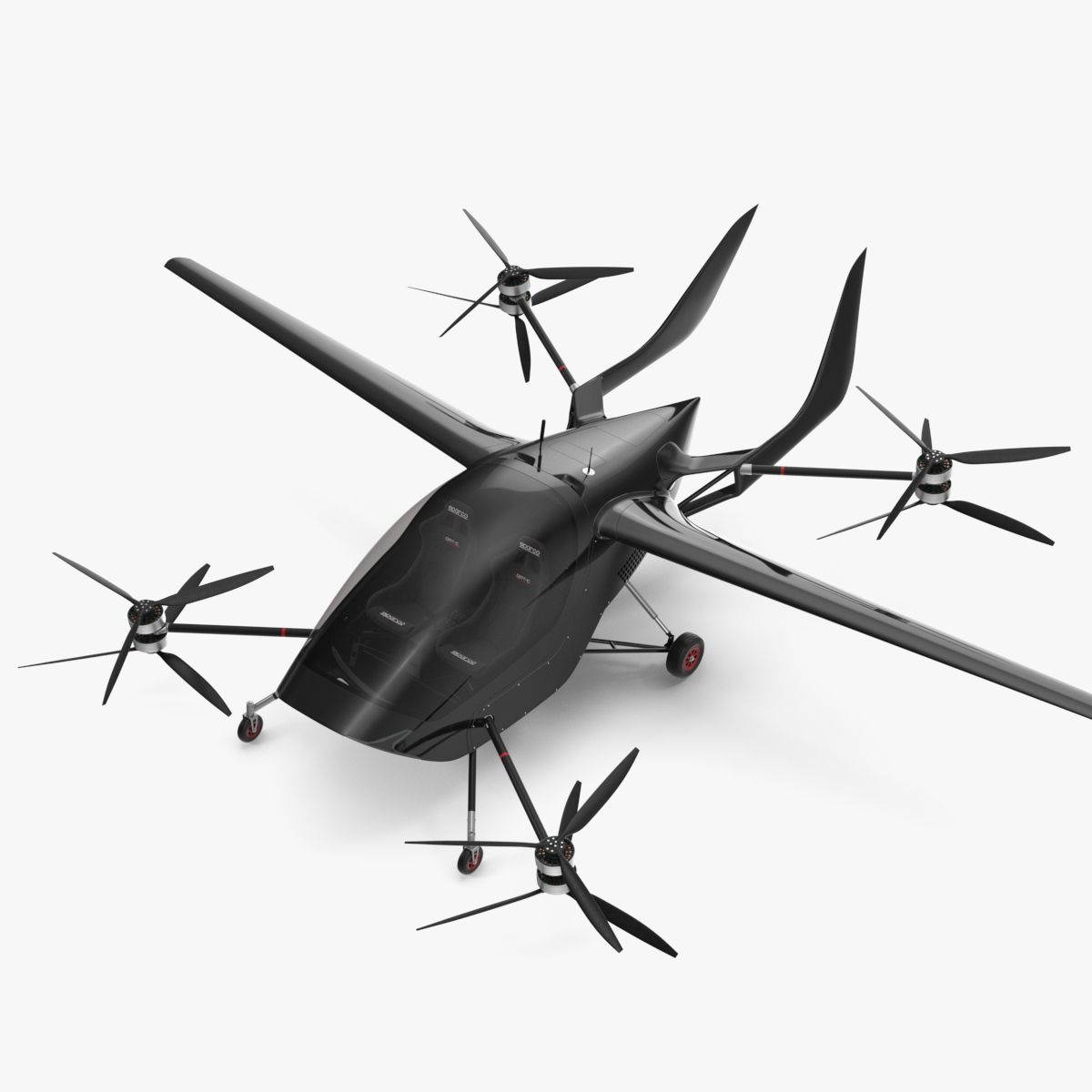
In September 2024, China took a decisive step by elevating low-altitude transportation from local pilot programs to a core element of its national transportation strategy. For industries engaged in lightweight, high-strength materials, particularly the composite mold and thermoset mold sector, this policy marks a milestone. The growing demand for eVTOLs (electric vertical take-off and landing aircraft), logistics drones, and emergency rescue vehicles has set the stage for a new era of urban air mobility (UAM).

From Pilot Programs to National Strategy

The Guideline for Pilot Applications of the Transport Powerhouse Initiative (2025) released by the Ministry of Transport officially included “Promoting High-Quality Development of Low-Altitude Transportation” in its 16 priority domains. This framework outlined specific routes for industrial application, urban planning, and regulatory mechanisms. It is no longer a fragmented experiment but a comprehensive national push, supported by clear timelines and measurable objectives.

Global Perspective: eVTOL Competition Heats Up

Worldwide, countries are investing heavily in eVTOL and drone technology. The United States has Joby Aviation and Archer Aviation advancing FAA certifications; Europe is promoting Volocopter and Lilium with EASA pathways; Japan and South Korea are piloting air taxi networks in metropolitan areas. China’s inclusion of low-altitude transport in its national plan not only aligns with this global race but accelerates domestic players’ ability to scale production, foster supply chains, and expand international competitiveness.

Low-Altitude Transportation Strategy

Composite Materials: The Core Enabler

Low-altitude aircraft demand materials with a combination of lightweight properties, high strength, durability, and resistance to fatigue. Traditional metals cannot meet these standards, which is why composite solutions dominate the sector:

  • Carbon Fiber Composites: Essential for load-bearing structures, with usage reaching 60%-70% of eVTOL total weight.
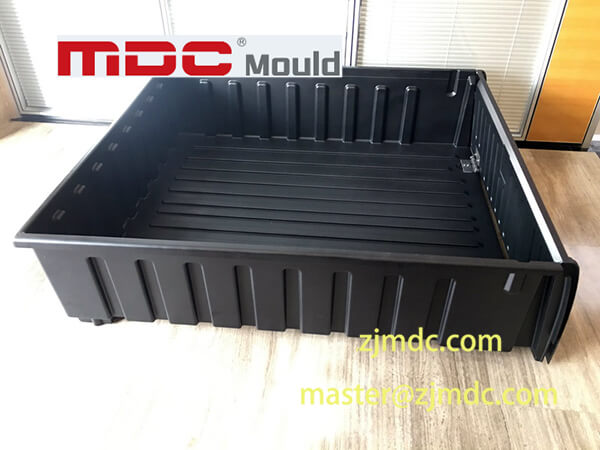
  • SMC (Sheet Molding Compound) Molds: Provide fast-cycle molding for body panels, hatches, and structural shells.
  • BMC (Bulk Molding Compound) Molds: Used for precision electrical housings and heat-resistant components in propulsion systems.
  • Thermoset Molds: Enable high-temperature resistance and flame-retardant properties, critical for safety certifications.
  • Compression Molds: Ensure cost-effective mass production of large, complex parts while maintaining structural integrity.

MDC Mould, as a trusted composite mold manufacturer, provides advanced tooling for these processes, ensuring that parts meet aviation-level quality and consistency.

Technical Challenges and Mold Solutions

The rise of low-altitude mobility brings challenges in fatigue resistance, crash safety, fire resistance, and cost efficiency. Composite mold solutions directly address these:

  • Fatigue and Impact Resistance: MDC’s carbon fiber compression molds enable lightweight yet crashworthy structures.
  • Fire Safety: Thermoset molds for phenolic resin composites pass FAR 25.853 flame-retardant standards for aviation interiors.
  • Efficiency: Automated molding systems reduce cycle times by 40%, aligning with the fast growth of drone and eVTOL fleets.
  • Design Flexibility: Multi-cavity SMC molds provide scalable production for logistics drone components and air taxi interiors.

Market Outlook: A Trillion-Yuan Industry by 2030

According to industry forecasts, by 2030, China’s low-altitude transportation market may exceed 1.5 trillion RMB, with composite material applications surpassing 100 billion RMB. The key growth drivers include:

  1. Urban Air Mobility: eVTOL fleets could exceed 5,000 units domestically by 2027, creating massive demand for composite fuselage and wing molds.
  2. Logistics Drones: Large-scale deployment by courier giants will drive demand for cost-effective GFRP (glass fiber reinforced plastic) molds.
  3. Emergency Rescue Systems: Fire-retardant and impact-resistant thermoset composites will be essential in public safety and military-civilian integration projects.

MDC Mould’s Role in the Low-Altitude Economy

As a leading manufacturer of SMC molds, BMC molds, compression molds, and composite tooling, MDC Mould plays a pivotal role in enabling lightweight transportation solutions. Our expertise extends from tooling design to trial molding, ensuring clients can move seamlessly from prototype to mass production. By supporting global partners in automotive, aerospace, and industrial applications, MDC is strategically positioned to fuel the growth of China’s low-altitude economy.

Future Outlook: Building an Integrated Ecosystem

The success of low-altitude transportation will depend on integrated innovation. Composite mold suppliers like MDC must go beyond tooling to collaborate with aircraft manufacturers, simulation providers, and certification bodies. By building alliances and investing in next-generation materials such as thermoplastic composites and nano-enhanced fibers, MDC aims to stay ahead of industry transformation.

Conclusion

The elevation of low-altitude transportation to a national strategic level is more than a policy milestone—it is a call to action for the composite industry. With decades of expertise in compression moldsSMC moldsBMC molds, and thermoset tooling, MDC Mould stands ready to empower the eVTOL and drone revolution. The future of urban air mobility depends not only on visionary aircraft designs but also on the precision and reliability of the molds that make them possible.

Compression Molding Meets Insulation Boards

Learn how complete compression mold systems combined with high-performance insulation boards deliver structural stability, energy efficiency, and long-term durability for buildings, modular construction, automotive, and industrial applications.

Why pairing compression-molded composites with high-performance insulation boards sets a new benchmark in structural stability, energy efficiency, and lifecycle durability.On this page

1) What Is a Complete Compression Mold?

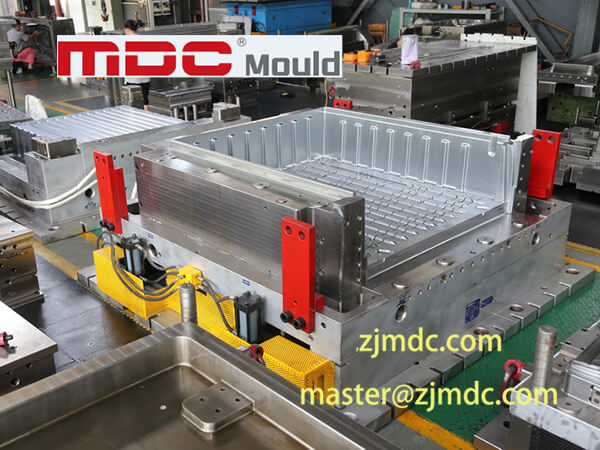
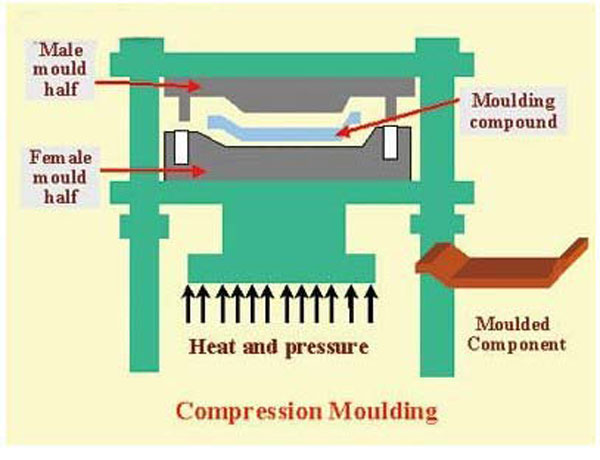
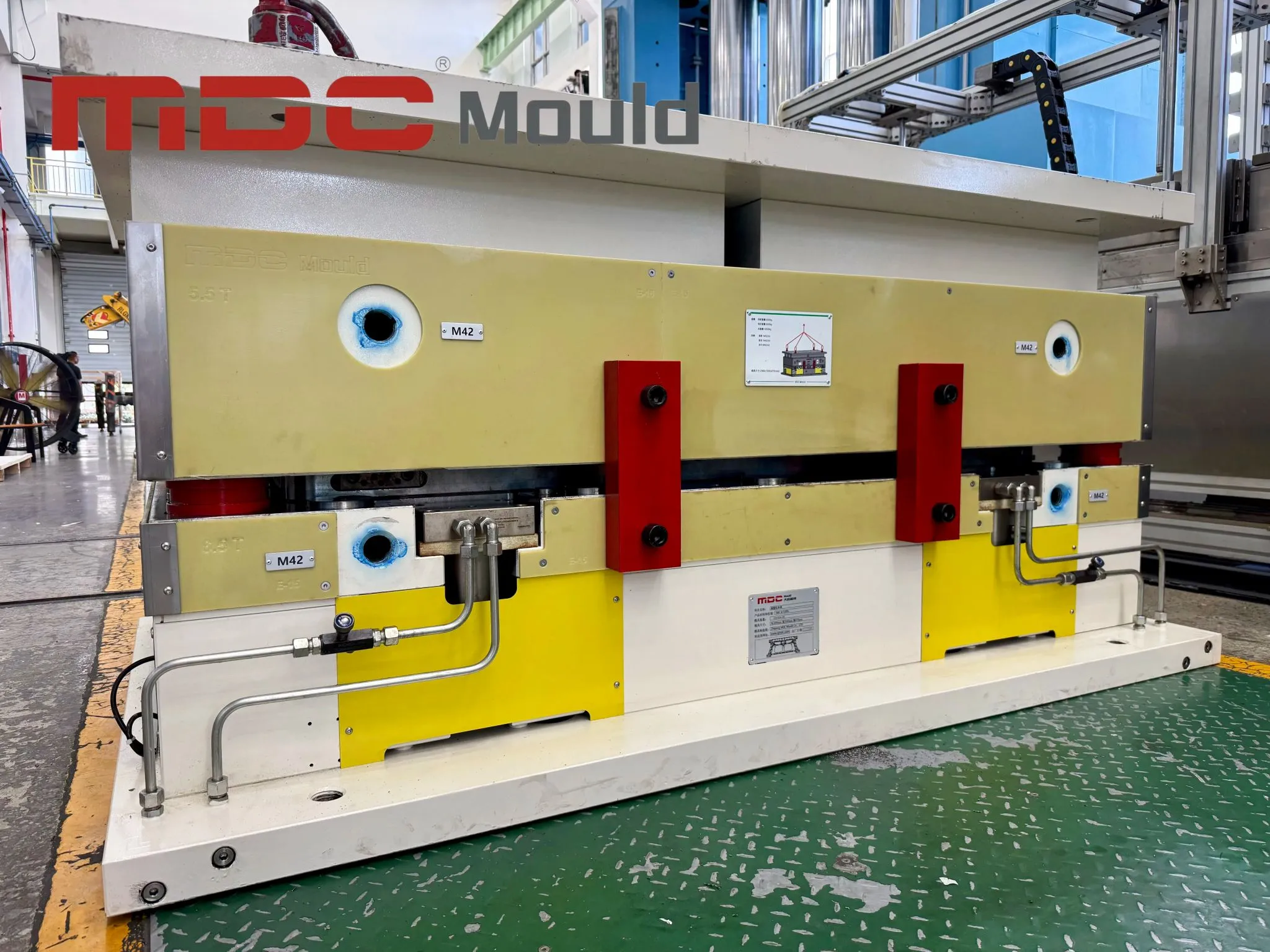
compression mold forms SMC, BMC, or FRP components under controlled heat and pressure. A complete compression mold system includes the tool, matched-metal dies, heating and cooling circuits, ejector mechanisms, and a validated process window (pressure–temperature–time) to achieve repeatable quality and short cycle times.

PrecisionDimensional tolerances down to ±0.2–0.5 mm (design dependent).

ThroughputOptimized cycle time via balanced thermal circuits and charge placement.

ConsistencyUniform pressure distribution minimizes porosity, warpage, and knit lines.

2) Insulation Boards: Types & Functional Roles

Insulation boards reduce heat transfer, stabilize temperatures, and enhance fire and acoustic performance when paired with molded composite skins or cores.

Board TypeCore BenefitsTypical Use with Molded PanelsNotes
PU (Polyurethane)High R-value per thickness; lightweightBuilding envelopes, modular wall/roof cassettesGood balance of cost and performance
XPS (Extruded Polystyrene)Low water uptake; strong compressive strengthFaçade panels, cold-chain enclosuresStable edges; easy machining
Phenolic FoamSuperior fire performance; low smokePublic buildings, transport interiorsHigh safety-critical environments
Mineral WoolNon-combustible; thermal + acousticFire-rated façades, industrial housingsExcellent sound dampening

Integration tip: When bonding insulation boards to compression-molded skins, select adhesives compatible with service temperatures and fire-rating targets (e.g., intumescent or low-smoke halogen-free chemistries).

3) Why the Combination Delivers Stability, Efficiency, and Durability

Stability

  • Structural integrity: Compression-molded skins provide high flexural and impact strength for panelized systems.
  • Thermal moderation: Insulation boards reduce thermal gradients and curb expansion-induced stress.
  • Dimensional control: Balanced laminate stacks and symmetric layups minimize warpage.

Efficiency

  • Factory throughput: Short, predictable molding cycles and modular panel assembly cut on-site time by 30–50%.
  • Energy savings: High R-values lower HVAC loads, reducing operating costs over the building lifecycle.
  • Design-to-manufacture: CAD/BOM standardization, BOM reuse, and jigs/fixtures improve repeatability and scale.

Durability

  • Environmental resistance: FRP skins resist corrosion, UV (with coatings), and chemicals.
  • Fire & moisture performance: Phenolic/mineral wool cores boost fire ratings; XPS limits water ingress.
  • Lifecycle longevity: Stable thermal envelope and robust skins reduce maintenance over decades.

4) High-Value Applications Across Industries

Modular Construction & Facades

  • Lightweight cassette panels with molded FRP skins and PU/XPS/phenolic cores.
  • Rapid on-site installation; consistent surface quality and weatherability.
  • Custom textures and colors via in-mold coatings (IMC) or gelcoats.

Automotive & Transport

  • EV battery covers, underbody shields, and HVAC housings with thermal and fire considerations.
  • Weight reduction improves range and fuel efficiency.
  • Acoustic damping via mineral wool cores in interior panels.

Electrical & Energy

  • Switchgear, inverter, and transformer enclosures with dielectric and fire requirements.
  • Insulated housings for renewable energy balance-of-plant components.

Aerospace & Industrial

  • Interior panels, bulkheads, and fairings with thermal/acoustic cores.
  • Offshore and corrosive environments benefit from FRP skins.
compression molding

5) Sustainability, Safety, and Compliance

  • Lower operational carbon: High thermal resistance trims HVAC energy use over the asset life.
  • Material efficiency: Net-shape molding reduces scrap; in-mold coatings eliminate multi-step finishing.
  • Fire & toxicity: Phenolic cores and halogen-free systems support stricter fire/smoke criteria.
  • End-of-life pathways: Mechanical recycling of FRP offcuts and thermal recovery options (policy-dependent).

6) Selection & Integration Guide

Design Checklist

  • Load cases: Wind/snow loads for façades; vibration/impact for transport; enclosure IP ratings for electrical.
  • Thermal envelope: Target U-value/R-value and local energy codes.
  • Fire performance: Specify test standards (e.g., reaction-to-fire, smoke development) required for occupancy type.
  • Durability: UV exposure class, chemical splash, salt spray, freeze–thaw cycles.

Process Recommendations

  • Charge strategy: Use pre-weighed SMC/BMC charges; optimize flow to avoid knit lines.
  • Thermal control: Segment mold channels; validate soak, cure, and cool-down for flatness.
  • Bonding & fastening: Surface prep (corona/abrade/solvent), adhesive selection (temperature, fire), and mechanical backup where needed.
  • QA/QC: Track SPC for thickness, fiber volume, void content; non-destructive testing for critical parts.

Pro tip: Combine in-mold coatings (IMC) for Class A surfaces with UV-stable topcoats on sun-exposed façades to maximize color retention and weathering.Request a tailored specification »

7) Frequently Asked Questions

Q1. How do I choose between PU, XPS, phenolic, and mineral wool?

PU/XPS for highest thermal efficiency and lightweight; phenolic where fire/smoke is critical; mineral wool for non-combustibility and acoustic control.

Q2. Can compression-molded skins achieve Class A finishes?

Yes—use IMC, optimized venting, and post-polish if needed. Tool surface quality and release systems are decisive.

Q3. What panel thickness is typical?

Common façade cassettes: 20–60 mm overall, depending on wind loads and U-value targets. Transport and enclosure panels vary by spec.

Get Specifications, Samples, or a Cost–Benefit Model

Need a bill of materials (BOM), sample set, or test plan for your application? Our engineering team can provide a project-specific laminate stack, insulation pairing, and processing window.

Contact Engineering