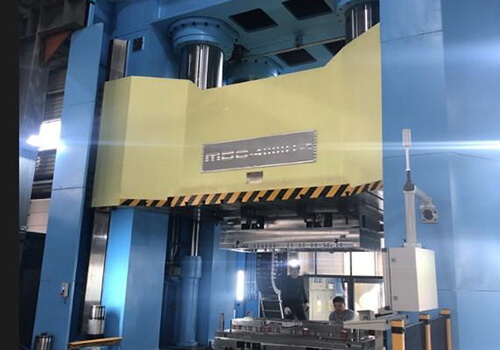
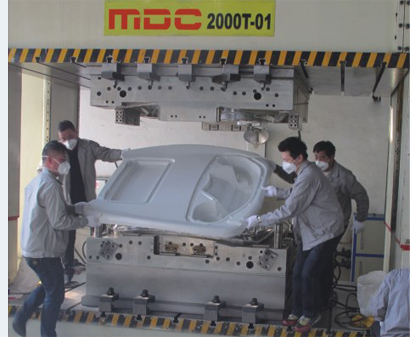
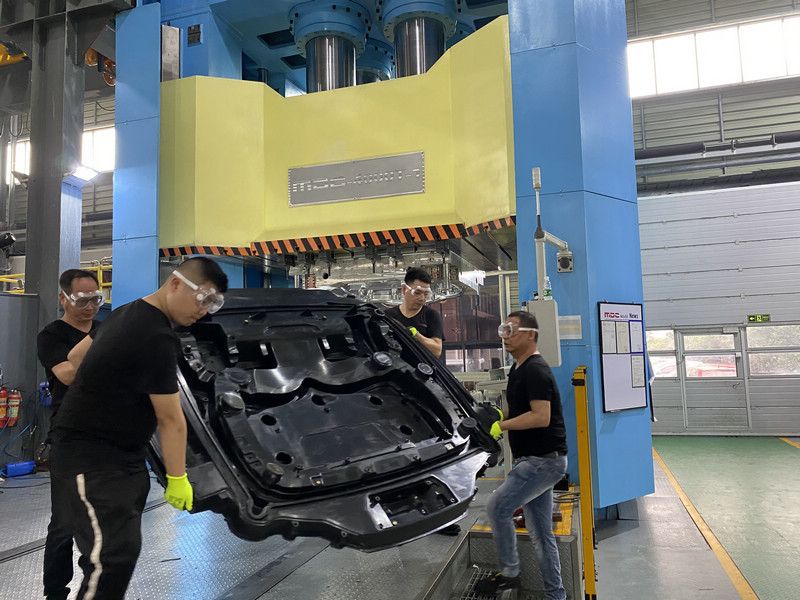
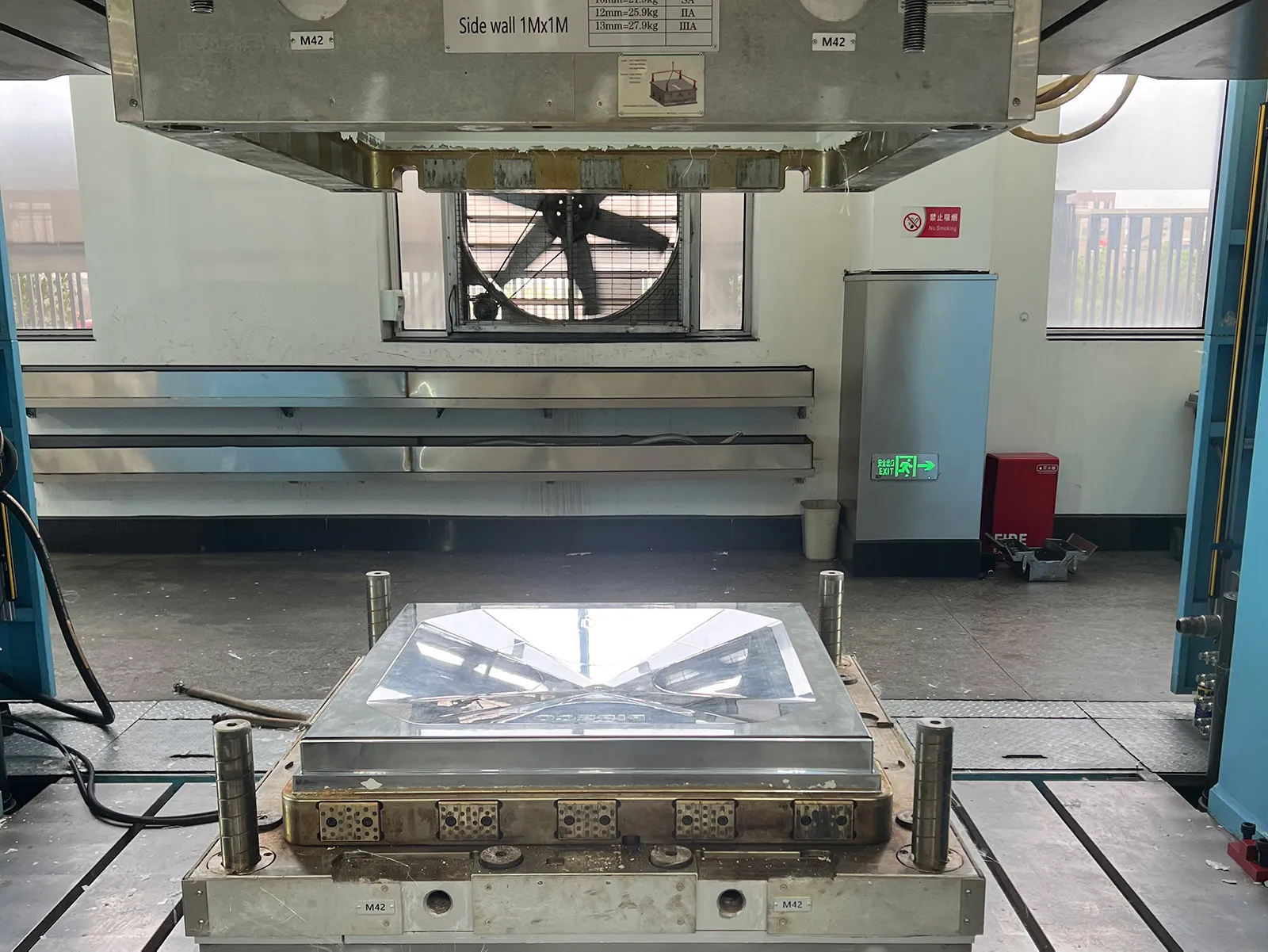
Parts of a Compression Molding Machine: Core Components Driving Composite Quality

Explore core compression molding machine parts. Learn how hydraulic systems, heating platens, and servo drives optimize SMC, BMC, and composite molding quality.

In modern composite manufacturing, product quality is no longer determined solely by mold design or raw materials. The performance of the compression molding machine itself plays a decisive role in controlling curing behavior, dimensional accuracy, mechanical properties, and long-term production consistency.

Whether manufacturing SMC automotive body panels, EV battery enclosures, BMC electrical components, or FRP water tank panels, every major machine component contributes directly to the quality of the finished part.

For this reason, leading composite manufacturers no longer view a compression molding press as simply a hydraulic machine. Instead, it is regarded as a highly integrated production system where pressure control, temperature uniformity, alignment precision, and digital process monitoring work together to eliminate defects and maximize production stability.
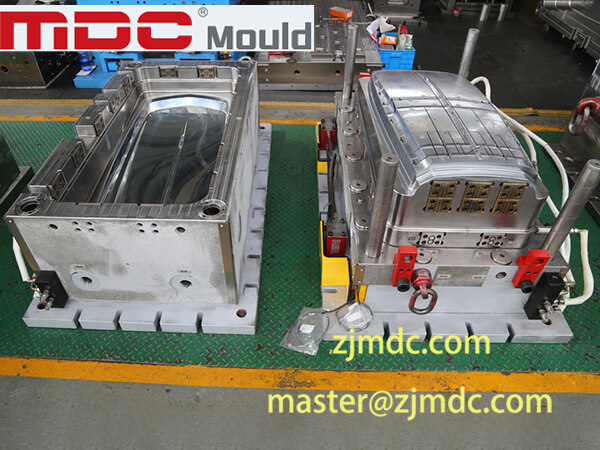
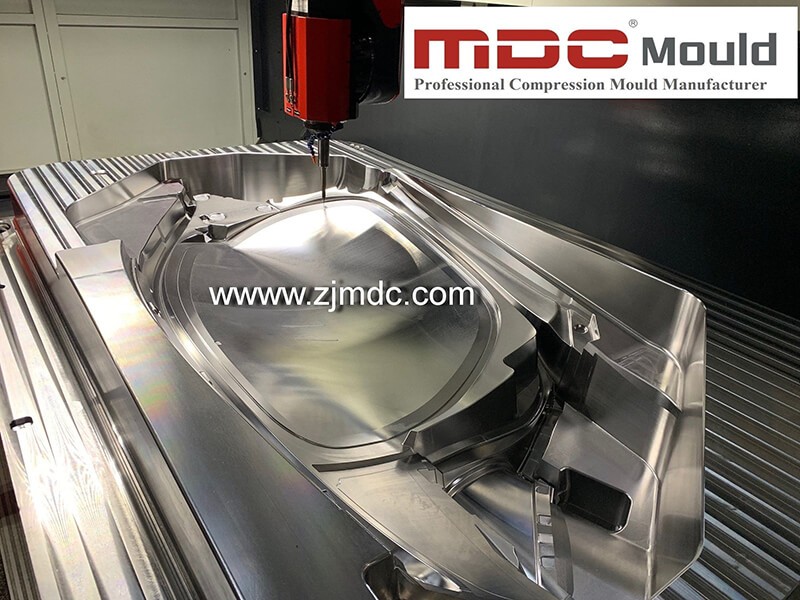
compression-molding

Why Machine Design Matters in Compression Molding

Many common composite molding defects—including porosity, blistering, under-curing, warpage, flash formation, dimensional variation, and inconsistent mechanical properties—can often be traced back to machine performance rather than mold design alone.

Modern compression molding machines are therefore engineered not only to generate force, but also to precisely control pressure profiles, platen temperature distribution, mold alignment accuracy, and real-time process monitoring.

Understanding the relationship between machine components and part quality is essential for achieving reliable manufacturing performance.

High-Tonnage Hydraulic System: Pressure and Multi-Stage Velocity Control

The hydraulic system is often considered the heart of a compression molding machine. However, its importance extends far beyond simply generating clamping force.

Modern compression molding presses utilize high-capacity hydraulic cylinders, servo-driven pumps, and precision proportional valves to create highly controlled pressure and velocity profiles throughout the molding cycle.

Rather than moving at a constant speed, the ram typically follows a carefully programmed multi-stage motion sequence:

  • Rapid closing approach
  • Controlled material contact
  • Degassing phase
  • Progressive compression phase
  • High-pressure curing phase
  • Pressure holding stage

This multi-stage velocity profile is particularly important when molding SMC and BMC materials.

During the early stages of mold closing, trapped air must be allowed to escape from the cavity. If excessive pressure is applied too quickly, air can become trapped inside the composite charge, resulting in internal porosity, blistering, and surface defects.

By carefully controlling closing speed and compression pressure, the hydraulic system enables efficient degassing before full compaction occurs.

During the curing phase, stable pressure distribution ensures proper resin flow, fiber consolidation, and dimensional accuracy throughout the entire component.

This is especially critical for large automotive exterior panels, EV battery covers, and structural composite components where internal voids can significantly reduce mechanical performance.

Smart Zoned Heating Platens: The Ultimate Factor in Cure Uniformity

Among all machine components, the heating platen system may have the greatest influence on composite part quality.

While mold designers often focus on cavity geometry and material flow, resin curing behavior is fundamentally governed by temperature control.

Modern compression molding machines utilize electrically heated platens, oil-heated platens, or steam-heated systems designed to maintain highly uniform temperature distribution across the entire molding surface.

Advanced zoned heating systems can often achieve temperature control accuracy within approximately ±1°C across large mold areas.

This level of thermal precision is essential for ensuring synchronized resin curing throughout the mold cavity.

Without uniform heating, different regions of the molded part may cure at different rates. Uneven curing generates localized residual stresses that can ultimately cause:

  • Warpage
  • Dimensional instability
  • Surface distortion
  • Fiber print-through
  • Reduced mechanical performance

For large SMC automotive body panels, battery enclosure covers, and BESS energy storage cabinet components, synchronized curing is critical for maintaining dimensional accuracy and surface quality.

By eliminating thermal gradients across the mold surface, high-precision platens help manufacturers achieve superior flatness, reduced internal stress, and highly consistent production results.
compression-mould-machine

Precision Guide Pillars and Bushings: Protecting Mold Alignment and Shear Edges

The movement accuracy of the machine slide or ram directly influences mold life and product quality.

During every molding cycle, the moving platen must travel vertically while maintaining perfect alignment with the stationary mold half.

To achieve this, compression molding machines utilize precision-engineered guide pillars, guide bushings, and advanced guiding systems.

Their function extends far beyond simple motion guidance.

In modern SMC tooling, many molds incorporate highly precise shear edge designs that help control flash formation and improve material flow behavior.

These shear edges often operate with extremely small clearances.

Even slight platen misalignment can create serious problems:

  • Excessive flash formation
  • Premature shear edge wear
  • Mold damage
  • Reduced dimensional accuracy
  • Increased maintenance requirements

For high-volume automotive composite molds, alignment errors measured in only a few microns can significantly affect both mold longevity and product consistency.

High-precision guiding systems therefore serve as a critical safeguard for mold protection and long-term production stability.

Programmable PLC Control Systems with Real-Time Data Logging

The most advanced compression molding machines are no longer controlled solely through mechanical adjustments. Instead, they operate through sophisticated PLC-based control architectures integrated with intelligent Human Machine Interface (HMI) systems.

These digital control systems continuously monitor and record every critical production parameter throughout the molding cycle.

Key process variables include:

  • Press force
  • Hydraulic pressure
  • Ram position
  • Closing speed
  • Mold temperature
  • Cure time
  • Cycle duration

Rather than simply displaying machine status, these systems create a complete digital manufacturing record for every molded part.

This real-time data logging capability enables true closed-loop process control, allowing manufacturers to detect deviations immediately and maintain highly repeatable production conditions.

For automotive, aerospace, and energy storage applications, digital traceability has become an essential supplier qualification requirement.

OEMs increasingly require manufacturers to provide detailed process records demonstrating that every part was produced within specified process windows.

Without comprehensive data acquisition and traceability capabilities, entering high-end automotive EV supply chains or aerospace programs becomes increasingly difficult.

How Machine Components Work Together to Eliminate Composite Defects

The true performance of a compression molding machine is not determined by any single component. Instead, quality results are achieved through the interaction of pressure control, temperature management, alignment precision, and intelligent process monitoring.

Machine ComponentPrimary Quality FunctionDefects Prevented
Hydraulic SystemMulti-stage compression and degassing controlPorosity, blistering, voids
Heating PlatensSynchronized curing and thermal uniformityWarpage, residual stress, distortion
Guide Pillars & BushingsMold alignment accuracyFlash, shear edge wear, mold damage
PLC Control SystemClosed-loop process monitoringProcess instability and quality variation

The Future of Compression Molding Machines

As composite materials continue expanding into electric vehicles, battery enclosures, hydrogen energy systems, aerospace structures, and infrastructure applications, compression molding equipment is evolving from traditional hydraulic presses into intelligent manufacturing platforms.

Future systems will incorporate AI-assisted process optimization, predictive maintenance, digital twin technology, and fully integrated factory data networks.

However, regardless of future innovations, the fundamental relationship remains unchanged: superior composite products begin with superior machine control.

Conclusion

The parts of a compression molding machine do far more than support machine operation. Each component directly influences composite part quality, production efficiency, and long-term manufacturing reliability.

From multi-stage hydraulic pressure control and precision heating platens to alignment systems and real-time digital process monitoring, every subsystem contributes to defect prevention and product consistency.

For manufacturers producing SMC automotive components, EV battery enclosures, BMC electrical parts, and advanced composite structures, understanding these machine-to-quality relationships is essential for achieving world-class molding performance.

At MDC Mould, we believe that successful composite manufacturing is built upon the combination of advanced mold engineering and precision-controlled molding technology, ensuring reliable production and superior product quality across every application.
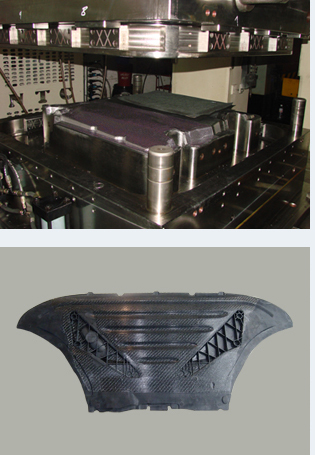
GMT Molding in Automotive Lightweighting: High-Speed Tooling Solutions

Accelerate high-volume automotive production with premium GMT molds by MDC. Optimize underbody shields and crash structures via high-speed compression tooling.

As global industries accelerate toward electrification, lightweight engineering, sustainability, and high-volume manufacturing, composite materials are playing an increasingly important role in modern product development. Among various composite technologies, Glass Mat Thermoplastics (GMT) have emerged as a highly attractive solution for manufacturing large structural components that require an optimal balance of strength, weight reduction, durability, and production efficiency.

For automotive manufacturers, energy storage system suppliers, commercial vehicle producers, and transportation equipment manufacturers, GMT technology is no longer viewed as a niche material solution. Instead, it is becoming a strategic manufacturing platform capable of replacing traditional metal assemblies with lightweight integrated composite structures.

Behind this growing adoption lies continuous innovation in GMT mold, GMT mould, GMT tooling, and advanced GMT molding technologies. Modern compression molding systems are enabling manufacturers to produce increasingly complex thermoplastic composite components while maintaining the productivity levels required for mass production.

The Shift Toward Large Integrated Composite Structures

For decades, automotive and industrial products were designed around metal fabrication technologies. Complex structures often consisted of numerous stamped components connected through welding, riveting, or mechanical fastening processes.

While effective, this manufacturing approach presents several challenges:

  • High component counts
  • Complex assembly operations
  • Increased manufacturing costs
  • Additional weight
  • Greater supply chain complexity
  • Longer production cycles

As manufacturers pursue greater efficiency, the industry is increasingly moving toward large integrated structures that combine multiple functions into a single molded component.

Examples include:

  • Battery enclosure covers
  • Battery protection shields
  • Vehicle underbody panels
  • Front-end carrier systems
  • Load floors
  • Commercial vehicle roof structures
  • Trunk modules
  • Energy storage equipment housings

These applications are creating new opportunities for advanced GMT tool development and large-scale thermoplastic composite manufacturing.

gmt mold

Why GMT Is Attracting Attention Across Multiple Industries

GMT combines glass fiber reinforcement with thermoplastic resin systems to create a composite material that offers excellent mechanical performance while supporting high-volume manufacturing.

Unlike many traditional materials, GMT provides a unique combination of:

  • Lightweight performance
  • High impact resistance
  • Excellent energy absorption
  • Corrosion resistance
  • Design flexibility
  • Fast production cycles
  • Recyclability

This combination makes GMT particularly attractive for industries where lightweight structures and production efficiency are equally important.

GMT vs Traditional Material Solutions

When selecting materials for large structural components, engineers typically compare GMT against steel, aluminum, and thermoset composites such as SMC.

PropertyGMTSMCSteelAluminum
Weight ReductionExcellentExcellentLimitedGood
Impact ResistanceExcellentGoodExcellentModerate
Corrosion ResistanceExcellentExcellentRequires ProtectionGood
Cycle TimeVery FastModerateFastFast
RecyclabilityExcellentLimitedExcellentExcellent
Part Integration PotentialHighHighLimitedLimited

These advantages explain why GMT molding is becoming increasingly important for next-generation vehicle platforms and industrial equipment.

Ultra-Short Cycle Times: Why GMT Molding Fits Automotive Mass Production

One of the most significant advantages of GMT molding compared with traditional thermoset composite technologies is production speed.

Unlike SMC compression molding, which relies on thermoset resin cross-linking and curing reactions that often require several minutes per cycle, GMT materials are based on thermoplastic matrices. The GMT charge is preheated externally and transferred directly into the compression mold, where it is formed and cooled under pressure.

Because no chemical curing reaction is required, cycle times can be dramatically reduced.

For automotive OEMs, manufacturing efficiency is measured in seconds. Large structural components such as battery covers, underbody shields, front-end carriers, and load floors must be produced at production rates compatible with highly automated vehicle assembly lines.

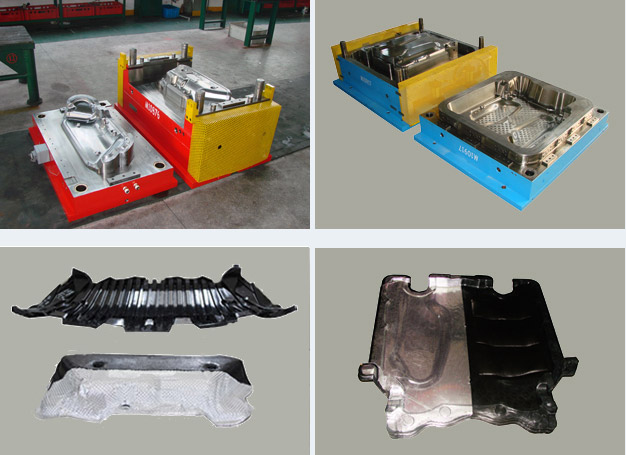
At MDC, advanced GMT mold and GMT tooling solutions are engineered specifically for high-volume manufacturing environments. Through optimized thermal management systems, rapid mold actuation technologies, efficient material loading strategies, and automation-ready tooling architectures, large thermoplastic composite structures can often achieve production cycles below 60 seconds.

This capability allows GMT molding to bridge the gap between traditional metal stamping and advanced composite manufacturing, making lightweight composite structures economically viable for mass-market vehicle production.

Superior Energy Absorption and Impact Resistance Through Fiber Network Integrity

As electric vehicles continue to evolve, lightweight structures must also provide exceptional impact resistance and durability.

One of the most important advantages of GMT materials is the retention of a continuous glass fiber mat network throughout the molding process. Unlike short-fiber reinforced plastics, GMT maintains a three-dimensional reinforcement architecture that significantly improves toughness and energy absorption.

This unique fiber network allows GMT components to absorb impact energy efficiently while resisting crack propagation and penetration damage.

Applications that benefit from these characteristics include:

  • Battery protection covers
  • Vehicle underbody shields
  • Front-end carrier systems
  • Commercial vehicle protection panels
  • Energy storage equipment housings

However, achieving these performance levels depends heavily on tooling design.

At MDC, advanced cavity engineering focuses on maintaining fiber network integrity throughout the compression molding process. Through precise cavity clearance management, optimized charge placement strategies, and controlled material flow paths, fiber breakage and excessive fiber accumulation can be minimized.

The result is a more uniform composite structure with superior resistance to stone impact, road debris strikes, underbody abrasion, and demanding service conditions.

gmt mold

Zoned Mold Cooling Technology: Solving the Warpage Challenge of Large GMT Components

As GMT components become larger and more structurally complex, thermal management has become one of the most critical aspects of successful mold design.

Unlike thermoset composites, thermoplastic materials begin cooling and crystallizing immediately after compression. If cooling rates vary significantly across different areas of the mold, residual stresses can develop within the component.

These stresses often lead to:

  • Part warpage
  • Dimensional instability
  • Assembly difficulties
  • Surface distortion
  • Reduced long-term performance

For large automotive structures measuring over one meter in length, these challenges become particularly significant.

To address this issue, MDC incorporates advanced Zoned Cooling Systems into large-scale GMT tooling platforms.

By independently controlling temperatures across multiple mold regions and optimizing cooling channel layouts, heat extraction can be balanced throughout the molding cycle.

For highly complex geometries, MDC also applies engineering principles inspired by conformal cooling technology, enabling more uniform thermal conditions across critical molding surfaces.

The result is:

  • Reduced residual stress
  • Improved dimensional stability
  • Higher production consistency
  • Faster cycle times
  • Enhanced geometric accuracy

This technology helps manufacturers meet the stringent dimensional tolerance requirements demanded by modern automotive OEMs.

The Growing Role of GMT in Electric Vehicle Platforms

Electric vehicles have fundamentally changed the way automotive structures are designed.

Battery systems require large protective structures that must be lightweight, durable, electrically insulating, and cost-effective.

GMT molding offers an attractive solution for producing:

  • Battery pack covers
  • Battery protection shields
  • Underbody protection systems
  • Front-end modules
  • Structural reinforcement components

Through advanced compression molding processes, multiple metal parts can often be consolidated into a single integrated GMT component, reducing both weight and assembly complexity.

Expanding Applications Beyond Automotive

Although automotive manufacturing remains the primary market for GMT molding, adoption is expanding rapidly across multiple industries.

Energy Storage Systems

Large-scale energy storage projects require corrosion-resistant and lightweight housing structures. GMT components provide excellent durability while reducing overall system weight.

Commercial Vehicles

Electric trucks and buses benefit from GMT’s ability to deliver lightweight performance without sacrificing impact resistance.

Rail Transportation

Rail manufacturers increasingly use thermoplastic composites for interior panels, equipment housings, and structural assemblies.

Construction and Industrial Equipment

Heavy equipment manufacturers are adopting GMT for protective covers and large structural panels exposed to demanding operating environments.

Sustainability Is Accelerating GMT Adoption

Environmental regulations and carbon reduction initiatives are becoming increasingly important drivers of material selection.

Unlike many thermoset composites, GMT materials utilize thermoplastic resin systems that can be recycled and reprocessed after use.

This capability supports circular economy initiatives while helping manufacturers achieve sustainability objectives.

As environmental requirements continue to evolve, the recyclability of GMT is expected to become an even more important competitive advantage.

Future Requirements for GMT Tooling Manufacturers

The next generation of GMT applications will place increasingly demanding requirements on tooling suppliers.

Future GMT molds must deliver:

  • Larger molding capacities
  • Higher dimensional precision
  • Advanced cooling technologies
  • Faster production cycles
  • Automation compatibility
  • Improved thermal control
  • Digital manufacturing integration

Manufacturers capable of providing these advanced tooling capabilities will be well-positioned to support future growth in thermoplastic composite applications.

How MDC Supports Advanced GMT Manufacturing

As an experienced manufacturer of composite molds and compression tooling, MDC continues to invest in advanced technologies for large-scale thermoplastic composite applications.

MDC’s capabilities include:

  • Large GMT mold development
  • High-precision CNC machining
  • Advanced thermal management engineering
  • Zoned cooling system integration
  • Compression molding process optimization
  • Automotive composite tooling development
  • Mass-production tooling solutions

By combining engineering expertise, precision manufacturing, and practical production experience, MDC helps customers successfully transition from concept development to large-scale composite manufacturing.

Conclusion

The rise of large thermoplastic composite structures is transforming modern manufacturing. As industries pursue lightweight designs, higher production efficiency, and sustainable material solutions, GMT technology is becoming increasingly important.

Advanced GMT mold, GMT mould, GMT tooling, and GMT molding technologies are enabling manufacturers to produce larger, stronger, and more integrated composite structures than ever before.

From electric vehicles and energy storage systems to commercial transportation and industrial equipment, GMT is no longer simply an alternative material—it is becoming a key manufacturing technology for the next generation of lightweight engineering.

Frequently Asked Questions (FAQ)

What is GMT molding?

GMT molding is a compression molding process that uses Glass Mat Thermoplastic materials to produce lightweight, impact-resistant composite components.

Why is GMT suitable for automotive mass production?

Because GMT uses thermoplastic materials that do not require chemical curing, production cycles can be significantly shorter than many thermoset composite processes.

What are the advantages of GMT compared with SMC?

GMT offers faster cycle times, excellent impact resistance, recyclability, and strong suitability for high-volume automated manufacturing.

Why is cooling technology important in large GMT molds?

Uniform cooling helps reduce residual stress, prevent warpage, improve dimensional stability, and ensure consistent product quality in large thermoplastic composite components.

What Is Compression Molding Used For?

Discover high-performance compression molding for EV, aerospace, and medical sectors. Optimize complex parts with SMC/BMC and carbon fiber tooling by MDC Mould.

As industries continue moving toward lightweight engineering, high-performance composite materials, and sustainable manufacturing, compression molding has become one of the most important production technologies in modern industrial manufacturing.

From automotive composite components and EV battery enclosures to SMC water tanks, aerospace structures, and electrical insulation systems, modern compression molding technology enables the production of strong, lightweight, and corrosion-resistant composite parts.

At Zhejiang MDC Mould Co., Ltd., we specialize in manufacturing advanced:

  • SMC molds
  • BMC molds
  • Compression molds
  • Composite tooling
  • Carbon fiber molds
  • Thermoforming molds
  • GMT and LFT tooling systems
Compression molding process and composite tooling

Quick Answer:

Compression molding is used to manufacture lightweight, high-strength, heat-resistant, and corrosion-resistant composite parts for industries such as automotive, aerospace, electrical, construction, renewable energy, and medical equipment manufacturing.

What Is Compression Molding?

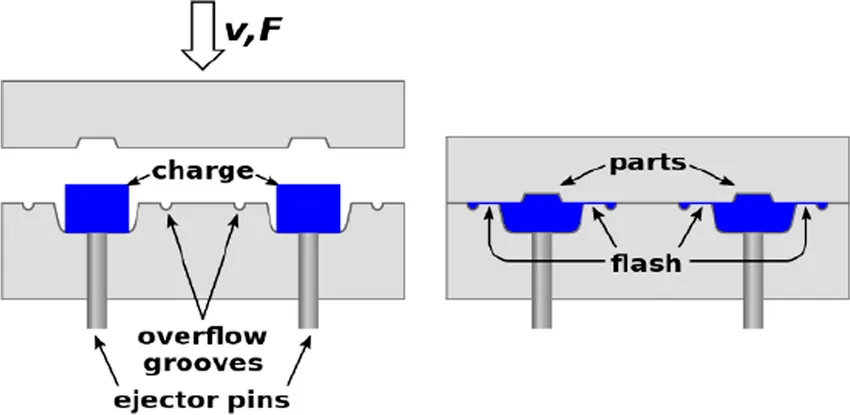
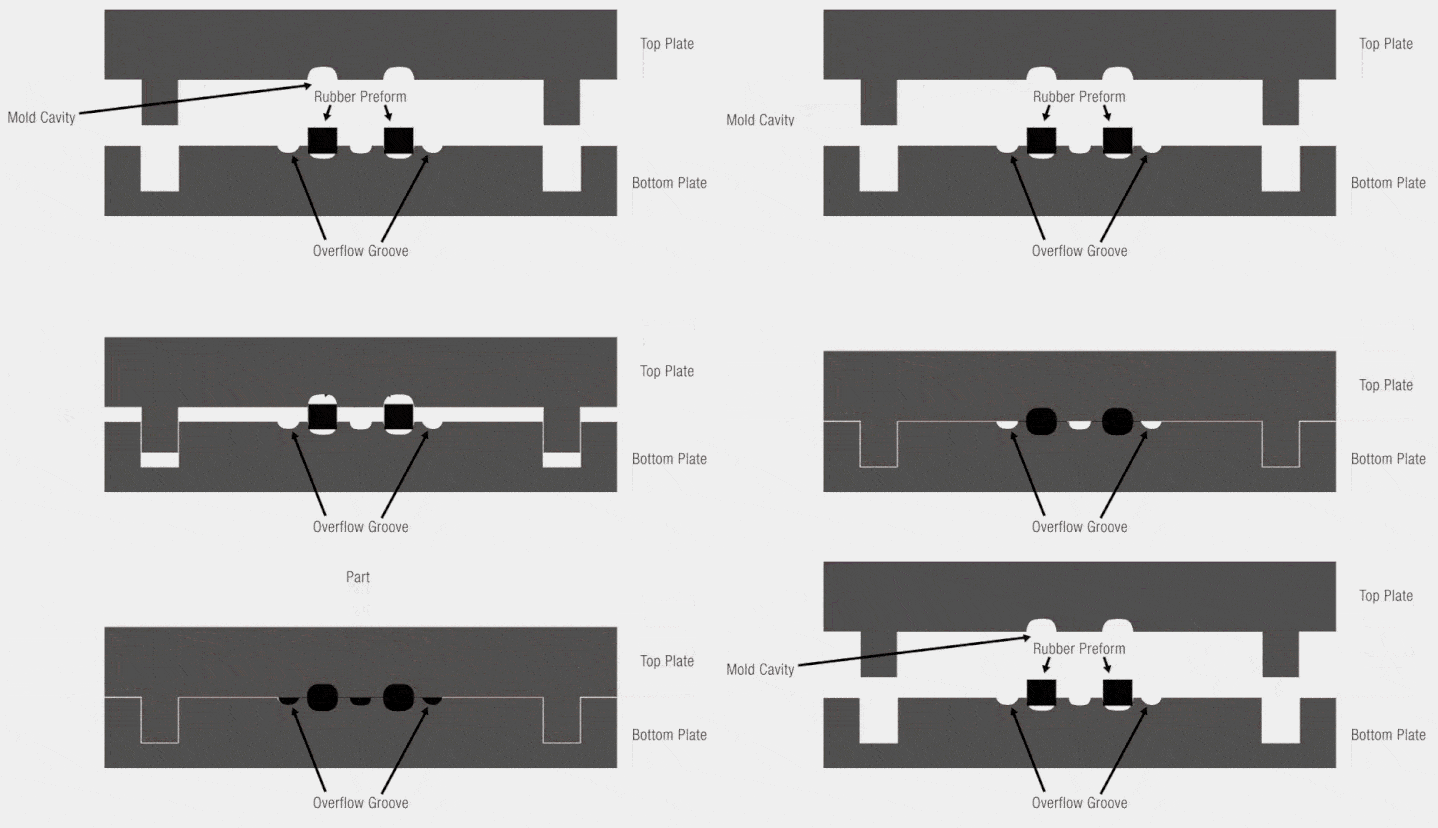
Compression molding is a manufacturing process where composite material is placed into a heated mold cavity and compressed under high pressure to form a finished component.

The process is widely used for:

  • SMC molding
  • BMC molding
  • Carbon fiber molding
  • Thermoset composite molding
  • Large structural composite panels
  • Electrical insulation components

Compared with many traditional plastic molding methods, compression molding provides superior structural strength and excellent dimensional stability for large industrial components.

How Does the Compression Molding Process Work?

The standard compression molding process generally includes:

  1. Preparing composite material charges
  2. Loading materials into the mold cavity
  3. Closing the heated compression mold
  4. Applying pressure and temperature
  5. Curing the composite material
  6. Opening the mold
  7. Demolding and trimming the finished product

The process allows the material to flow evenly inside the cavity while achieving high mechanical strength and stable surface quality.

SMC compression mold manufacturing

Major Industries Using Compression Molding

1. Automotive Industry

The automotive sector is one of the largest users of SMC molds and compression tooling.

Compression molded composite parts help manufacturers reduce vehicle weight while improving energy efficiency and structural performance.

Typical Automotive Compression Molded Parts

  • EV battery enclosures
  • SMC battery covers
  • Roof panels
  • Truck body components
  • Engine splash shields
  • Trunk lids
  • Automotive exterior panels
  • Underbody aerodynamic panels
  • Pickup truck cargo systems

As electric vehicles continue expanding globally, lightweight composite manufacturing technologies are becoming increasingly important.

Automotive SMC mold and compression tooling

2. Aerospace Industry

The aerospace industry uses advanced carbon fiber molds and composite tooling to manufacture lightweight structures with exceptional strength-to-weight ratios.

  • Aircraft cabin panels
  • Structural aerospace components
  • Satellite composite parts
  • Radome systems
  • High-temperature resistant panels

Carbon fiber compression molding provides excellent fatigue resistance and dimensional precision for aerospace applications.

3. Electrical & Electronics Industry

BMC molding is widely used in electrical applications because of its excellent insulation and flame resistance.

ApplicationAdvantages
Electrical switch housingsExcellent insulation performance
Motor componentsHeat resistance
Transformer insulation systemsDimensional stability
Circuit breaker partsFlame retardant properties

4. Construction & Infrastructure

Compression molding is widely used for manufacturing corrosion-resistant construction products such as:

Compared with steel materials, composite structures provide:

  • Longer service life
  • Lower maintenance costs
  • Better corrosion resistance
  • Lightweight installation advantages
SMC water tank mold and GRP composite tooling

5. Medical Equipment Manufacturing

Medical industries increasingly adopt precision compression molds for lightweight equipment housings and structural components.

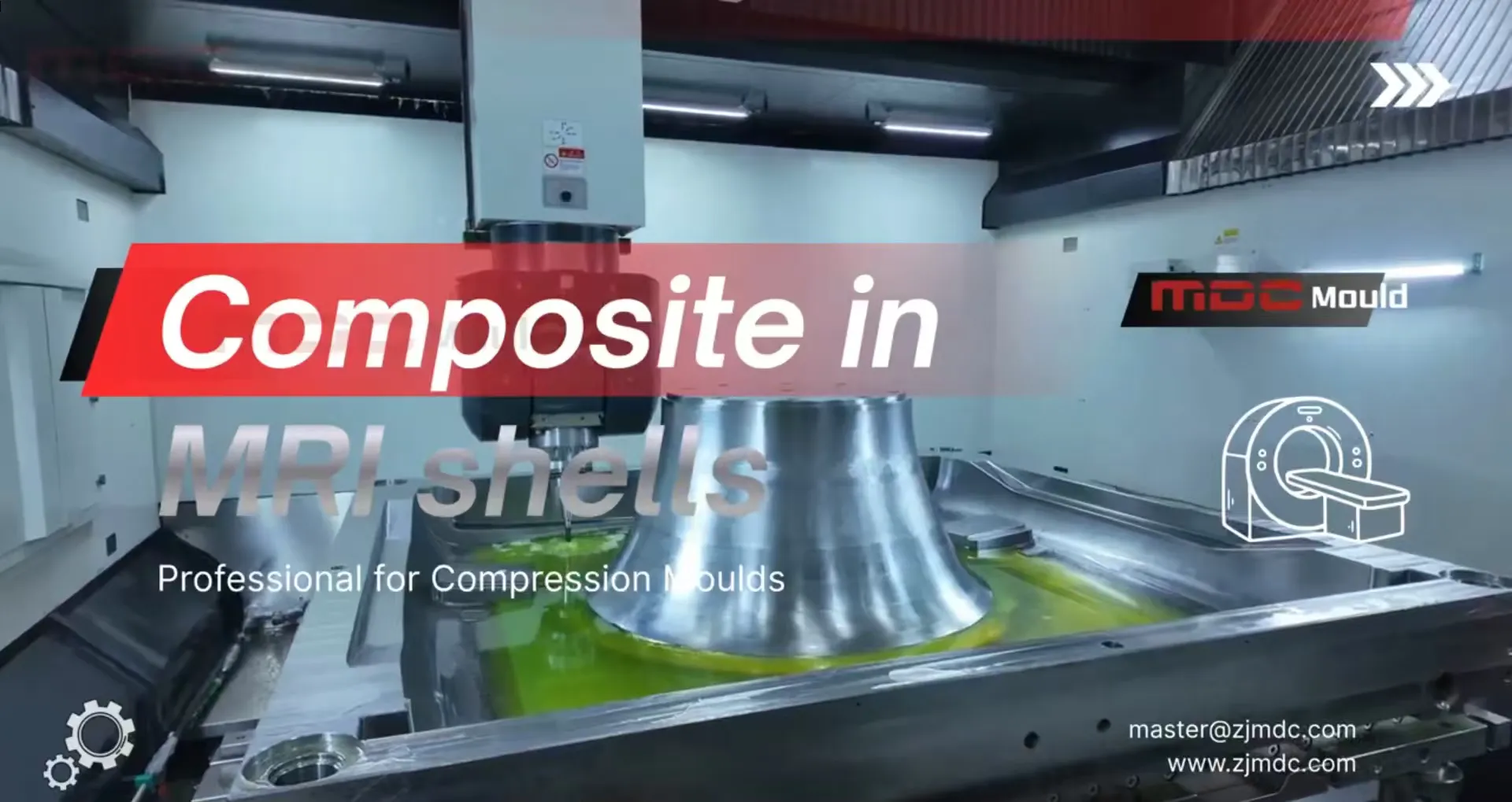
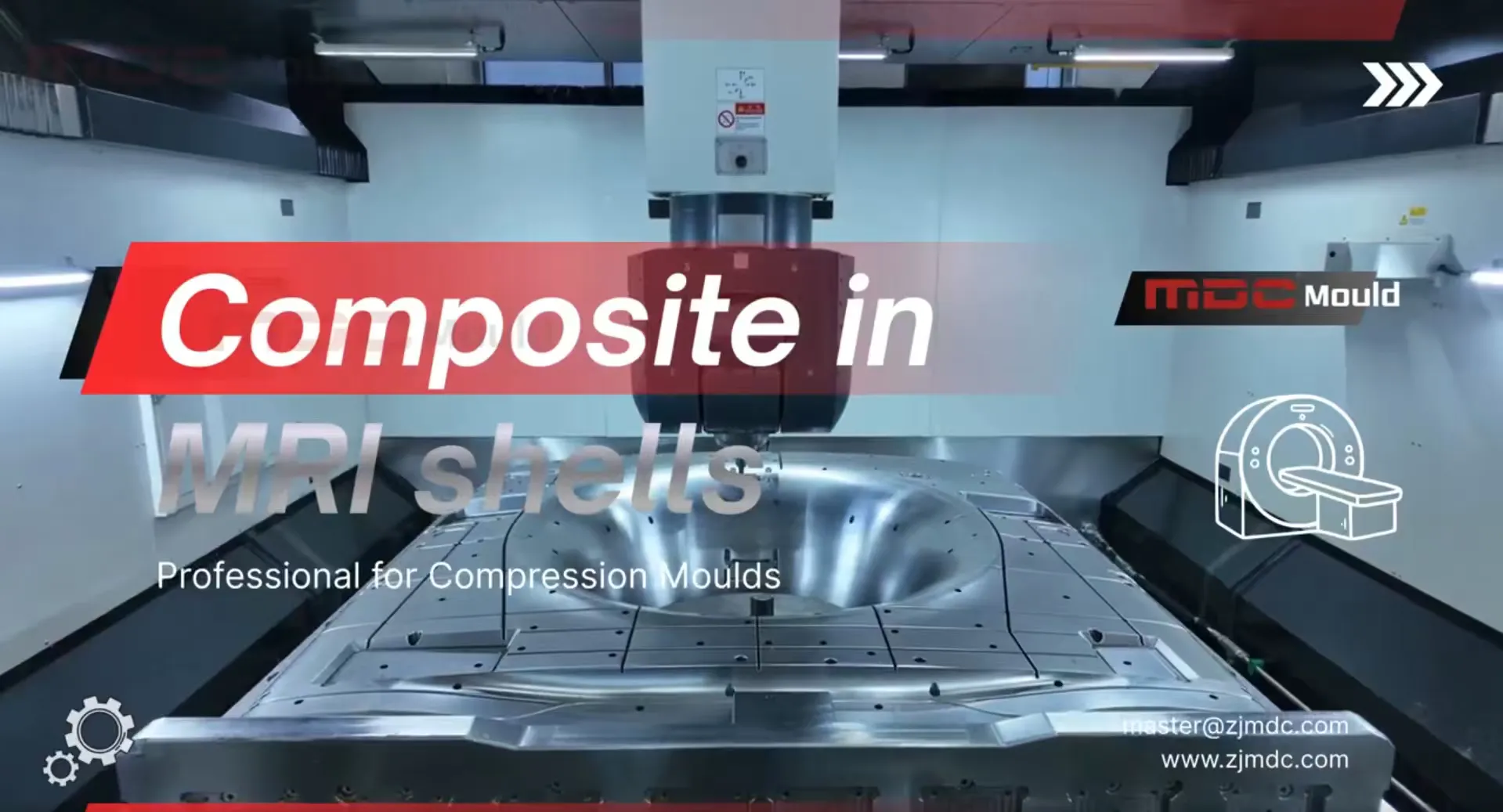
  • MRI machine covers
  • Medical device enclosures
  • Radiation-resistant panels
  • Hospital electrical systems
  • Clean-room compatible structures

6. Renewable Energy Applications

Renewable energy systems require lightweight and weather-resistant composite structures.

Compression molded components are widely used in:

  • Wind turbine systems
  • Solar equipment structures
  • Energy storage enclosures
  • Industrial composite covers

Common Materials Used in Compression Molding

Modern composite molding technologies support various advanced materials:

  • SMC (Sheet Molding Compound)
  • BMC (Bulk Molding Compound)
  • Carbon fiber composites
  • Glass fiber reinforced plastics
  • GMT materials
  • LFT materials
  • D-LFT composite systems

Advantages of Compression Molding

Main Benefits of Compression Molding

  • Excellent strength-to-weight ratio
  • High dimensional stability
  • Suitable for large structural components
  • Excellent corrosion resistance
  • Reduced material waste
  • Lower tooling cost for large parts
  • High production efficiency
  • Excellent surface quality
  • Strong electrical insulation performance

Why High-Precision Compression Tooling Is Important

The performance of composite products heavily depends on the quality of the mold itself.

High-precision compression tooling ensures:

  • Stable curing conditions
  • Accurate dimensions
  • Improved material flow
  • Reduced production defects
  • Longer mold lifespan
  • Better demolding performance

At MDC Mould, advanced CNC machining, precision polishing, and CAE analysis technologies are used to manufacture high-performance composite molds for global customers.

Composite mold and compression tooling production

Future Trends of Compression Molding

The future of compression molding technology is closely linked with:

  • Electric vehicle lightweighting
  • Carbon fiber industrialization
  • Large integrated composite structures
  • Sustainable manufacturing systems
  • Automated molding production lines
  • Advanced thermoset composite technologies

As global industries continue demanding stronger and lighter materials, advanced composite molding solutions will continue expanding rapidly.

Why Choose MDC Mould?

MDC Mould specializes in:

  • SMC mold manufacturing
  • BMC mold manufacturing
  • Compression tooling systems
  • Carbon fiber molds
  • Composite tooling solutions
  • Thermoforming molds
  • Automotive composite molds

Our engineering capabilities include:

  • CAE mold flow analysis
  • Precision CNC machining
  • Mirror surface polishing
  • Large-scale mold assembly
  • Composite product development support
  • Global technical cooperation

Conclusion

Compression molding is widely used in automotive, aerospace, electrical, construction, medical, and renewable energy industries because it enables the production of lightweight, durable, and high-performance composite parts.

With the rapid development of electric vehicles, sustainable manufacturing, and advanced composite materials, the demand for high-quality compression molds and composite tooling will continue growing globally.

As a professional manufacturer of SMC molds, BMC molds, and advanced compression tooling, MDC Mould continues supporting customers worldwide with high-precision composite manufacturing solutions.

Advanced Tooling Solutions for High-Precision Medical Imaging Housing

Precision CNC machining for MRI housing molds. Achieve micron-level tolerances and Class A finish for medical-grade composites with expert tooling by MDC Mould.

In the medical industry, precision is not optional—it is critical. From diagnostic imaging systems to advanced medical devices, every component must meet strict standards for accuracy, safety, and reliability.

At MDC Mould, we specialize in CNC machining for high-precision MRI housing mould projects, supporting the production of complex medical equipment components with consistent quality and performance.

This article provides an in-depth look at how medical mould manufacturing is achieved through advanced machining, process control, and engineering expertise.

1. Why MRI Housing Moulds Require High-Precision CNC Machining

MRI systems demand extremely precise housing structures to ensure proper alignment, stability, and operational safety. A high-quality MRI housing mould must deliver:

  • Strict dimensional accuracy
  • Smooth and defect-free surfaces
  • Stable structural performance
  • Consistency across production cycles

Even minor deviations can affect the performance of medical equipment, making precision CNC machining essential.

MRI2

2. CNC Machining Process for Medical Mould Manufacturing

The production of a medical mould involves multiple controlled machining stages:

2.1 Rough Machining

  • Fast material removal
  • Initial shaping of the mould structure
  • Preparation for precision machining

2.2 Semi-Finishing

  • Refinement of contours
  • Improved dimensional accuracy
  • Reduction of internal stress

2.3 Finishing

  • Achieving final tolerances
  • High-quality surface finish
  • Preparation for polishing or coating

Each stage is carefully managed to ensure that the final CNC mould meets medical-grade standards.

3. Engineering Challenges in MRI Housing Mould Machining

Complex Geometry

MRI housings often feature large curved surfaces and integrated structures. Advanced multi-axis CNC machining ensures precise shaping of these complex geometries.

Surface Quality Requirements

Medical applications require smooth, defect-free surfaces. High-speed finishing and polishing techniques are used to achieve superior results.

Dimensional Stability

Temperature control and precision inspection systems are essential to maintain tight tolerances during machining.

4. Process Control and Quality Assurance

At MDC Mould, every step of medical mould manufacturing is monitored and controlled:

  • Real-time machining process tracking
  • Tool wear monitoring
  • Dimensional inspection at key stages
  • Strict quality control standards

This ensures:

  • Consistent product quality
  • Reduced defect rates
  • Reliable performance in medical applications
MRI1

5. Material Selection for MRI Mould Tooling

Choosing the right material is essential for successful CNC mould making. Common materials include:

  • Tool steel for durability and strength
  • Aluminum for lightweight and fast machining
  • Composite tooling materials for specialized applications

Material selection impacts machining efficiency, tool life, and final product quality.

6. From CNC Machining to Medical Application

After machining, moulds are used in processes such as:

These processes produce:

  • MRI equipment housings
  • Medical device enclosures
  • Structural composite components

High-quality tooling ensures that final products meet strict medical standards.

7. Why Choose MDC Mould for Medical Tooling

MDC Mould combines advanced technology with engineering expertise to deliver high-performance precision tooling solutions.

  • Extensive experience in CNC machining
  • Advanced equipment and multi-axis machining capability
  • Strict quality control systems
  • Reliable global delivery

We support customers in the medical industry with dependable and high-quality mould solutions.

Conclusion

CNC machining for MRI housing mould represents one of the highest standards in modern manufacturing. It requires precision, expertise, and strict quality control at every stage.

At MDC Mould, we ensure that every machining step is carefully executed to meet demanding medical requirements, helping our customers deliver reliable and high-performance medical equipment worldwide.

SMC Top Panel Technology: Mastering Class A Surfaces for Large EV Parts

Precision SMC top panel molds for large EV exteriors. Achieve Class A surface quality and 30% weight reduction with expert compression tooling from MDC Mould.

As the automotive industry accelerates toward lightweight engineering, large integrated structures, and high-efficiency manufacturing, SMC top panel mould technology has become a key solution for producing large automotive exterior panels. Leveraging the advantages of compression moulding, manufacturers can efficiently form large flat-panel composite components with superior performance.

Components such as vehicle roof panels, front panels, and body covers require high dimensional accuracy, excellent surface quality, and structural strength. With SMC (Sheet Molding Compound), these requirements can be achieved while maintaining lightweight and cost-effective production.

MDC Mould has established strong cooperation with global automotive manufacturers, delivering advanced top panel mould solutions from concept design to final production.

What is an SMC Top Panel Mould?

An SMC top panel mould is a specialized compression mould used to manufacture large automotive panels such as roof panels and exterior covers. It is designed to process SMC composite materials under controlled temperature and pressure conditions.

Compared with traditional metal forming, SMC mould technology offers:

  • Lightweight composite structures
  • High strength and impact resistance
  • Excellent corrosion resistance
  • Class A surface finish for exterior applications

Why Compression Moulding is Ideal for Large Automotive Panels

Compression moulding is widely recognized as the optimal process for producing large flat-panel products, making it ideal for automotive top panel mould applications.

1. Superior Surface Quality

SMC materials enable smooth, paint-ready surfaces that meet automotive Class A standards.

2. Lightweight and High Strength

Compared to steel panels, SMC parts significantly reduce vehicle weight while maintaining excellent mechanical performance.

3. Complex Structure Integration

Features such as ribs, reinforcements, and mounting points can be integrated directly into the moulded panel, reducing assembly steps.

4. High Efficiency Production

Once developed, SMC top panel moulds support consistent, high-volume manufacturing with reduced cycle times.

SMC Top Panel mold

MDC Mould Capabilities in SMC Top Panel Mould Projects

MDC Mould has extensive experience in delivering SMC top panel mould solutions for various automotive applications, including both domestic and international OEM projects.

Full Process Support

  • Concept design and feasibility analysis
  • CAE simulation and optimization
  • Precision mould design and manufacturing
  • Trial production and validation

Advanced Tooling Technology

With high-precision CNC machining and strict quality control, MDC ensures:

  • High dimensional accuracy
  • Excellent surface finishing
  • Long mould service life

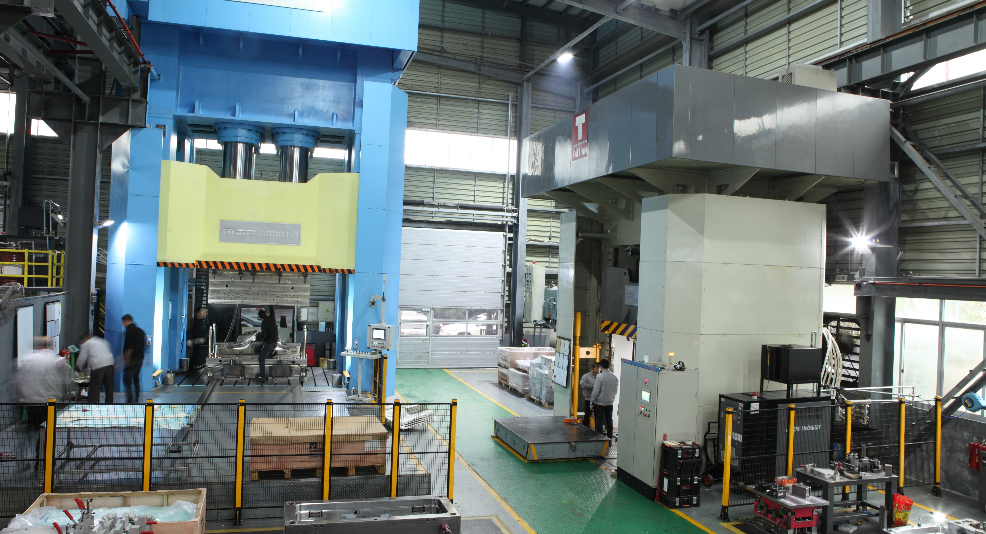
Large-Scale Capability: 4000T Compression Moulding Machine

A key advantage of MDC is its large-tonnage compression moulding capability. Equipped with a 4000T press machine, MDC supports:

  • Full-size automotive panel production
  • Large SMC top panel mould trials
  • Complex composite structure validation

Maximum supported part size:

  • Up to 3,500 × 3,200 mm

This ensures reliable full-scale testing and process optimization before mass production.

Key Design Considerations for Top Panel Moulds

Designing a high-performance top panel mould requires careful control of multiple engineering factors:

  • Temperature control system: Ensures proper curing of SMC materials
  • Uniform pressure distribution: Prevents defects and ensures part consistency
  • Ventilation design: Eliminates air traps and surface imperfections
  • Surface polishing: Achieves high-quality Class A finish

Applications of SMC Top Panel Moulds

  • Passenger vehicle roof panels
  • Commercial vehicle exterior panels
  • Electric vehicle (EV) body components
  • Truck and bus composite structures

As the demand for lightweight automotive solutions continues to rise, SMC top panel mould technology plays a critical role in modern vehicle design.

Future Trends in Automotive Composite Moulding

  • Advanced lightweight composite materials
  • Integration of multifunctional components
  • Smart manufacturing and automation
  • Sustainable and recyclable SMC materials

These trends highlight the increasing importance of compression moulding and composite tooling in next-generation automotive manufacturing.

Conclusion: MDC Mould Driving Innovation in Large Panel Moulding

SMC top panel mould technology offers a powerful solution for producing large, lightweight, and high-performance automotive panels. By combining advanced compression moulding processes with precision tooling, manufacturers can achieve superior product quality and efficiency.

With proven expertise, full-service capabilities, and a 4000T large-scale press system, MDC Mould continues to support global automotive manufacturers with high-quality composite mould solutions.

For companies seeking reliable top panel mould and SMC mould solutions, MDC is a trusted partner for innovation and long-term success.

Revolutionizing EV Bodies: High-Precision SMC Molds for Lightweight Door Panels

Precision SMC door molds for EV panels. Achieve Class A surface finish and 30% weight reduction with expert compression tooling from MDC Mould

As the automotive industry accelerates toward lightweight engineering and electrification, composite materials are replacing traditional metals in many structural and exterior applications. Among these materials, SMC (Sheet Molding Compound) has become a key solution for producing high-performance automotive components.

The SMC door mold plays a critical role in manufacturing lightweight, durable, and corrosion-resistant vehicle door panels. By utilizing advanced compression molding tooling, manufacturers can achieve superior product quality, efficiency, and design flexibility.

What is an SMC Door Mold?

An SMC door mold is a high-precision compression mold used to form automotive door panels from sheet molding compound materials under controlled heat and pressure.

The process involves:

  • Loading SMC material into the mold cavity
  • Applying heat and pressure for material flow and curing
  • Achieving a fully formed composite door panel
  • Releasing a high-quality finished component

This method ensures consistent production of complex, high-strength automotive parts with excellent surface finish.

Key Advantages of SMC Door Molds

1. Lightweight and High Strength

SMC materials provide a superior strength-to-weight ratio compared to traditional steel, reducing overall vehicle weight and improving fuel efficiency or EV range.

2. Excellent Corrosion Resistance

Unlike metal door panels, SMC automotive parts are resistant to rust and environmental degradation, ensuring long-term durability.

3. High Design Flexibility

SMC compression molds allow complex geometries and integrated structures, reducing assembly steps and improving product performance.

4. Class A Surface Quality

Advanced mold finishing techniques enable automotive door molds to produce Class A surfaces suitable for direct painting.

5. Cost Efficiency in Mass Production

SMC molding offers shorter cycle times and reduced material waste, making it ideal for high-volume automotive manufacturing.

SMC door mold

Engineering Requirements for High-Performance SMC Door Molds

Designing a reliable SMC door mold requires advanced engineering capabilities:

  • Precision cavity design for accurate panel fit
  • Optimized heating systems for uniform temperature distribution
  • Advanced venting design to prevent defects
  • High-quality mold materials for durability and long service life
  • Surface polishing for Class A finish requirements

These factors ensure stable production and high-quality output in automotive applications.

Applications in Automotive Manufacturing

Passenger Vehicles

  • Exterior door panels
  • Inner structural door components
  • Reinforced composite modules

Electric Vehicles (EVs)

  • Lightweight door systems
  • Integrated structural panels
  • Energy-efficient body components

Commercial Vehicles

  • Truck and bus door panels
  • Heavy-duty composite enclosures

The versatility of SMC door molds makes them essential in modern vehicle manufacturing.

SMC vs Metal Door Manufacturing

FeatureSMC Door MoldMetal Stamping
WeightLightweightHeavy
Corrosion ResistanceExcellentRequires coating
Design FlexibilityHighLimited
Surface FinishClass A possibleSecondary processing required
Production EfficiencyHighComplex process

MDC Mould: Professional SMC Door Mold Manufacturer

MDC Mould is a leading manufacturer specializing in high-precision SMC compression molds for automotive applications.

  • Expertise in automotive composite tooling
  • Advanced CNC machining and mold engineering
  • Customized solutions for OEM and Tier 1 suppliers
  • Stable mass production performance

Our SMC door molds are designed to meet the highest standards of quality, durability, and efficiency in global automotive manufacturing.

FAQ: SMC Door Mold and Compression Molding

What is an SMC door mold used for?

An SMC door mold is used to manufacture lightweight composite automotive door panels using compression molding technology.

Why use SMC instead of metal for car doors?

SMC offers lower weight, better corrosion resistance, and greater design flexibility compared to traditional metal materials.

What industries use SMC compression molds?

SMC molds are widely used in automotive, transportation, and industrial equipment manufacturing.

Conclusion

The SMC door mold is a key technology enabling lightweight, high-performance automotive design. With its advantages in durability, efficiency, and flexibility, SMC compression molding is becoming the preferred solution for modern vehicle manufacturing.

By adopting advanced compression molding tooling, manufacturers can achieve superior product quality and maintain competitiveness in the evolving global automotive market.

Mass Production of Carbon Fiber Robot Parts: Precision Molding Solutions

Explore how carbon fiber composites, CF-PEEK materials, and advanced composite molding technologies enable high-performance humanoid robots. Learn about lightweight design, structural strength, and precision manufacturing.

Summary

Advanced carbon fiber composite materials and high-performance thermoplastic composites such as CF-PEEK are the key enablers of modern humanoid robots. These materials provide lightweight structures, exceptional strength, and high precision, allowing robots to perform complex movements with efficiency and stability. Combined with advanced composite mold and compression molding technologies, they form the foundation of next-generation intelligent manufacturing.

Introduction: The Material Revolution Behind Intelligent Robotics

As humanoid robots move toward large-scale commercialization, the demand for lightweight, high-strength, and durable materials is becoming increasingly critical. Behind every agile movement and precise control lies a sophisticated material system.

Modern robots require materials that can simultaneously deliver:

  • High structural strength
  • Low weight for energy efficiency
  • Excellent fatigue resistance
  • Dimensional stability under varying environments

Carbon fiber composites and advanced engineering plastics have emerged as the optimal solution.

Carbon Fiber Composites: The “Structural Backbone” of Robots

Carbon fiber reinforced composites are widely used in robotic frames, arms, and load-bearing structures. These materials combine high tensile strength with low density, making them ideal for dynamic systems.

Key Advantages:

  • Extremely high strength-to-weight ratio
  • Excellent resistance to bending and impact
  • Near-zero thermal expansion for dimensional stability
  • Long service life under cyclic loading

Through advanced carbon fiber molding and compression mold technologies, manufacturers can optimize fiber orientation (e.g., 0°, 45°, 90° layups) to match specific load conditions, ensuring maximum structural efficiency.

robot

CF-PEEK Composites: Precision Materials for Robotic Joints

For robotic joints, where precision and durability are critical, carbon fiber reinforced PEEK (CF-PEEK) offers exceptional performance.

This advanced material combines:

  • Carbon fiber strength
  • PEEK’s wear resistance and thermal stability
  • Outstanding fatigue resistance

CF-PEEK is widely used in bearings, gears, and joint components, enabling:

  • High-precision motion control
  • Reduced friction and wear
  • Long-term reliability under repeated motion

Its ability to operate in extreme environments further enhances robot reliability.

UHMWPE Fiber: Flexible Support for Dynamic Systems

In addition to rigid structures, robots require flexible components such as tendons and protective elements. Ultra-high molecular weight polyethylene (UHMWPE) fibers serve this role effectively.

These fibers provide:

  • High tensile strength
  • Excellent fatigue resistance
  • Lightweight flexibility

They ensure reliable performance in high-frequency motion environments.

Material Testing and Quality Assurance

The performance of advanced composites depends not only on material selection but also on strict testing and quality control.

Key Testing Methods:

  • Tensile and flexural strength testing
  • Fatigue and impact resistance evaluation
  • Non-destructive testing (ultrasonic, thermal imaging)
  • Dimensional accuracy and tolerance verification

These methods ensure that composite materials meet the demanding requirements of high-performance robotic systems.

Role of Composite Mold and Compression Tooling

High-performance materials require equally advanced manufacturing processes. Composite molds, including compression molds and carbon fiber tooling systems, play a critical role in achieving:

  • Precise geometry and structural consistency
  • Optimized fiber orientation
  • High surface quality
  • Efficient mass production

At MDC Mould, advanced tooling solutions support the production of high-performance composite components for robotics and other cutting-edge industries.

Future Outlook: Composite Materials Driving Robotics Innovation

As humanoid robots enter a new stage of commercialization, the demand for advanced composite materials will continue to grow.

Future trends include:

  • Further lightweight optimization
  • Integration of multi-material systems
  • Improved sustainability and recyclability
  • Enhanced precision manufacturing technologies

Composite materials will remain a key driver of innovation in robotics and intelligent manufacturing.

robot2

Frequently Asked Questions (FAQ)

Why are carbon fiber composites used in robots?

Carbon fiber composites provide high strength and low weight, enabling robots to achieve efficient and precise movement.

What is CF-PEEK material?

CF-PEEK is a high-performance composite material combining carbon fiber with PEEK, offering excellent wear resistance and mechanical strength.

What role do molds play in composite manufacturing?

Molds ensure precise shaping, fiber alignment, and consistent quality in composite components.

Conclusion

Carbon fiber composites and advanced thermoplastic materials are transforming the capabilities of humanoid robots. Through the integration of high-performance materials and precision composite mold technologies, manufacturers can achieve lightweight, durable, and highly efficient robotic systems.

As the robotics industry continues to evolve, these materials will remain at the core of innovation, driving the future of intelligent manufacturing worldwide.

Next-Gen Compression Molds: Leveraging DMLS 3D Printing Technology

A comprehensive computational study demonstrates Direct Metal Laser Sintering (DMLS) as a viable, material-efficient alternative for compression mold and SMC mold manufacturing.

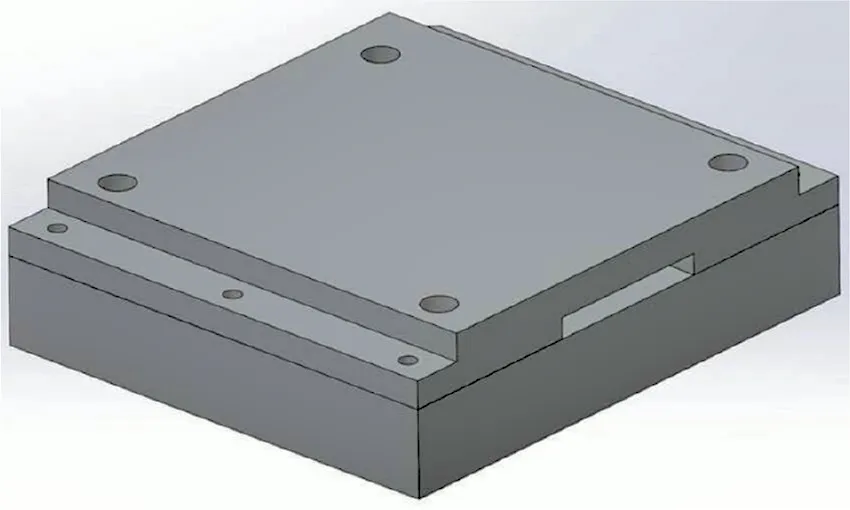
A recent computational analysis demonstrates that DMLS-produced metal molds—featuring honeycomb internal structures—can meet the structural and thermal demands of compression molding while reducing material usage by up to 74% compared to conventionally machined molds. This breakthrough has direct implications for high-precision SMC mold, compression mold, and advanced composite tooling applications.

compression-mold
Figure: Concept illustration of a DMLS honeycomb compression mold (image for illustration only).

Executive summary

Traditional compression mold fabrication relies on subtractive machining—CNC milling, turning, and EDM—to produce high-precision tooling. While accurate, these methods incur long lead times, high tooling steel consumption, and substantial material waste. The computational study summarized here evaluates Direct Metal Laser Sintering (DMLS) as an alternative production route for compression mold tooling. Key findings include:

  • DMLS mold with an internal honeycomb lattice achieved the design criterion of maximum deflection ≤ 0.001 inches under realistic molding pressures and temperatures.
  • The additive mold used approximately 74% less material than a conventionally machined equivalent.
  • Design freedom enabled by DMLS allows internal topology optimization, conformal cooling channel placement, and mass reduction without compromising stiffness.

1. Why DMLS matters for compression molds and SMC tooling

Direct Metal Laser Sintering (DMLS) is a powder-bed fusion metal additive manufacturing technology that constructs parts layer-by-layer using a focused laser to fuse metal powder. For compression mold and SMC mold manufacturers, DMLS offers several strategic advantages:

1.1 Material and cost efficiency

Additive lattice and honeycomb designs drastically reduce the volume of expensive tool steel required for large molds. The reported 74% material savings translate directly into lower material cost and reduced machining allowance when hybrid finishing (DMLS + CNC) is applied.

1.2 Geometric freedom and thermal control

DMLS enables features that are difficult or impossible to machine: internal lattices for light-weighting, integrated conformal cooling channels for thermal uniformity, and topology-optimized ribs that maximize stiffness per unit mass—capabilities that are especially beneficial for high-volume compression tooling.

1.3 Shorter development cycles

For R&D, prototype molds, or low-volume specialized tools, DMLS reduces lead times by removing complex multi-step machining processes. Iterations—such as channel geometry or reinforcement—can be implemented directly in the CAD model and printed without the need for expensive fixturing changes.

Mold-A-currently-existing-mold-CNC-manufactured

2. Computational approach: validating structural and thermal performance

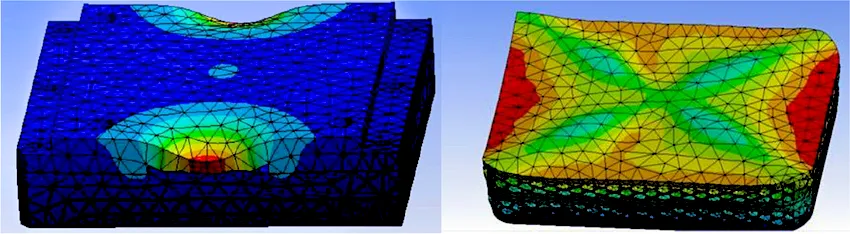
The study compared two mold concepts under identical molding conditions: a solid machined steel mold (reference) and a DMLS-manufactured mold with a honeycomb internal structure. Finite Element Analysis (FEA) evaluated mechanical deflection under molding pressure and thermal gradients representative of SMC compression cycles.

2.1 Structural analysis

Using linear and non-linear static simulations, the DMLS honeycomb mold maintained a maximum deflection below the stringent tolerance of 0.001 inches. The lattice geometry was tuned to concentrate material along principal stress paths while removing mass in low-stress regions.

2.2 Thermal analysis

Transient thermal simulations modeled heat input during a typical compression-curing cycle and subsequent cooling. The DMLS mold’s lower thermal mass (due to internal cavities) required active thermal management—implemented via conformal cooling channels—to ensure uniform cure and avoid hot spots. With conformal cooling, temperature differentials were within acceptable process windows.

2.3 Hybrid finishing strategy

The research emphasized a hybrid workflow: DMLS for the internal topology and near-net shape plus precision CNC finishing on critical mating surfaces. This approach ensures required surface finish and dimensional tolerances, while still preserving the material and time advantages of additive production.

3. Design recommendations for metal-AM compression molds

Based on computational results and best practices, the following guidelines are recommended when applying DMLS to compression mold tooling:

  • Topology-aware lattice design: Orient honeycomb or lattice reinforcement along primary load paths; avoid uniform porosity that undermines stiffness.
  • Conformal cooling integration: Place channels close to the cavity surface with controlled channel cross-sections to optimize heat extraction and cycle time.
  • Post-process planning: Design for CNC finishing allowance on sealing faces and parting lines; determine regions for stress-relief heat treatment to minimize residual stresses from AM.
  • Material selection: Use tool steels and maraging steels compatible with DMLS and post-heat-treatment to achieve required hardness for long tool life.
  • Quality assurance: Implement non-destructive testing (NDT) for internal porosity and coordinate metrology for cavity dimension verification.
moldflow

4. Manufacturing, sustainability, and cost considerations

While DMLS reduces raw material waste, manufacturers must evaluate machine time, powder costs, and post-processing expenses. Key considerations include:

  • Powder reuse strategies to minimize consumable costs.
  • Energy consumption of large-format DMLS machines versus conventional machining centers.
  • Tool life and maintenance: Ensure DMLS tool surface treatments or coatings to meet abrasive wear of SMC compounds.
  • Lifecycle analysis: Lowered steel usage and reduced machining waste contribute positively to environmental impact when balanced against AM energy use.

Practical conclusion: For mid-to-high complexity molds and R&D tooling, DMLS (combined with CNC finishing) is often economically and technically superior. For simple, very large-volume tooling with minimal internal features, traditional machining may still be preferable.

5. Implications for MDC Mould and the composite tooling industry

For a composite tooling specialist like MDC Mould, DMLS represents a strategic technology to complement existing CNC and EDM capabilities. Specific opportunities include:

  • Rapid prototype compression molds for SMC and BMC trials.
  • Optimized molds with conformal cooling to reduce curing cycle time and improve part consistency.
  • Customized lightweight tooling for large composite parts where handling and transport costs are significant.
  • Hybrid production lines in which DMLS cores are enclosed by conventionally manufactured cladding to balance cost and performance.

Adopting DMLS helps MDC strengthen its service offering for automotive SMC body panels, EV enclosures, structural composite parts, and specialized thermoforming tooling.

6. Recommended next steps for industrial adoption

  1. Run pilot projects combining DMLS-produced cores with CNC-finished faces for representative SMC mold designs.
  2. Perform full-cycle mold trials to validate wear resistance, demolding behavior, and part quality.
  3. Establish an internal AM design-for-manufacture (DfAM) guideline focused on lattice sizing, channel diameter, and post-processing sequences.
  4. Engage material suppliers to certify tool-steel powders specific to SMC process abrasion and thermal cycles.

Conclusion

This computational study demonstrates that DMLS is a technically viable option for modern compression mold manufacturing. When combined with conformal cooling and hybrid finishing strategies, DMLS molds can meet the strict structural and thermal demands of SMC compression processes while delivering substantial material savings and enhanced design freedom. For SMC mold and composite tooling providers, integrating DMLS into the manufacturing mix will open new possibilities for performance, sustainability, and rapid iteration.

Contact MDC Mould to learn how we integrate additive manufacturing with precision CNC finishing for next-generation compression molds: Contact us.

Core keywords: DMLS, compression mold, SMC mold, composite tooling, metal additive manufacturing, honeycomb mold, conformal cooling.

CFRP vs GFRP: Tensile Strength Analysis of Fiber Reinforced Polymers

Professional tensile strength analysis of carbon fiber and glass fiber composites. Learn how fiber type, layer count, and composite structure affect tensile strength, elastic modulus, and mechanical performance.

Composite materials have become a core foundation in advanced engineering due to their high strength-to-weight ratio, stiffness, corrosion resistance, and adaptability. As industries continue to move toward lightweight structures, the mechanical behavior of carbon fiber composites and glass fiber reinforced polymers (GFRP) has become a primary focus in material selection.

1. Introduction: Why Tensile Strength Matters

Tensile strength and elastic modulus are two of the most critical parameters in evaluating structural performance. In applications across aerospace, automotive, industrial machinery, energy storage, and pressure-resistant structures, the reliability of composite materials depends heavily on fiber type, fiber orientation, and the number of reinforcement layers.

This study focuses on analyzing the mechanical performance of composites made with carbon fiber and glass fiber using standardized ISO-527 tensile testing. The results provide valuable insights into how layer count directly influences the tensile strength and stiffness of composite structures.

carbon fiber

2. Research Methodology: ISO-527 Tensile Test Standards

Tensile tests were performed using ISO-527 specimen standards to ensure consistency and accuracy. Two composite types were evaluated:

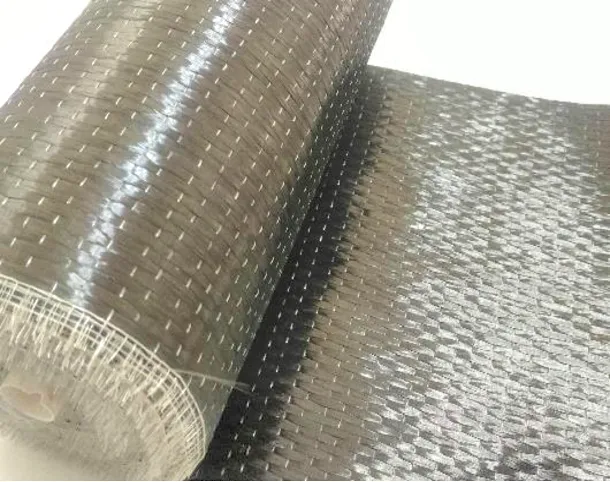
  • Continuously reinforced carbon fiber laminates
  • Glass fiber composites made with Chopped Strand Mat (CSM)

All samples were manufactured using a polymer matrix with a 10:1 catalyst ratio to ensure proper curing and replication of industrial production conditions.

3. Key Findings: Layer Count Determines Strength Performance

3.1 Two-Layer Carbon Fiber: The Highest Mechanical Performance

The study found that the composite specimen containing two layers of carbon fiber delivered the best mechanical results:

  • Tensile Strength: 100.76 MPa
  • Maximum Strain: 1.76% (low, indicating high stiffness)
  • Elastic Modulus: 5708.4 MPa

These results confirm that increasing the number of reinforcement layers significantly enhances stiffness, load capacity, and overall tensile performance.

3.2 Single-Layer Carbon Fiber: Lowest Tensile Strength

The lowest mechanical performance was recorded in the specimen containing only one layer of carbon fiber:

  • Tensile Strength: 19.877 MPa

This outcome highlights the limitations of single-layer structural design and demonstrates how inadequate reinforcement reduces mechanical performance.

3.3 Carbon Fiber vs. Glass Fiber: Differences Are Less Significant Than Expected

Prior studies suggest that tensile strength differences between carbon fiber and glass fiber composites may not be dramatic for single-layer materials. However, this research confirms that layer configuration—not fiber type—is the dominant factor in controlling:

  • Tensile strength
  • Elastic modulus
  • Stiffness
  • Load distribution capability

4. Discussion: Why Layer Configuration Matters

The mechanical superiority of the multi-layer carbon fiber composite is attributed to enhanced:

  • Load transfer efficiency across fiber–matrix interfaces
  • Resistance to deformation under tensile force
  • Structural stability and minimized risk of delamination
  • Elastic modulus increase proportional to layer count

These characteristics make multi-layer carbon fiber composites ideal for engineering components where high modulus, strength, and durability are essential.

5. Conclusion: Two-Layer Carbon Fiber Is the Optimal Choice

Based on ISO-527 tensile testing, the results confirm that two-layer carbon fiber laminates provide the highest tensile strength and stiffness. This configuration outperforms single-layer carbon fiber and glass fiber composites in every major mechanical category.

For engineering applications requiring lightweight, high-strength, and dimensionally stable materials—especially in high-demand industrial environments— two-layer carbon fiber composites are the optimal material choice.

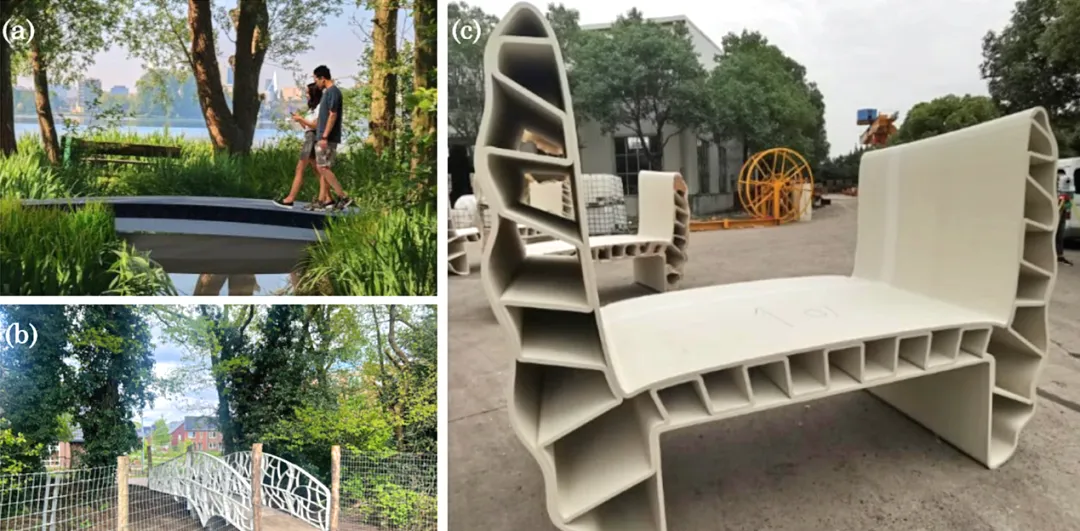
Polymer Composite 3D Printing in Civil Engineering

How polymer composite 3D printing is transforming civil engineering — material systems, structural applications, technical challenges and how MDC Mould’s composite tooling & precision forming supports industrial adoption.

Comprehensive professional insight into how polymer composite additive manufacturing (large-format) is reshaping infrastructure — and how MDC Mould’s composite tooling and processing expertise accelerates industrial adoption.

1. Material Systems and Printing Technologies

1.1 Thermoplastic and Thermoset Matrix Systems

Polymer composites used in additive manufacturing generally fall into two broad categories: thermoplastic and thermoset systems. Each class delivers distinct advantages for civil engineering applications.

Thermoplastic Composites

  • PLA — biodegradable and sustainable; suitable for low-temperature, temporary or recyclable applications. Performance can be enhanced with fiber or nanoparticle reinforcement.
  • ABS — higher impact resistance and better outdoor performance than PLA; commonly used for durable printed architectural components.
  • High-performance thermoplastics (PEEK, ULTEM) — for demanding, high-temperature or chemically aggressive environments.
  • Recycled thermoplastics (rPET) — reduce lifecycle carbon footprint, though require material control to limit molecular degradation.

Thermoset Composites

SLA/DLP and thermoset-based printing deliver excellent dimensional accuracy and thermal stability, but their cross-linked chemistry creates recyclability challenges for large-scale civil use.

1.2 Fiber-Reinforced Composite Systems

Reinforcements determine structural performance:

  • GFRP — fatigue resistance, cost-effective for large components (façade modules, pedestrian bridges).
  • CFRP — extremely high strength-to-weight; ideal for precision structural parts and retrofits.
  • Natural fibers — (bamboo, flax, hemp) promising for sustainability but need surface treatments for moisture/UV resistance.
  • Particle fillers — SiO₂, Al₂O₃ to increase stiffness, thermal performance or wear resistance.

1.3 Large-Scale Additive Manufacturing Technologies

Key printing technologies used in civil engineering:

Extrusion-Based 3D Printing (E3DP)

Most common for large geometries — balanced between scale and speed; supports composite filaments and pellet-fed systems.

Binder Jetting

Enables powder-based composites and hybrid mixtures with low thermal deformation and good surface finish.

Robotic Large-Format Additive Manufacturing (RLFAM)

Multi-axis robotic deposition allows support-free printing, complex geometry, and continuous fiber reinforcement — perfect for bespoke bridge components, stiffeners, and façade systems.

composite civil

2. Global Case Studies: From Bridges to Buildings

Practical projects worldwide demonstrate how composite 3D printing is applied at scale.

2.1 Bridge Engineering

  • Rotterdam (Netherlands) — 6.5 m pedestrian bridge printed from GFR-PET, reduced lifecycle carbon by ~50% (example of environmental and durability benefits).
  • Limburg Pedestrian Bridge — validated cyclic performance for pedestrian loads, showing predictable fatigue behaviour in GFRP structures.
  • Liuyun Bridge (China) — 17.5 m bridge printed from ASA-3012 composite in 35 days; illustrates speed and logistical advantages for medium-span pedestrian infrastructure.

2.2 Building & Modular Construction

  • BioHome 3D (USA) — bio-fiber + bio-resin printed modules that are recyclable and rapidly deployed.
  • Jindi Modular Housing (Australia) — recycled plastics core + cementitious outer coating for improved fire performance.
  • Azure Tiny Homes (USA) — small modules printed in 24–48 hours using recycled plastic feedstock at scale.

2.3 Structural Strengthening & Seismic Applications

Examples include continuous carbon-fiber printed grids and CFRP/PLA retrofits that increase energy dissipation and shear stiffness—offering promising strategies for earthquake-resistant upgrades and fast repair works.

3. Key Technical Challenges

Despite strong advantages, several engineering and industrial hurdles must be overcome for mainstream civil adoption:

3.1 Mechanical Anisotropy

Layered deposition creates directional properties—interlayer bonding is typically weaker than in-plane strength, necessitating design accommodations, fiber orientation control, and post-processing consolidation.

3.2 Durability & Environmental Resistance

  • UV ageing and photodegradation
  • Moisture uptake in natural fiber composites
  • Fire resistance and compliance with building codes

3.3 Large-Scale Manufacturing Bottlenecks

Production speed, material cost, and equipment footprint remain obstacles. Example: a 5,800 kg printed bridge may require multiple weeks of continuous operation.

3.4 Standards & Certification

Industry standards, testing protocols and life-cycle performance databases are still evolving—this slows structural certification and insurance acceptance for critical infrastructure.

3.5 Recycling & End-of-Life Management

Thermoset matrices and fiber-reinforced composites lack mature closed-loop recycling pathways—an active research and industrial priority.

4. Future Directions and Opportunities

4.1 Process Optimization

Multi-axis deposition, in-situ consolidation and hybrid manufacturing that combine additive deposition with CNC finishing will improve accuracy and structural integrity.

4.2 Smart & Functional Materials

Embedding sensors, self-healing chemistries, conductive pathways and thermal-functional fillers will enable intelligent infrastructure systems and condition-based maintenance.

4.3 Sustainable Material Development

R&D focus includes bio-based polymers, improved recycled PET composites and treated natural fibers that lower environmental impact while meeting performance targets.

4.4 High-Performance Composite Tooling

Large printed components will increasingly rely on high-quality tooling and forming systems for prototype validation, hybrid cast–printed assemblies, and repeatable production. MDC’s SMC/BMC tooling, FRP moulds and precision forming solutions provide essential capabilities for scale-up.

4.5 Standardization & Policy Support

Development of structural design codes, durability databases and sustainability assessment frameworks will accelerate industrial adoption and risk acceptance.

5. How MDC Mould Supports Composite 3D Printing Adoption

MDC Mould (Zhejiang MDC Mould Co., Ltd.) sits at the intersection of advanced composite tooling and large-scale composite manufacturing. Below are ways MDC accelerates adoption:

  • Precision Prototype Tooling — SMC/BMC and FRP moulds for validation of printed geometries and hybrid cast–printed joints.
  • Surface & Dimensional Finishing — post-print forming and high-accuracy tooling that enable modular façade systems and architectural finishes.
  • Vacuum & Consolidation Solutions — vacuum systems and in-situ consolidation fixtures to improve interlayer bonding and composite density for load-bearing parts.
  • Material Partnering — collaboration with filament, pellet and prepreg suppliers to qualify composite feedstocks for structural use.
  • Testing & Certification Support — prototype testing, fatigue evaluation and long-term performance campaigns required by code bodies and clients.
  • Hybrid Manufacturing Integration — combining large-format additive manufacturing with MDC’s subtractive tooling and finishing to deliver ready-to-install components.

For project inquiries — prototype tooling, pilot production, or hybrid cast–printed solutions — contact MDC Mould to discuss requirements and technical collaboration.

6. Conclusion

Polymer composite additive manufacturing is transitioning from research to impactful engineering practice across bridges, buildings and structural rehabilitation. While challenges in anisotropy, durability and standards remain, the combined progress in materials, processes and tooling creates a clear pathway toward scalable, sustainable infrastructure solutions.

MDC Mould—by providing high-performance composite tooling, vacuum/consolidation systems, and finishing services—plays a strategic role in enabling reliable, repeatable production for large-format composite structures. Partnering with tooling specialists reduces technical risk, shortens validation cycles and helps bring composite-printed infrastructure into mainstream engineering.